'Every launch comes at a price': Why firing an S-400 missile is so expensive

Firing the S-400 Triumf is astronomically expensive because its interceptor missiles cost up to USD 2 million each. Packed with active radar homing and Mach 14 propulsion, shooting down cheap USD 20,000 drones creates a severe financial drain.
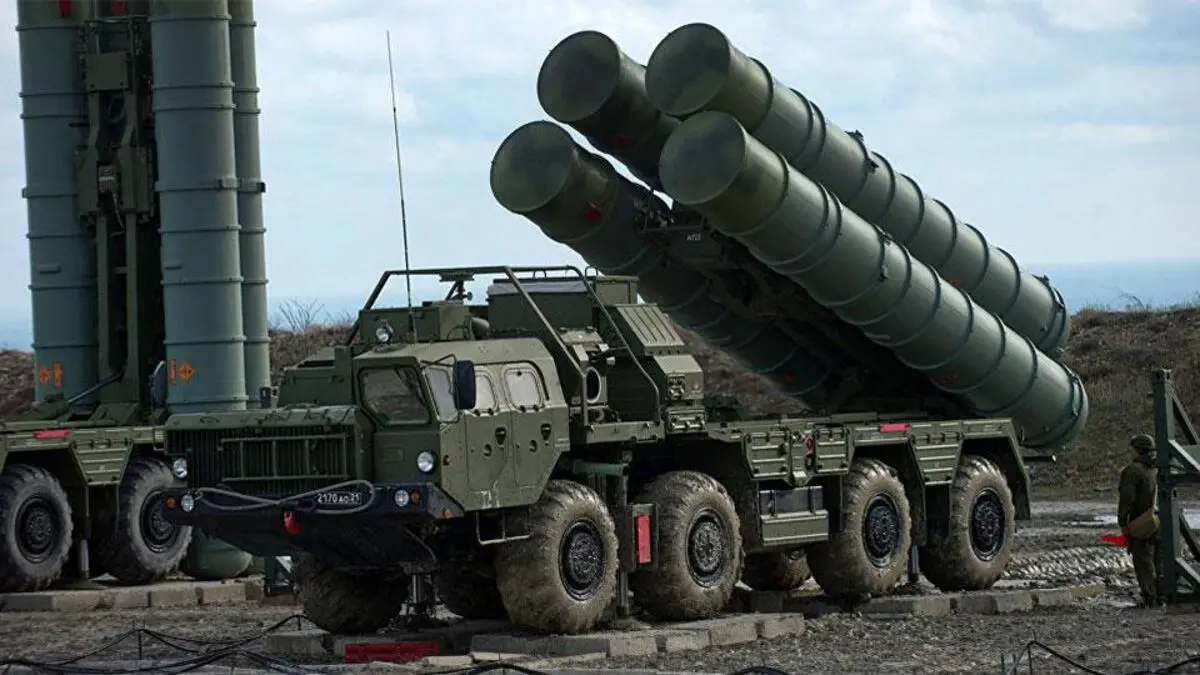
A Massive Price Tag
While a complete S-400 Triumf export battery costs approximately USD 1.25 billion, the true financial drain occurs every time the system fires. The physical interceptor missiles launched by the strategic defence network are astronomically expensive pieces of military hardware.
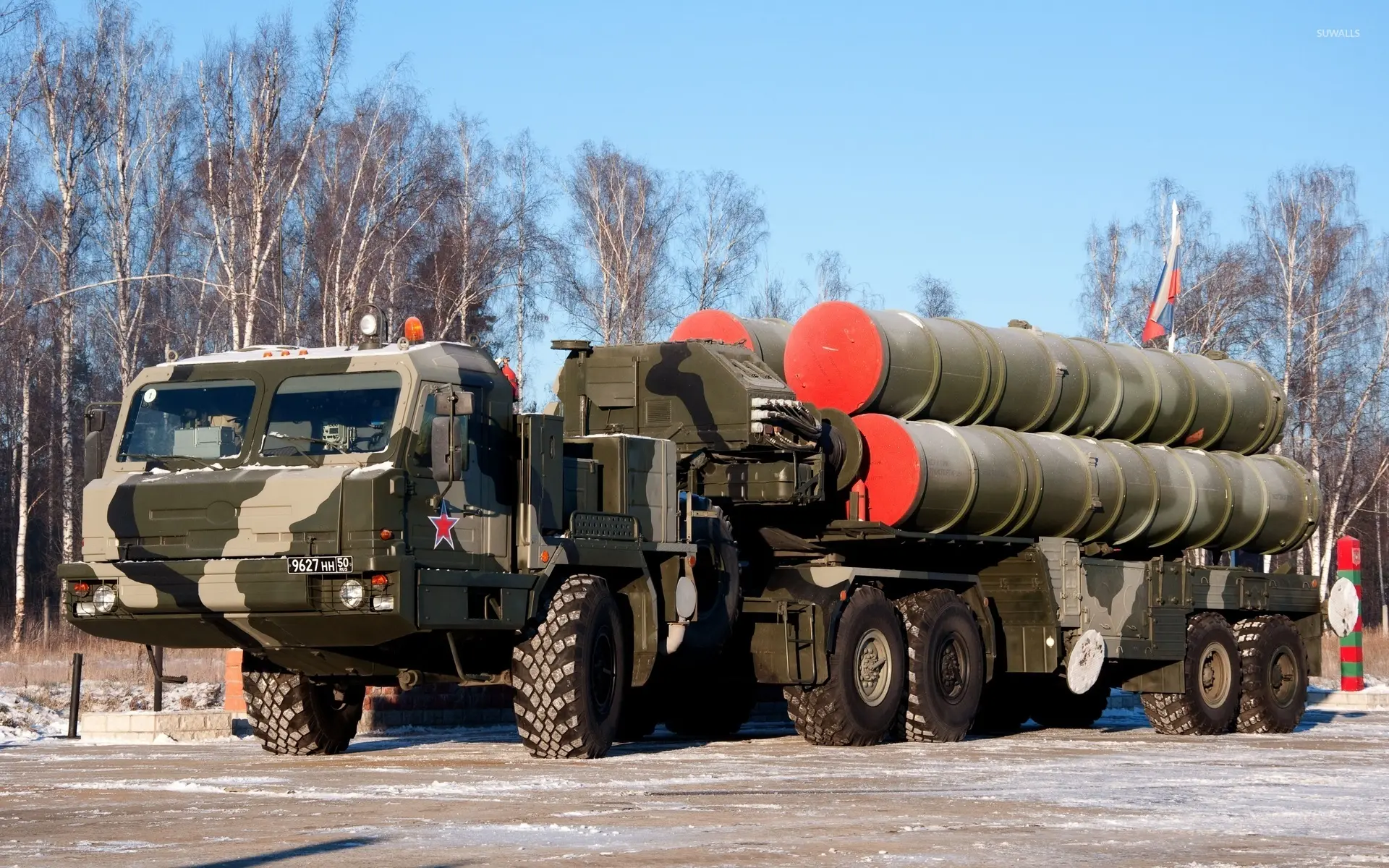
The Cost of an Interceptor
Unlike unguided artillery, each S-400 interceptor is a highly sophisticated weapon. Depending on the variant, a single missile costs anywhere from USD 300,000 for short-range versions to over USD 2 million for the massive 400-kilometre 40N6E.
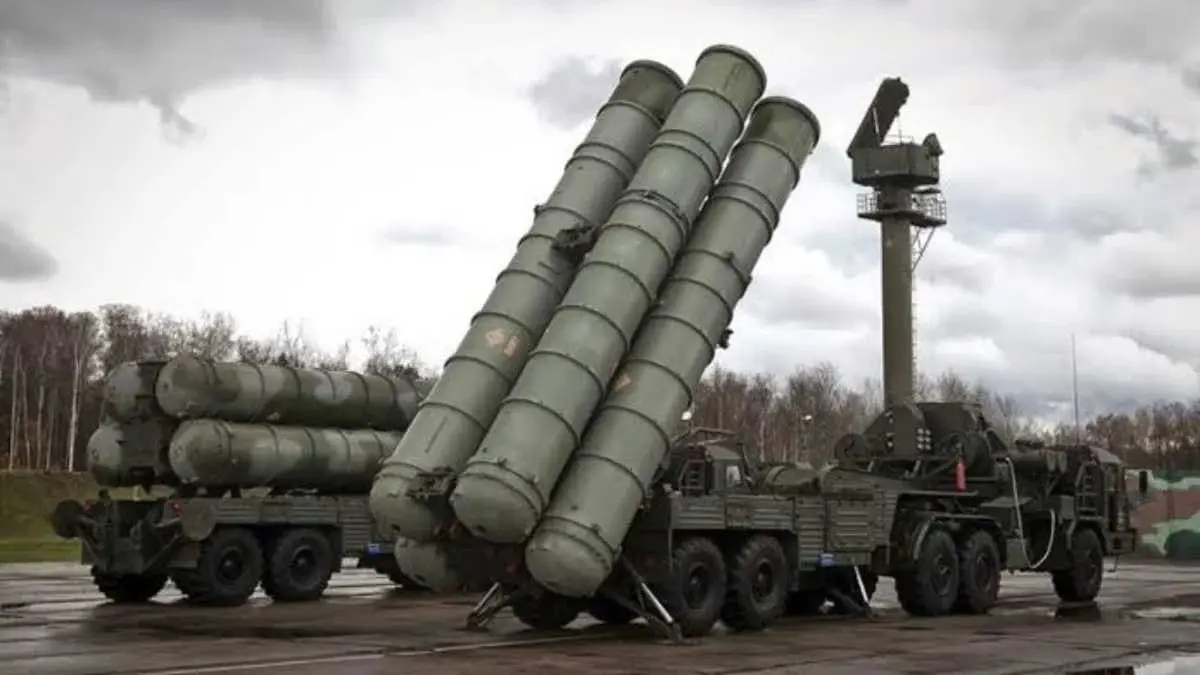
High-Tech Anatomy
The extreme cost of each launch stems from the cutting-edge technology packed inside the missile's nose cone. These weapons feature complex active radar homing heads, precise electronic guidance systems, and advanced sensors required to track evasive stealth targets.
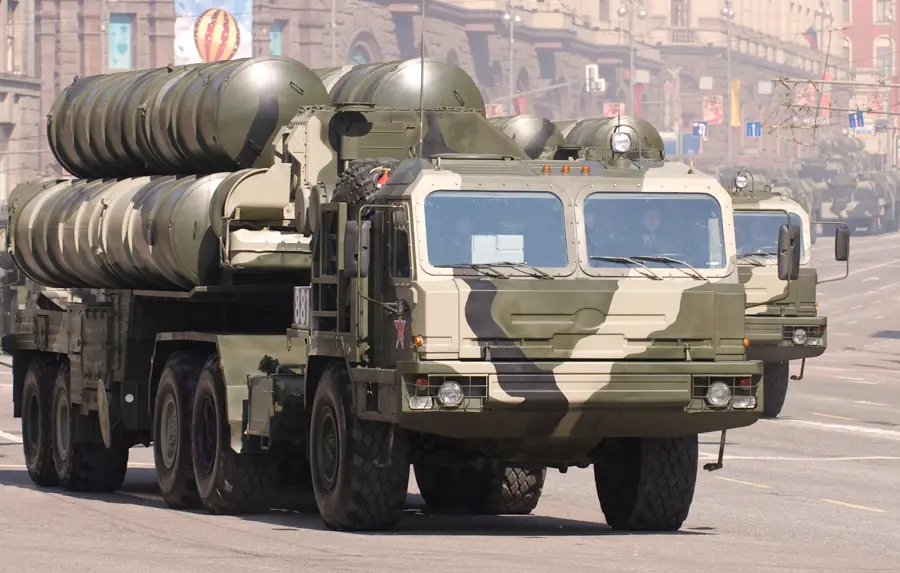
Hypersonic Propulsion
To catch supersonic fighters and incoming ballistic missiles, the S-400 relies on highly expensive, high-performance rocket motors. These advanced propulsion systems allow the heavy interceptors to violently accelerate to blistering speeds of up to Mach 14 within seconds.
The Drone Dilemma
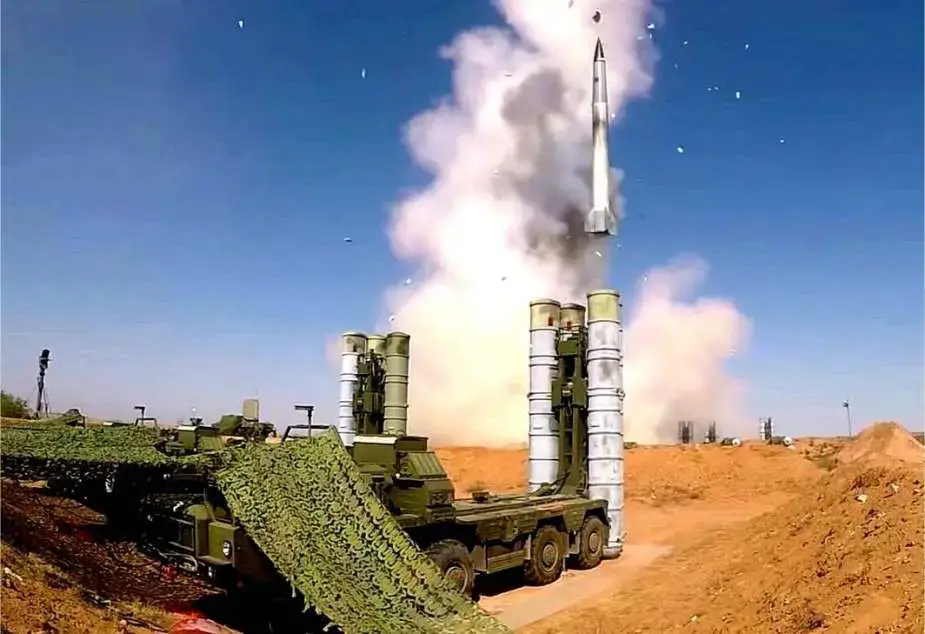
Because each launch is incredibly costly, using the S-400 against cheap, disposable threats creates severe economic asymmetry. Firing a USD 2 million hypersonic interceptor to destroy a basic USD 20,000 kamikaze drone rapidly depletes a nation's military budget.
The Double-Tap Doctrine
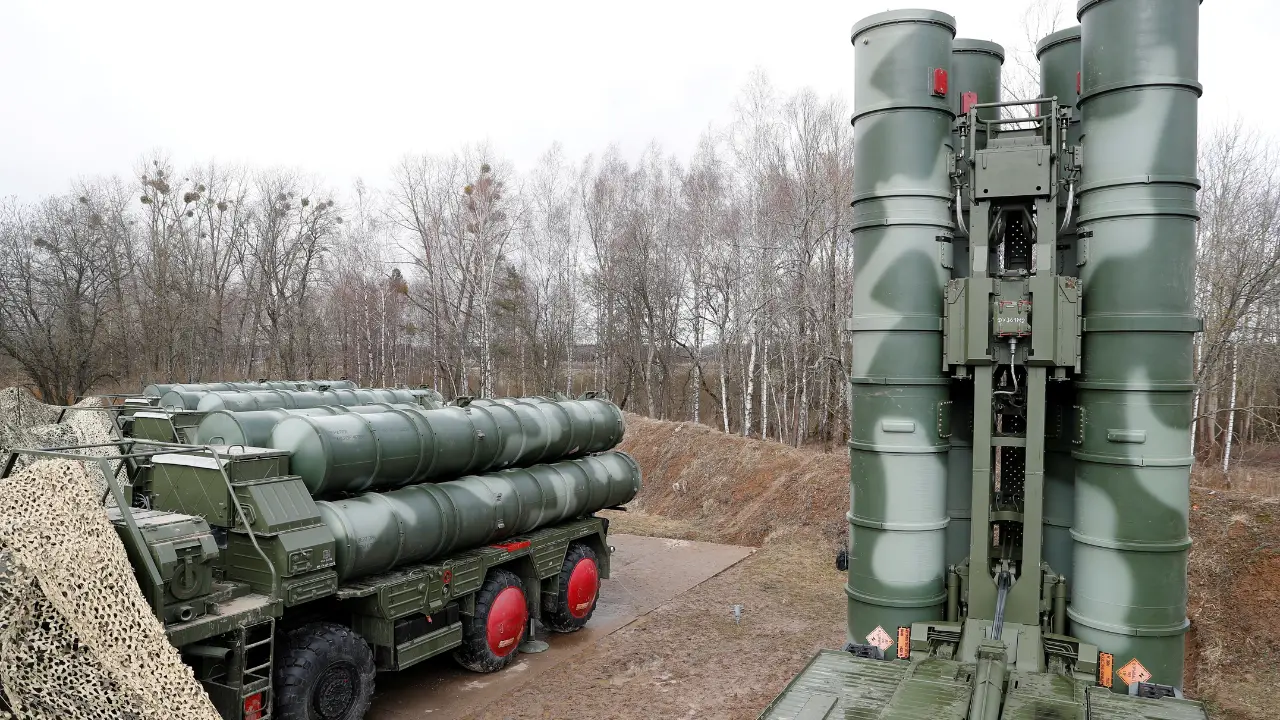
To guarantee a successful kill against a high-value enemy bomber, standard air defence doctrine often dictates firing two missiles at a single target. This means that a single tactical engagement can instantly cost an air force upwards of USD 4 million.
The Billion-Dollar Restock
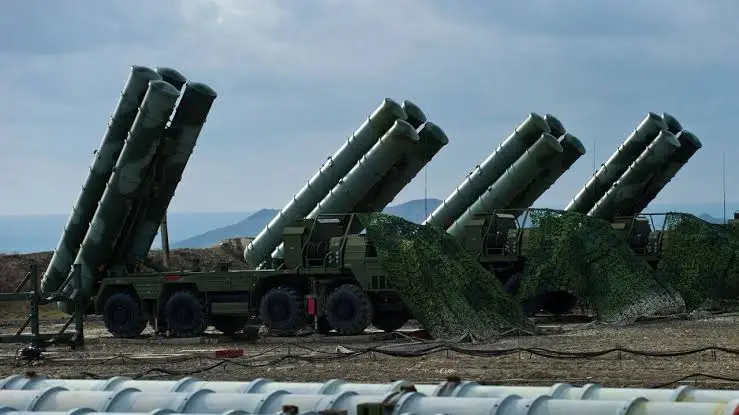
Replenishing these advanced munitions requires a continuous financial commitment. Recently, India reportedly signed a massive USD 1.2 billion (Rs 10,000 crore) contract with Russia simply to acquire 288 replacement missiles for its active S-400 regiments.
)
)
)
)
)