Space warfare: Will fighter jets survive the rise of space weapons?

Space weapons offer instant global strikes but face legal and technical limits, keeping fighter jets key in air power. Anti-satellite weapons risk space debris and escalation.
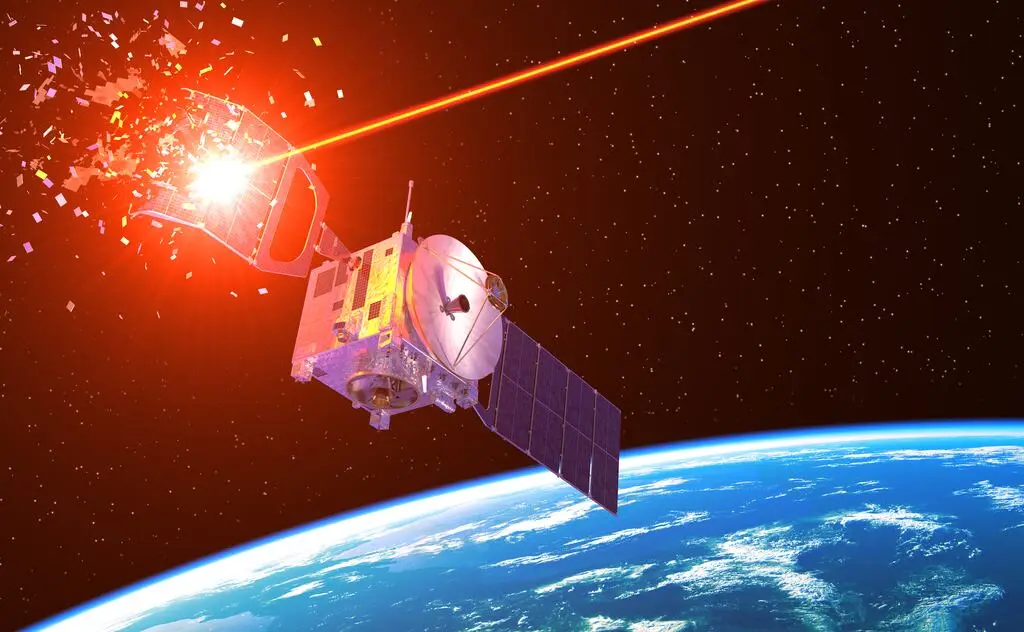
The big question
Space weapons promise global reach and instant strikes, but law and physics limit what can fly and fire from orbit today, so fighter jets remain central to air power even as space becomes a new front for targeting and defence.
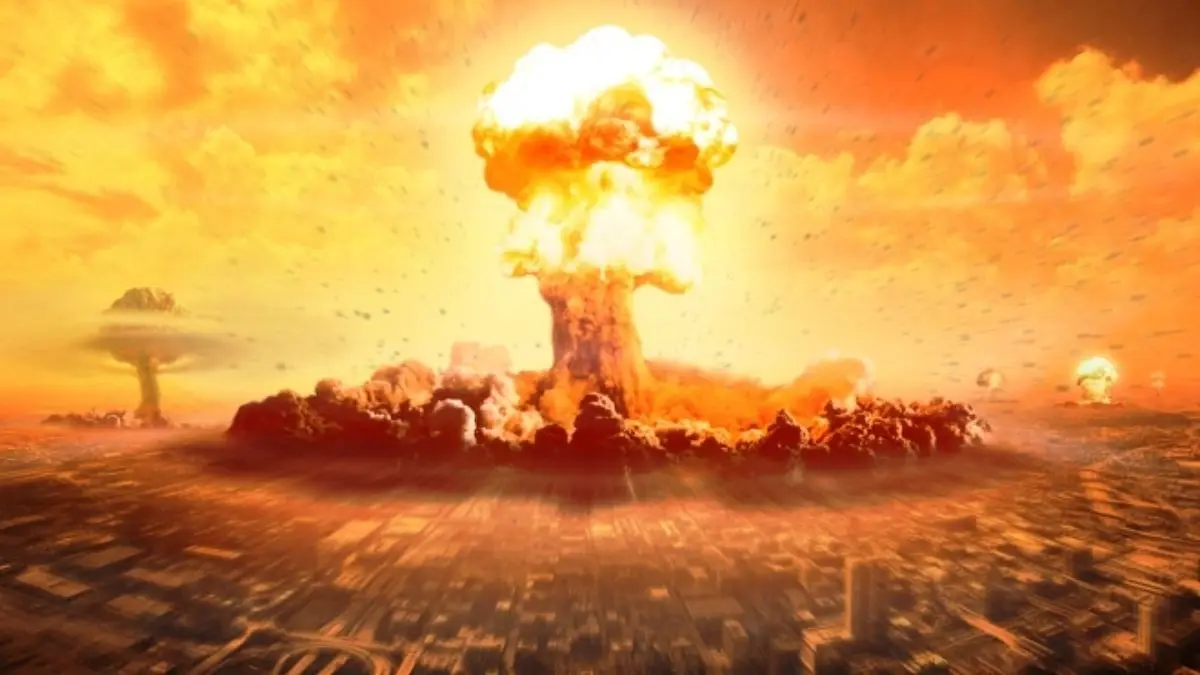
Treaties what is allowed
The Outer Space Treaty bans placing nuclear or other WMD in orbit or on celestial bodies but does not expressly ban all conventional weapons, leaving legal grey areas for non‑WMD ( weapons of mass destruction) systems and anti‑satellite operations.
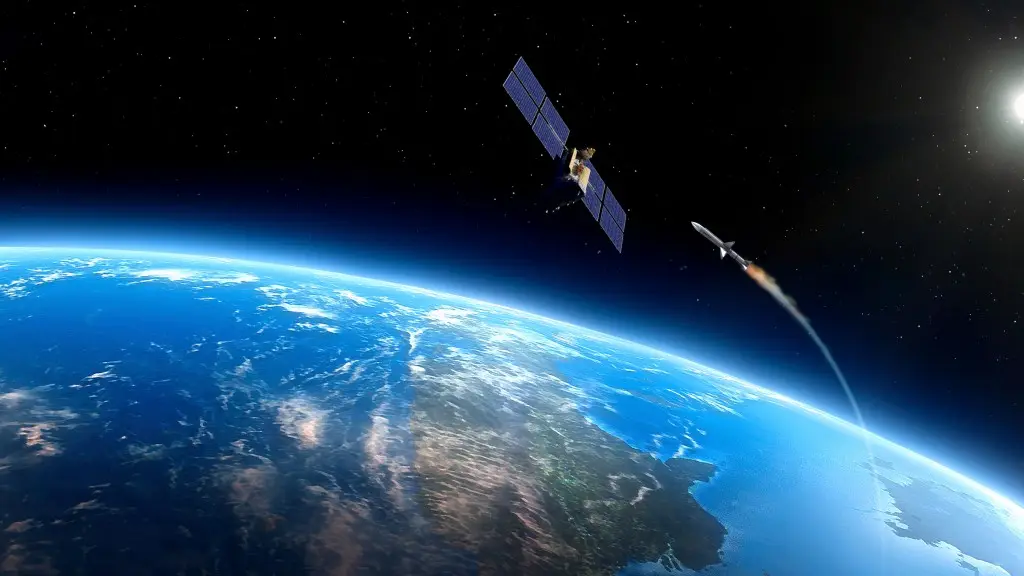
Anti‑satellite (ASAT) weapons real and risky
The US, Russia, China and India have demonstrated ASATs; debris‑creating tests like Russia’s 2021 strike on Cosmos‑1408 raised collision risks and drew global pushback, spurring calls to curb destructive testing.
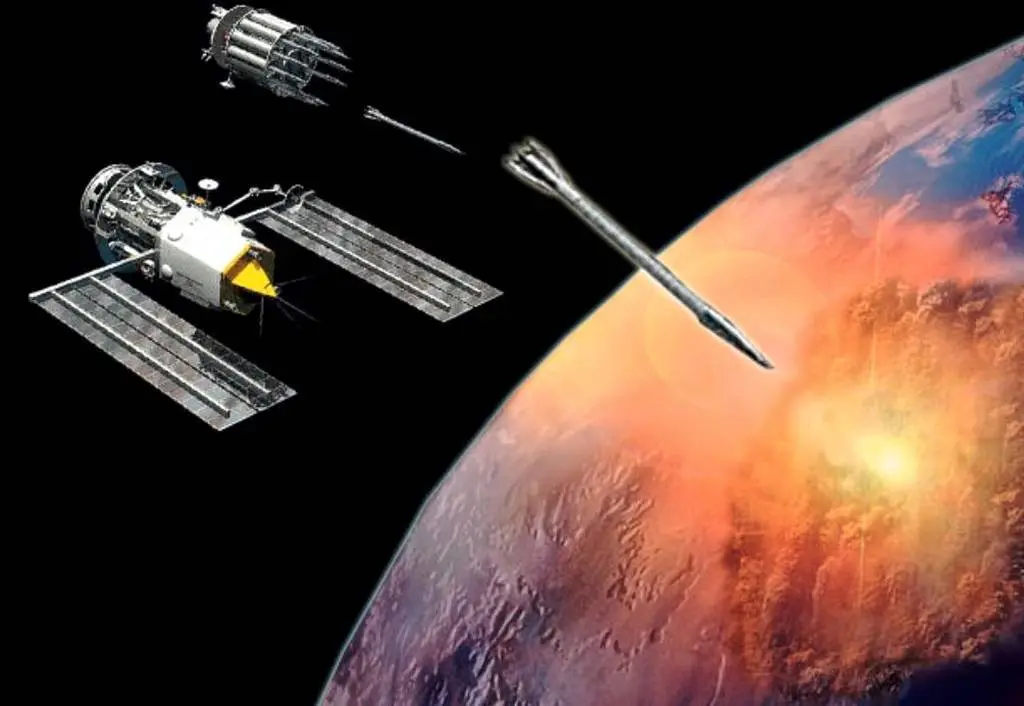
Kinetic bombardment concept
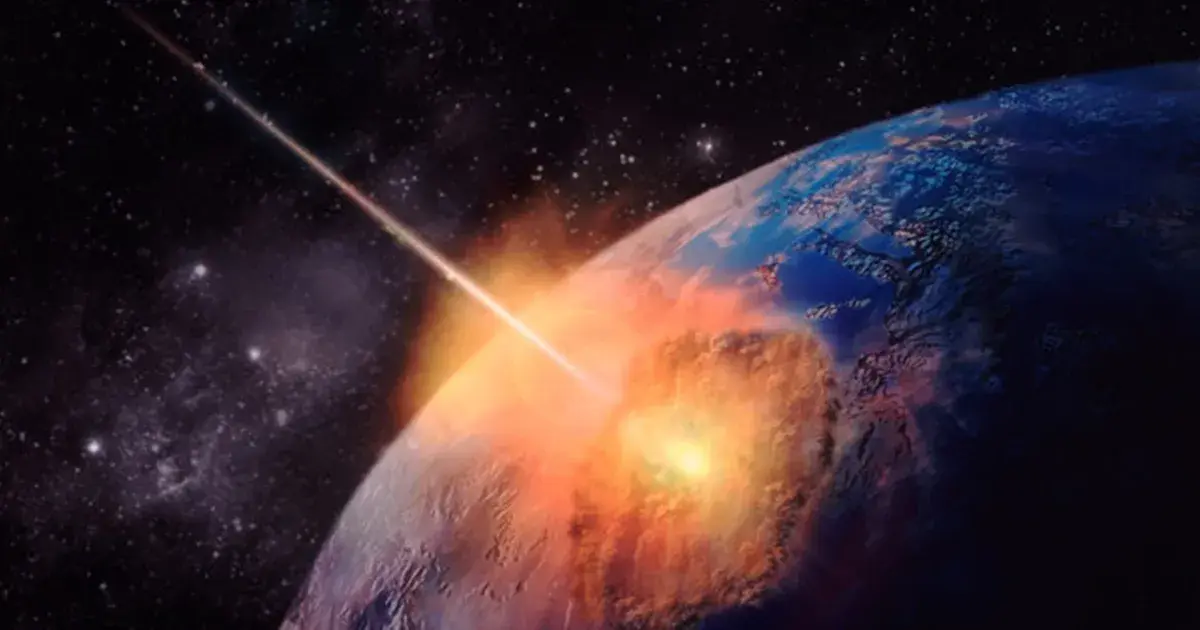
Kinetic orbital strike imagines de‑orbiting dense tungsten rods to hit with hypersonic impact, a non‑nuclear blast effect using gravity, but it remains theoretical due to cost, guidance, heating, and detectability challenges.
Does kinetic really work as imagined?
Experiments and analyses suggest such rods may not deliver bunker‑busting results as hoped, with material and terminal‑effect limits questioning popular claims about nuclear‑level devastation without fallout.
Other space weapon ideas
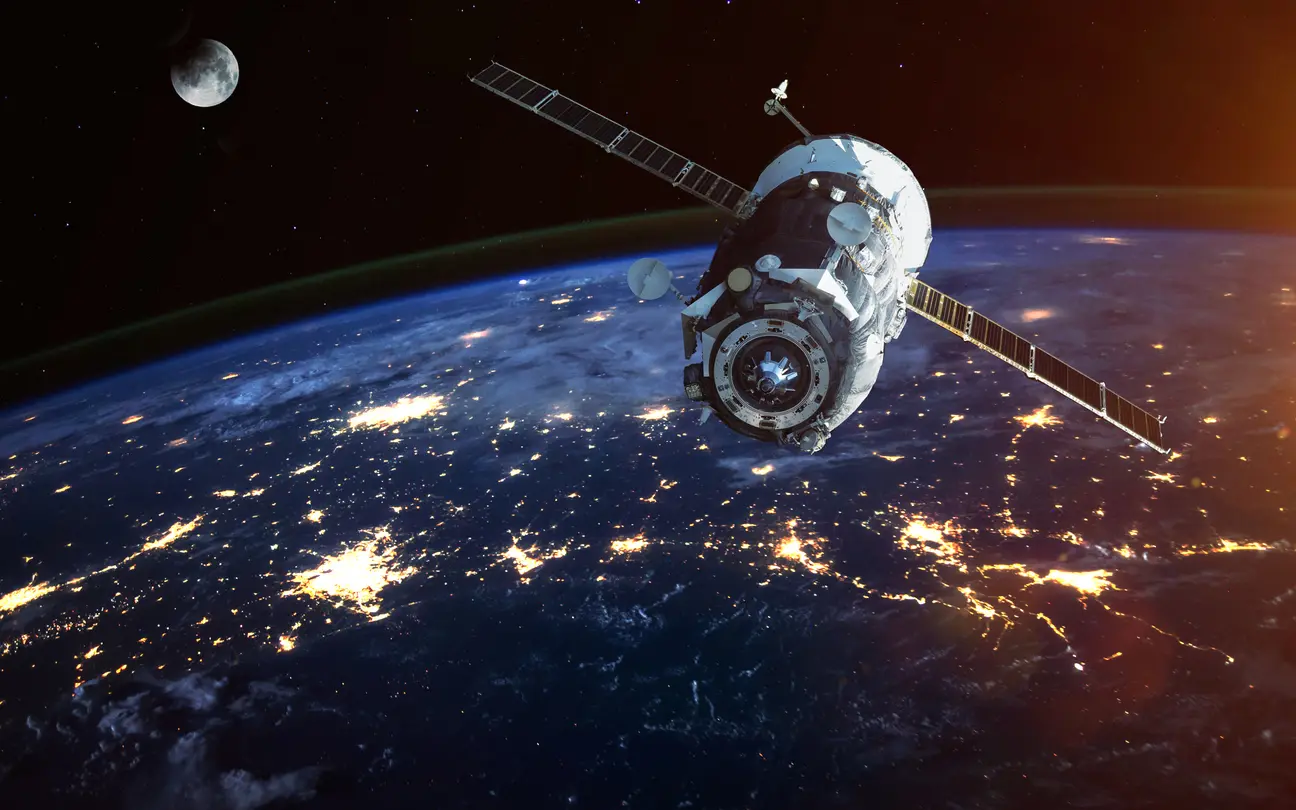
Concepts include directed‑energy platforms to dazzle or damage sensors and electronic attack on satellites, alongside co‑orbital “inspector” craft that could disrupt or grapple targets areas raising legal and escalation concerns.
Will space replace jets?
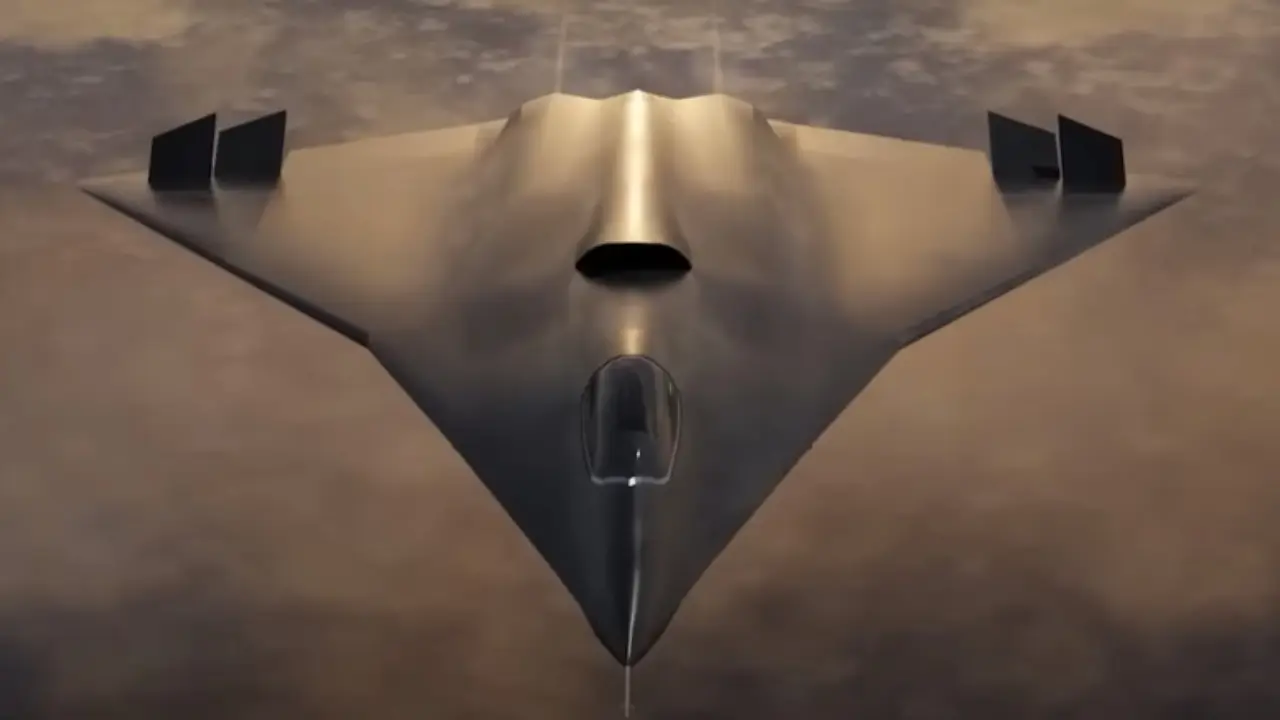
ASATs (Anti-satellite weapon) already shaping warfare by blinding or degrading networks, yet replacing fighters is unlikely soon; jets provide flexible, discriminate force, while space systems act as enablers and strategic deterrents under tight legal and debris constraints.
)
)
)
)
)