'Space lasers and 4K video': How NASA's Artemis II will livestream the Moon in 4K

By beaming near-infrared lasers across 240,000 miles of space to specialized ground stations on Earth, this high-speed “deep space internet” will transmit massive amounts of scientific data and deliver unprecedented, cinematic live streams of the lunar surface directly to global audiences.
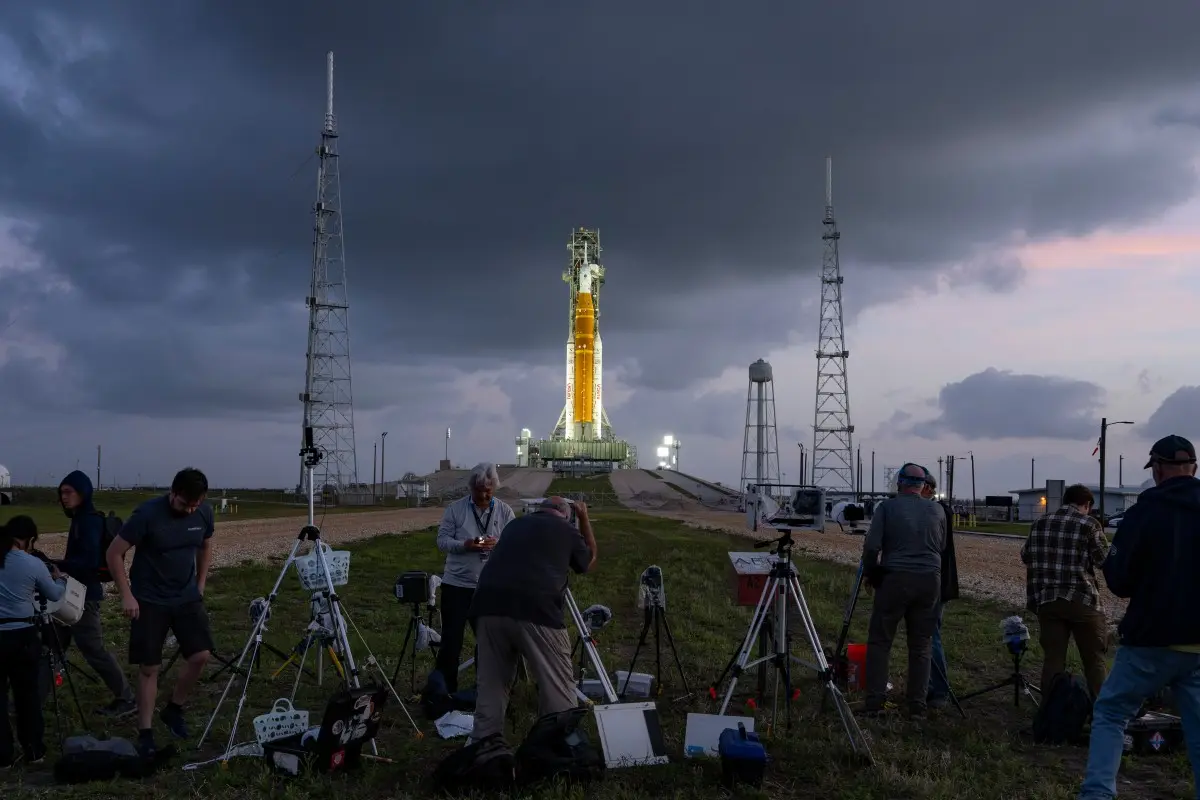
The End of the "Grainy Era"
When Neil Armstrong took his first steps on the Moon in 1969, a staggering 600 million people watched it happen—but through ghostly, low-resolution, black-and-white television signals. For Artemis II, NASA is completely overhauling how we experience deep space, promising to deliver the Moon to our living rooms in stunning 4K ultra-high-definition.
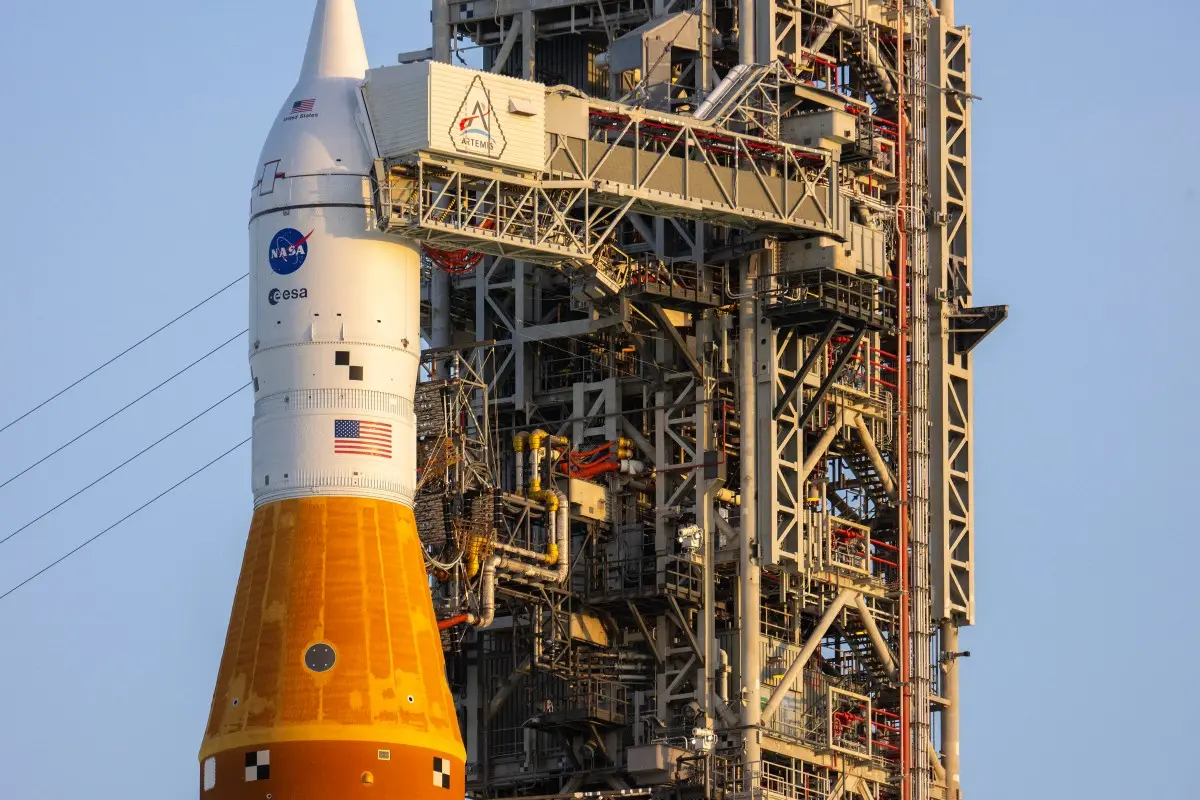
Enter the O2O System
To make this unprecedented broadcast possible, the Orion spacecraft is equipped with the Orion Artemis II Optical Communications System (O2O). This state-of-the-art terminal is a massive leap forward from the legacy systems used during the Apollo and Space Shuttle eras.
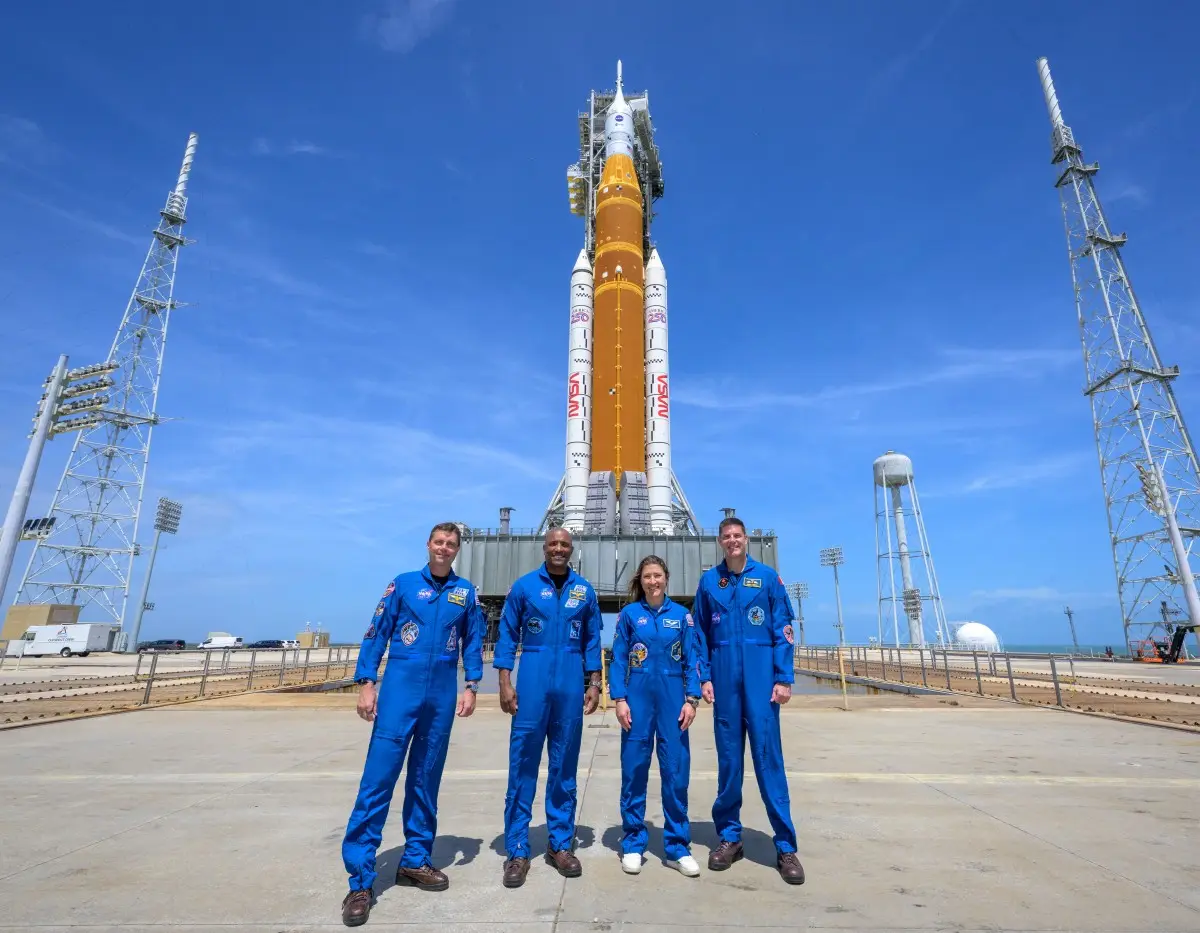
Trading Radio Waves for Lasers
For over 60 years, NASA has relied on radio frequency to talk to its spacecraft. However, radio waves have limited bandwidth. The O2O system abandons radio for laser communications, using near-infrared light. This tightly focused light packs data into much tighter waves, allowing Orion to beam back massive amounts of information at speeds up to 260 megabits per second.
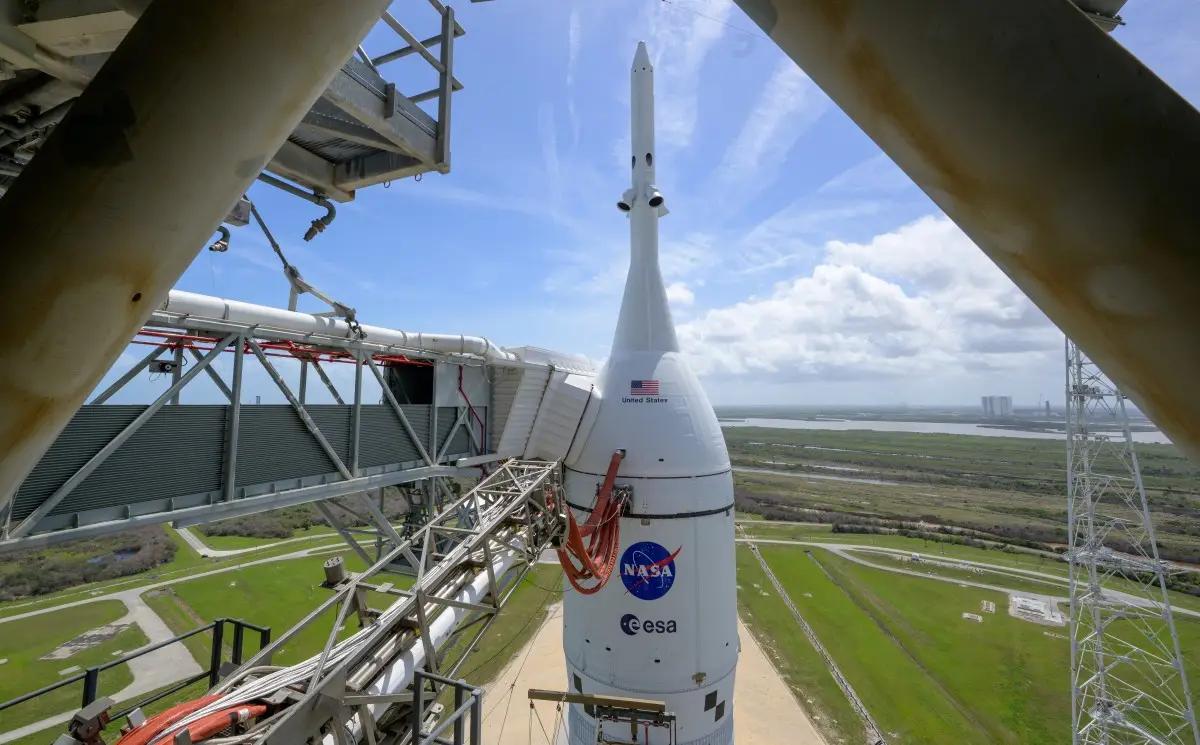
A Cosmic Game of Sniper
While lasers offer massive bandwidth, they require unimaginable precision. Pointing a laser from a spacecraft traveling thousands of miles an hour around the Moon to a receiver on Earth is akin to hitting a dime with a laser pointer from miles away. The O2O system features advanced vibration-isolation technology to keep the beam perfectly locked onto its earthly targets.

Catching the Light on Earth
The 4K video and mission data beamed from Orion won't just hit any satellite dish. NASA has upgraded two primary ground stations specifically to catch these lasers: the Optical Communications Telescope Laboratory in California and the White Sands Test Facility in New Mexico. Cloud cover can disrupt lasers, so having multiple receivers ensures uninterrupted transmission.
Beyond Just Good PR
While giving the public a breathtaking view of the lunar far side is a major goal, the O2O system isn't just for cinematic live streams. The massive increase in bandwidth means astronauts can send vital, complex scientific data, high-resolution telemetry, and detailed operational procedures back to Mission Control in seconds rather than hours.
Building the Deep Space Internet
The success of the O2O system on Artemis II will lay the groundwork for humanity's future in the solar system. By proving that high-speed, high-bandwidth optical communication works over a 240,000-mile gap, NASA is essentially laying the fiber-optic cables for a future interplanetary internet, preparing us for the ultimate broadcast: the first human steps on Mars.
)
)
)
)
)