Space AI: What if satellites became supercomputers in orbit?

China has launched 12 AI-powered satellites. Space technology is entering a new era where satellites are not just data collectors but smart processors. Because of the upcoming artificial intelligence (AI), satellites could process huge amounts of information directly in space.
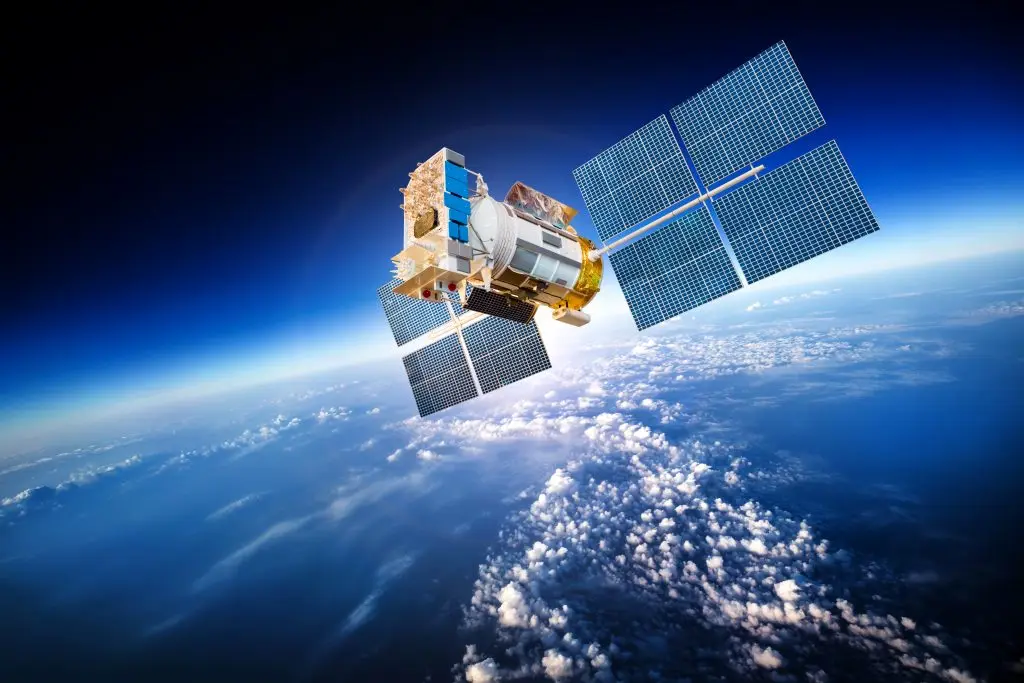
China 12 AI-powered satellites
China has launched 12 AI-powered satellites forming the first step of a planned constellation of 2,800 satellites. This network, called the Three-Body Computing Constellation, can perform 744 trillion operations per second per satellite, processing data onboard instead of sending it back to Earth.
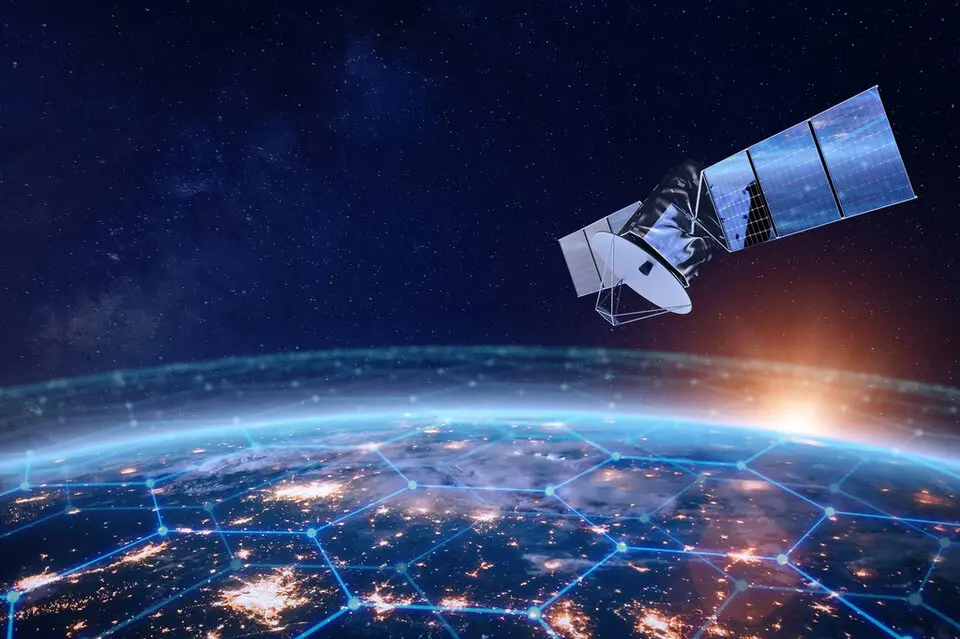
Benefits of Space Supercomputers
Processing data in orbit reduces delays and the heavy load on Earth-based stations. These space supercomputers use solar power and radiate heat naturally in space, making them energy efficient and environmentally friendly compared to large Earth data centres.
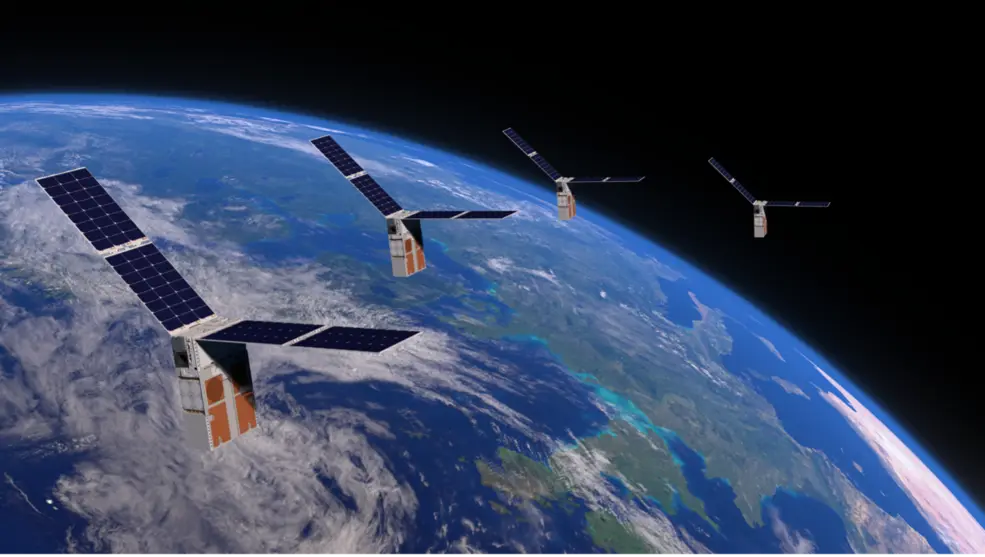
Real-Time Decisions and Autonomy
AI lets satellites make their own choices. For example, NASA’s Dynamic Targeting tech allows satellites to decide where to focus sensors finding wildfires or storms immediately instead of waiting for human commands.
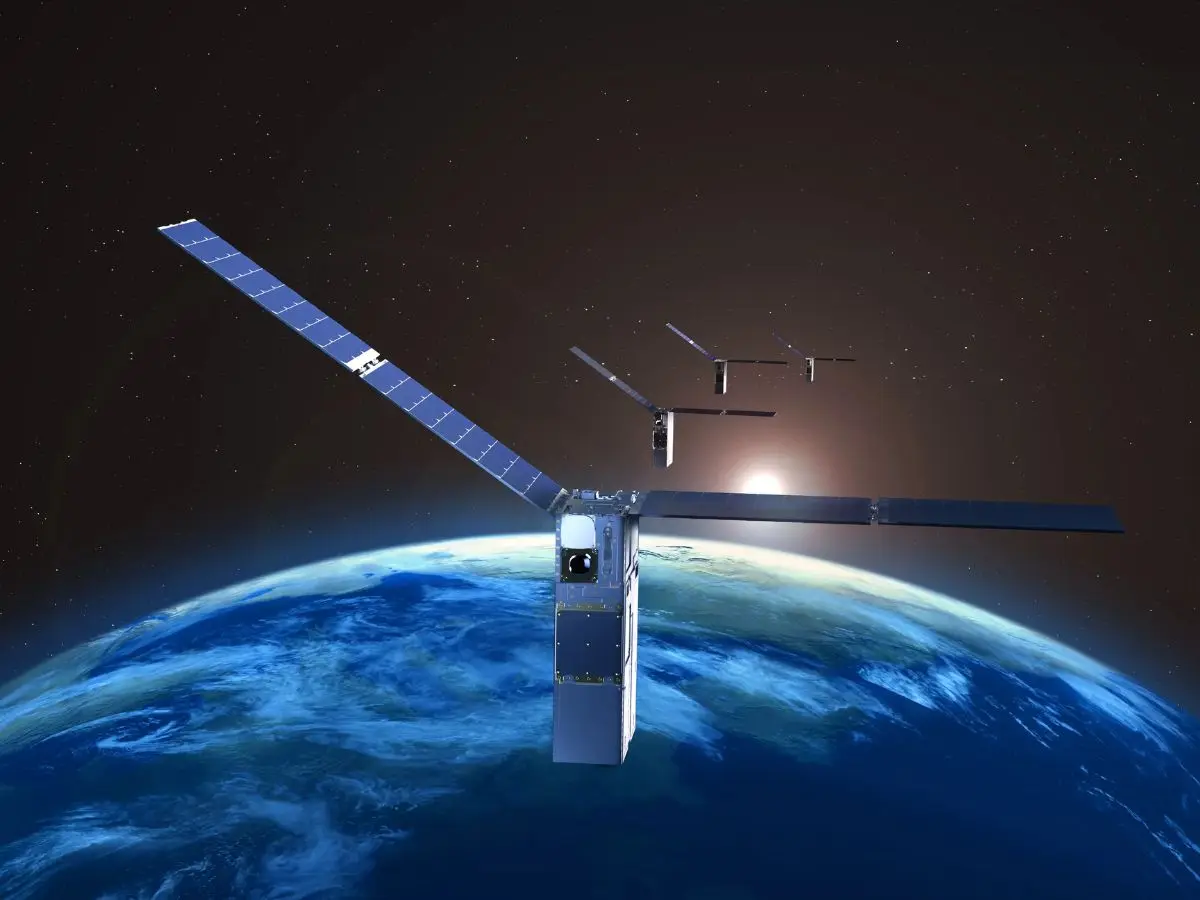
Applications Beyond Earth
Space supercomputers will help in climate monitoring, disaster response, and scientific research. They might also support deep space missions, allowing spacecraft to process data and operate independently far from Earth.
What the Future Holds
China's project is just the beginning. The US and EU show interest in similar space computing networks. As AI grows in space, satellites may transform from simple eyes in orbit into smart guardians of our planet and beyond.
)
)
)
)
)