Sonic booms from the sky: What fighter jets sound like at 40,000 feet

At 40,000ft, the speed of sound is lower than at sea level. High-altitude bends sound upward, so cruise noise is often faint on the ground, and even sonic booms may not be heard.
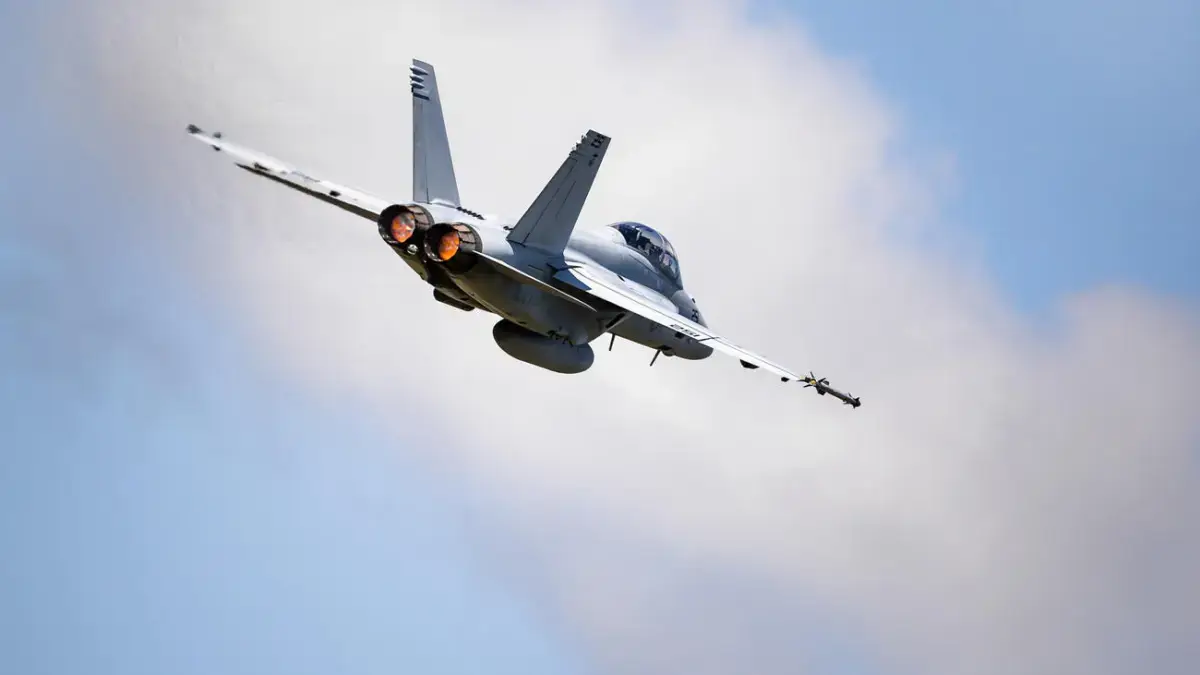
What changes at 40,000 feet
High up, the air is thin and very cold. Sound moves slower in cold air. So “Mach 1” (the speed of sound) is lower at 40,000 feet than at sea level. Depending on the temperature, Mach 1 up there is roughly 588-688 miles per hour. Pilots use Mach numbers because Mach automatically adjusts for altitude and temperature.
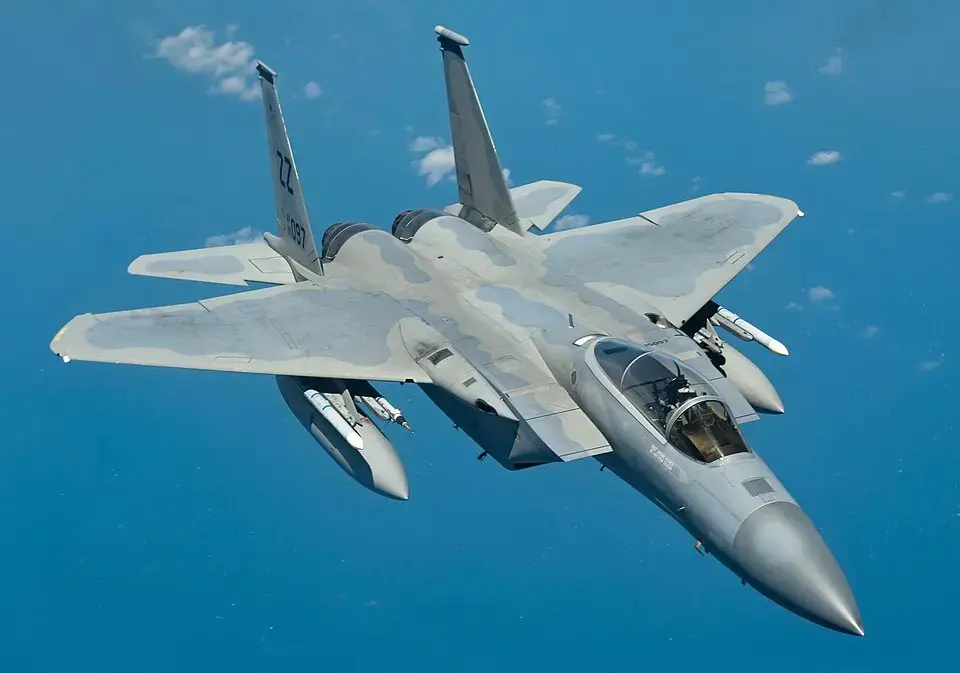
Why jets seem quieter overhead
As air gets colder with height, sound tends to bend upward. That means less sound travels down towards the ground. A sonic boom only reaches the ground if the jet is going faster than sound in the air near the ground, not just faster than sound at its flying height.
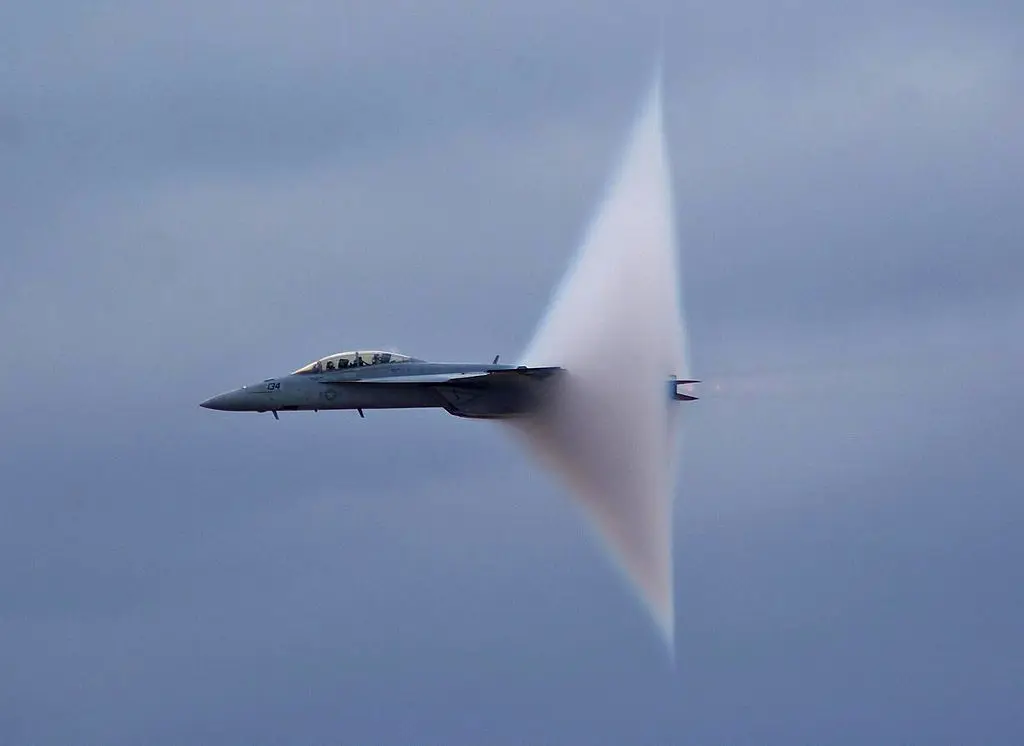
Sonic boom - jet flies faster than sound
A sonic boom is a shockwave that follows a jet when it breaks the sound barrier. People on the ground hear it a little after the jet passes. How loud it is depends on how high the jet is, the weather, and the landscape. These can make the boom seem stronger or weaker.
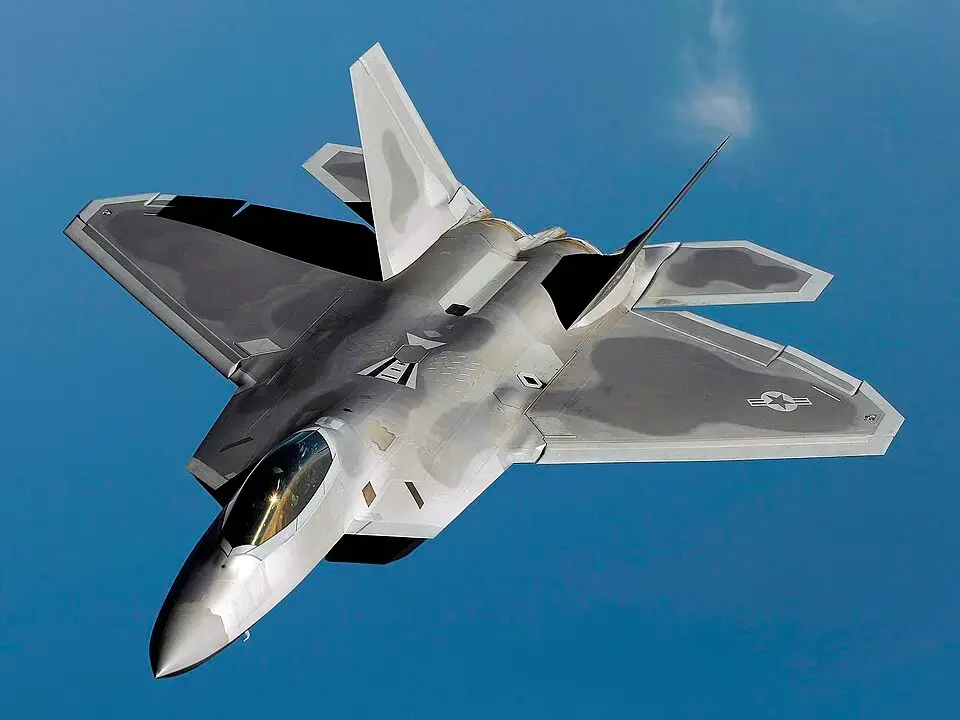
How fast is Mach at cruise
Mach speed changes with height. For example, at about 30,000 feet, Mach 1 is near 700 mph. At 40,000 feet, some charts say about 688 mph, others about 588 mph, because they use different temperatures. That is why Mach 0.85 at one height is not the same true airspeed as Mach 0.85 at another height.
Decibels - How loud are fighters up close
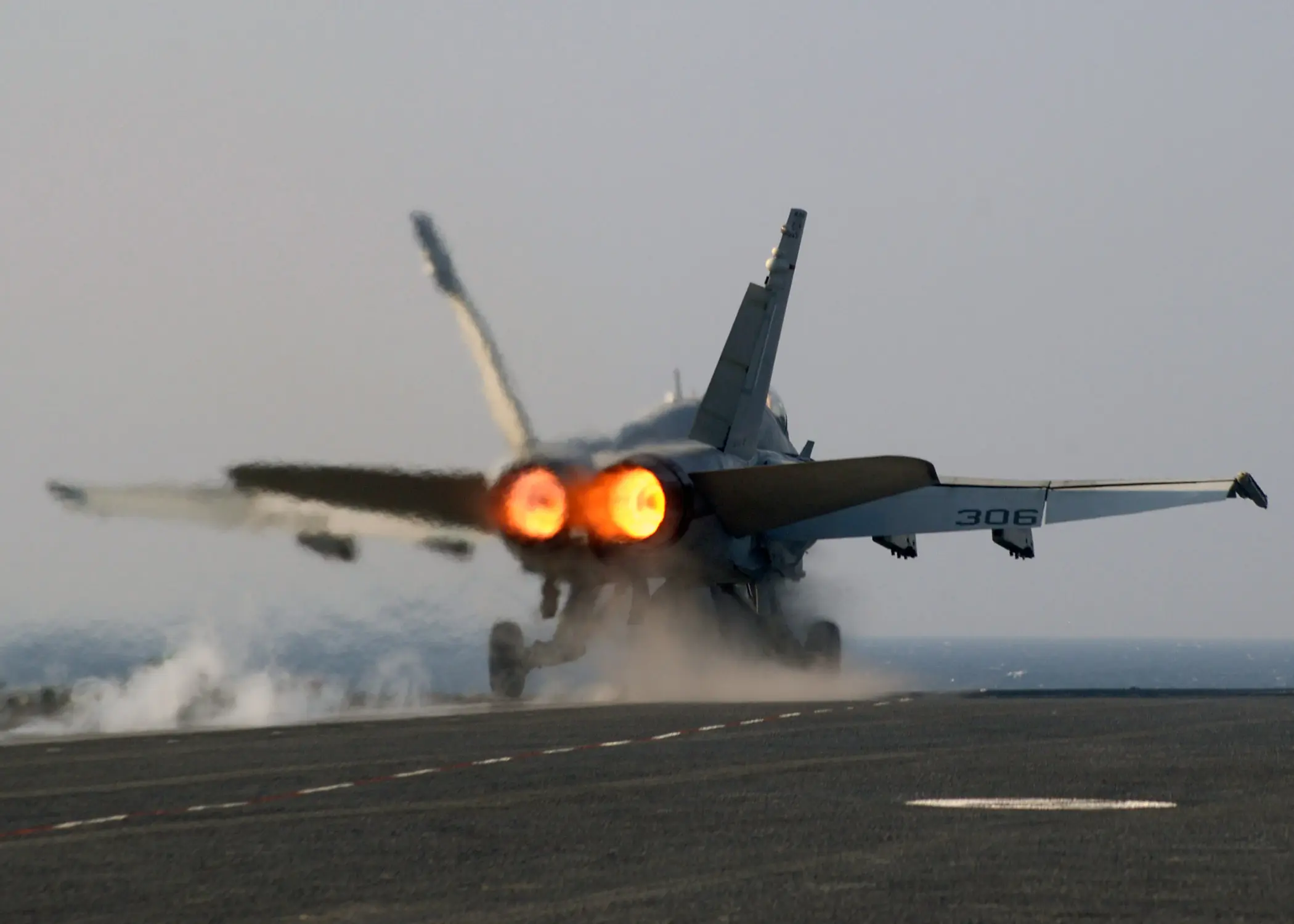
On take-off with afterburner, a fighter can be 130-150 decibels just tens of metres away. That can damage hearing very quickly without ear protection. Even 1,000 feet to the side, it can still be around 100 decibels. Noise drops as you get farther away and as the jet flies higher.
Why cruise sounds faint on the ground
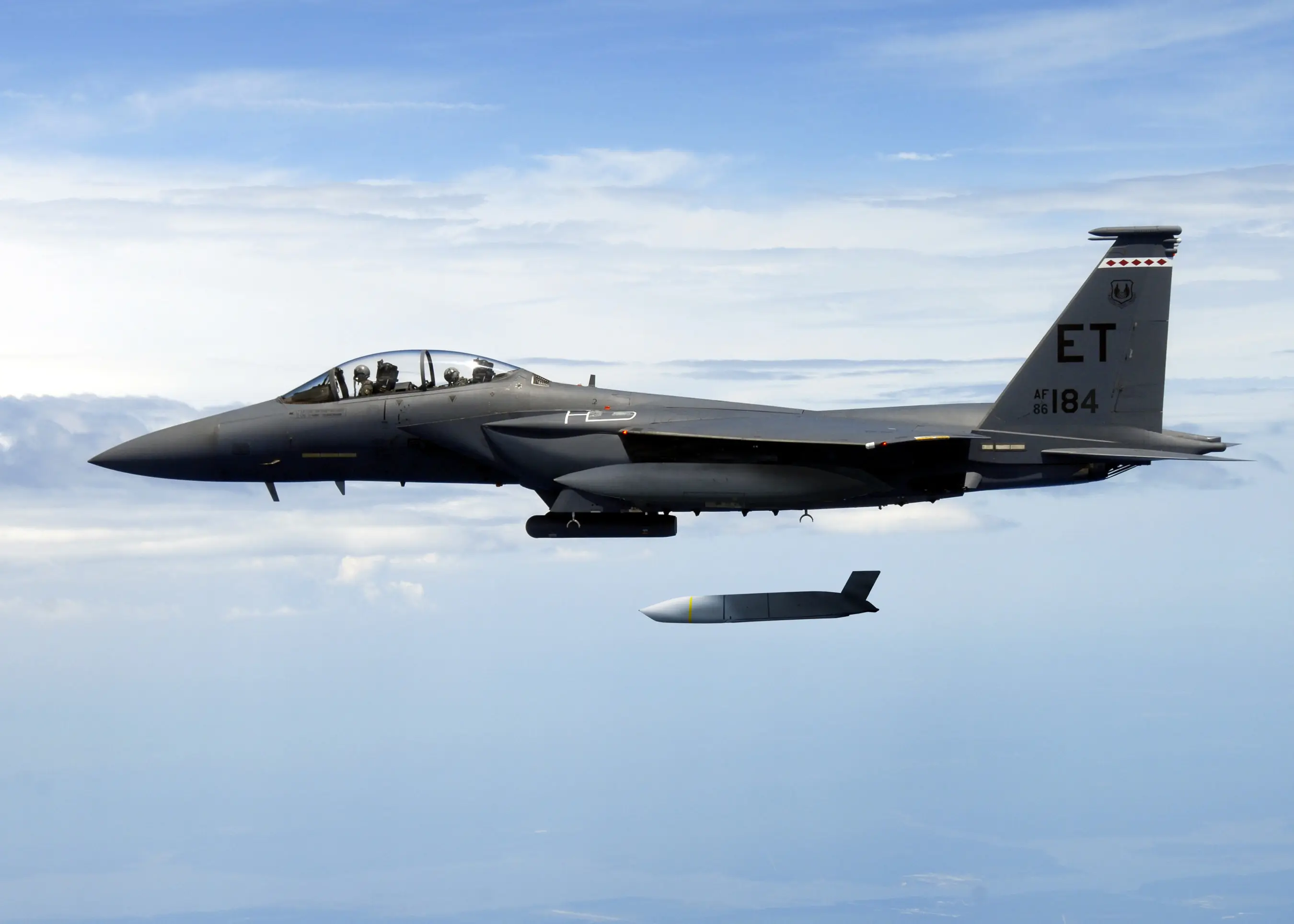
At 40,000 feet, engines run smoothly and the jet is very far away. Often, you hear only a faint hiss or nothing at all. Unless the jet goes supersonic and the boom reaches the ground, most of the sound fades before it gets to people below.
What a pilot hears versus what we hear
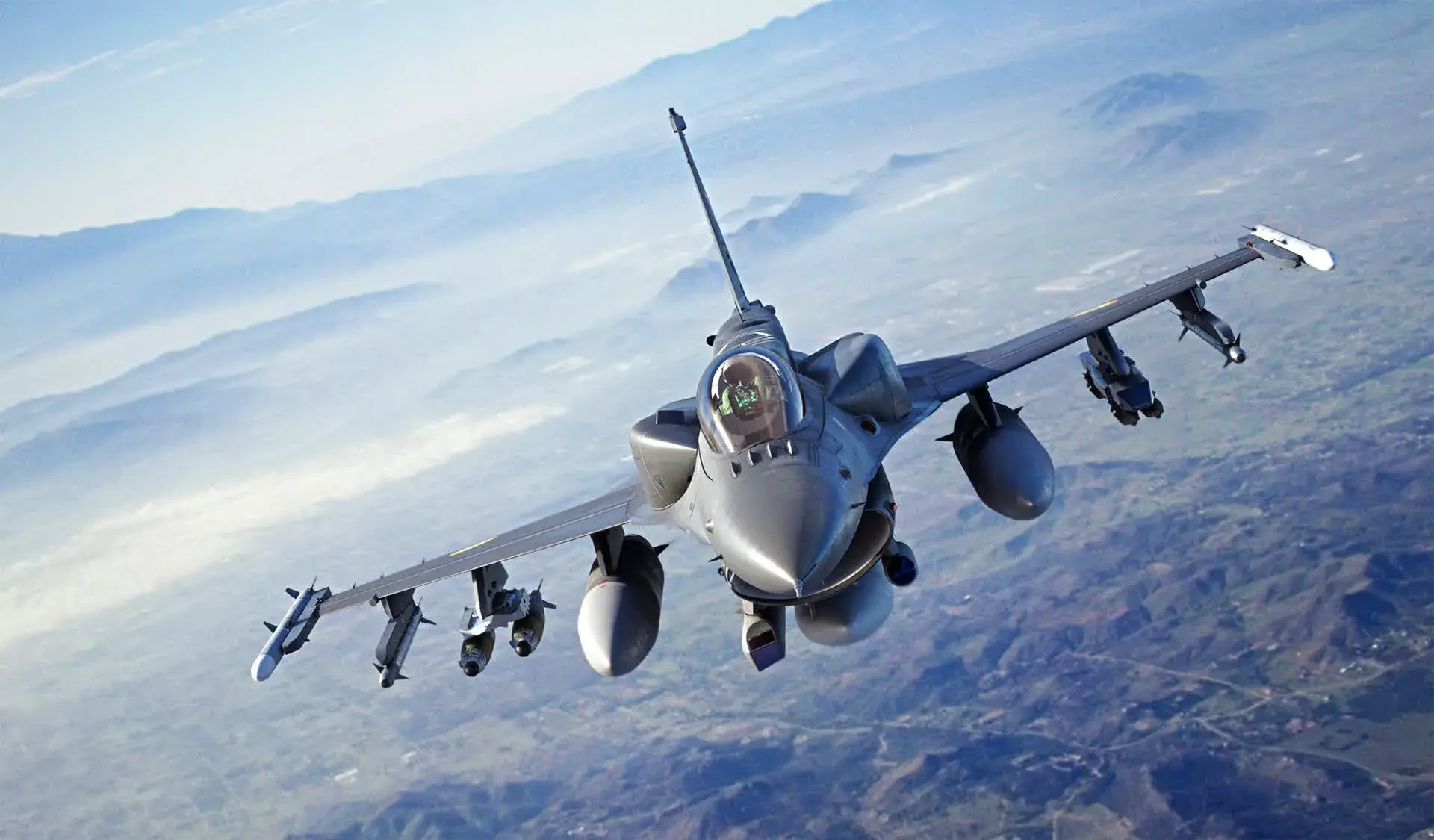
In the cockpit, pilots hear reduced engine and wind noise because of insulation and their helmets. On the ground, far below, the sound is much weaker. Pilots talk about speed in Mach, not miles per hour, because the speed of sound changes with height and temperature.
)
)
)
)
)