'Solid Waste': How the USS Abraham Lincoln safely disposes of tons of daily trash

The USS Abraham Lincoln uses industrial pulpers, compressed melt units, and incinerators to safely process tonnes of daily solid waste from 5,000 sailors, ensuring zero plastics enter the ocean.
5,000 sailors generate tonnes
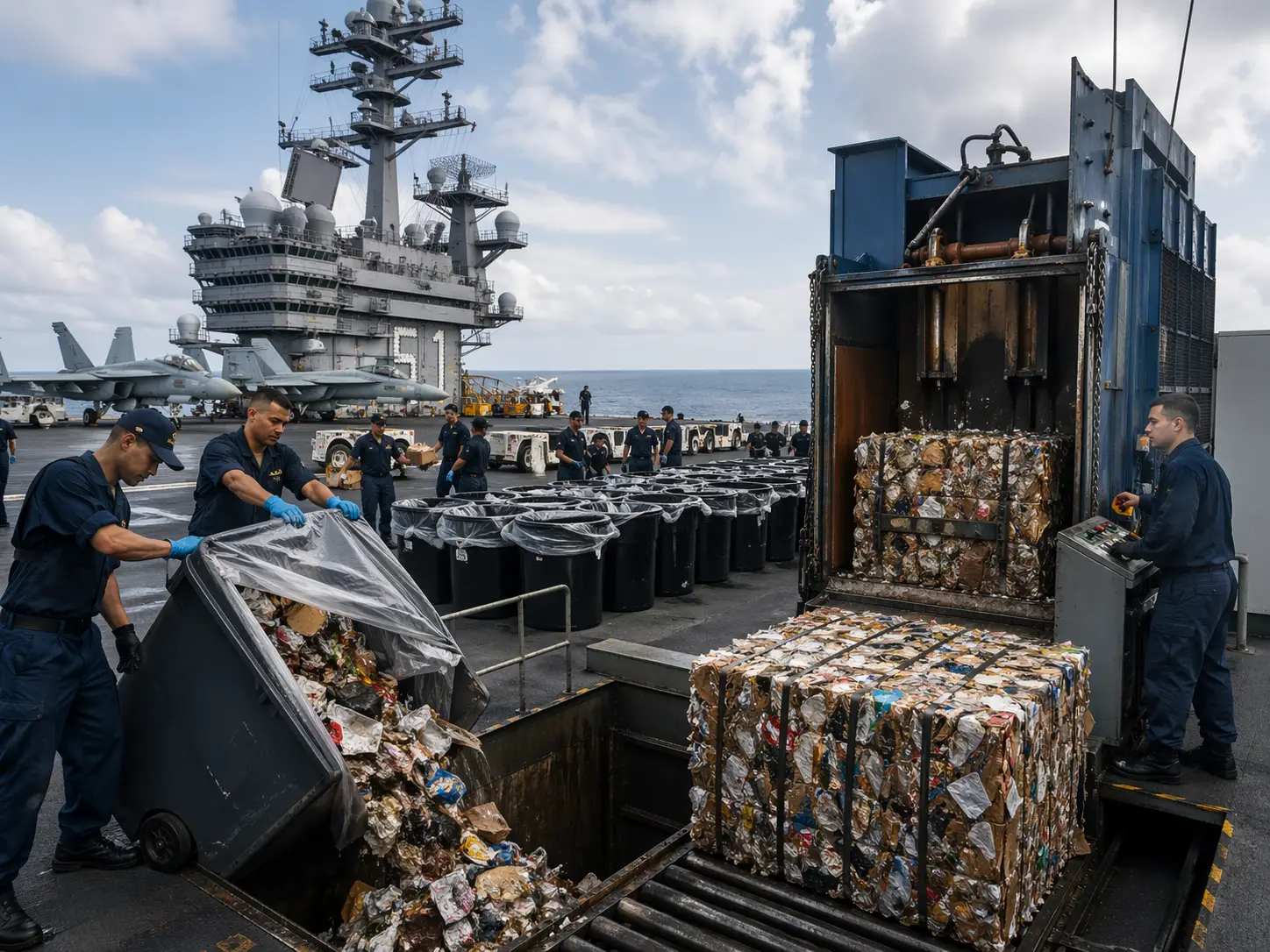
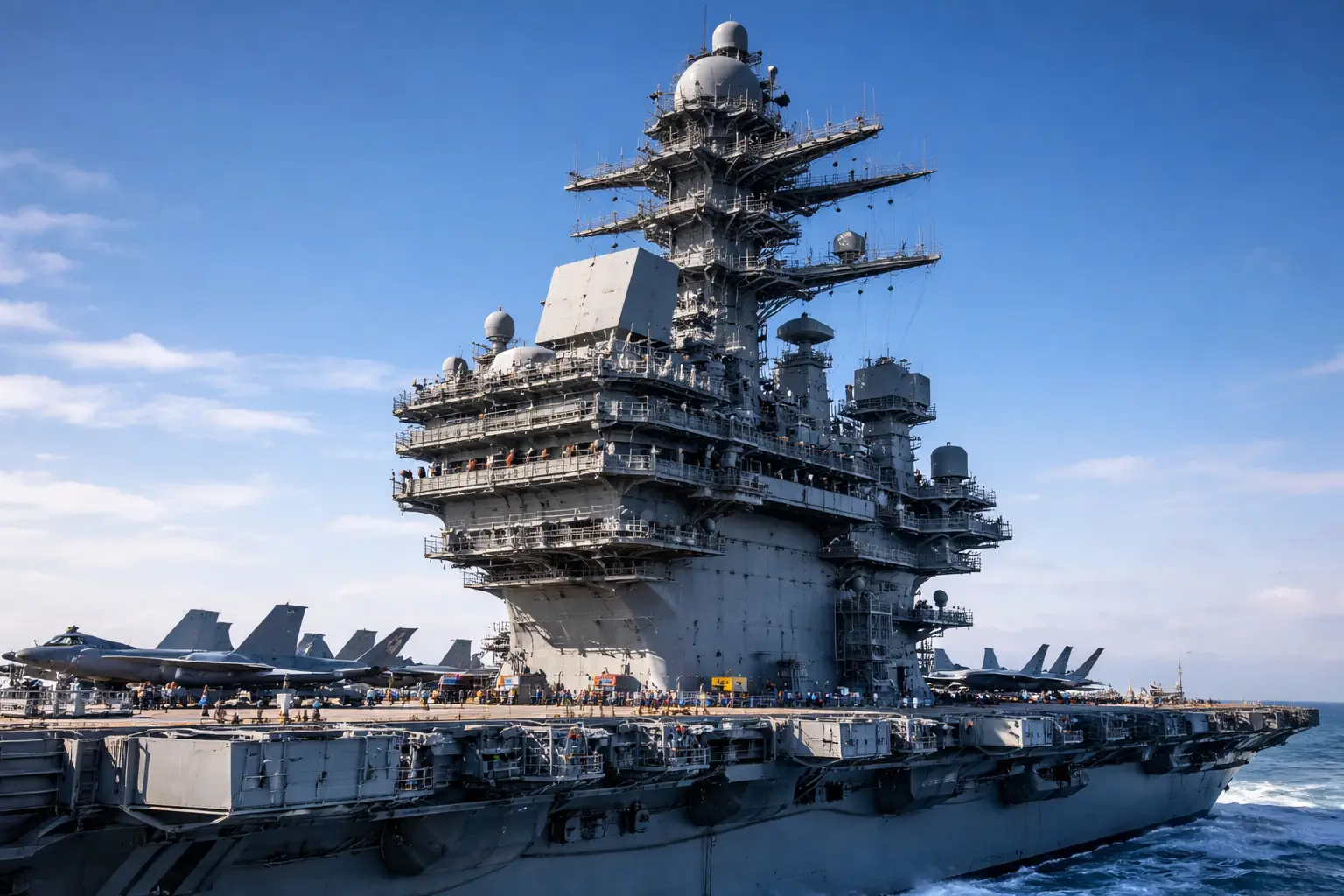
The USS Abraham Lincoln houses over 5,000 crew members who produce thousands of kilogrammes of rubbish daily. Managing this volume requires an around-the-clock waste division. Sailors maintain constant watches to keep the processing rooms running efficiently.
4 strict waste categories
Shipboard solid waste management relies completely on meticulous sorting by the crew. Sailors must separate their trash into four distinct groups: pulpables, burnables, plastics, and metals. Mixing the wrong waste can easily damage the ship's disposal equipment.
0 plastics discharged overboard
The US Navy strictly enforces a zero-discharge policy for plastics in the ocean. Sailors use a compressed melt unit to process all plastic waste on the carrier. This machine melts and compresses plastic bags and bottles into dense disks.
30-to-1 plastic volume reduction
The compressed melt unit dramatically shrinks plastic waste, achieving a 30-to-1 volume reduction. The resulting plastic pucks are roughly the size of a large pizza. The crew safely stores these solid disks onboard until they can be properly recycled in port.
100s of cans shredded
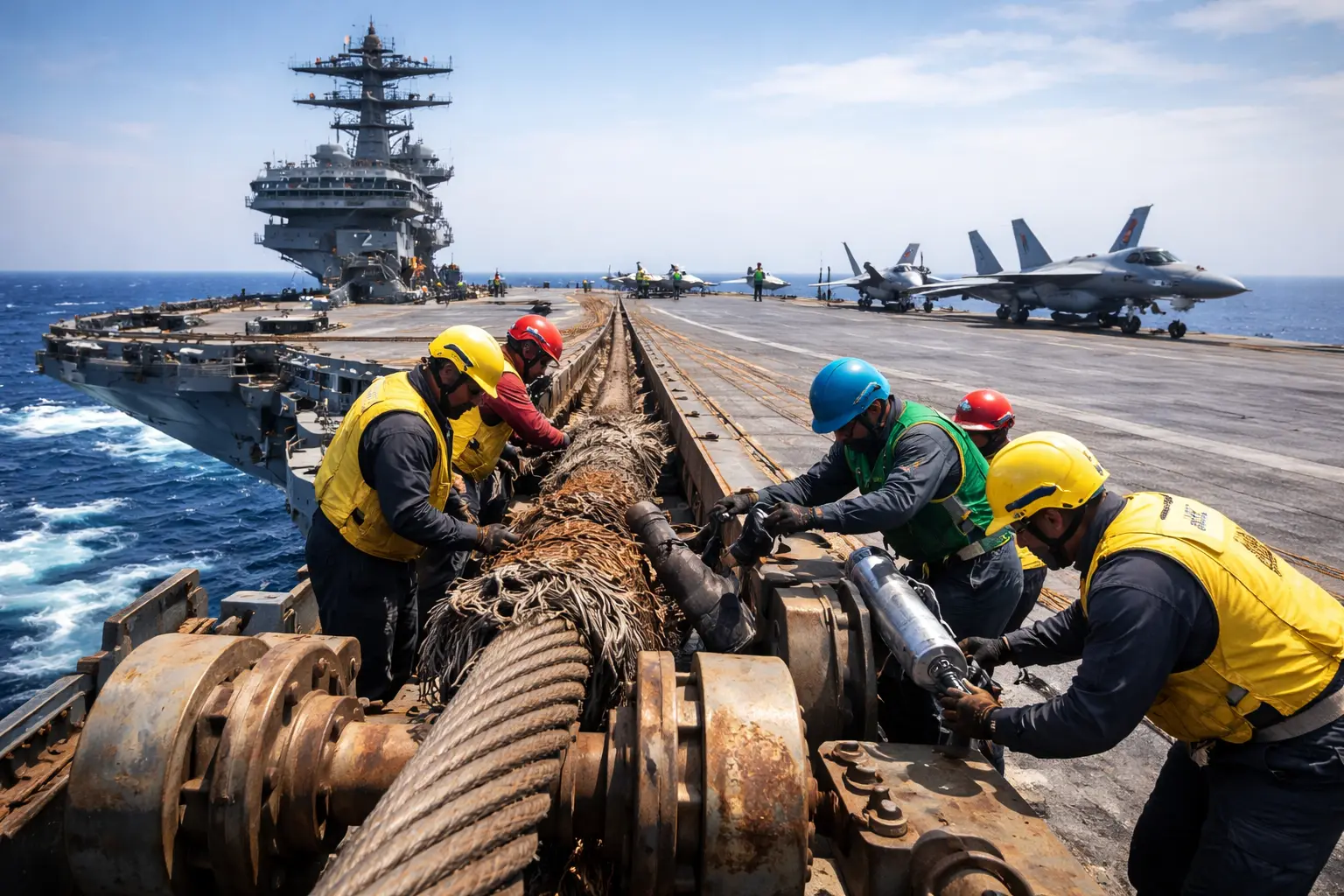
The engineering team uses industrial shredders to break down metal cans and glass bottles. Unlike plastic, the Navy is allowed to discharge processed metal into the deep ocean. Shredded metals go inside heavy burlap sacks before being safely thrown overboard.
2nd machine pulps food
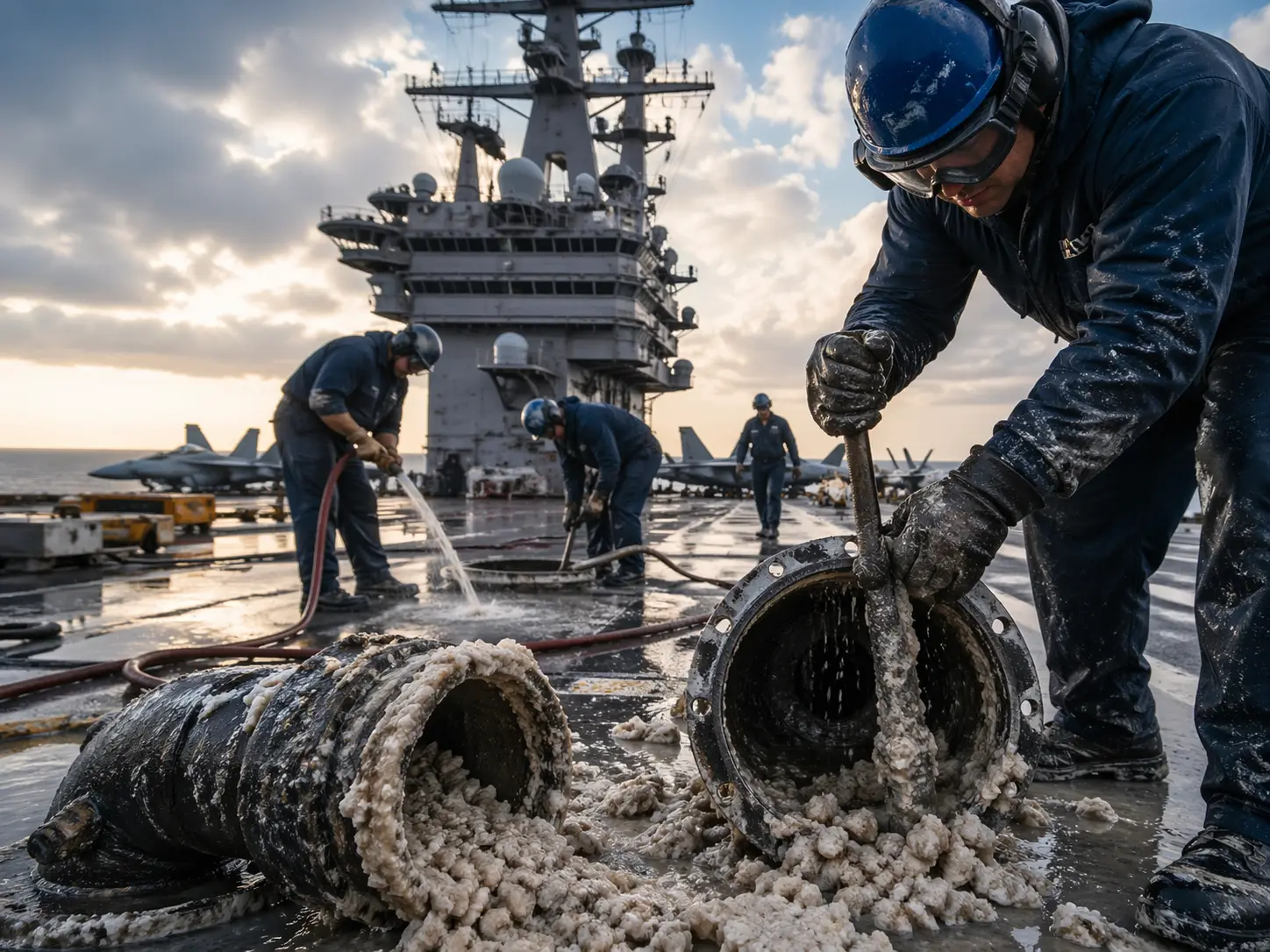
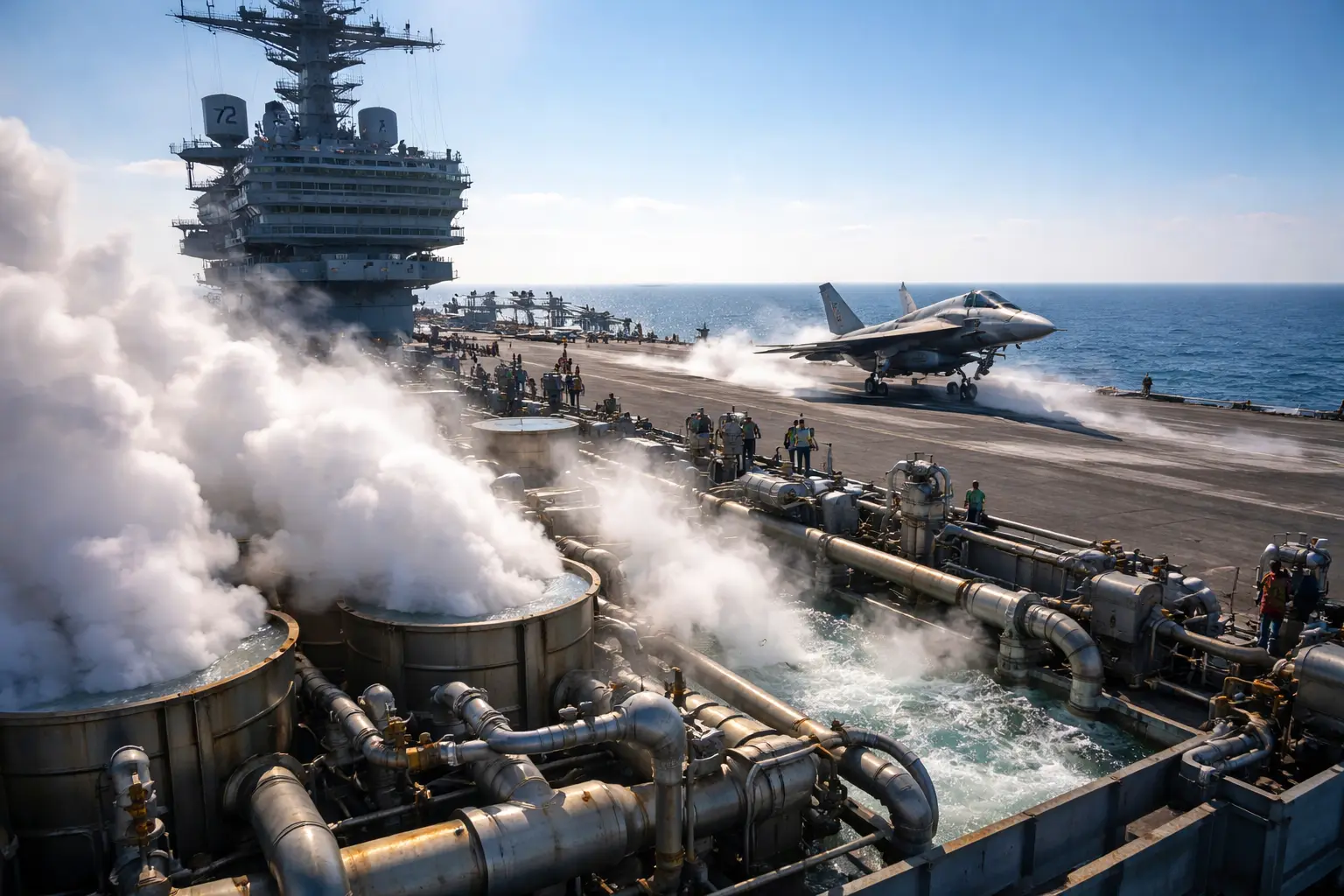
Food waste, paper, and cardboard make up a large portion of the carrier's rubbish. Sailors feed these materials into a solid waste pulper. The machine shreds the waste and mixes it with seawater to form a biodegradable marine slurry.
1 aft shipboard incinerator
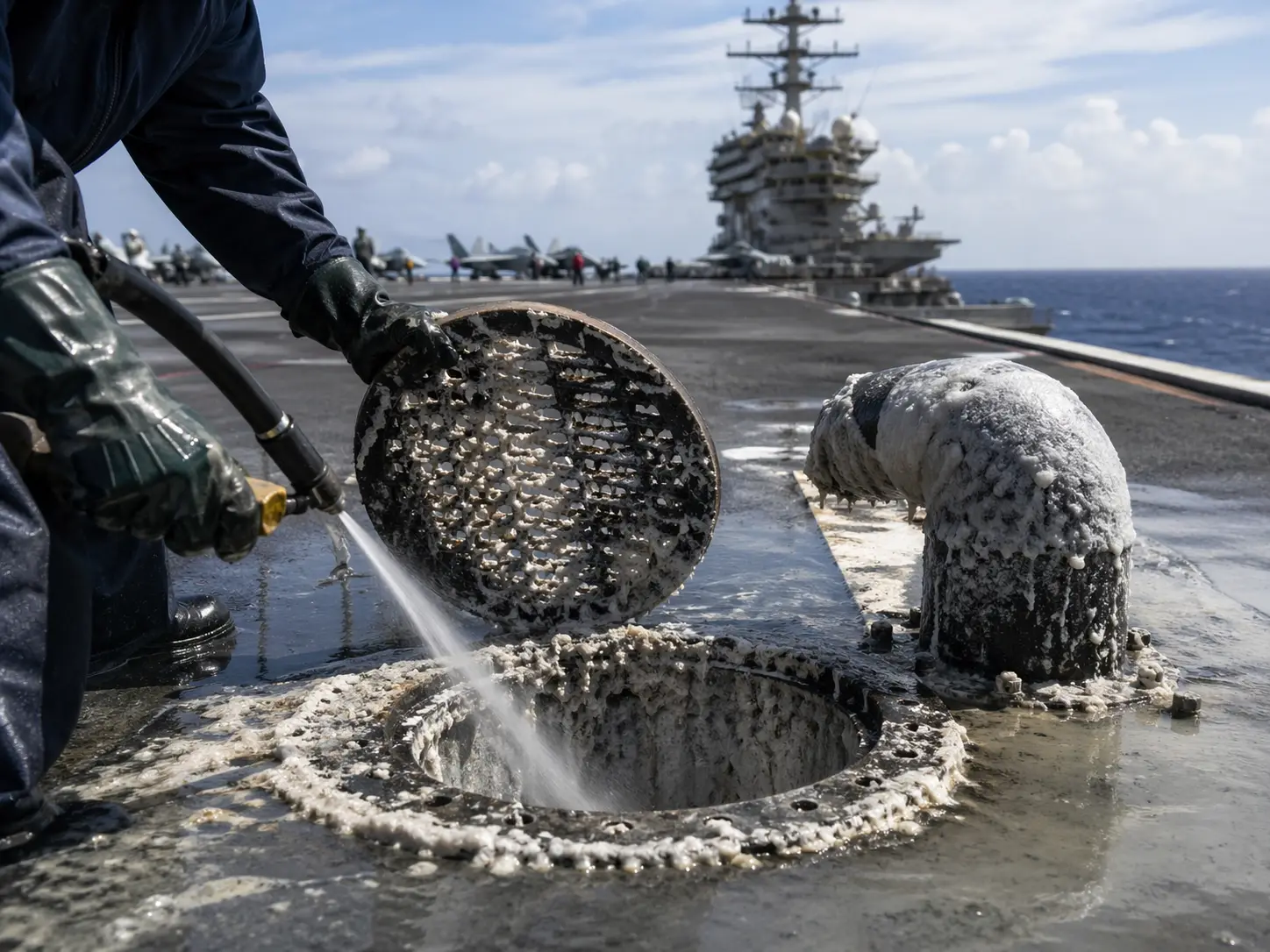
The final category of waste involves burnable materials like wood, textiles, and dirty rags. The crew sends these specific items to the aft trash room to be incinerated. This safely destroys combustible materials and prevents any marine contamination.
)

)
)
)