Irony strikes! Solar Impulse 2, the plane that flew around the world on sunlight crashes after electrical failure | In Pics

Solar Impulse 2 once made history by circling the globe on sunlight alone, proving solar aviation was possible. But the revolutionary aircraft’s story has now taken a dramatic turn, ending not in triumph, but at the bottom of the Gulf of Mexico. Scroll down for pics and more.
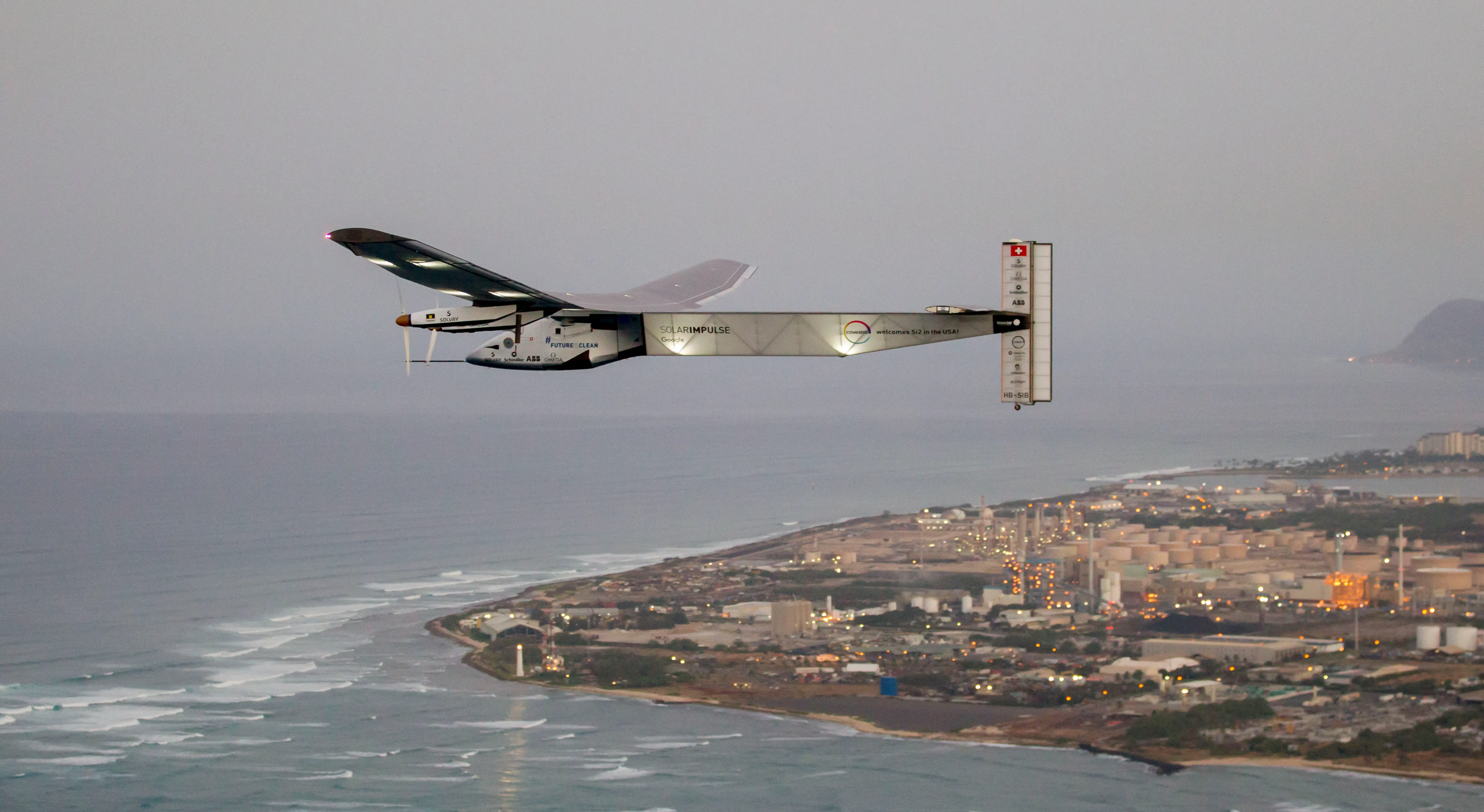
Irony strikes! Historic solar plane crashes due to... electrical failure
At 6:22 AM on May 4, 2026, Solar Impulse 2 crashed into the Gulf of Mexico. The irony is almost too on the nose: The aircraft that proved solar power could carry humans around the entire planet crashed due to a catastrophic electrical failure during an autonomous test flight near Bay St. Louis, Mississippi.
The plane that was contractually destined for permanent display at Switzerland's Museum of Transport now rests on the ocean floor.
What was the Solar Impulse 2? Features and more
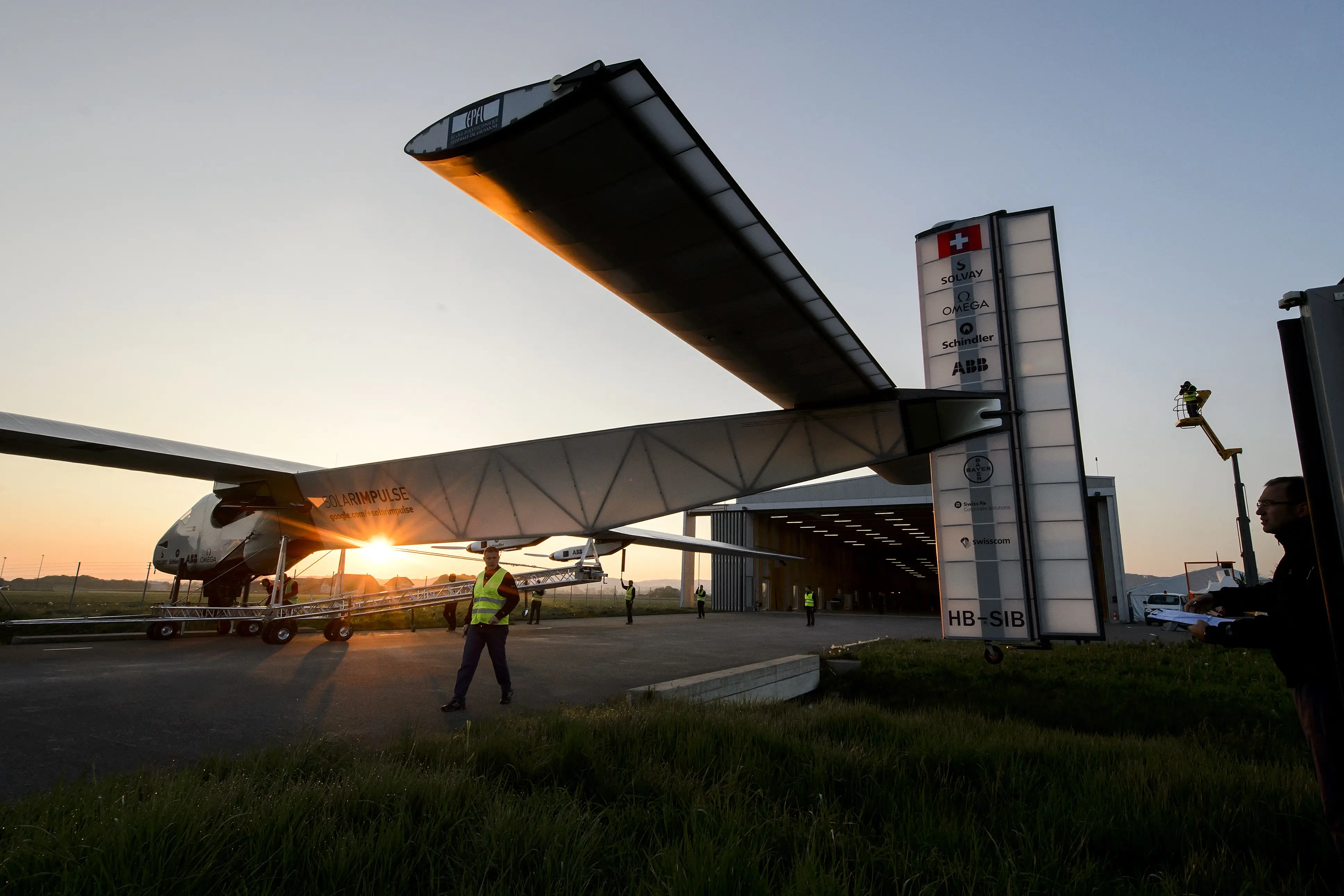
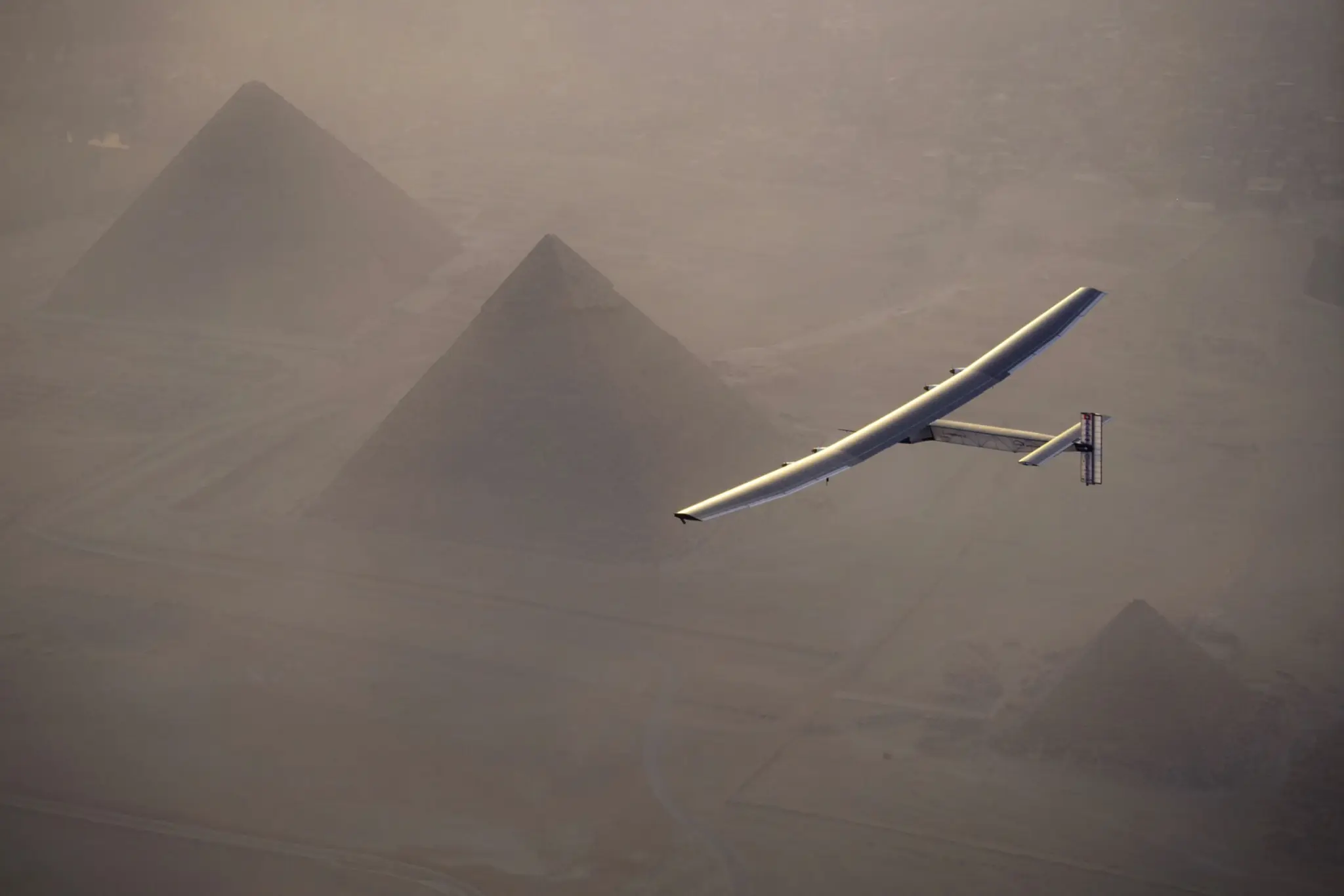
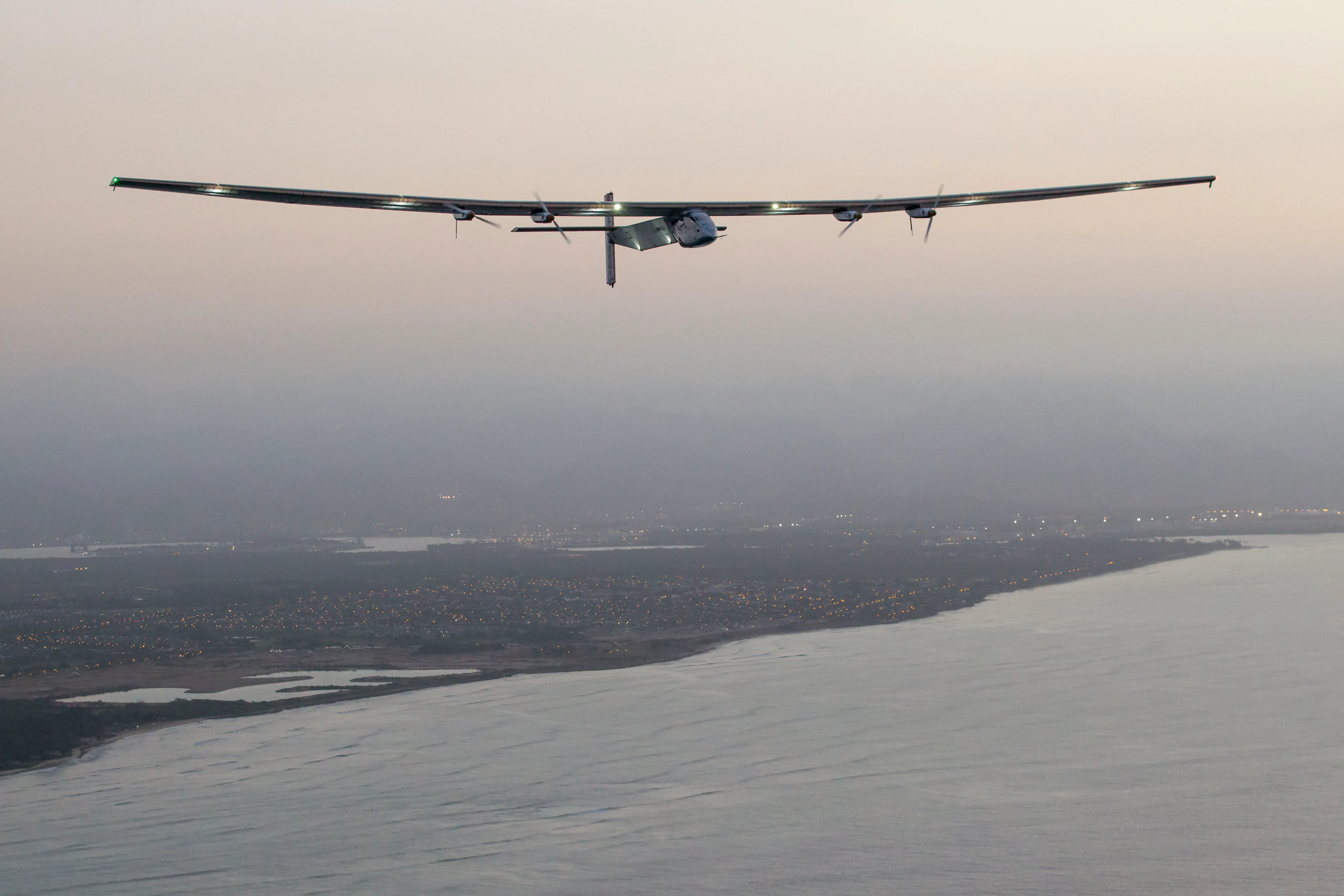
Solar Impulse 2 was, by almost any measure, an improbable machine. Its wingspan stretched 232 feet, wider than a Boeing 747, yet the entire aircraft weighed just 5,100 pounds.
It was built almost entirely from carbon fibre and was covered in 17,248 solar cells generating 66 kilowatts of peak power. During the day, those cells charged onboard batteries that kept the plane aloft through the night.
Its cruising speed ranged between 31 and 62 miles per hour, slower during nighttime battery segments than most highway traffic. It was essentially a giant flying wing powered by sunlight, moving at the pace of a fast bicycle.
Journey around the Earth: The flight that made history
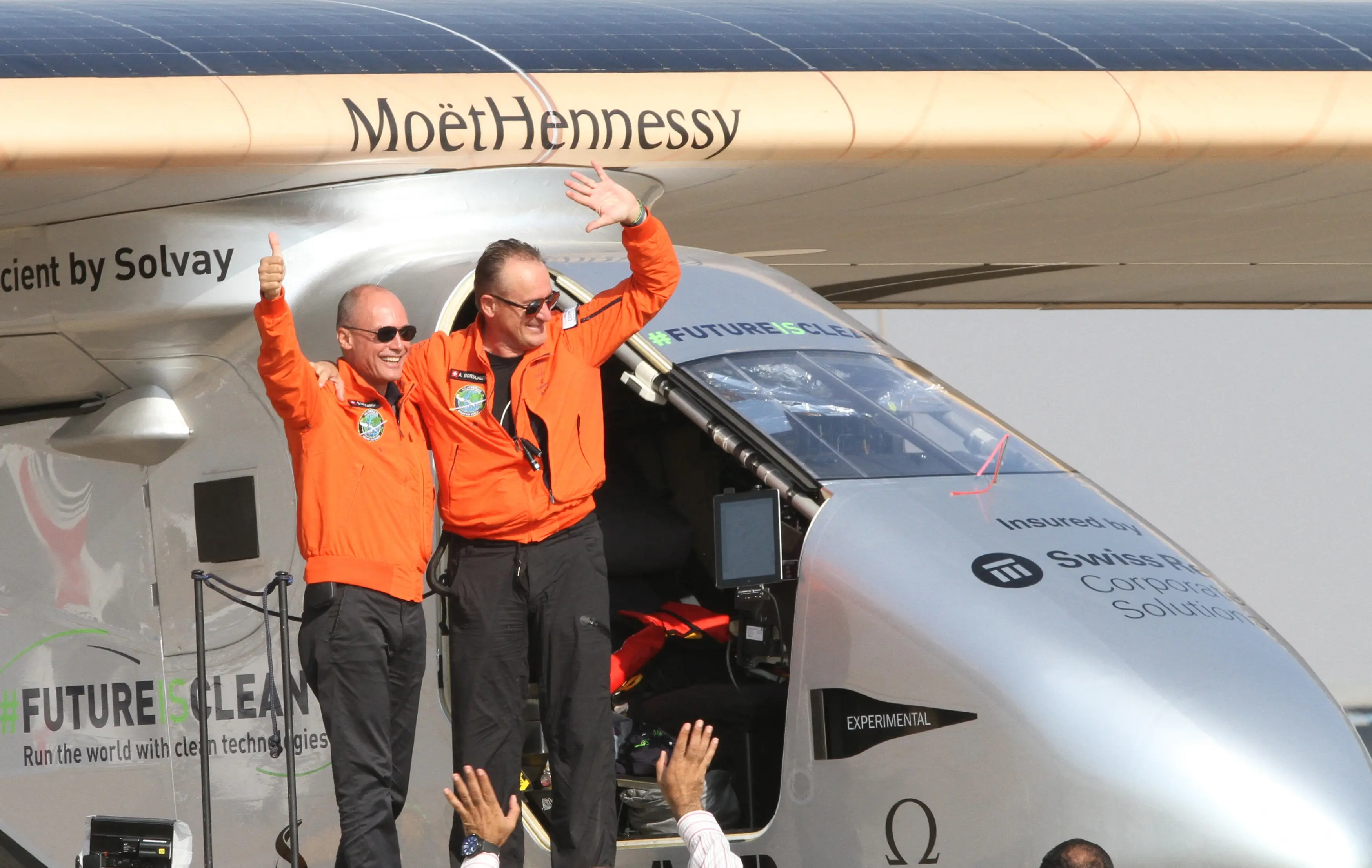
In March 2015, Swiss pilots Bertrand Piccard and André Borschberg took turns at the controls and began the first solar-powered circumnavigation of the Earth. The historic journey was undertaken in seventeen stages: 26,700 miles across four continents, two oceans and three seas. It lasted sixteen and a half months from start to finish, partly because of a battery overheating issue that grounded the plane in Hawaii for nine months.
In twenty-three actual days of flying time, not a drop of jet fuel burned. They completed the journey in Abu Dhabi on July 26, 2016. It was, as aviation milestones go, genuinely transformative: proof that renewable energy could sustain extended flight without any conventional propulsion at all.
From solar experiment to drone
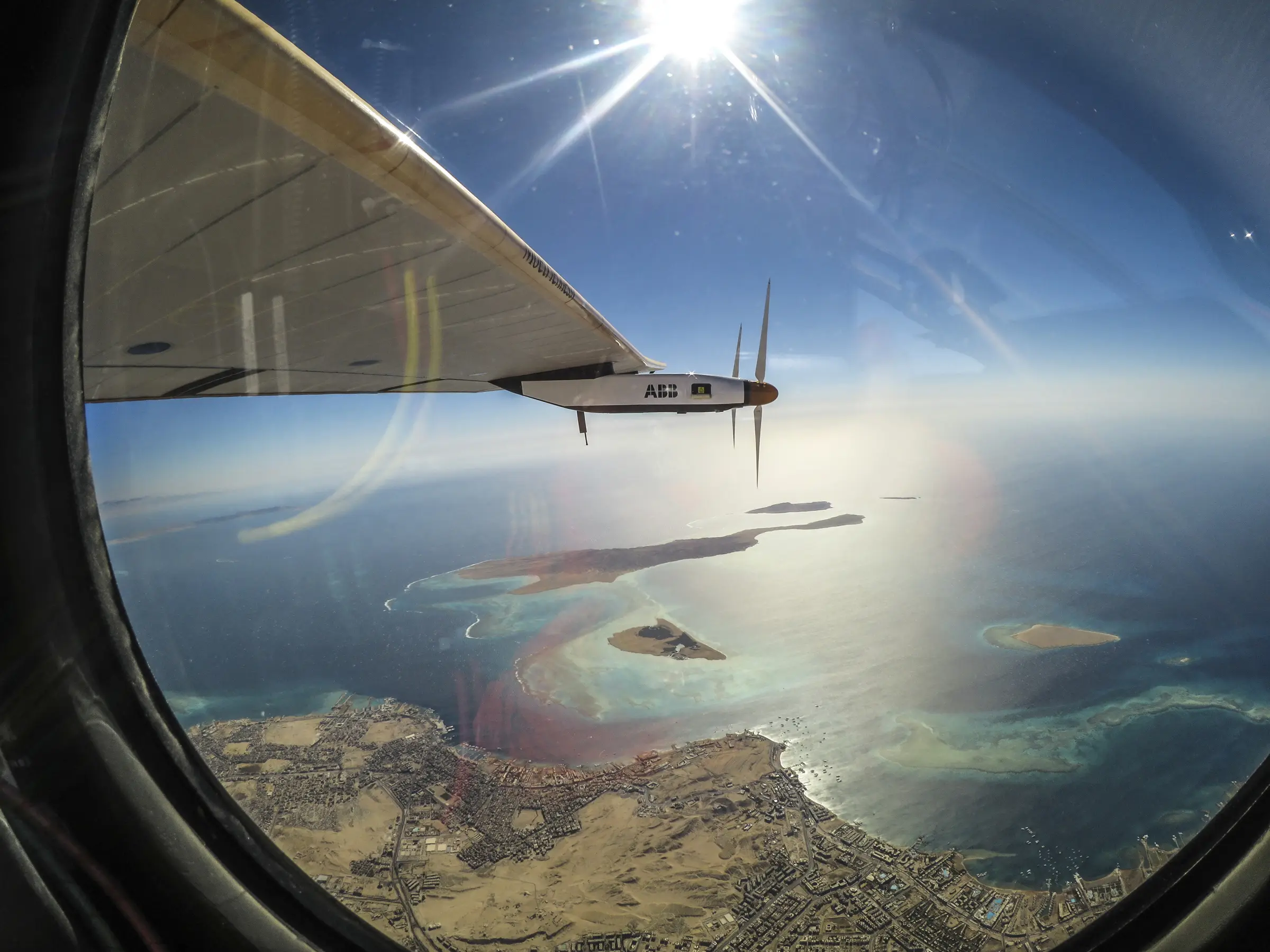
Three years after the circumnavigation, Piccard and Borschberg sold Solar Impulse 2 to Skydweller Aero, a US-based company with an entirely different vision for the aircraft. Rather than retiring it to a museum, Skydweller converted the plane into an autonomous drone, removing the cockpit, adding autonomous flight systems, and equipping it with radar, electronic optics and telecommunications interception capabilities. The environmental symbol of the climate movement was being repurposed as a military surveillance platform.
Solar Impulse 2 surveillance system
Skydweller's goal was to eventually create fleets of solar-powered spy planes as cost-effective alternatives to satellites for military and commercial contracts. In 2024, the company completed the aircraft's first uncrewed flight in Mississippi.
Solar Impulse 2's final mission
On April 26, 2026, Solar Impulse 2 took off from Stennis, Mississippi, on what would be its last flight. The autonomous mission was conducted in support of a US Navy exercise, and by Skydweller's own account, it was a success. The company described "a record-breaking flight of 8 days and 14 minutes" that "validates the reality of perpetual, solar-powered flight in a military mission-relevant environment."
However, on day eight, the electrical system failed. The aircraft lost power and went down into the Gulf. The US National Transportation Safety Board has opened an investigation.
)
)
)
)
)