Social media alternatives if you are planning to quit Elon Musk's Twitter

Mastodon
Mastodon, a decentralised, ad-free social networking platform has now amassed 655,000 users, with a monumental addition of 230,000 users taking place in the last few weeks alone.
Founded nearly six years ago, Mastodon has a look and feel that is similar to Twitter but it is different in more ways than one. Unlike other social media platforms, Mastodon is not owned by a single entity or a company. It is decentralised, meaning, one can create private networks using servers for different countries.
To get started with Mastodon, one has to visit Mastodon's Communities page and choose a community to join. Some instances allow anyone to join, while others require you to obtain an invitation to the server, which must be approved by an administrator.
Koo
The Indian variety of Twitter, named Koo, is once again making waves. The Indian social media company last week said it had crossed 50 million downloads. The company added that it had witnessed a significant uptick in the time spent and engagement on the app. It is currently available in 10 languages.
Like Twitter, Koo's logo is a bird, though yellow in colour. It allows users to use hashtags (#) or the "@" symbol for mentions. The app also allows users to 're-koo', Koo's version of a retweet and chat instead of a direct message.
Koo was founded by Aprameya Radhakrishna and Mayank Bidawatka, both MBA or business management, graduates. The duo are also the founders of Vokal, an audio-video knowledge-sharing platform similar to Quora.
Cohost
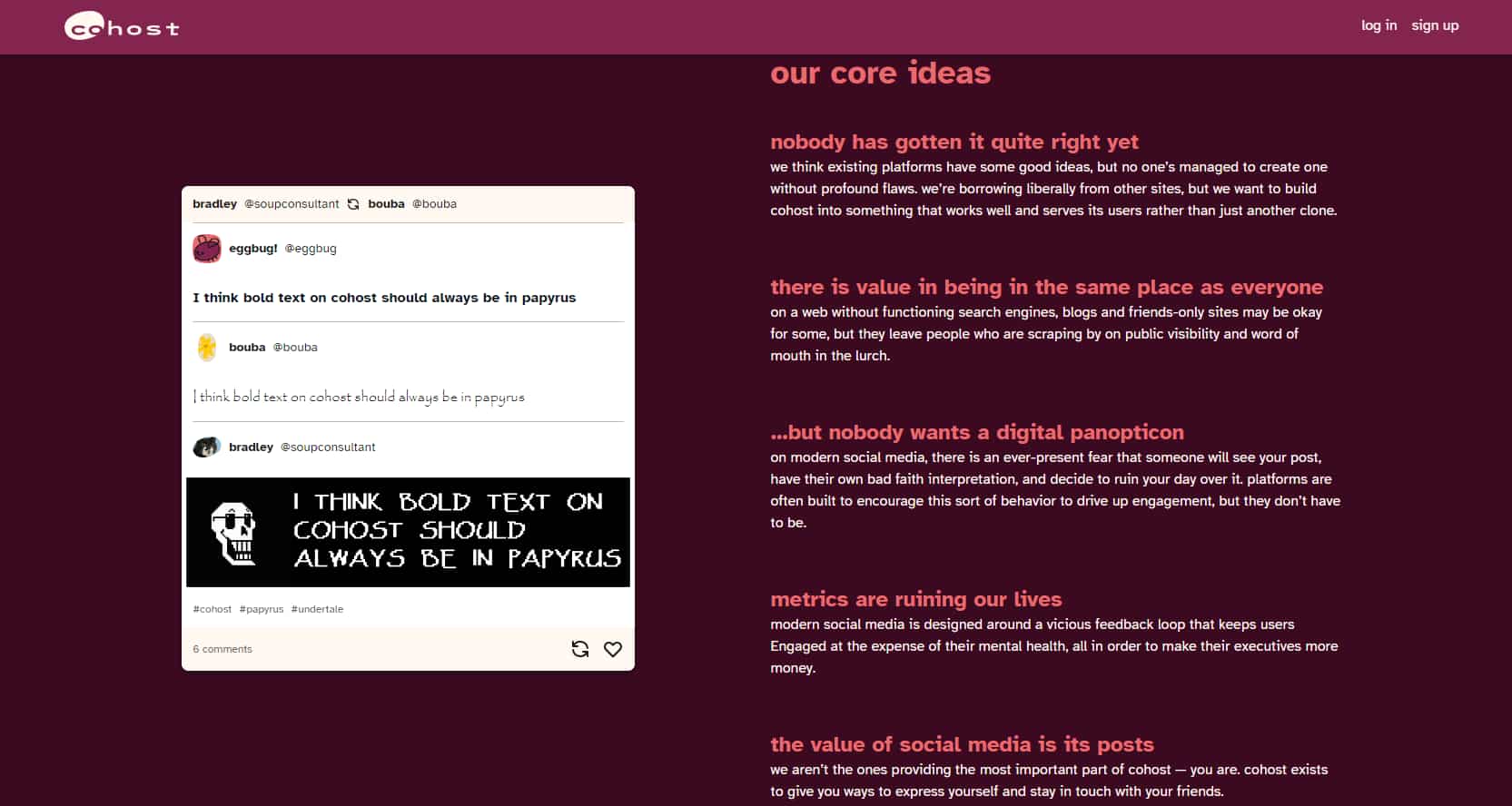
The developers of the site believe that nobody has made that one 'utopian' social media platform devoid of any flaws. Thus, they have borrowed ideas liberally from other platforms to create a modern social media that puts its users first. Cohost is currently only available on desktop and does not have an app-version.
The company says they do not have any algorithm that pushes content into the feed of the user, albeit, all the posts are shown in the order they were posted
"We aren’t the ones providing the most important part of cohost — you are. cohost exists to give you ways to express yourself and stay in touch with your friends," reads the social media platform's about us section.
CounterSocial
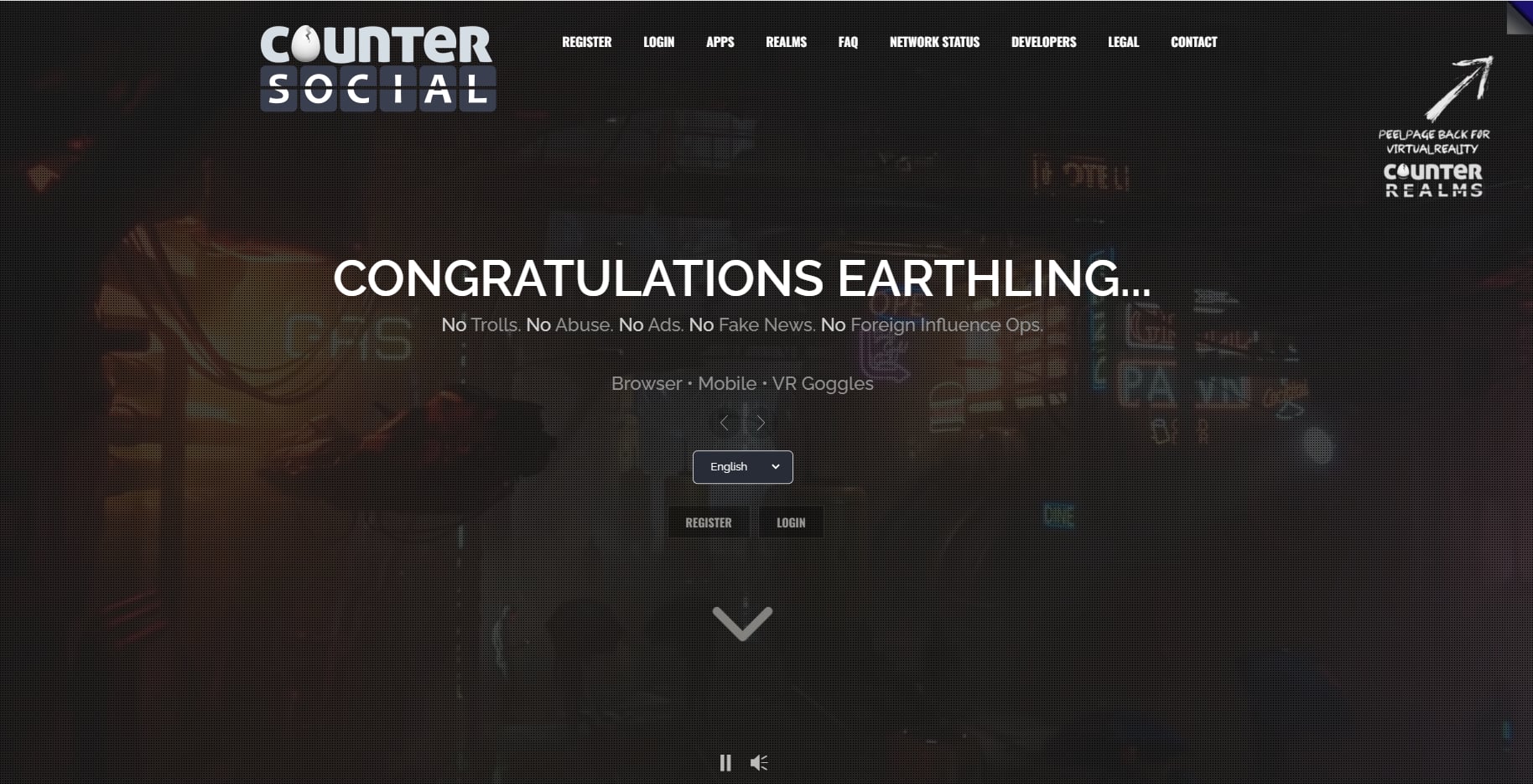
While most social media platforms thrive on trolls that bring traffic as well as advertisement with their controversies, CounterSocial on its landing page claims that it does not allow trolls, ads or fake news.
Pretty bold claim given the social media climate we have and the sheer amount of information, misinformation and disinformation swirling around at any second.
The website claims to have several safeguard features to protect the identity and data of the users. 'Deepfake detector', 'Botsentinel integration', 'Identity breach alerts' and 'Factlayer integration' are some of the features that the company boasts about.
"CounterSocial has integrated automatic and one-click on-demand identity theft alerts. COSOGuard is checking the open and dark web all day and night. If your identity is caught up in a breach - you'll know!" reads the Identity breach alerts feature of the website.
So much so is the company's emphasis on getting rid of fake news that it has banned countries such as China, Iran, North Korea, Pakistan, and Syria for being the origin points for bots.
If you've ever used TweetDeck, the UI of the app is similar. Meaning the feed is vertical and separated into columns.
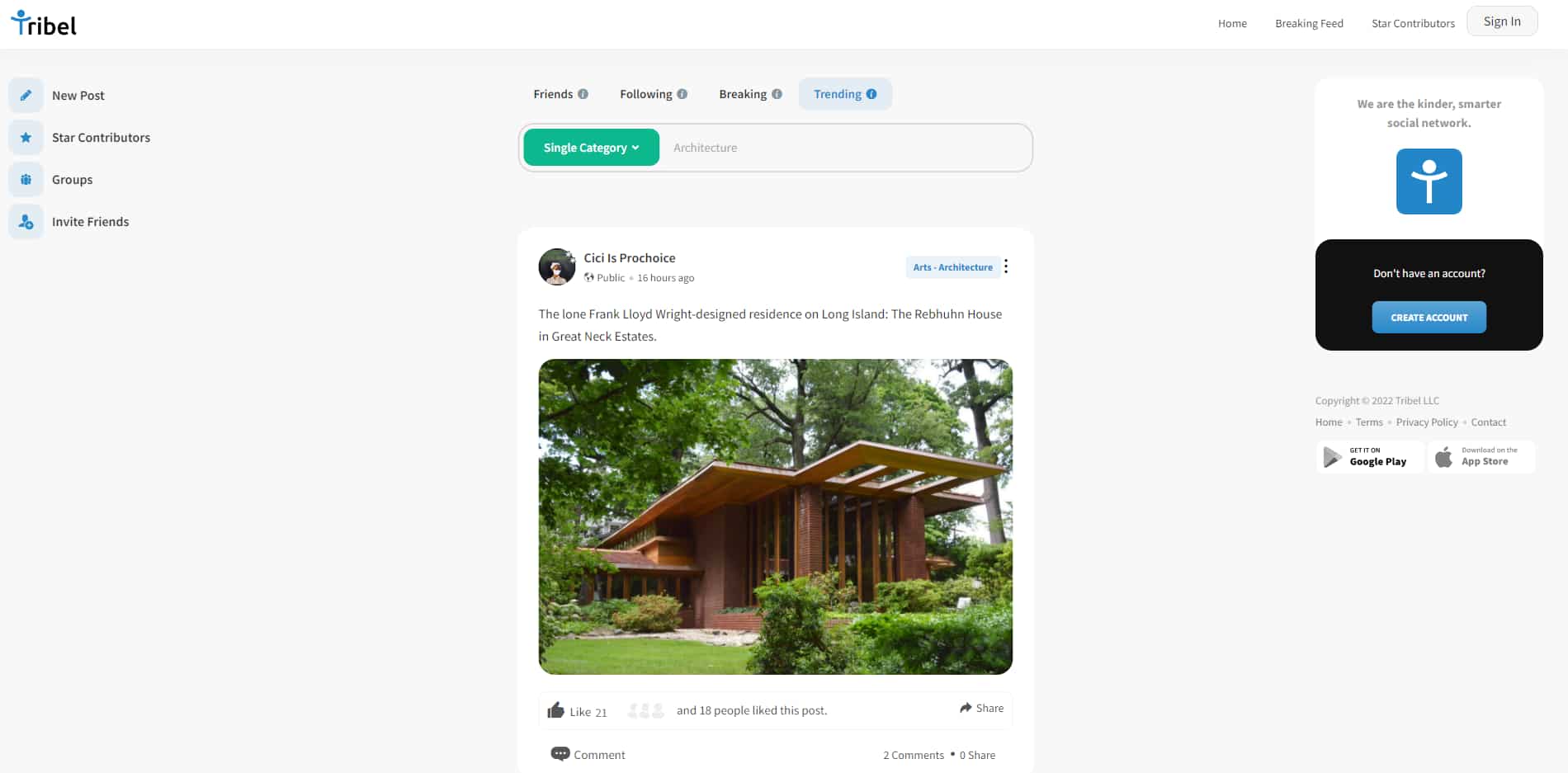
Tribel Social
Developed by Likeopedia, Tribel Social appears to be the sober brother of Twitter. The company takes pride in doing 'social media right'. The app claims to be bigotry-free as well and allows users to maximise their posts' reach by selecting a target audience. To avoid doom scrolling, one can also use the customisation feature to curate the feed, according to your preferences.
)
)
)
)
)