Soaps or sanitisers: Which is best to fight coronavirus?


Empty shelves at departmant stores
The biggest question on everyone's mind is how to avoid getting infected by coronavirus.
Prevention is definitely better than cure, what with hand sanitisers flying off the shelves in most department stores across the world leading to unnecessary stockpiling and acute shortages.
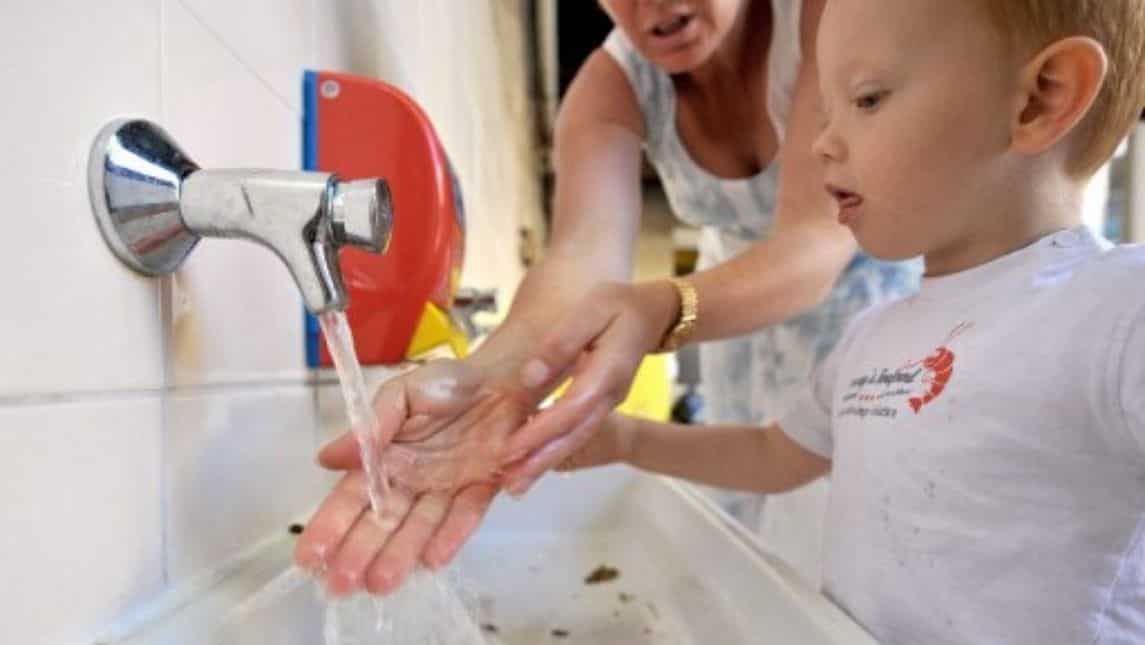
Soaps over sanitisers
But are hand sanitisers really the best defence?
In fact, according to recent studies, common soaps are far more effective in preventing and eliminating the disease.
The same common, cheap, readily available soaps that we use everyday is being widely seen as the best weapon to fight the deadly virus.
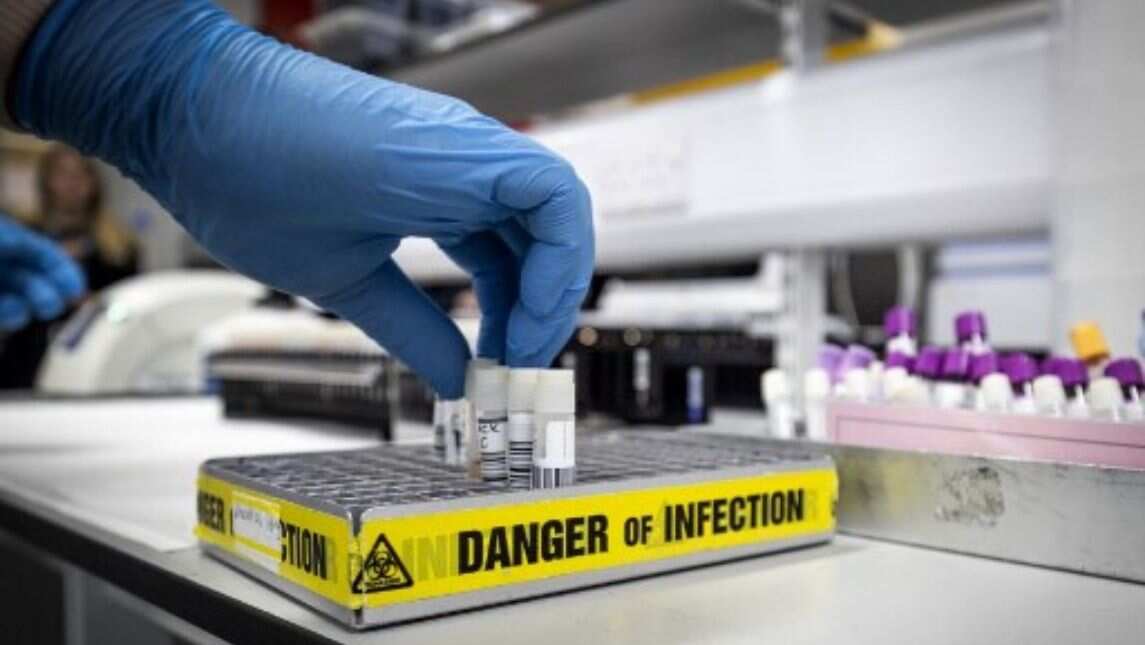
Chemical structure of the virus
The reason why soaps are far more effective is due to its chemical makeup and the chemical structure of the virus.
So first lets try and understand what exactly is the chemical structure of the virus.
Most airborne virus like the coronavirus consists of three building blocks - the RNA or the ribonucleic acid, proteins and lipids that are insoluble in water and form a loose outer layer of the virus to keep its components loosely together. But this outer layer is the weakest link of the virus and if broken then the virus is destroyed.
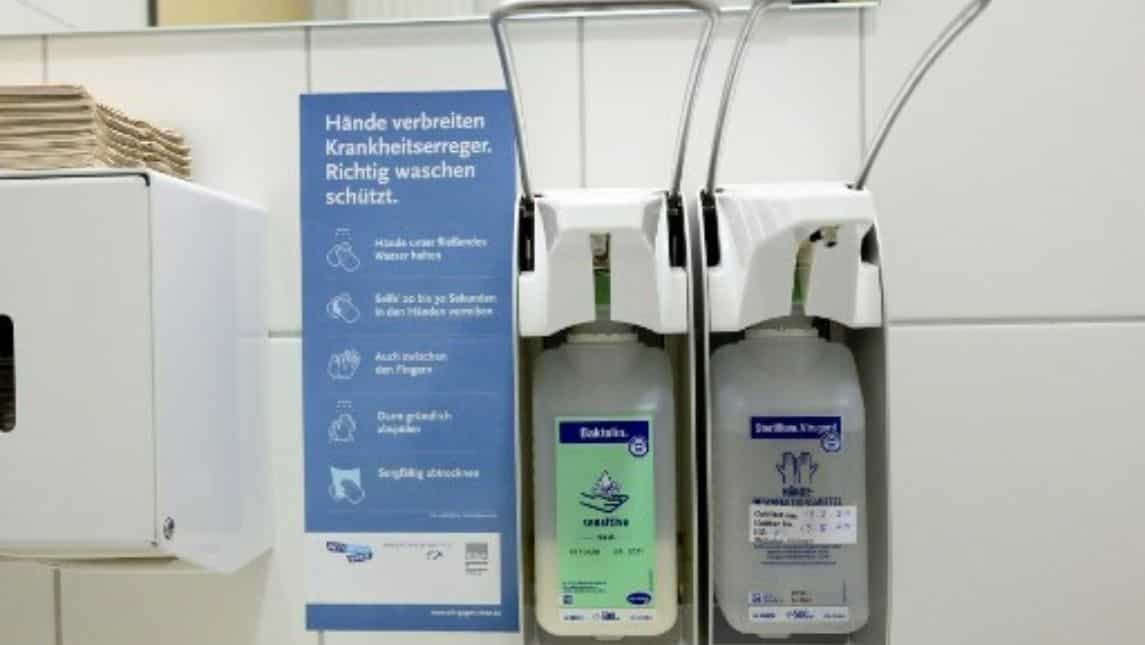
Effectiveness of soaps vs sanitisers
Now let's compare the effectiveness of soaps vs sanitisers against the coronavirus. Most people touch their face every two to five minutes and eliminating the virus before it is transferred to the face is crucial.
A soap, if properly used, eliminates the outer layer of the virus and dissolves the bond between its components, hence a soap is the most effective means of destroying the virus.
A hand sanitser is effective only if it contains enough alcohol content, and only if a sanitiser is used long enough for the alcohol to dissolve the outer layer of the virus.
It is normally easier with soaps. Moreover, sanitisers won't be effective in killing a virus, if the hands are covered in dirt. Hence overall it is much more effective to wash ones hands thoroughly with soap.
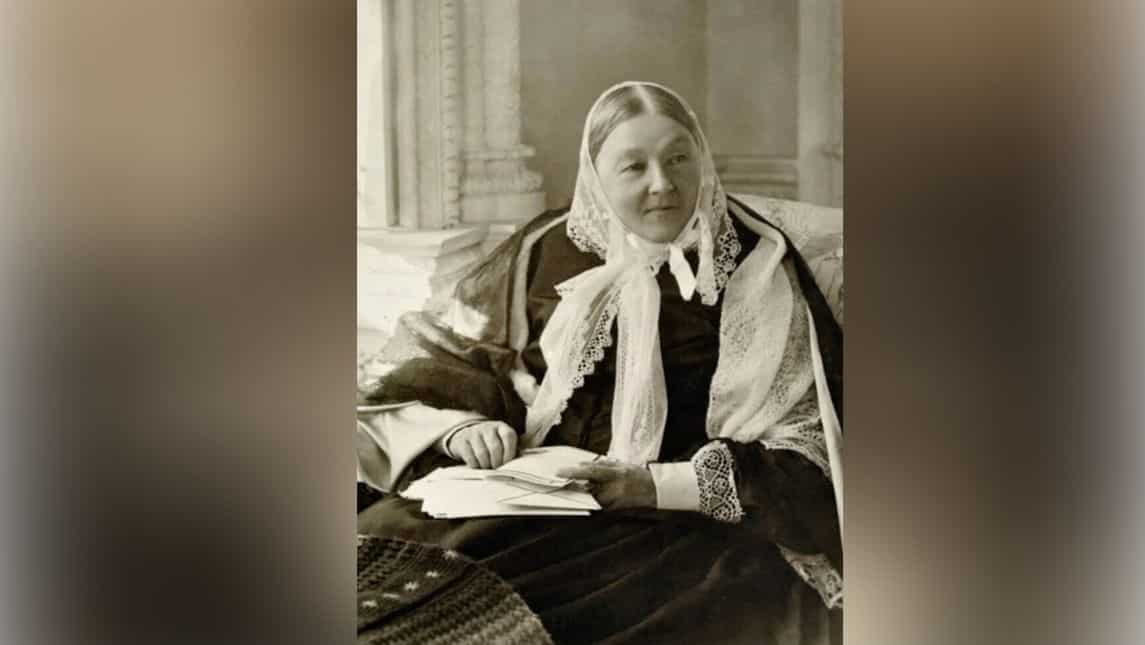
Lady with the Lamp
One of the brightest examples is Britain's famous nurse Florence Nightingale.
Nightingale also called the "Lady with the Lamp" who tended wounded soldiers, but a new exhibition shows her as a tough pioneer whose principles on hygiene underpin nursing today as the world battles coronavirus.
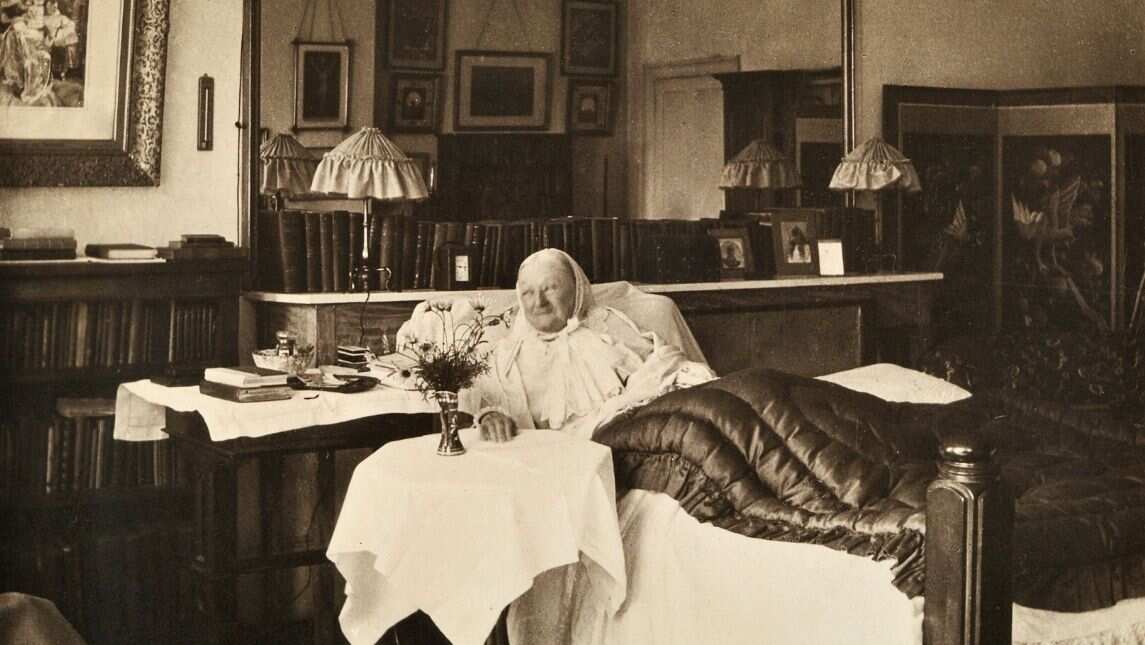
Nightingale Museum
The show at the Florence Nightingale Museum within London's St Thomas' Hospital marks the bicentenary of Nightingale's birth into a wealthy family, and tells the story of how she fought her family's opposition and social constraints to become the world's most famous nurse.
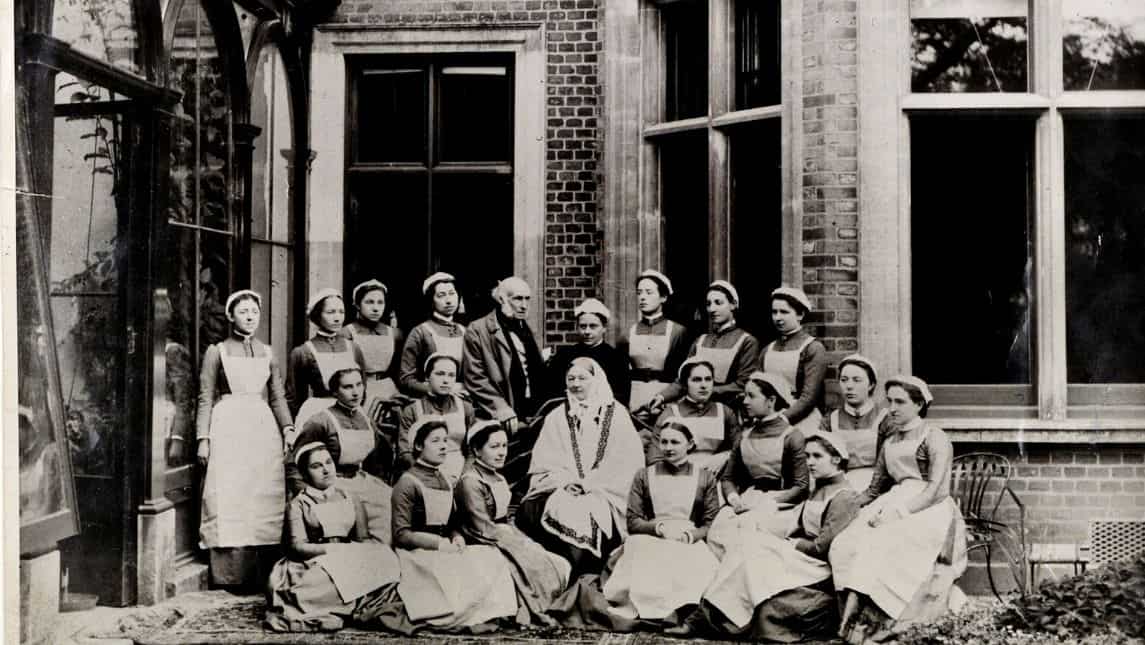
Nightangle's battle against coronavirus
Nightingale became famous after she and a small team of nurses travelled to modern-day Istanbul to treat British soldiers wounded in the Crimean War, in which British, French and Ottoman forces fought the Russian Empire.
In a filthy hospital set up in a barracks on the Asian shore of the Bosphorus, she saw thousands of soldiers die from infectious diseases rather than their wounds, prompting her to try and improve conditions.
Many retired doctors and nurses have reacted with alarm to a suggestion by the British government that it would call on them to help battle coronavirus if necessary.
Nightingale died at the age of 90 in 1910, continuing to work and to write late into her life.
)
)
)
)
)