Sixth-generation fighters: Will the U.S. F-47 jet crush China’s J-36 in the sky?

The US and China are in a fierce race to develop the next generation of fighter jets. America’s NGAD, led by F-47 vs China’s J-36 promise cutting-edge tech and powerful capabilities. But which will truly dominate the skies? See what experts are saying
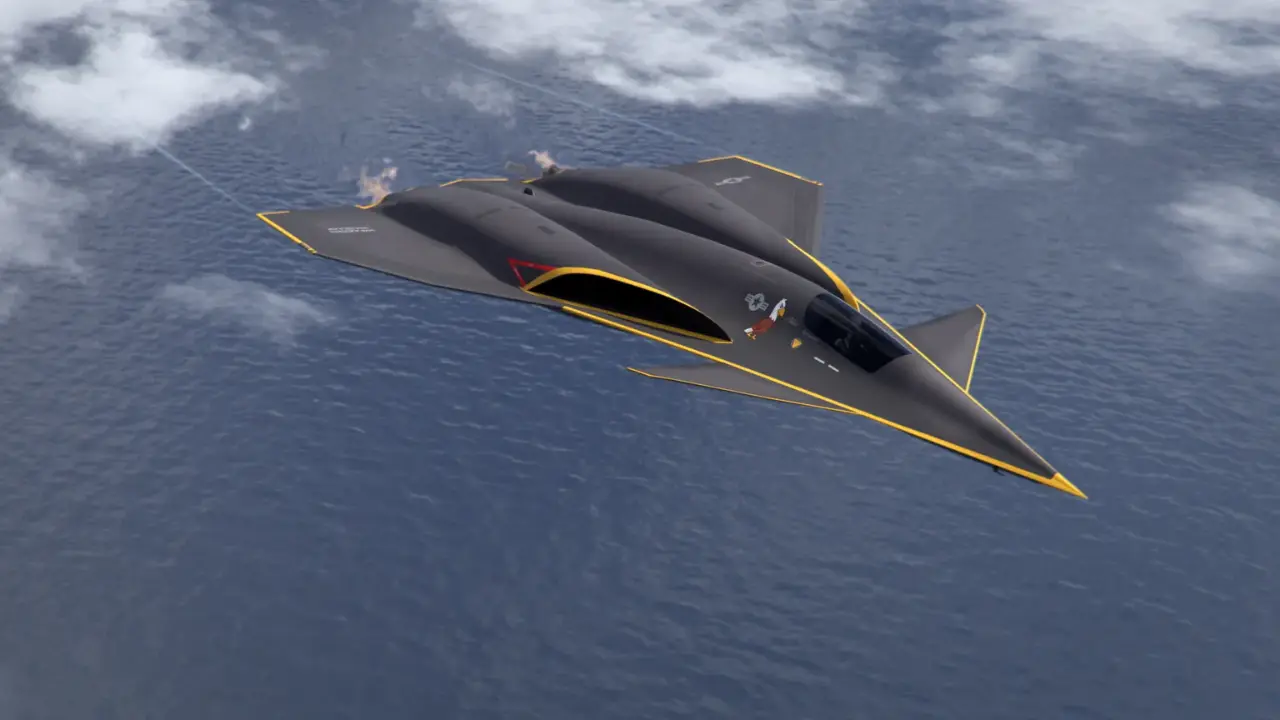
Sixth-Gen Fighters Showdown - NGAD vs J-36
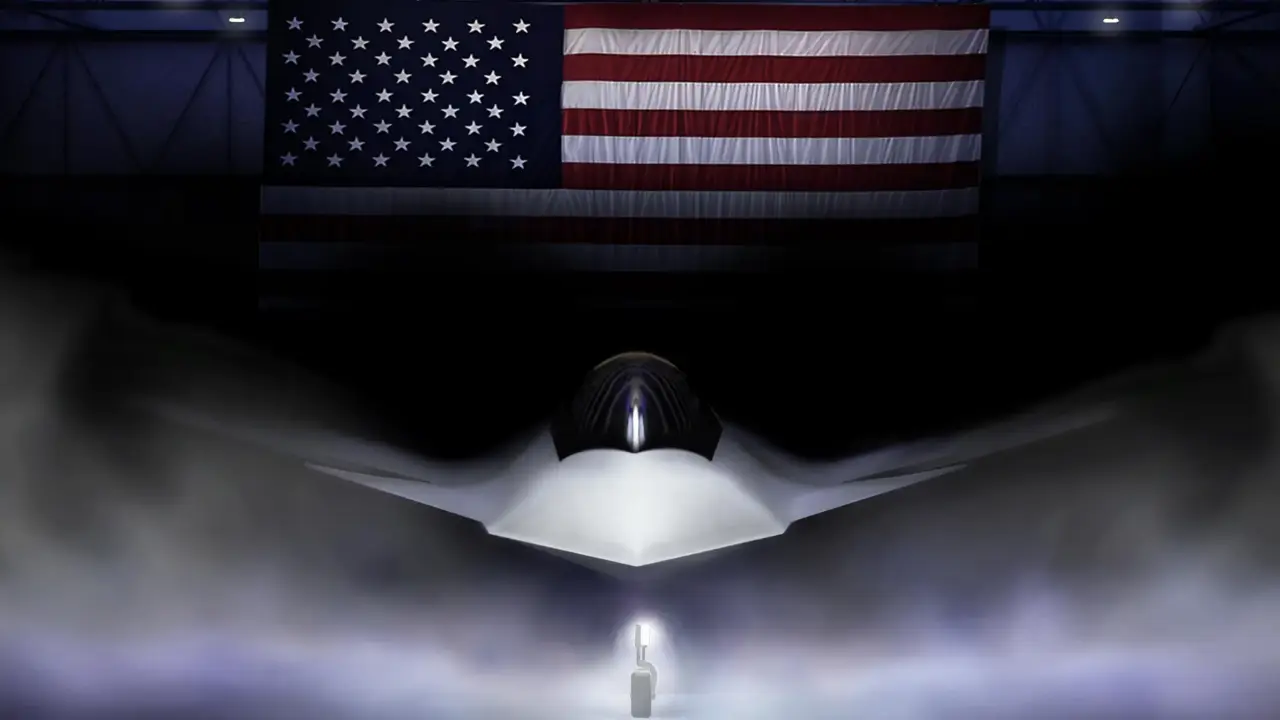
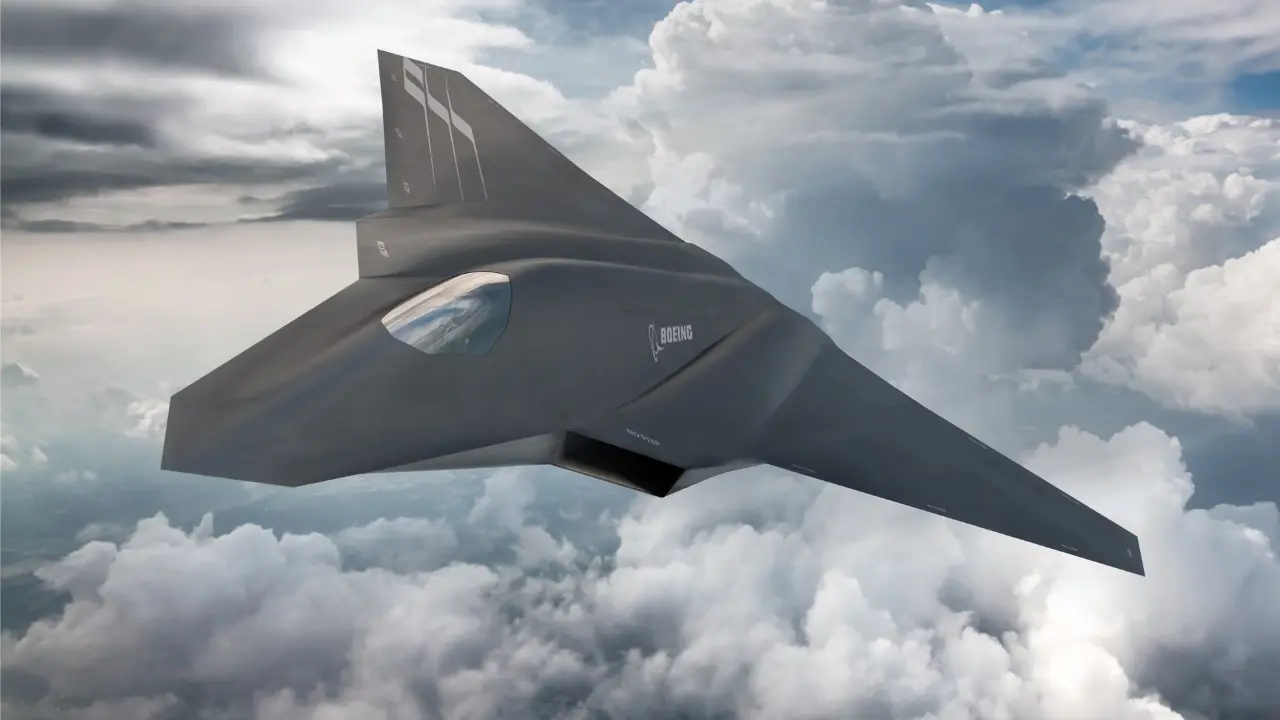
The US and China are racing to field sixth-generation fighter jets. America’s NGAD, led by the Boeing F-47, faces off against China’s J-36, a stealth trijet. Both jets promise new levels of speed, stealth, and AI.
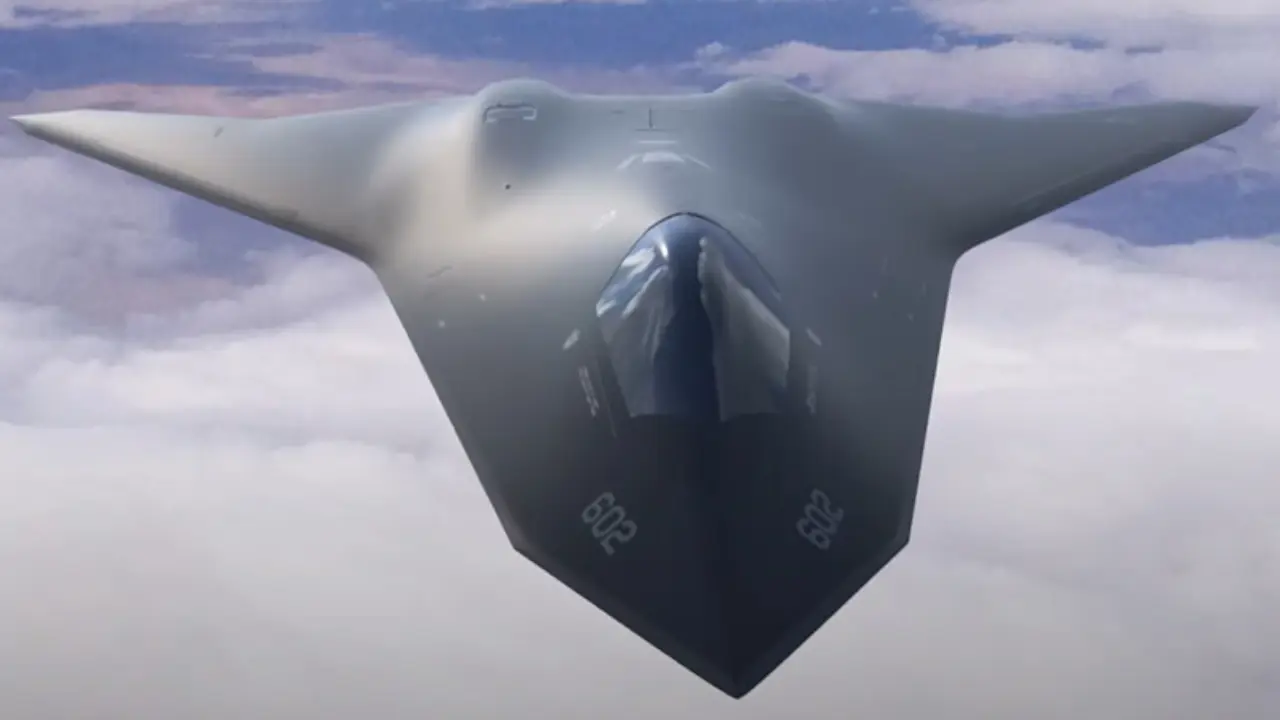
NGAD’s AI and Laser Edge
The NGAD programme features advanced artificial intelligence for pilot support and drone teaming. Reports say it will have laser weapons and nuclear integration, making it a true multi-role platform. The US Air Force aims to buy about 200 NGAD jets and over 1,000 drone wingmen.
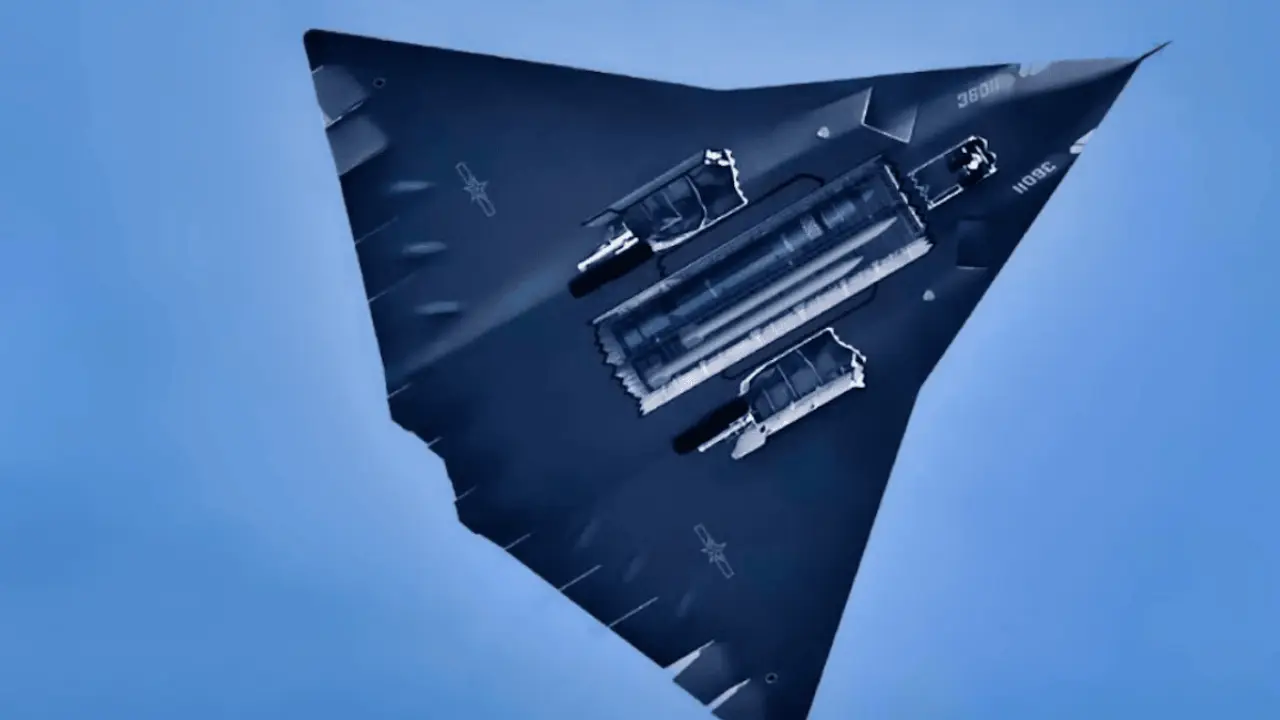
China’s J-36 - Stealth and Hypersonic Power
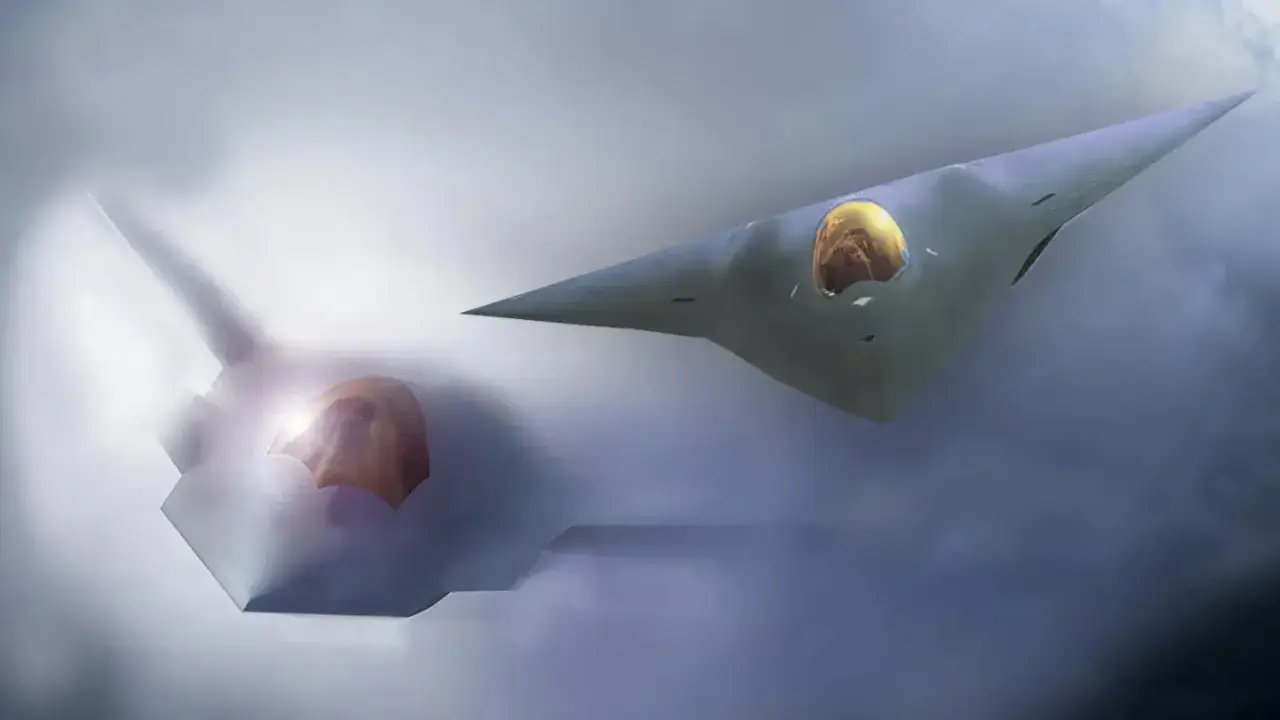
China’s J-36, first seen in test flights in late 2024, uses a tailless flying wing and three engines for stealth and range. Chinese sources claim it is able to carry hypersonic missiles and advanced AI for command and coordination. The J-36 is designed for long-range, high-speed missions.
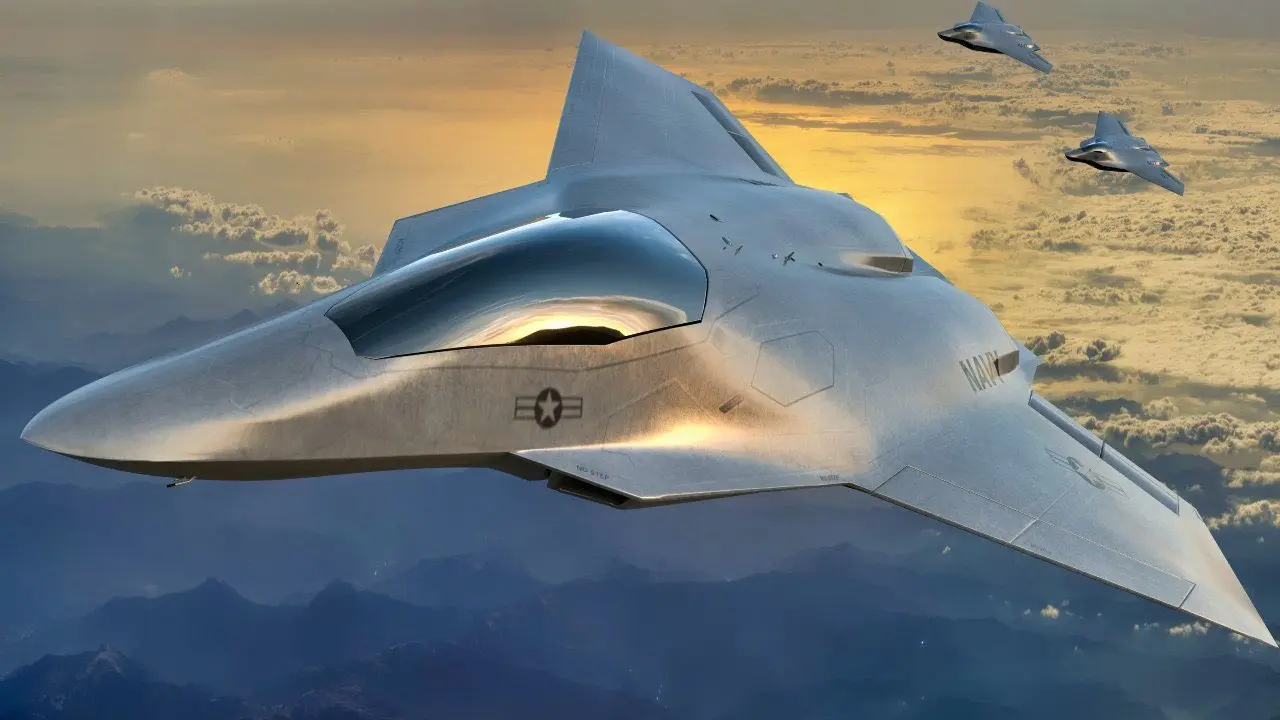
Weapons and Combat Roles
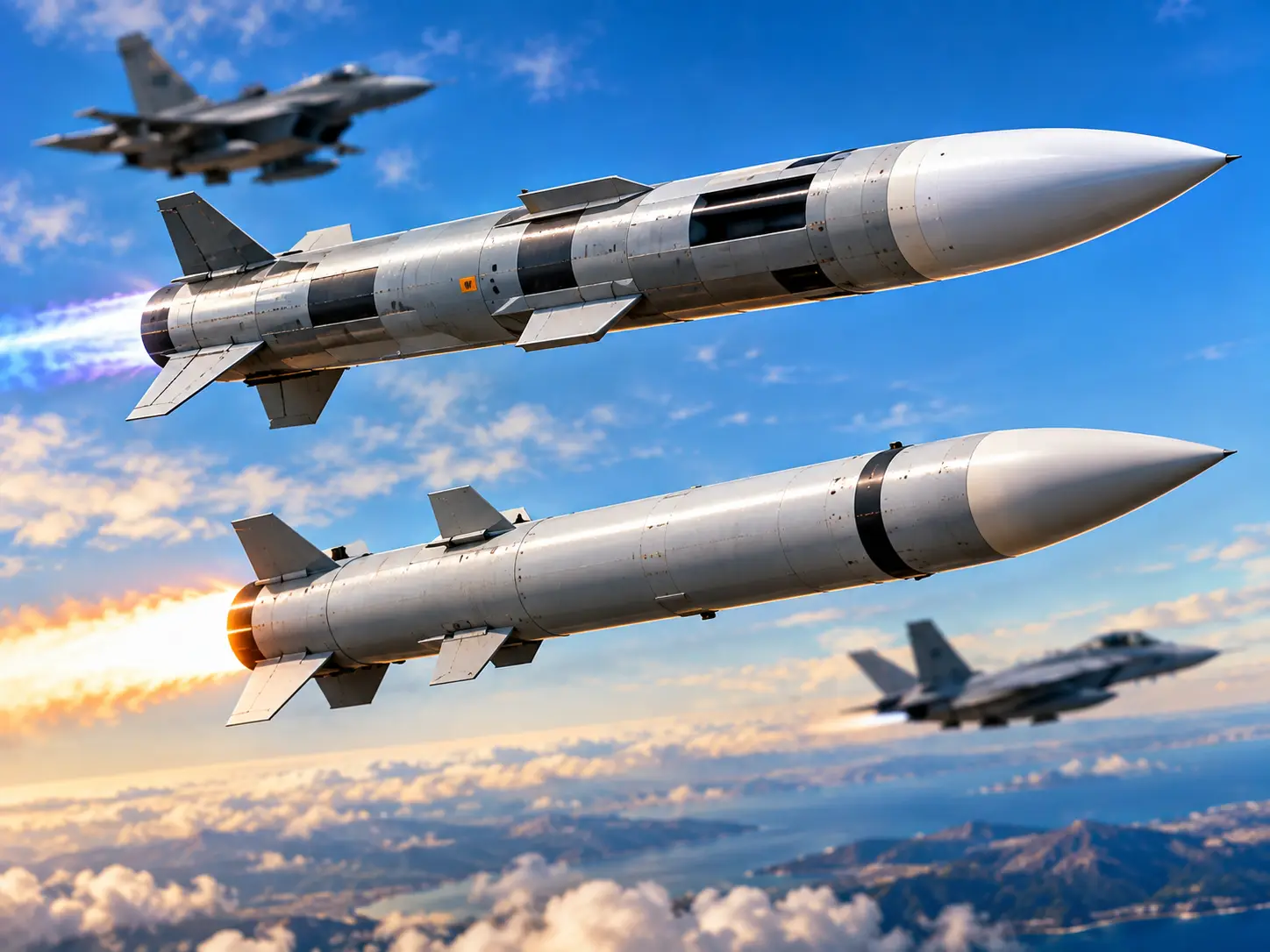
NGAD is built for air dominance, able to launch long-range missiles and direct drone swarms. It is expected to carry both conventional and nuclear weapons. The J-36 has a large weapons bay for air-to-air and air-to-ground missiles, including hypersonic options, and can act as a command centre for unmanned aircraft.
Range and Endurance in the Pacific
A core requirement for NGAD is a combat radius over 1,000 nautical miles, allowing it to strike deep into contested areas without relying on vulnerable tankers. The J-36’s large size and triple engines also give it extended range, crucial for Pacific operations. Both jets are designed for long missions over vast distances.
Cost and Strategic Impact
The NGAD programme is the US Air Force’s most expensive project, with costs expected to top $300 million per jet and a total programme budget of up to $300 billion. China’s J-36 is part of a broader push to close the technology gap with the US, but faces its own challenges in engine tech and systems integration.
Who Will Rule the Skies?
According to defence analysts, the NGAD and J-36 like jets will shape the future of air warfare. Experts predict success will depend on technology, production, and strategy. The Pacific could see a fierce contest as both jets enter service in the 2030s, with global air power hanging in the balance.
)
)
)
)
)