Silver Tea Set, Silver Horse, Saffron and more: A full list of gifts PM Modi presented to Vladimir Putin | In Photos

The selection of gifts highlighted India’s artisanal range, cultural depth along with it's longstanding ties with Russia. Each item represented a specific tradition and region, craftsmanship or symbolic message that shed light on the countries’ shared history of diplomatic engagement.
Introduction
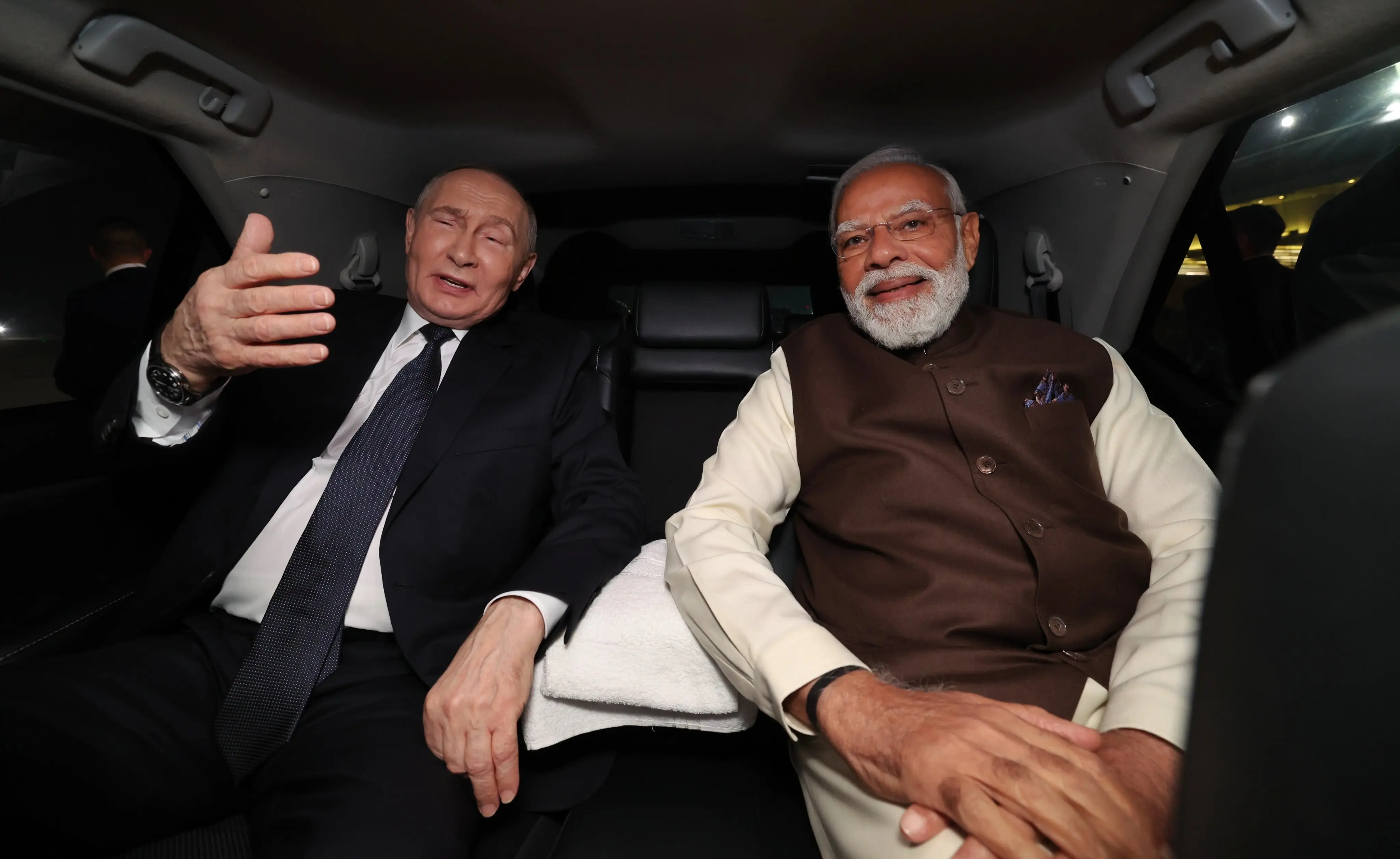
During Vladimir Putin’s two-day visit to India for the annual summit on December 4-5 became the most talked about subject in the country. Before the Russian President's visit concluded on Friday, Prime Minister Narendra Modi presented him with a curated set of regionally crafted Indian gifts. The selection of gifts highlighted India’s artisanal range, cultural depth along with it's longstanding ties with Russia. Each item represented a specific tradition and region, craftsmanship or symbolic message that shed light on the countries’ shared history of diplomatic engagement.
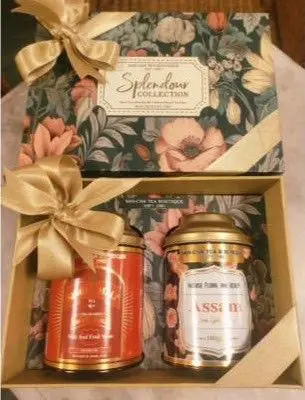
Fine Assam Black Tea
Modi gifted Putin premium Assam Black Tea, grown in the Brahmaputra plains and known for its malty flavour and bright liquor. The lea, which is recognised with a Geographical Indication (GI) tag since 2007, reflects a long-standing cultivation tradition shaped by the region’s soil and climate. Beyond just its cultural value, it is appreciated globally for its distinct character, health benefits and heritage appeal.
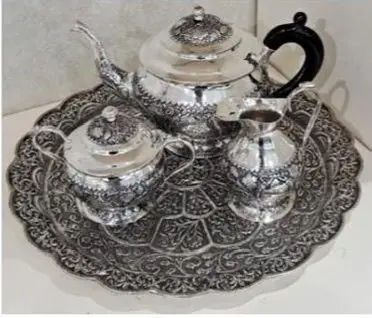
Murshidabad Silver Tea Set
The Prime Minister also gifted Putin, an ornate silver tea set from Murshidabad. This tea set showcased West Bengal’s metalwork traditions and it's rich artistry. With its carefully engraved patterns and refined craftsmanship, the set symbolises the cultural importance of tea in both India and Russia. Tea hospitality remains a shared social ritual in the two nations.
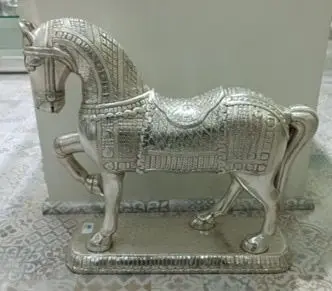
Handcrafted Silver Horse
Modi also presented a handcrafted silver horse from Maharashtra to the Russia President. Known for its detailed workmanship, the piece drew attention to India’s metal craft traditions. The horse, which is widely recognised not just as a symbol of dignity but also strength and forward movement, is an imagery that aligns with themes of partnership and continuity in India–Russia relations.
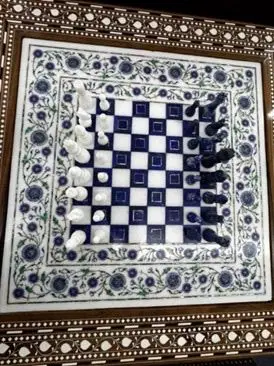
Marble Chess Set from Agra
The marble chess set, which was crafted under Agra’s stone inlay tradition and supported by the ODOP (One District, One Product) initiative, displayed functional design intertwined with traditional artistry. Each element of the piece featured individually inlaid motifs, contrasting stone pieces and a chequered board framed with floral patterns. Chess holds cultural significance in both countries, adding depth to the choice.
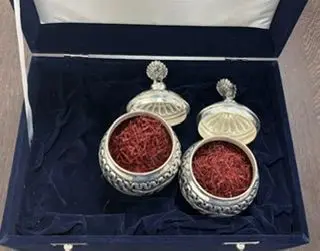
Kashmiri Saffron
Putin received Kashmiri saffron which is locally known as Kong or Zaffran. It is grown in the high-altitude fields of Kashmir and is valued for its colour, aroma and culinary use. With GI and ODOP recognition, saffron served as a representation of regional livelihood, heritage cultivation and careful hand-harvesting practices.
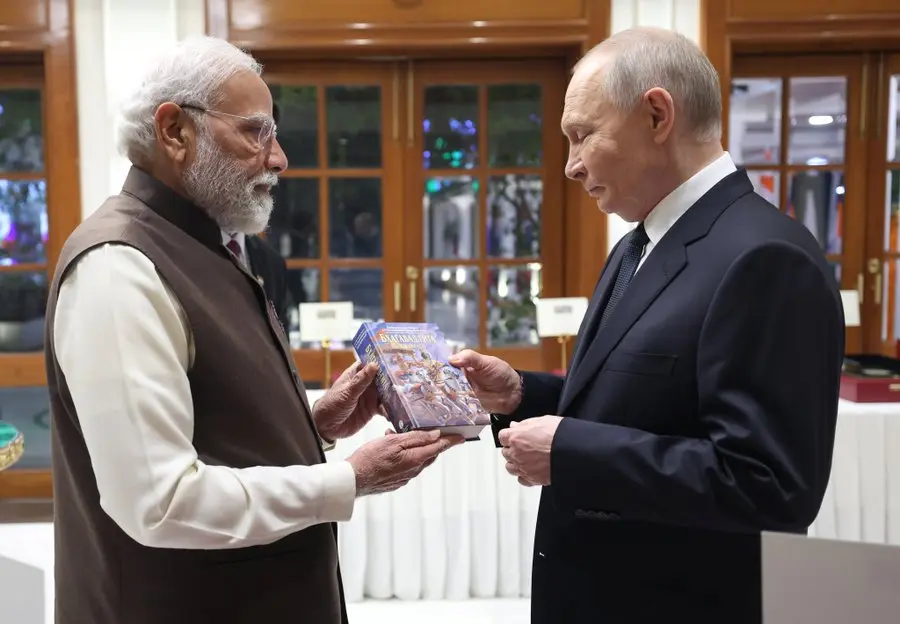
Srimad Bhagavad Gita (Russian Edition)
Modi also handed Putin a Russian translation of the holy, Srimad Bhagavad Gita. The text, part of the epic Mahabharata, contains Krishna’s guidance to Arjuna on duty, the nature of the self and paths to spiritual clarity. Presenting the scripture in Russian made the gesture both personal and culturally accessible.
)
)
)
)
)