Siddaramaiah’s tug-of-war with DK Shivakumar ends with resignation from Karnataka CM post: Timeline breakdown

As Siddaramaiah turns in his resignation, DK Shivakumar is expected to take over as Karnataka CM. This draws an end to a long public feud between the two senior Congress leaders. From public spats to breakfast bonding, here’s a timeline of what went down.
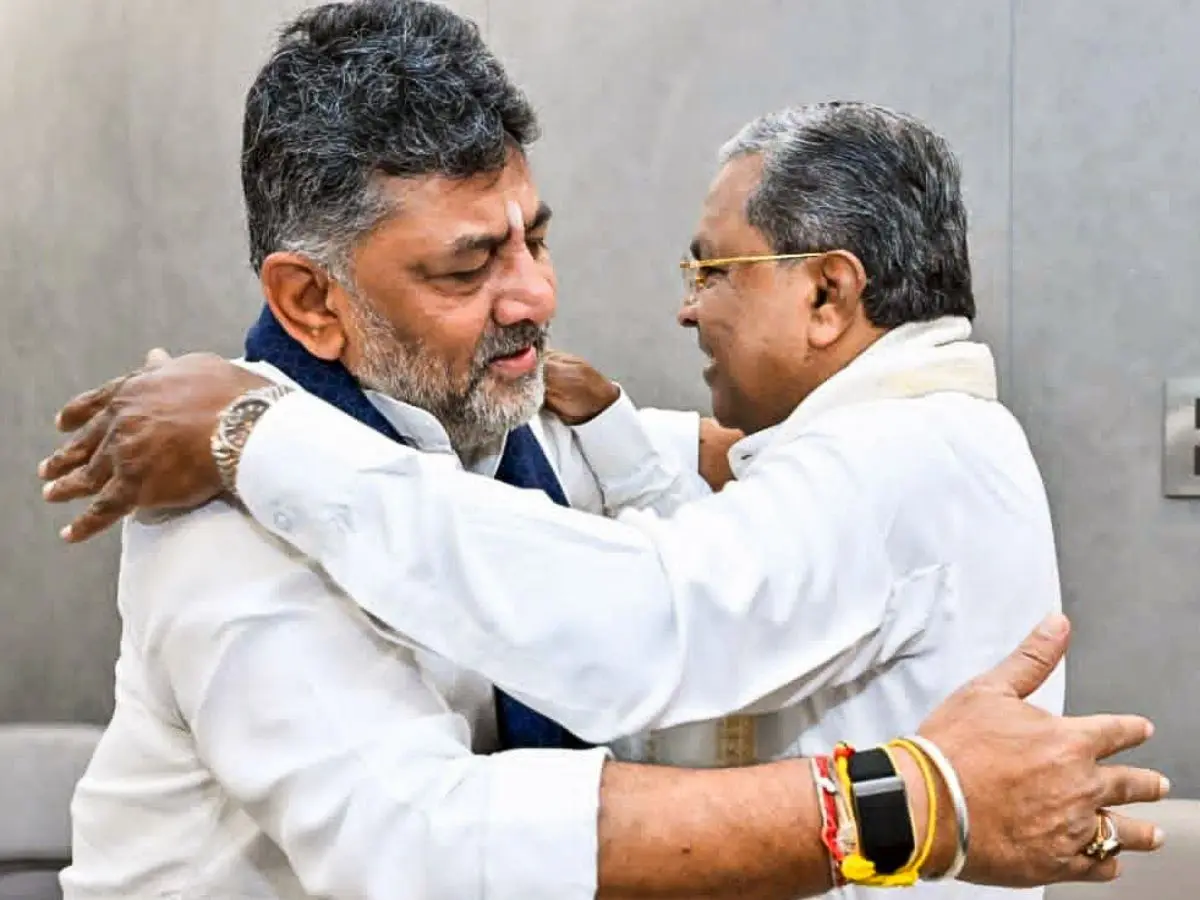
Karnataka’s historic leadership tussle
Siddaramaiah turned in his resignation as Karnataka Chief Minister today (28 May) and DK Shivakumar, popularly known as DKS, is set to replace him. The developments could take the Indian National Congress (INC) leadership one step closer to ending the long-standing feud between two of its key faces in the state, Siddaramaiah and Shivakumar. Let us have a look at the timeline of their disputes.
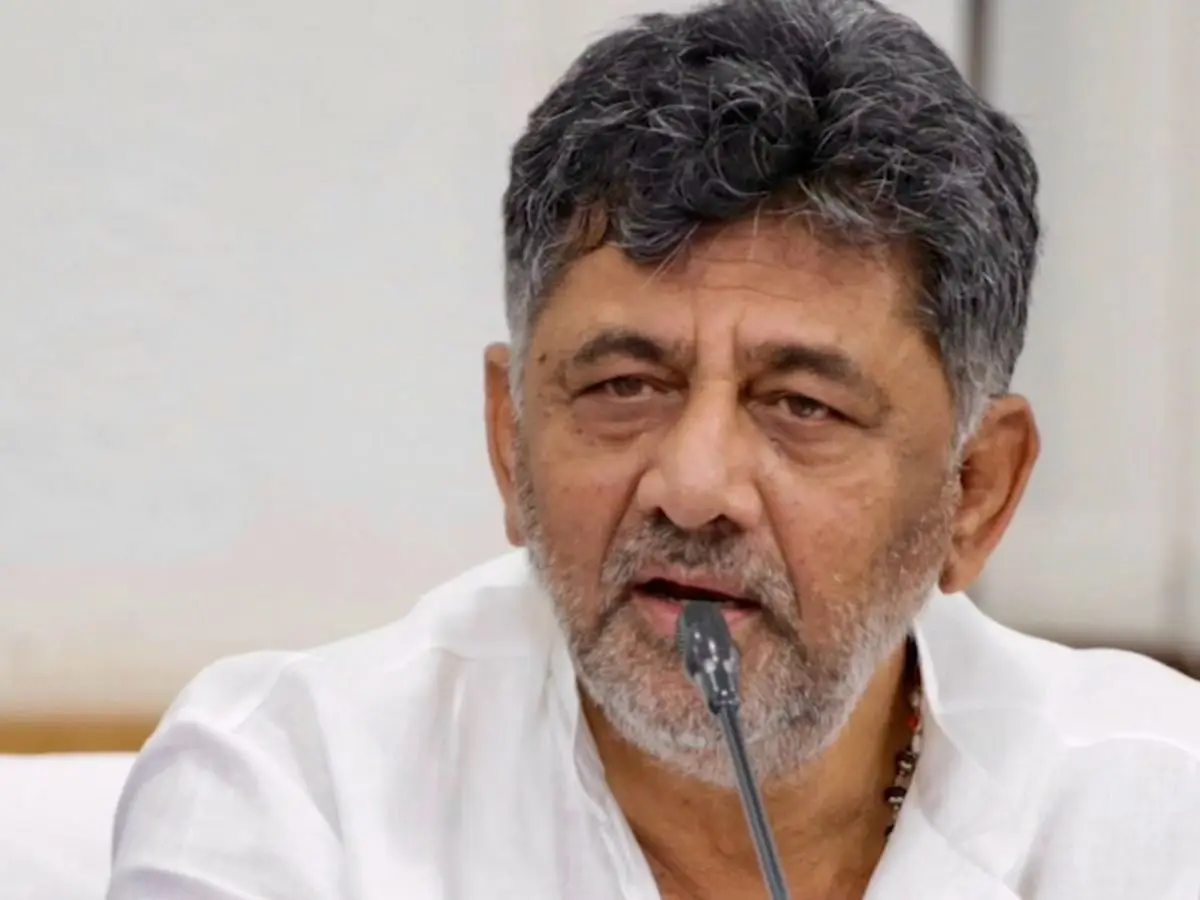
The spark: 2018
The tussle has primarily been about power and leadership in the party and started brewing nearly a decade ago in 2018. After a hung assembly, Janata Dal Secular (JDS) and Congress formed a coalition and DKS played a crucial role in keeping it alive. However, he expressed disappointment with the lack of recognition from the “party high command”.
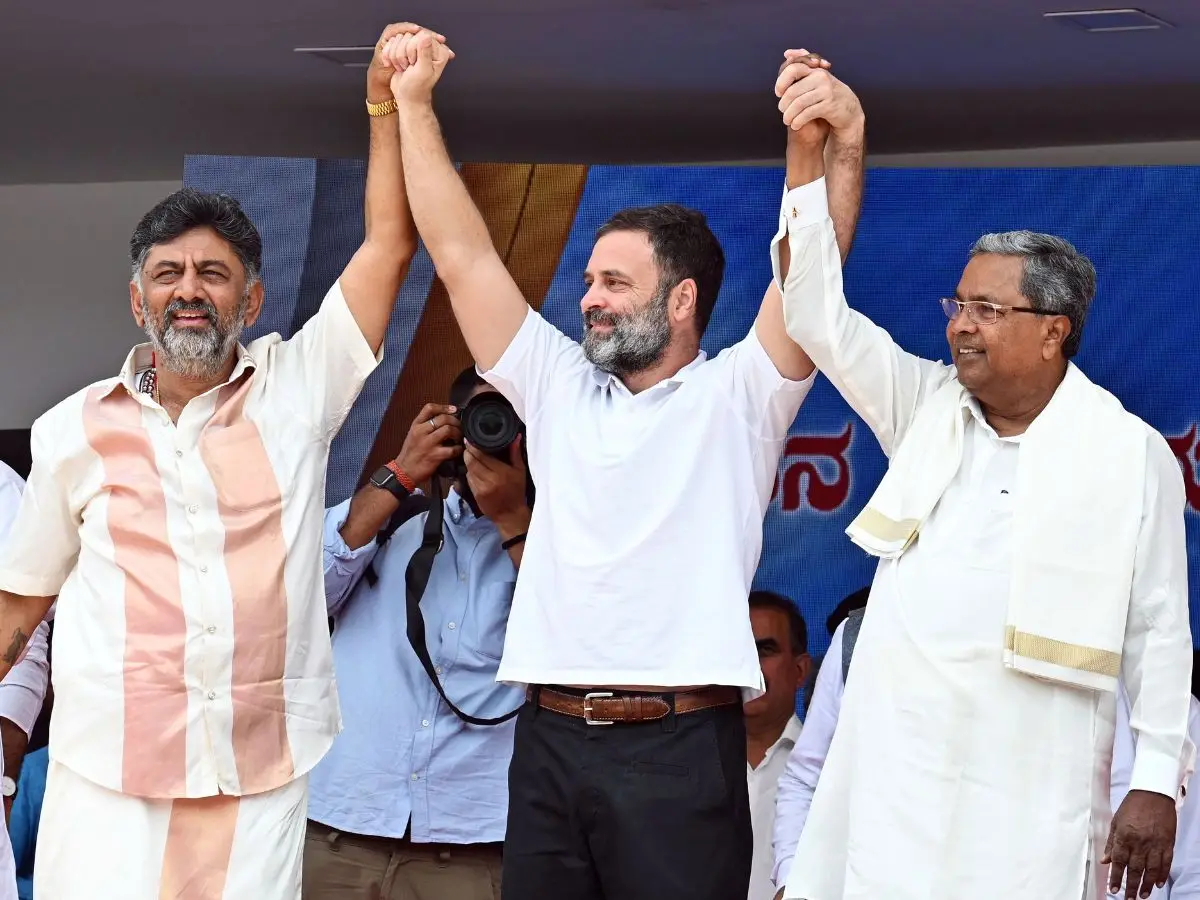
Battle over the CM chair: 2023
In May 2023, Congress claimed a huge victory during which its two senior-most leaders, Shivakumar and Siddaramaiah, maintained a united front despite differences. However, the win was followed by days of an intense tussle between the two for the Chief Ministerial post. The party could not afford to lose either face, Siddaramaiah with his AHINDA (Minorities, backward classes and Dalits) support base and DKS with support from the dominant Vokkaliga community and strong party control.
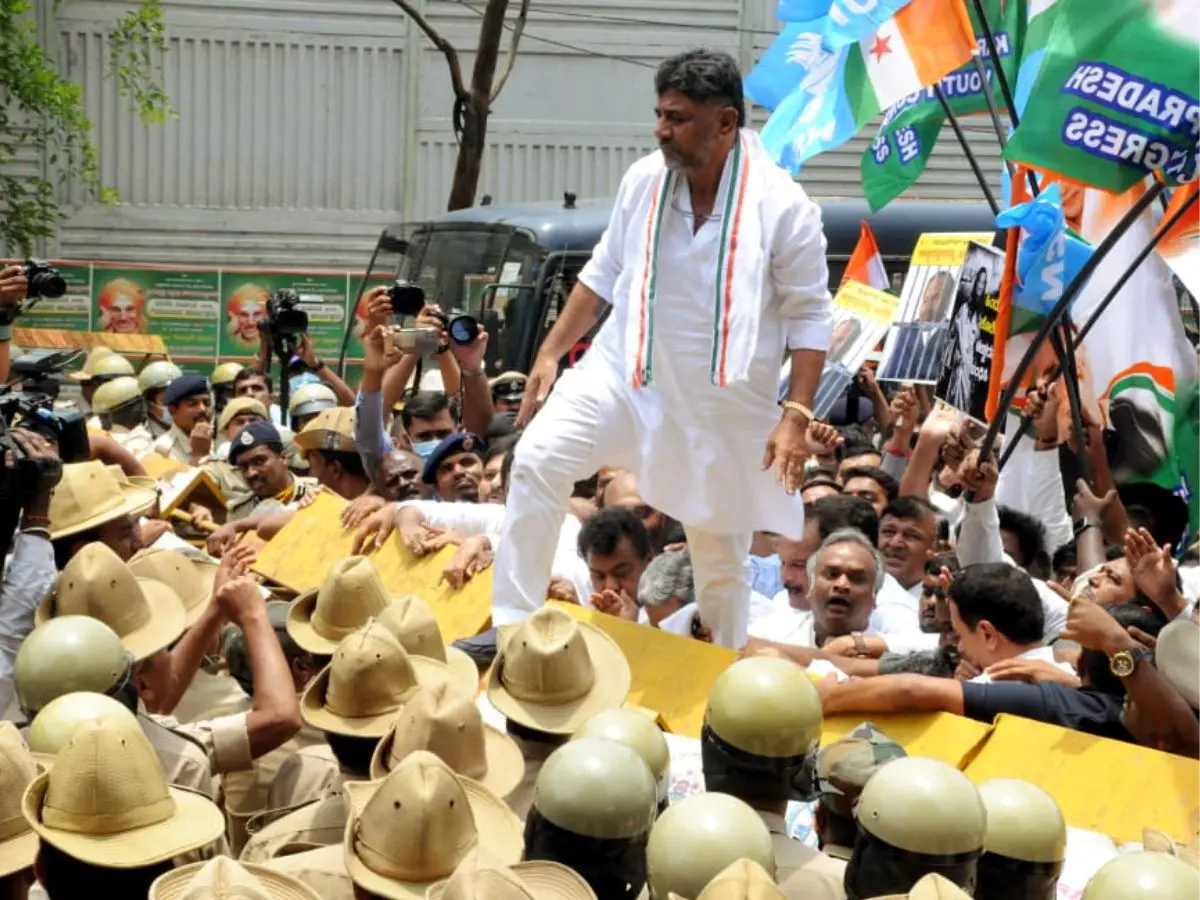
A government confronted by hostilities
The party high command eventually backed Siddaramaiah, with his popularity and seniority. DKS was made Deputy Chief Minister and president of the party’s state unit. However, an agreement was believed to have reached where DKS would take over as CM in the second half of the five-year term. The hostilities between the two party pillars spilled over into policy disagreements, administrative authority and cryptic social media posts.
Breakfast diplomacies: 2025
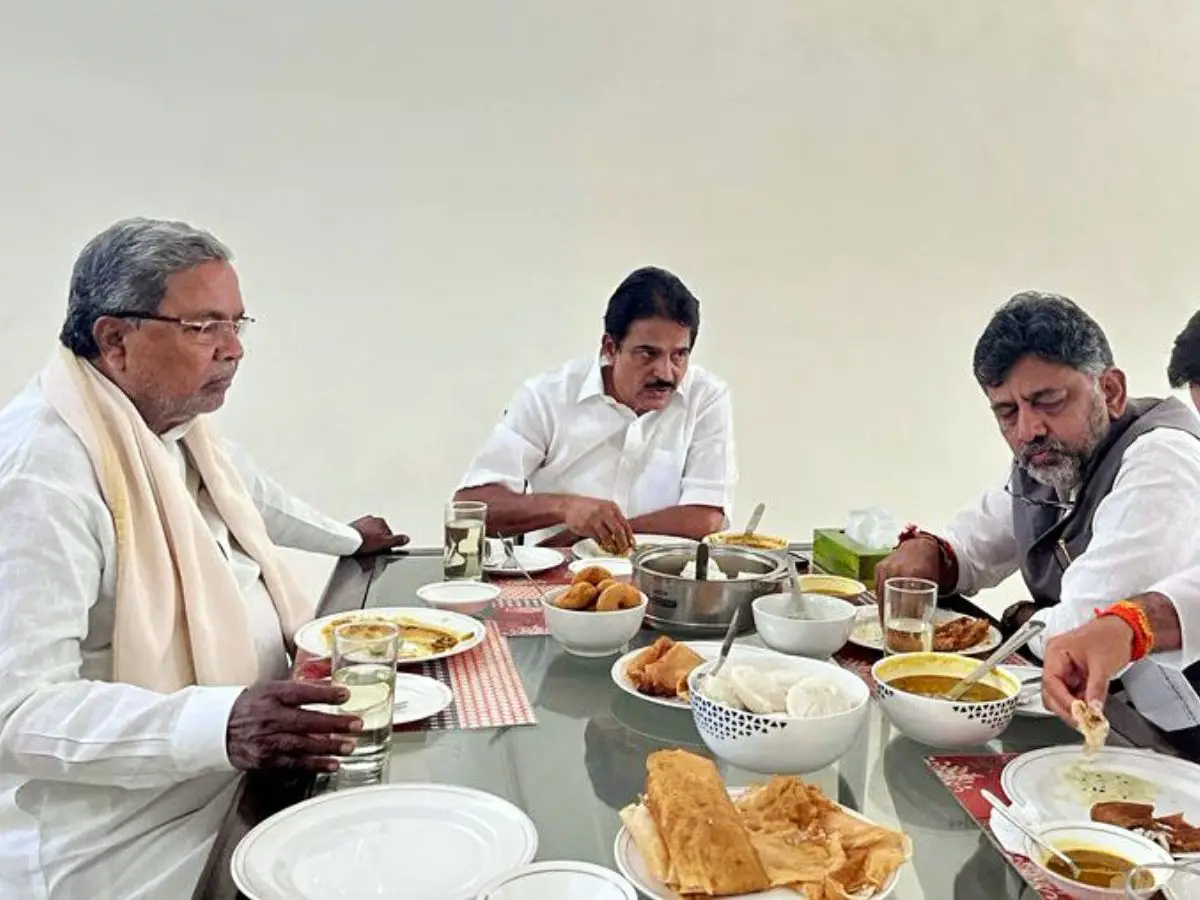
As the supposed 2.5 years mark approached in late 2025, DKS supporters began flagging the “deadline”. DKS loyalist MLAs even reached New Delhi to press for leadership change while Siddaramaiah asserted that he would remain in office for his full term. The high command was forced to play peacemaker, prompting “breakfast meetings” between the two feuding leaders to diffuse public tensions and project a stable front.
Tensions resurface: 2026
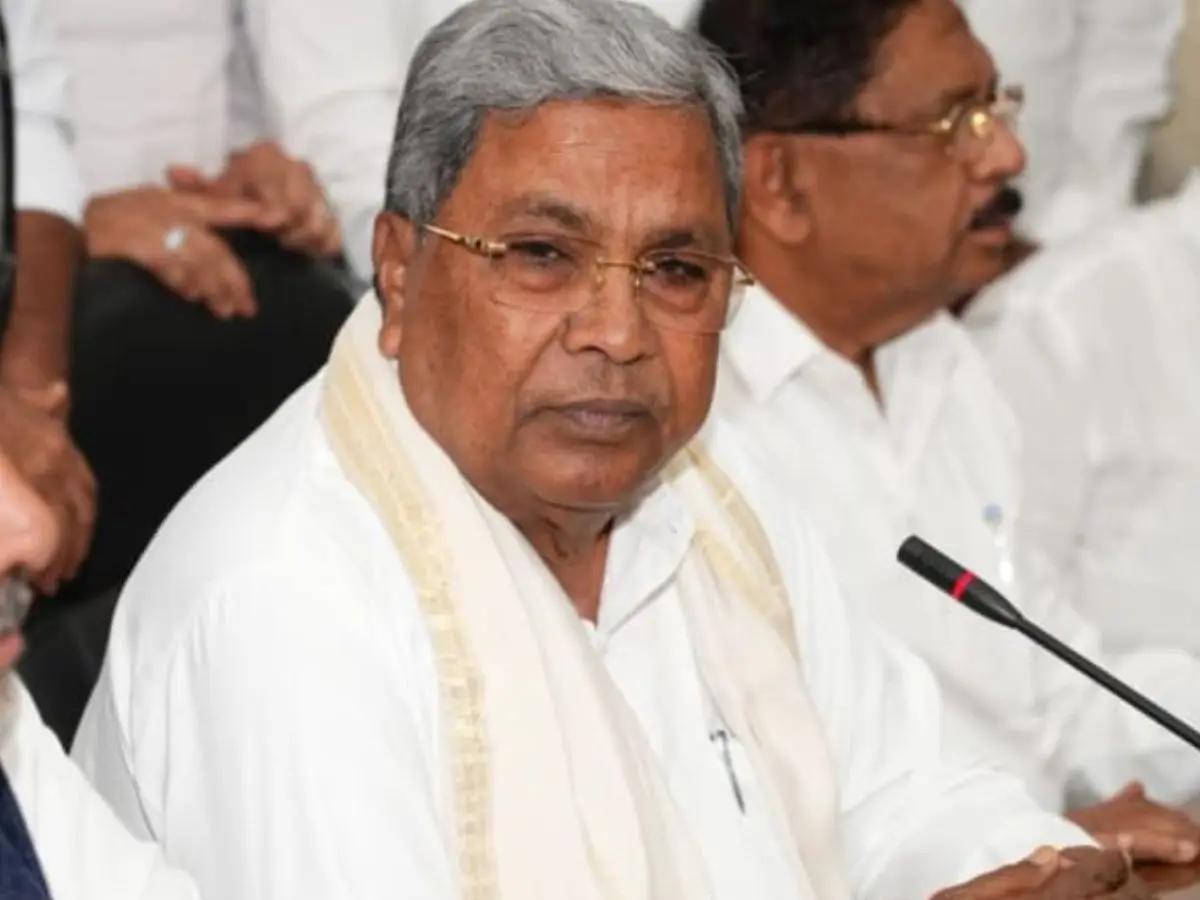
Even after public displays for amity, the underlying tussle remained. Discussions regarding a change once again gained momentum in 2026. The congress leadership, including Rahul Gandhi, held marathon meetings in New Delhi. The leadership reportedly asked Siddaramaiah to step down and offered him a Rajya Sabha seat. The morning of May 28, he hosted a breakfast for his cabinet where he formally announced his resignation.
A chapter closed?
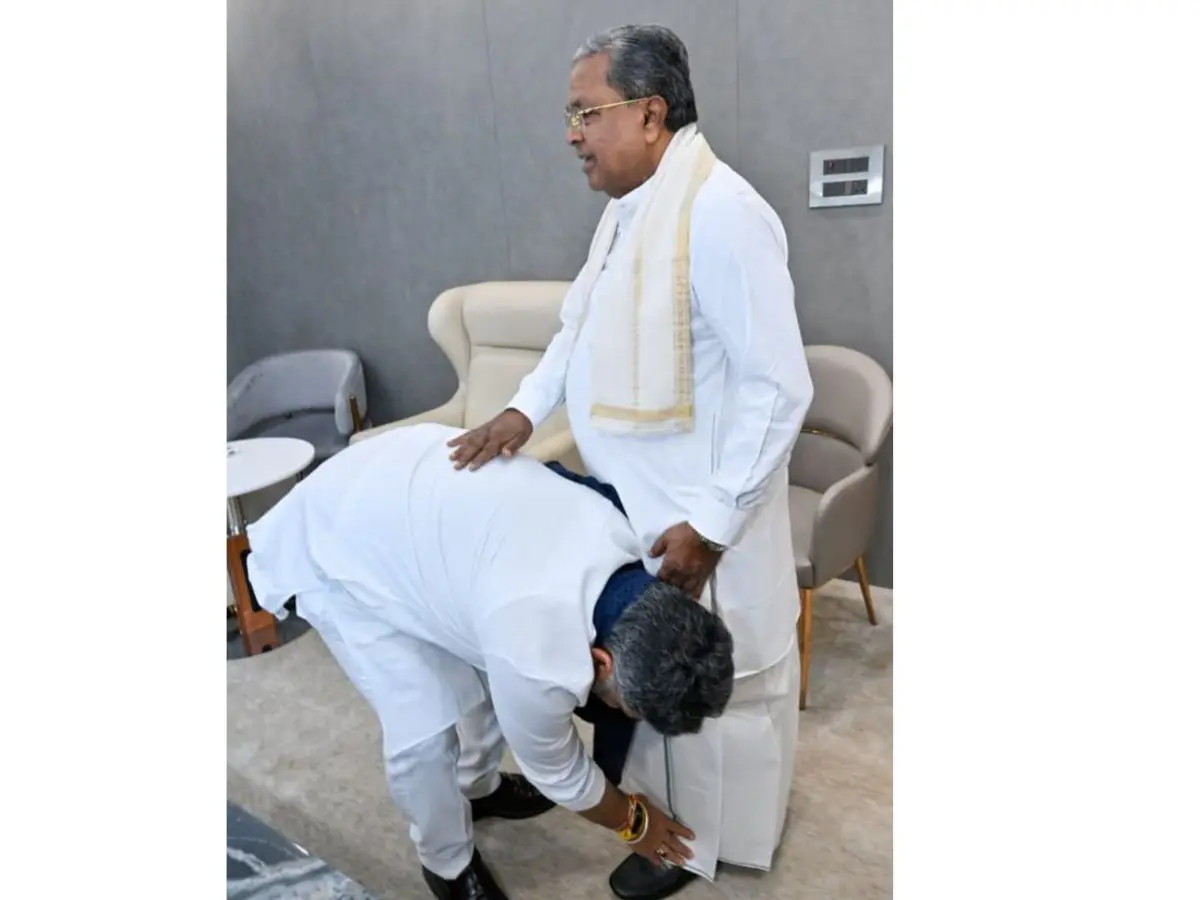
The decision is expected to bring an end to the “DK-Siddu” feud. Siddaramaiah became the longest-serving CM in Karnataka’s history, a veteran socialist, grassroots leader and arguably one of the tallest OBC leaders in Karnataka’s politics. However, one must note that Siddaramaiah has declined the RS seat and announced that he will continue to be active in local politics so there are chances that Karnataka might see more stand-offs between two of its strongest politicians.
)
)
)
)
)