Shubanshu Shukla returns after 3-week journey on the ISS: How India’s star pilot made history aboard Axiom Mission 4

Shubanshu Shukla, after spending 3 weeks aboard the ISS on Axiom Mission 4, marking India’s return to human spaceflight after 41 years. He led key experiments, making history and boosting India’s role in global space exploration.
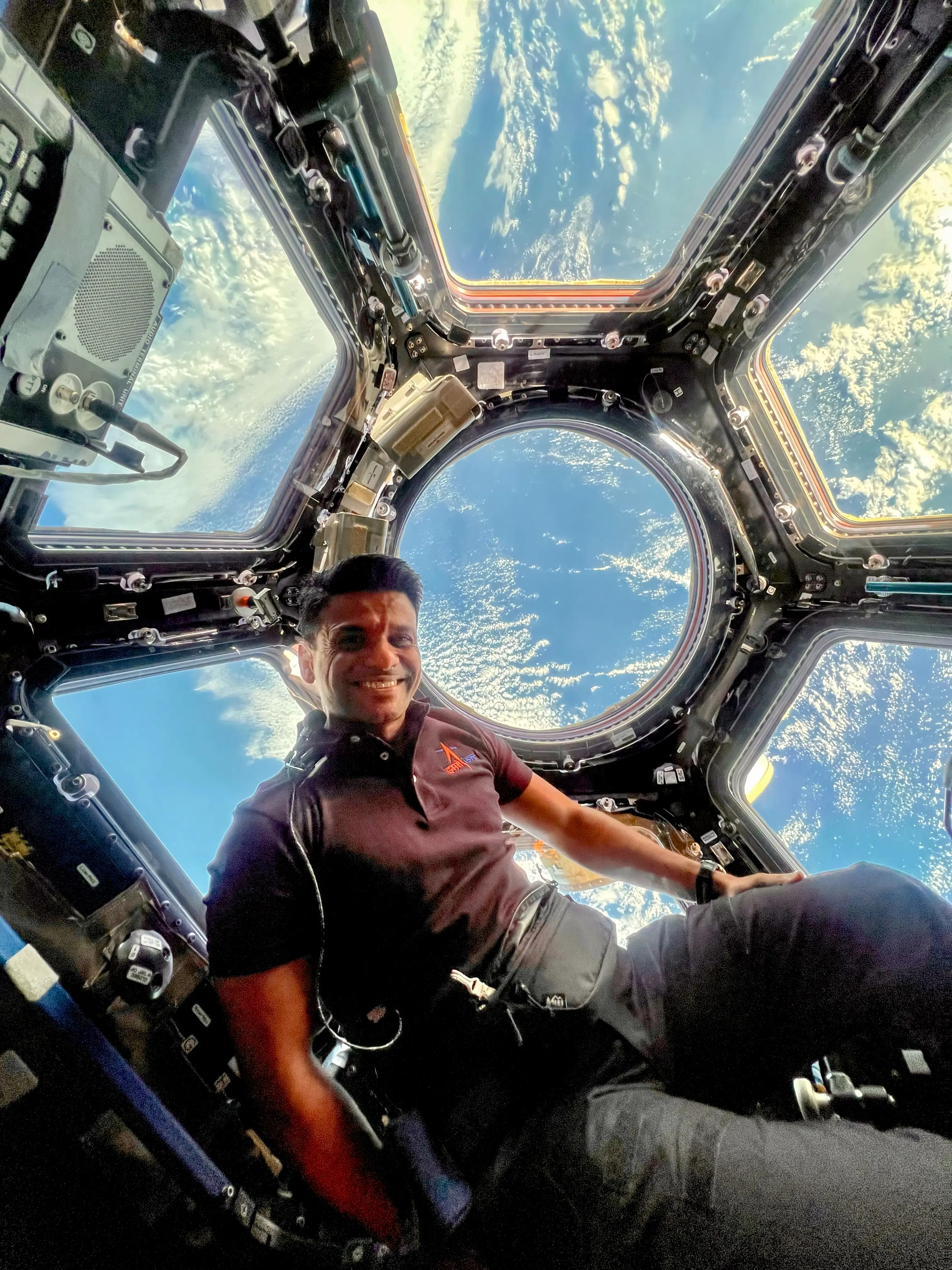
Shubanshu Shukla’s Background and Role
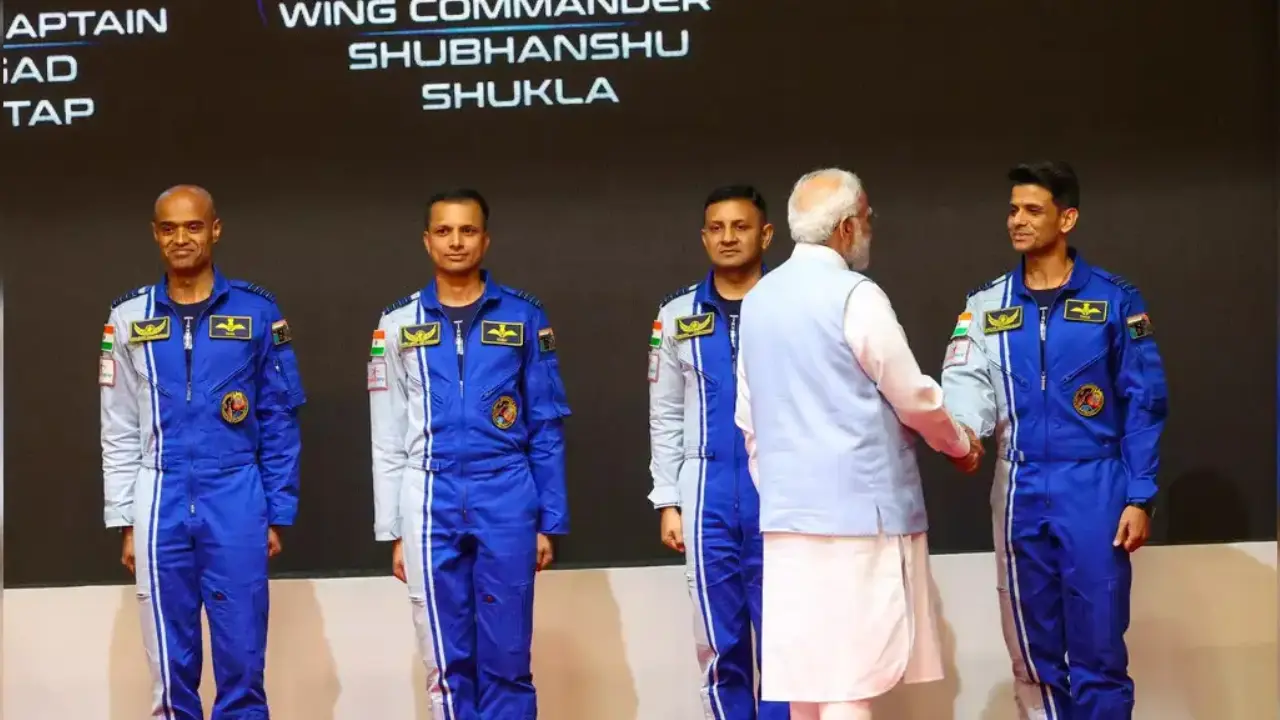
Shubanshu Shukla, born on October 10, 1985, in Lucknow, is a Group Captain in the Indian Air Force (IAF) pilot with over 2,000 hours of flight experience across aircraft like Su-30 MKI and MiG-21. His journey began with commissioning into the IAF fighter wing in June 2006, and he was selected by ISRO for the Gaganyaan mission in 2019. Trained at Russia’s Yuri Gagarin Cosmonaut Training Center, his preparation included rocket systems, zero-gravity living, and space science, equipping him for Axiom Mission 4. As the mission pilot, he became the second Indian in space, following Rakesh Sharma’s 1984 flight, and the first ISRO astronaut to visit the ISS.
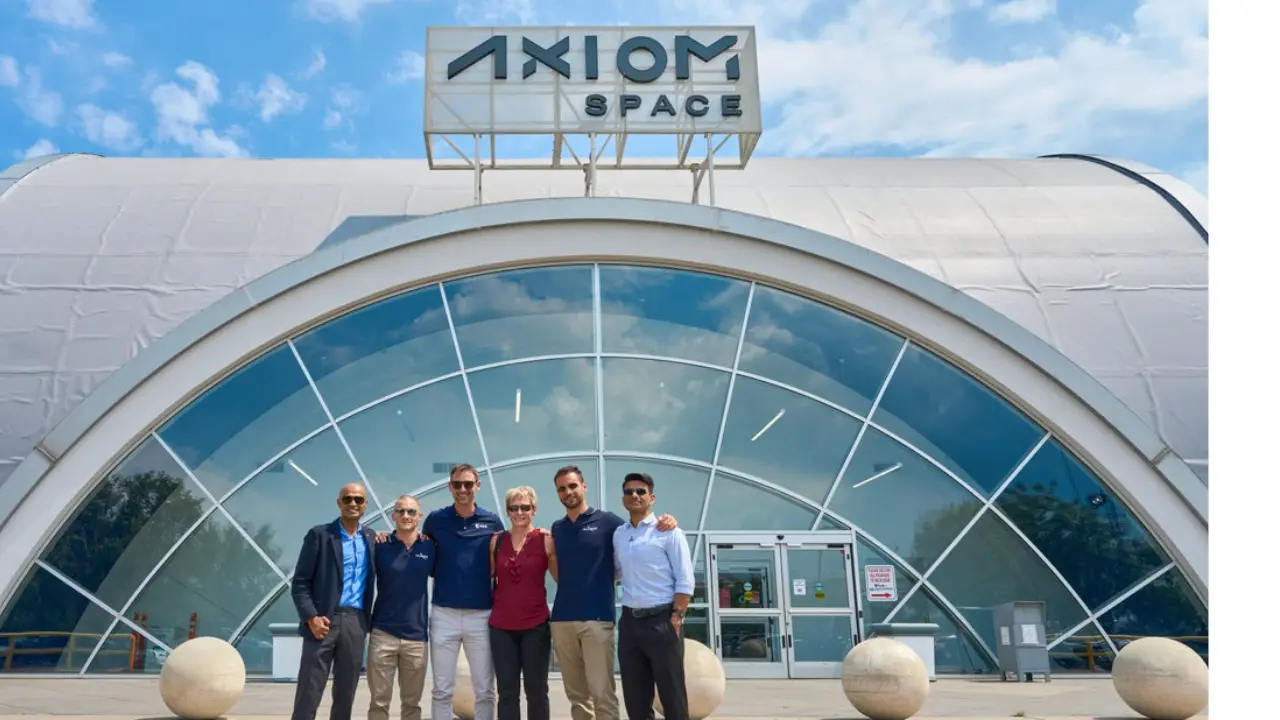
Axiom Mission 4: Overview and Objectives
Axiom Mission 4, organized by Axiom Space, launched on June 25, 2025, from NASA’s Kennedy Space Center in Florida, after multiple delays due to technical issues and weather conditions. The mission, involving 31 countries, aimed to conduct around 60 experiments on health, technology, and human life in space, focusing on the effects of microgravity. It docked with the ISS on June 26, 2025, at 6:31 am ET, after a 28-hour journey.
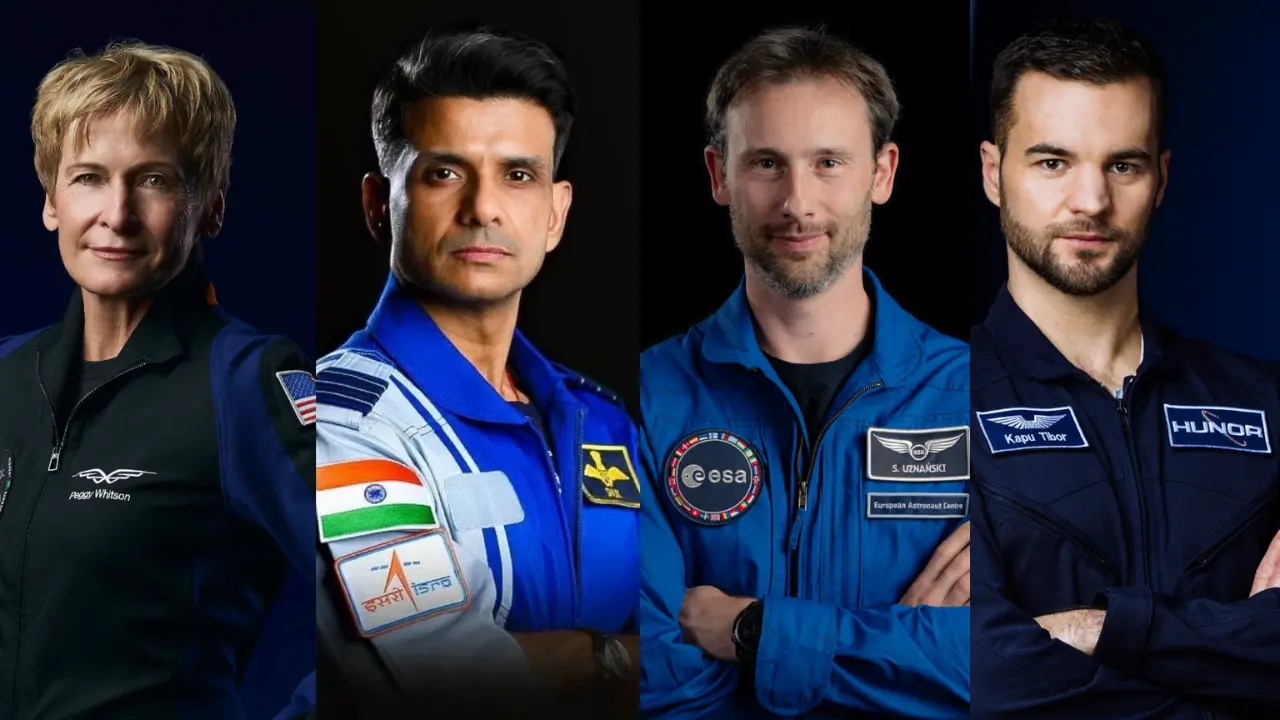
Crew Composition
The Axiom Mission 4 crew comprised:
- Commander: Peggy Whitson (USA), a former NASA astronaut now with Axiom Space.
- Pilot: Shubanshu Shukla (India), leading Indian experiments.
- Mission Specialists: Sławosz Uznański-Wiśniewski (Poland, ESA) and Tibor Kapu (Hungary, Hungarian Space Office).
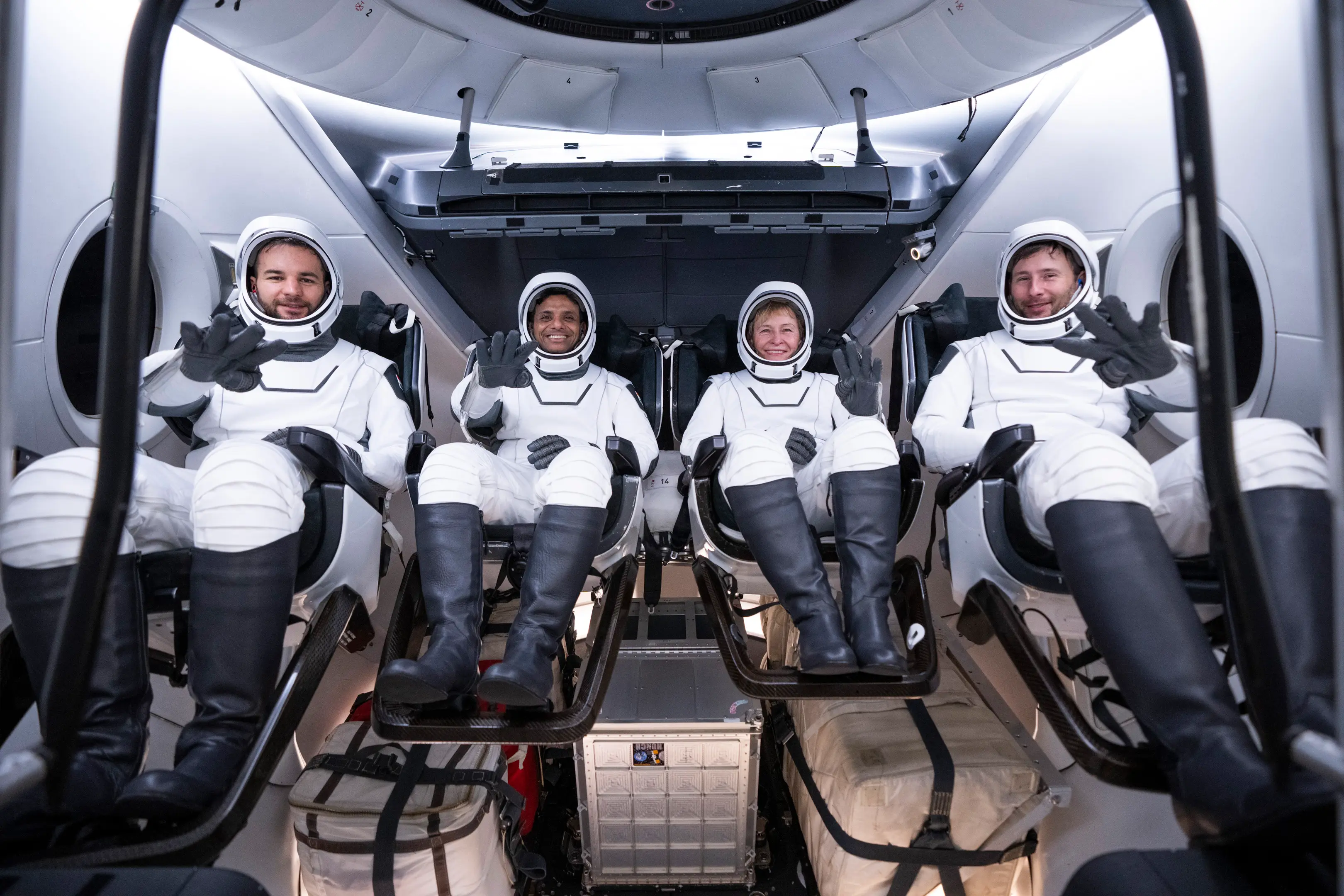
Launch Delays and Journey
The mission faced five postponements:
- Originally scheduled for May 29, 2025, delayed to June 8 due to electrical harness issues in the Crew Dragon Module.
- Further delayed to June 9 due to SpaceX’s Falcon 9 rocket preparedness, then to June 11 due to weather, and finally launched on June 25.
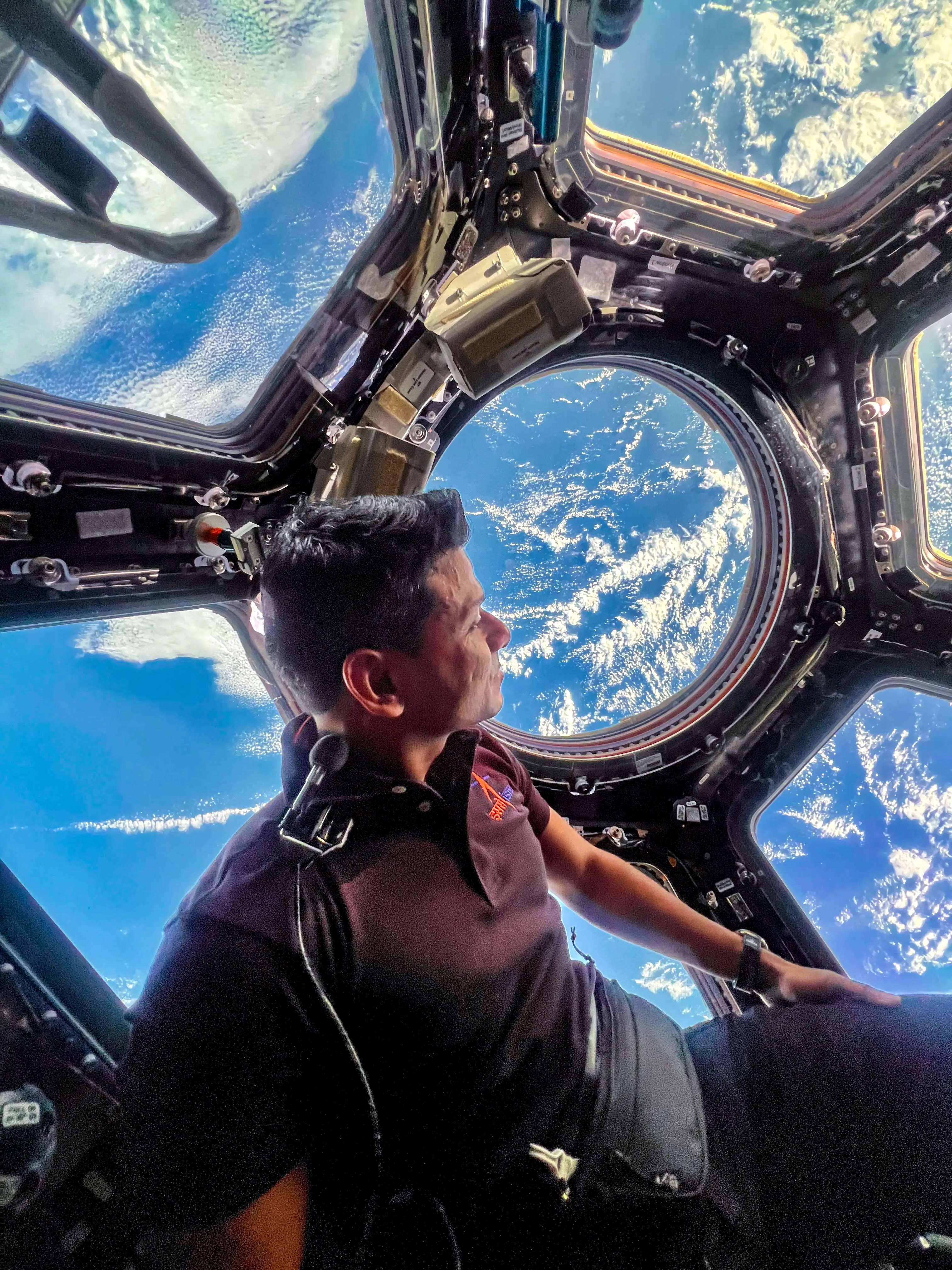
The 28-hour journey to the ISS was smooth, with the crew welcomed by Expedition 73 upon docking, marking a historic moment for India.
Indian Experiments and ISRO’s Role
Shubanshu Shukla led several Indian experiments, notably the Myogenesis study on skeletal muscle degradation in space, conducted in the Life Sciences Glovebox (LSG). This research aims to uncover biological pathways affected by microgravity, crucial for future long-duration missions. ISRO supported the mission by sending experiments and preparing for future astronauts, reinforcing India’s commitment to space science.
Significance for India
Axiom mission 4 marks India’s return to human spaceflight after 41 years, since Rakesh Sharma’s pioneering mission in 1984. Shubanshu’s achievement underscores India’s growing capabilities in human spaceflight and its strategic approach to leveraging commercial space opportunities. It paves the way for ISRO’s Gaganyaan mission and strengthens India’s position in the global space community.
Public and Official Reactions
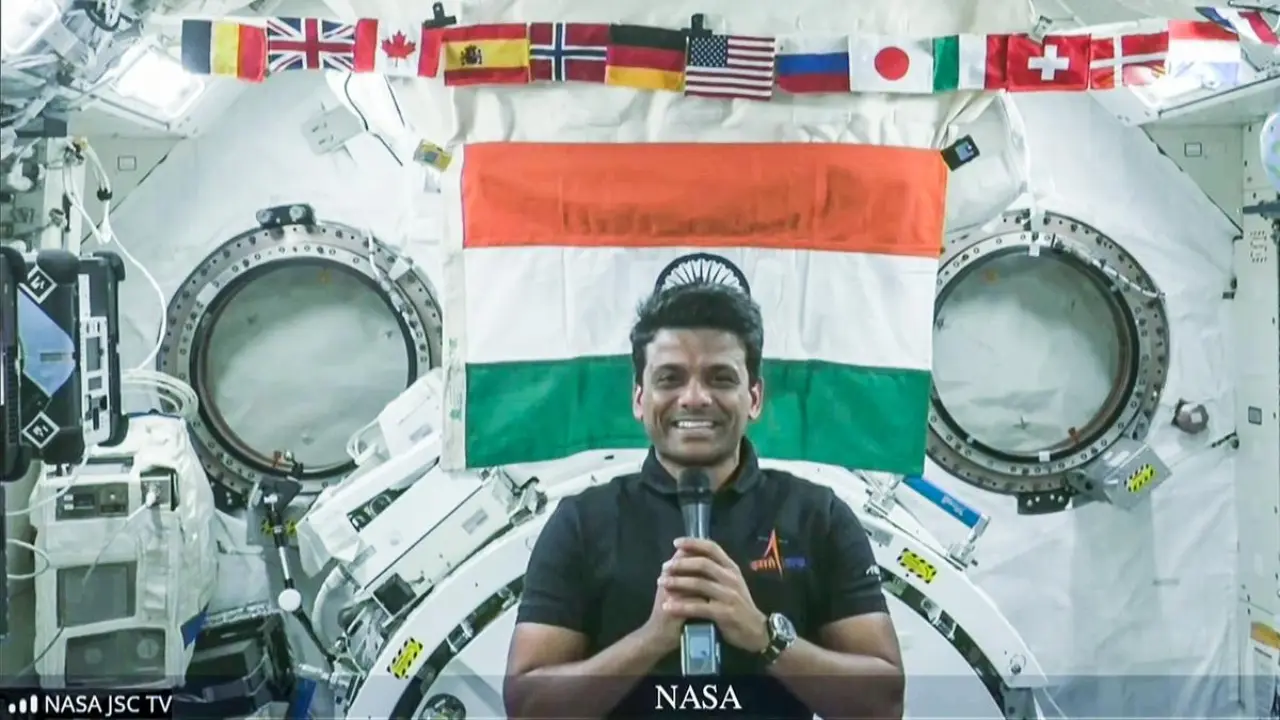
Shubanshu’s first message from space, “Namaskar my dear countrymen. What a ride. After 40 years, we’ve reached space again,” resonated nationally, emphasizing collective achievement. Public reactions, as noted by India Today, celebrated this milestone, with social media and schools reflecting national pride. ISRO and Axiom Space highlighted the mission’s success, with Peggy Whitson expressing pride in Shubanshu’s role.
Future Implications
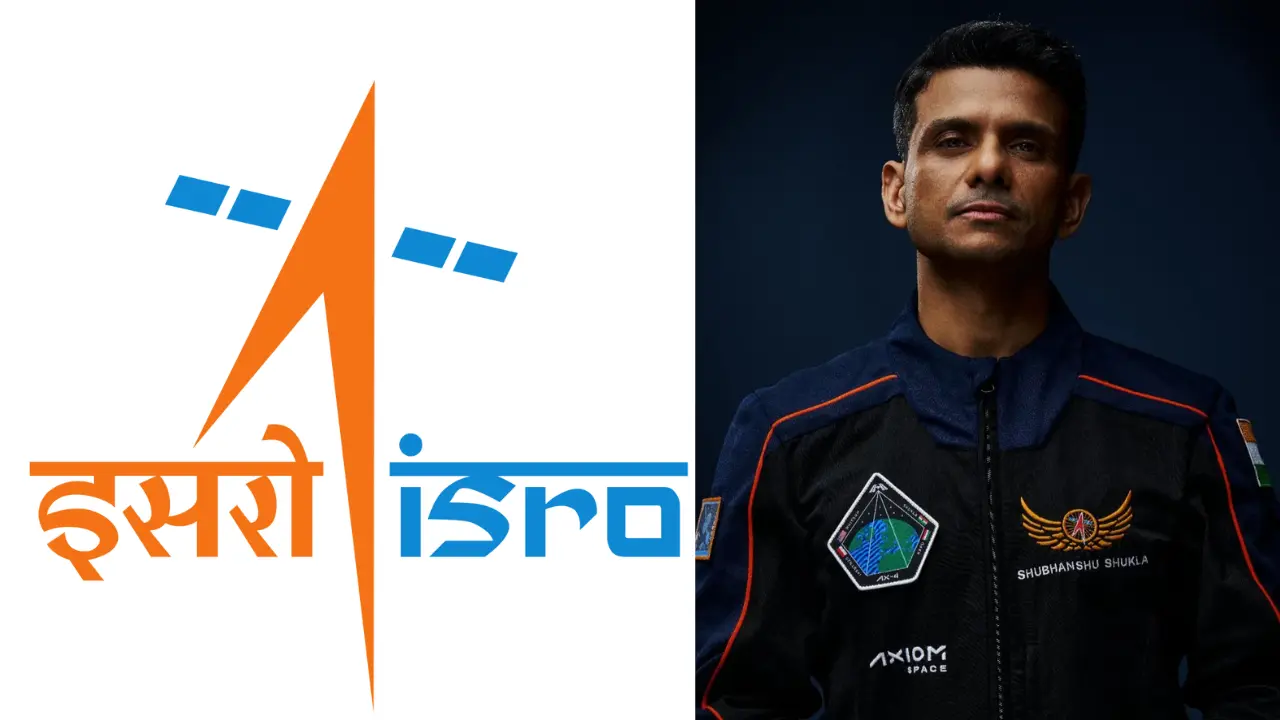
The mission opens doors for more Indian astronauts and commercial space missions, as reported by Visionias. It aligns with ISRO’s goals for Gaganyaan and positions India as a key player in international space research, with potential for future collaborations and technological advancements.
)
)
)
)
)