Shortest take-off jets: Which ones can launch in seconds?

Some jets are built to take off from short runways or rough fields, giving them an edge in emergencies or remote places. Know which jets can launch instantly.
Take-off distance?
Take-off distance is the minimum runway a jet needs to get airborne safely. Shorter take-off means jets can use small or improvised airfields in a crisis.
Why short take-off matters
Jets with short take-off ability reach places ordinary jets cannot. This helps for military surprise, disaster relief, or remote medical drops, according to aviation experts.
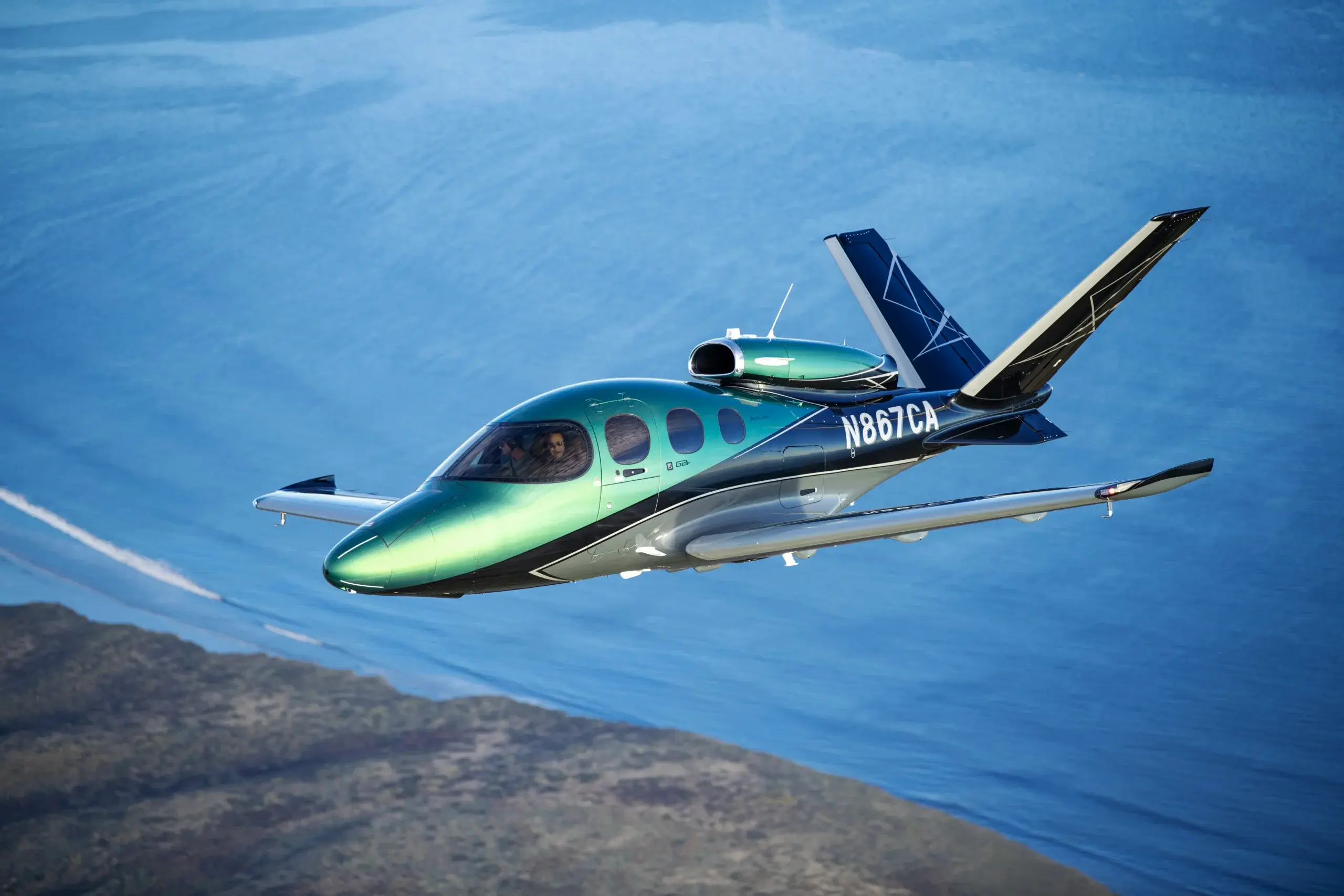
Cirrus Vision Jet record for private jets
The Cirrus Vision Jet tops the list for shortest private jet take-off, lifting off in just 2,036 feet. Its lightweight frame and clever aerodynamics make it ideal for small airstrips.
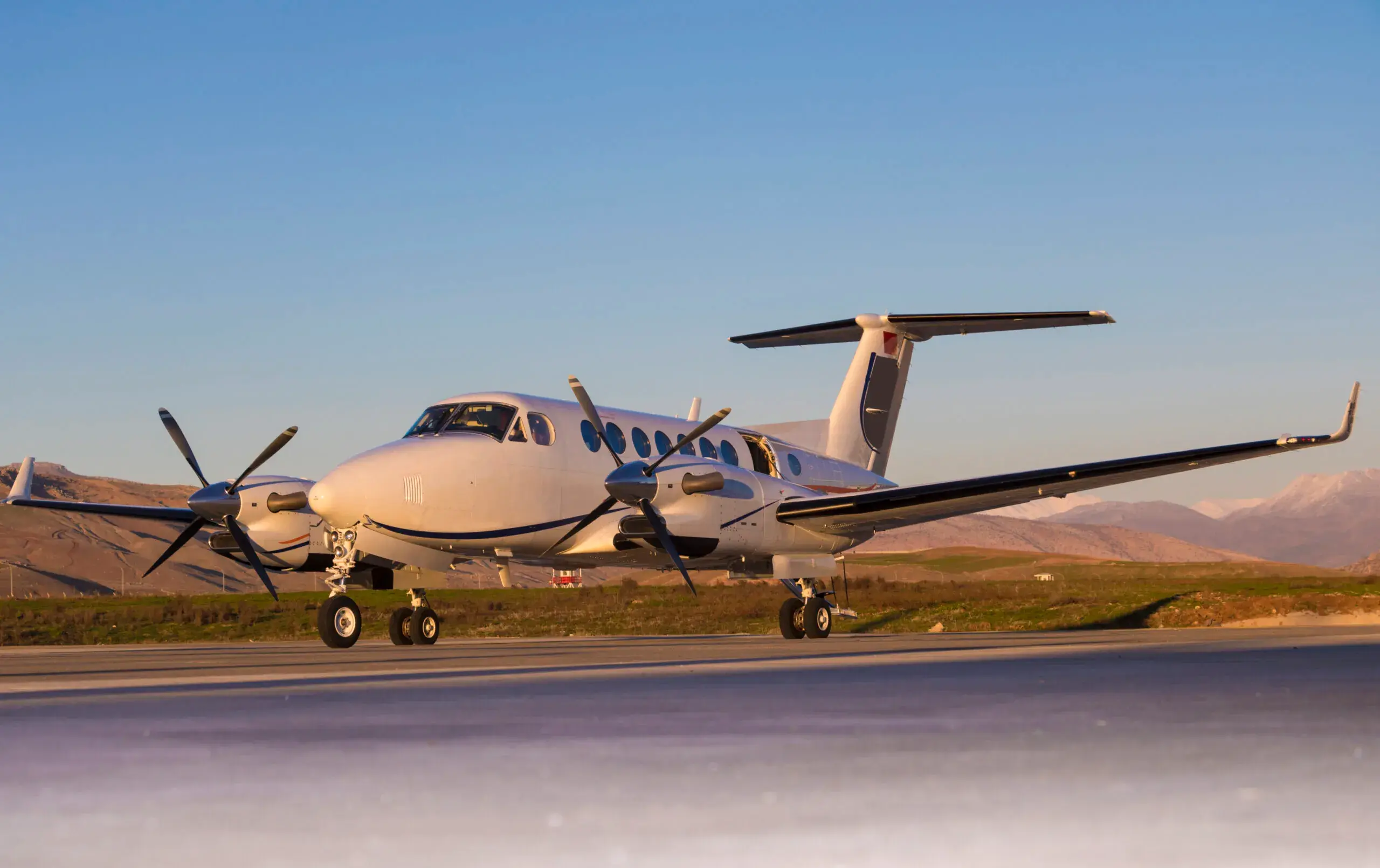
Turboprops excel at short launches
Many turboprop aircraft, such as the Piper M500 and Cessna Grand Caravan EX, regularly take off in less than 2,200 feet and are common in remote locations around the world.
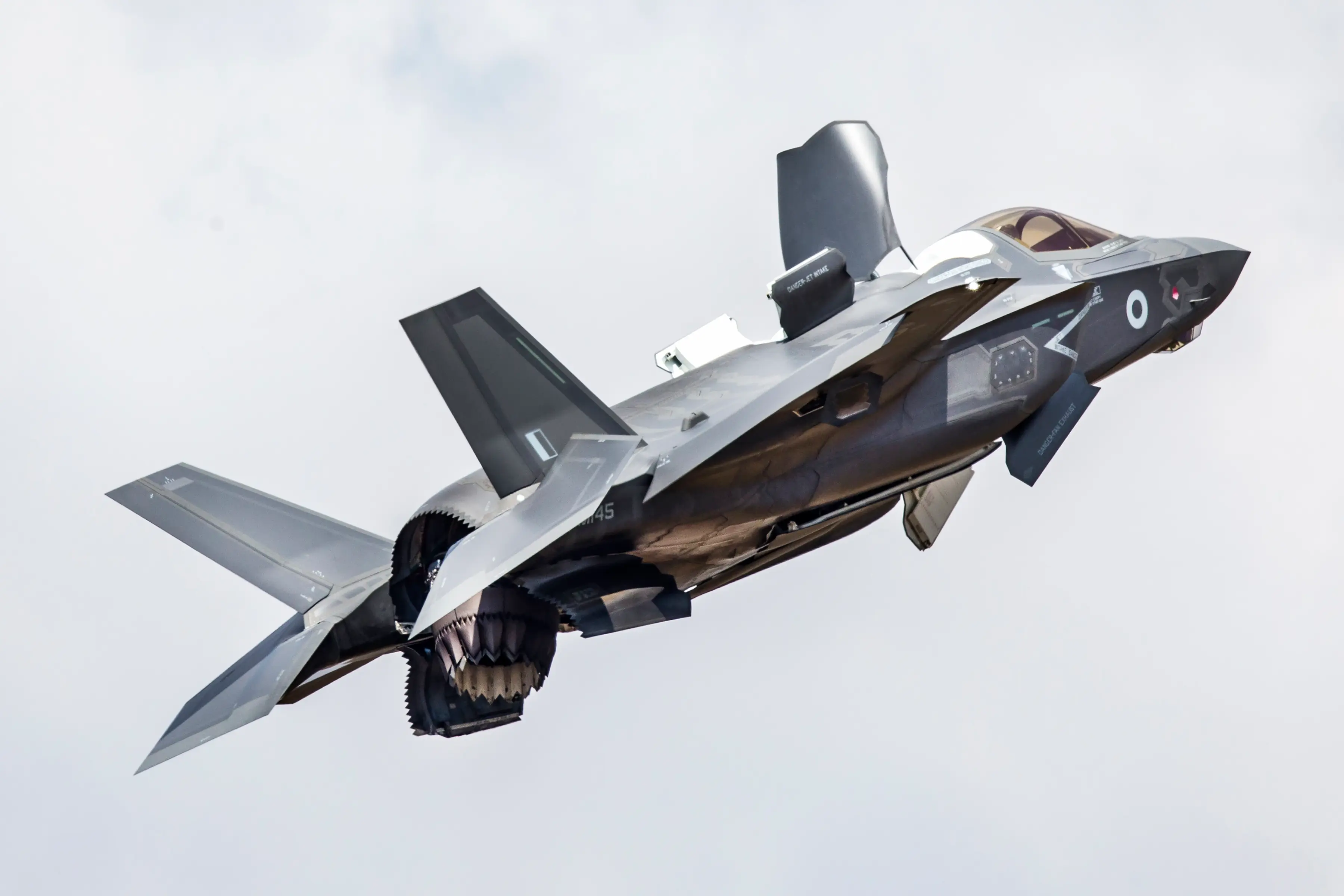
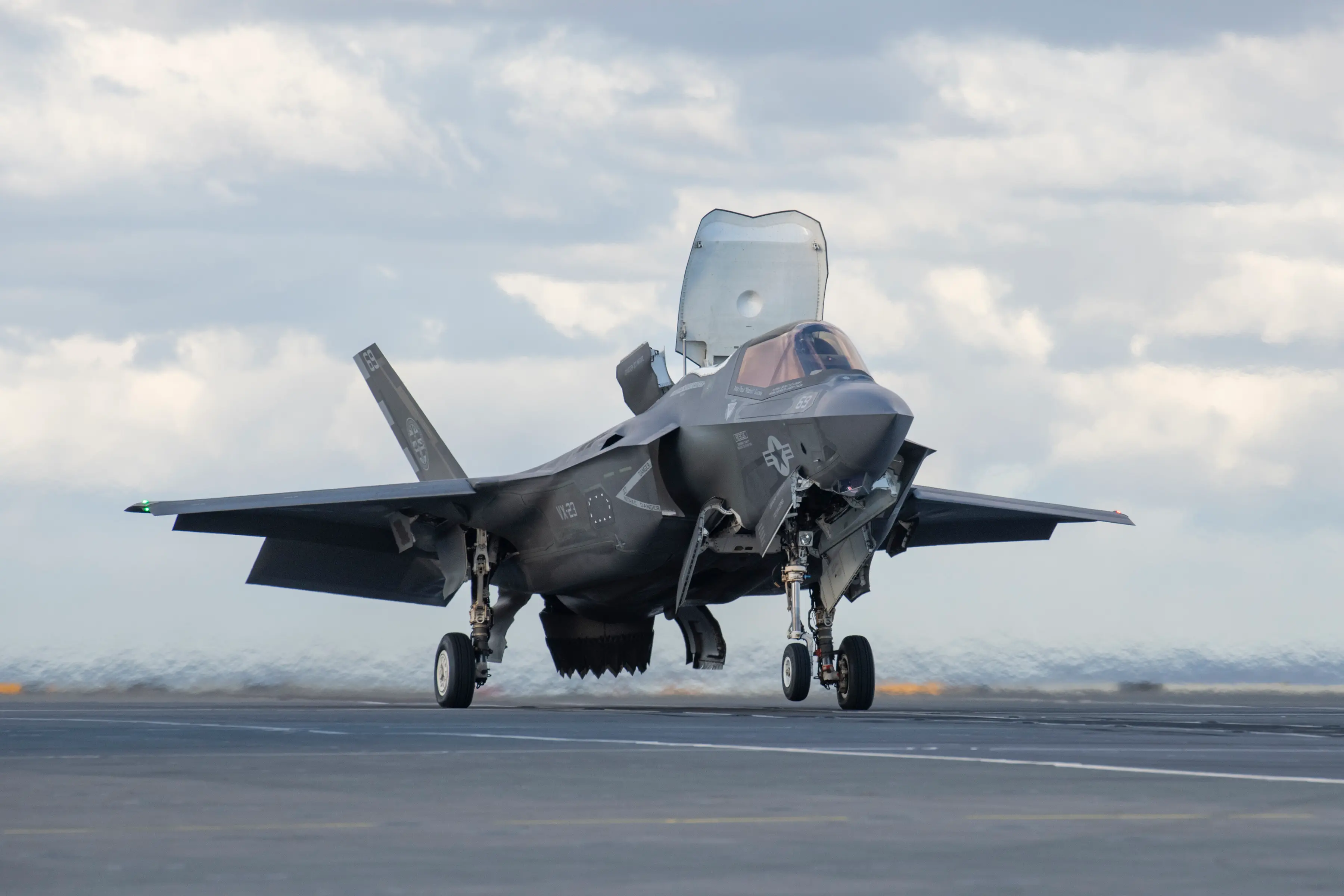
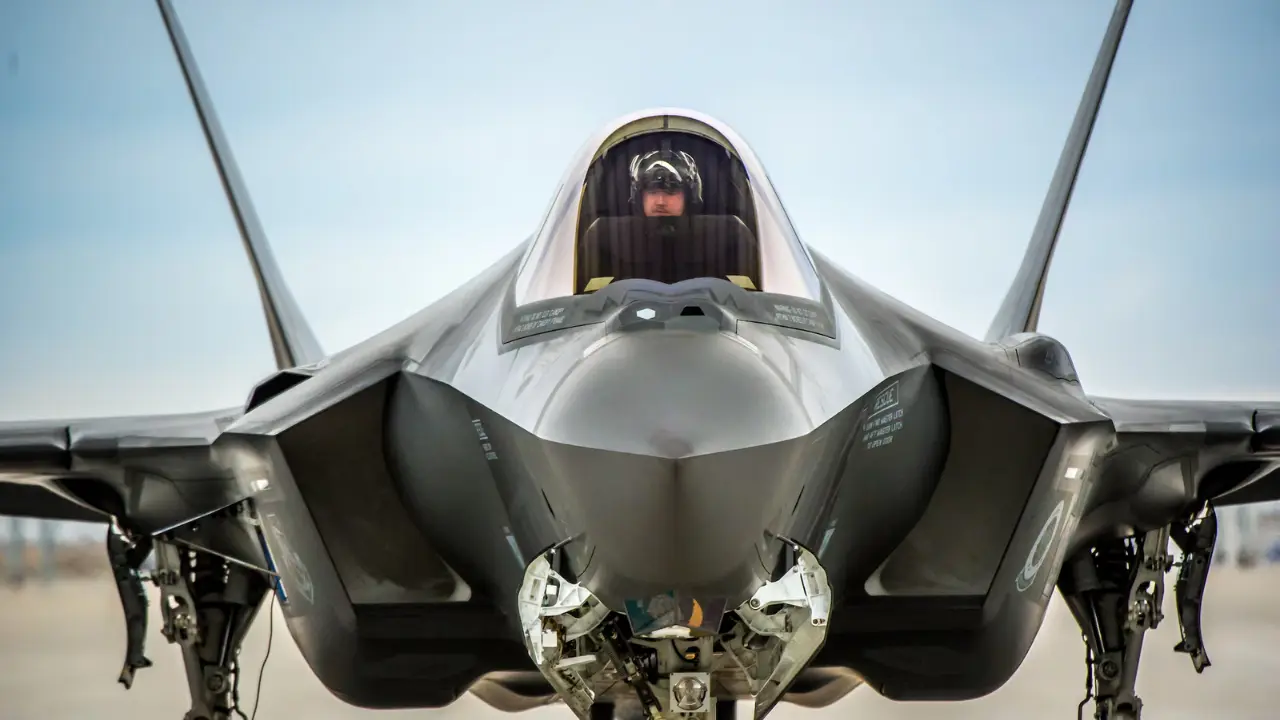
STOL military jets Harrier and F-35B
Some military jets need only very short runways. The Harrier Jump Jet and F-35B Lightning II can even take off vertically or within a few hundred feet, according to defence sources.
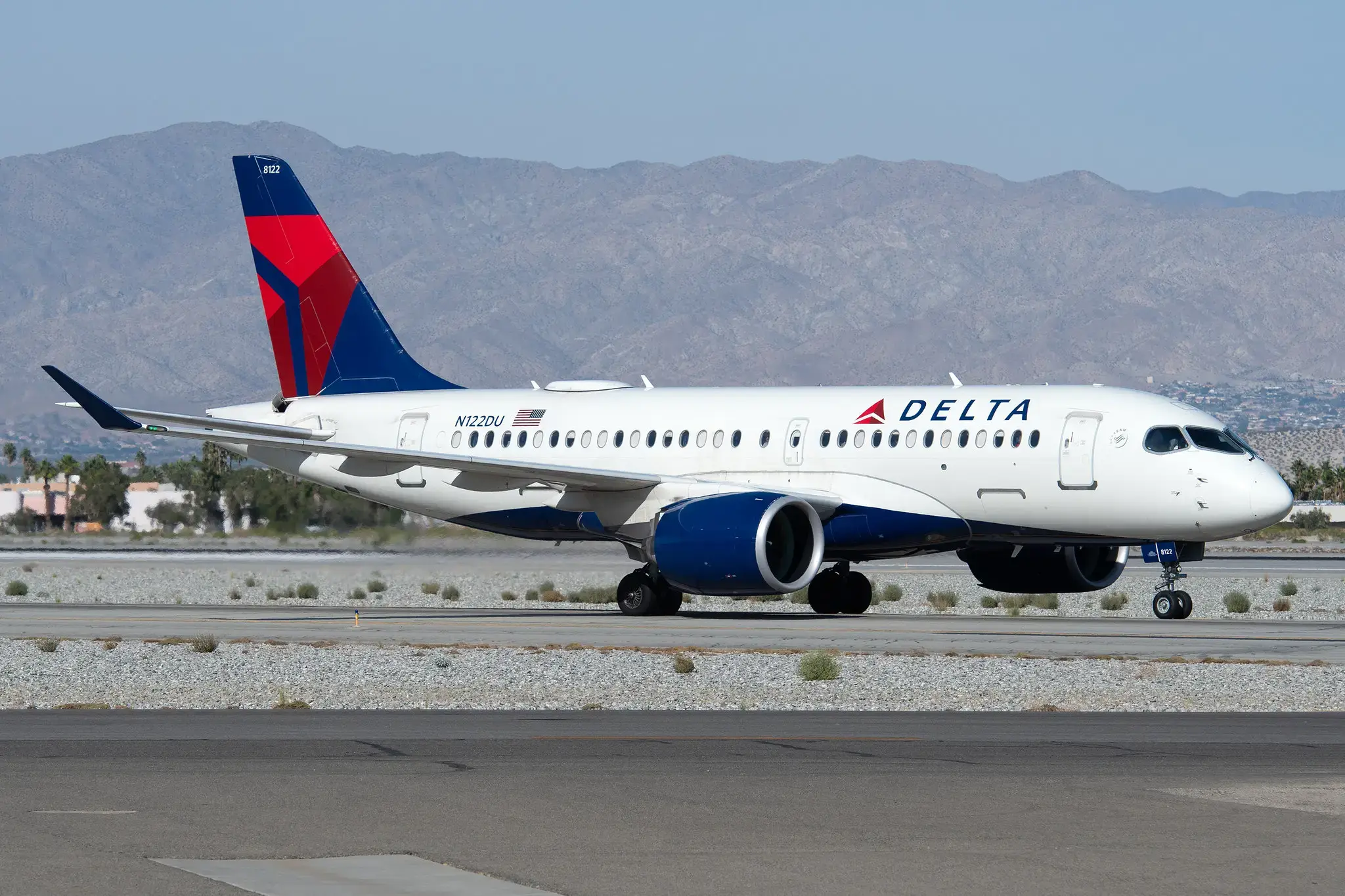
Fastest passenger jet take-offs
The Airbus A220-100 and ATR-72-600 are best among jetliners, each requiring less than 1,300 metres in standard conditions. This opens routes to more airports.
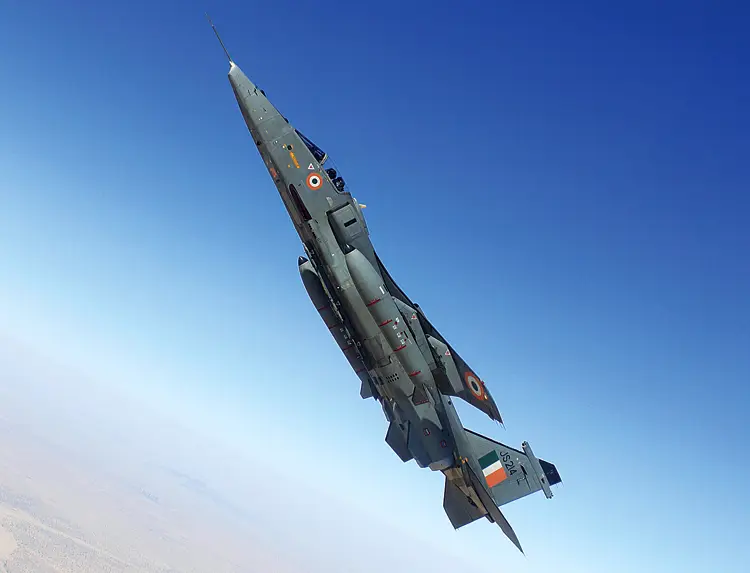
Why speed is not the only measure
Actual take-off time depends on weight, weather, and runway conditions. Military and private jets are often ready in seconds if needed.
)
)
)
)
)