Ships going ‘dark’, using ‘zombie’ IDs: What tactics are vessels using to cross Strait of Hormuz amid blockade?

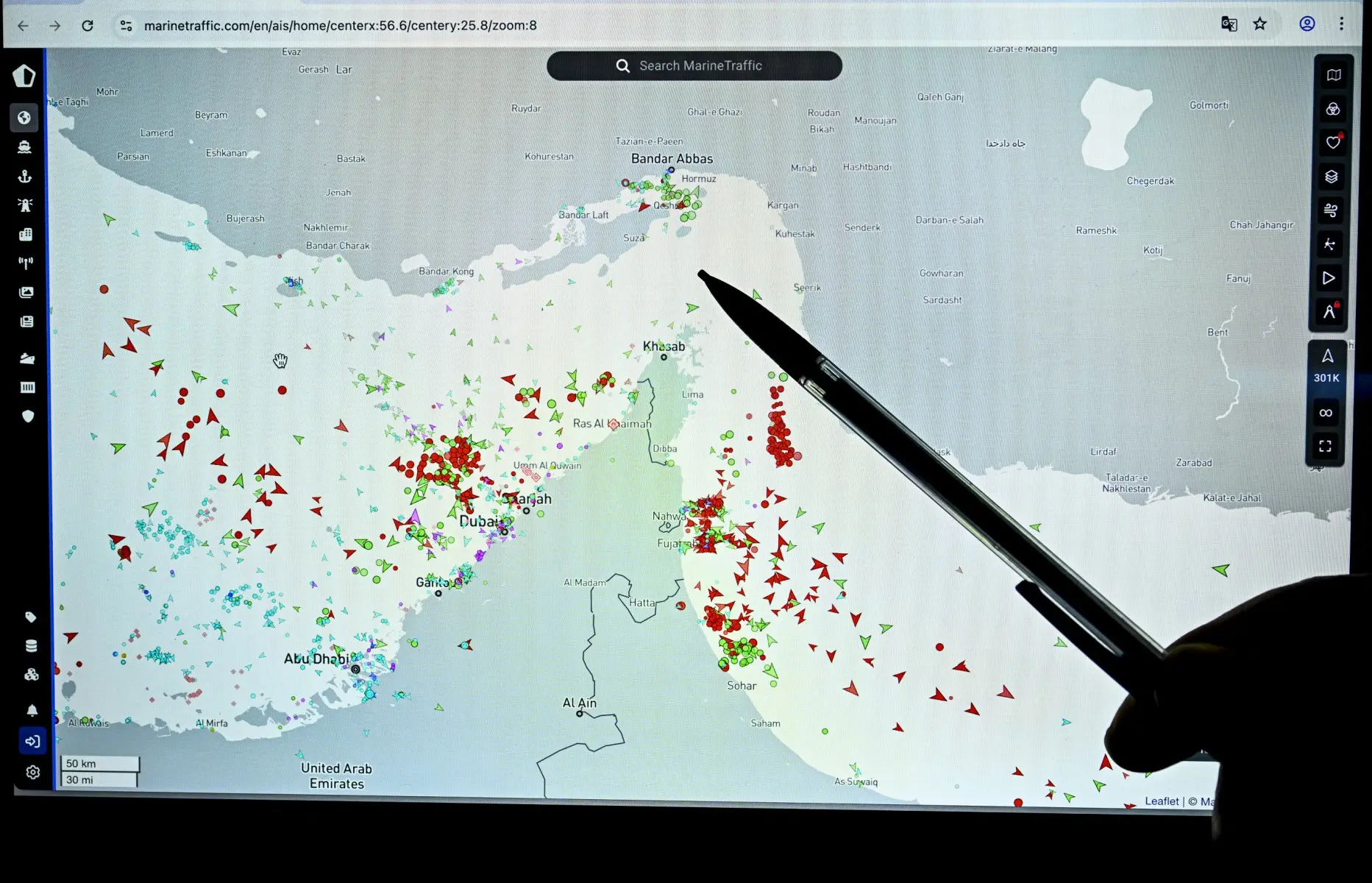
One of the most prominent tactics involves disabling the Automatic Identification System (AIS), which typically broadcasts a vessel’s location and identity.
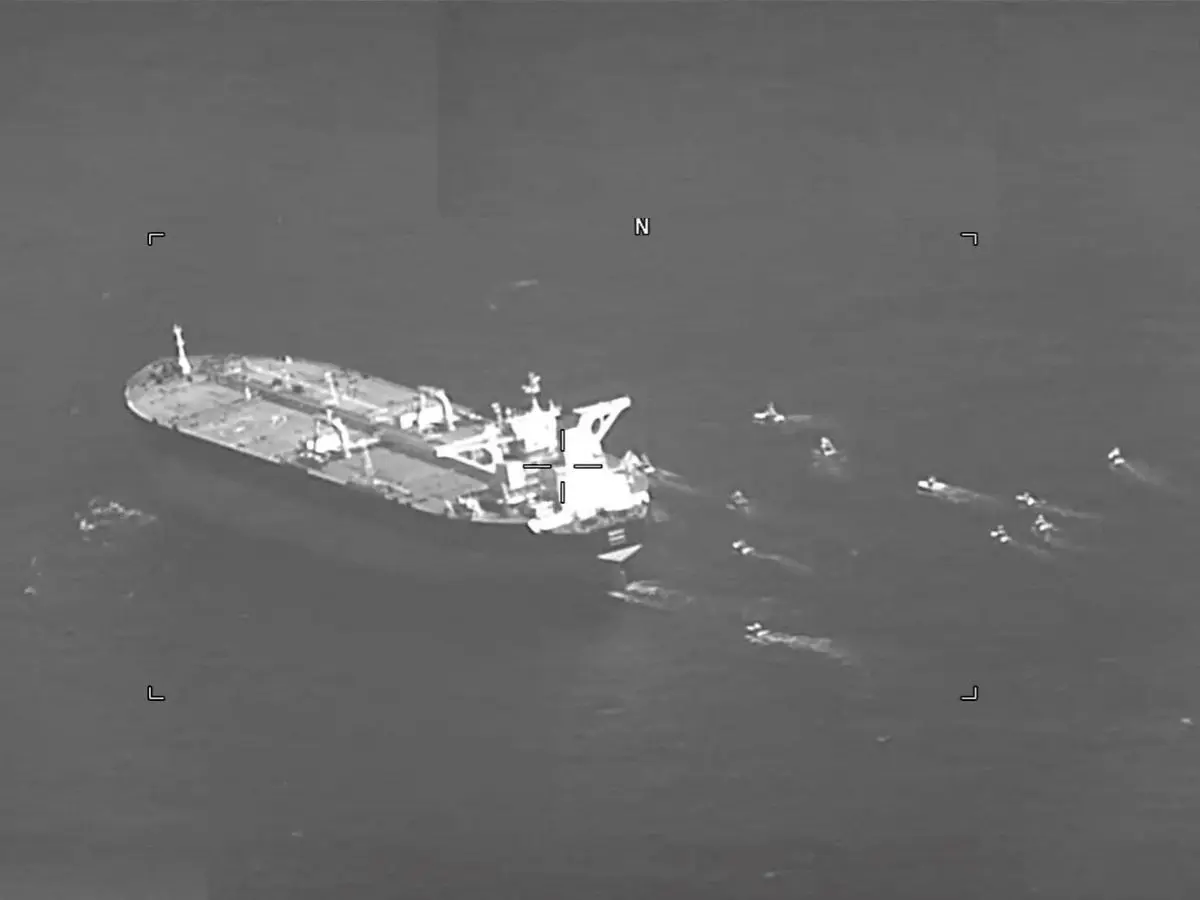
Evasive navigation emerges in high-risk waters
Ships transiting the Strait of Hormuz are increasingly adopting evasive measures to reduce the risk of being targeted or detained, as tensions continue to disrupt one of the world’s most critical maritime corridors. Ship-tracking data and industry analysts indicate that vessels are deliberately limiting their visibility while navigating the narrow waterway linking the Gulf to global markets.
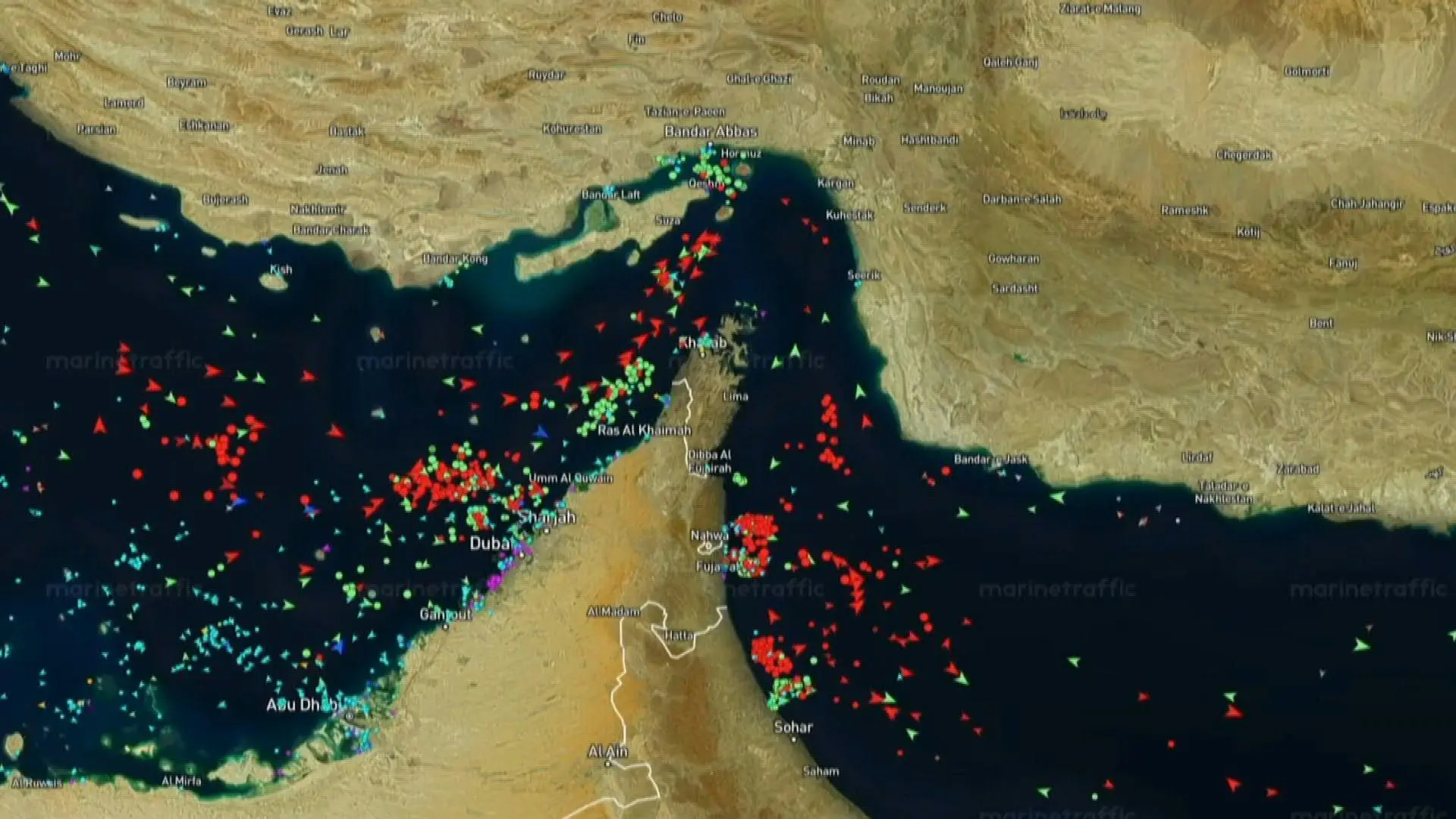
Switching off signals to avoid detection
One of the most prominent tactics involves disabling the Automatic Identification System (AIS), which typically broadcasts a vessel’s location and identity. By going ‘dark’, ships effectively remove themselves from public tracking systems, making their movements harder to monitor during sensitive crossings.

Use of ‘zombie’ identities and spoofing
Some vessels are also transmitting false identification data or adopting another ship’s Maritime Mobile Service Identity (MMSI), a practice often described as using ‘zombie’ identities. This tactic can create confusion in tracking systems and obscure a vessel’s true position or ownership. However, analysts caution that such data anomalies are not always deliberate.
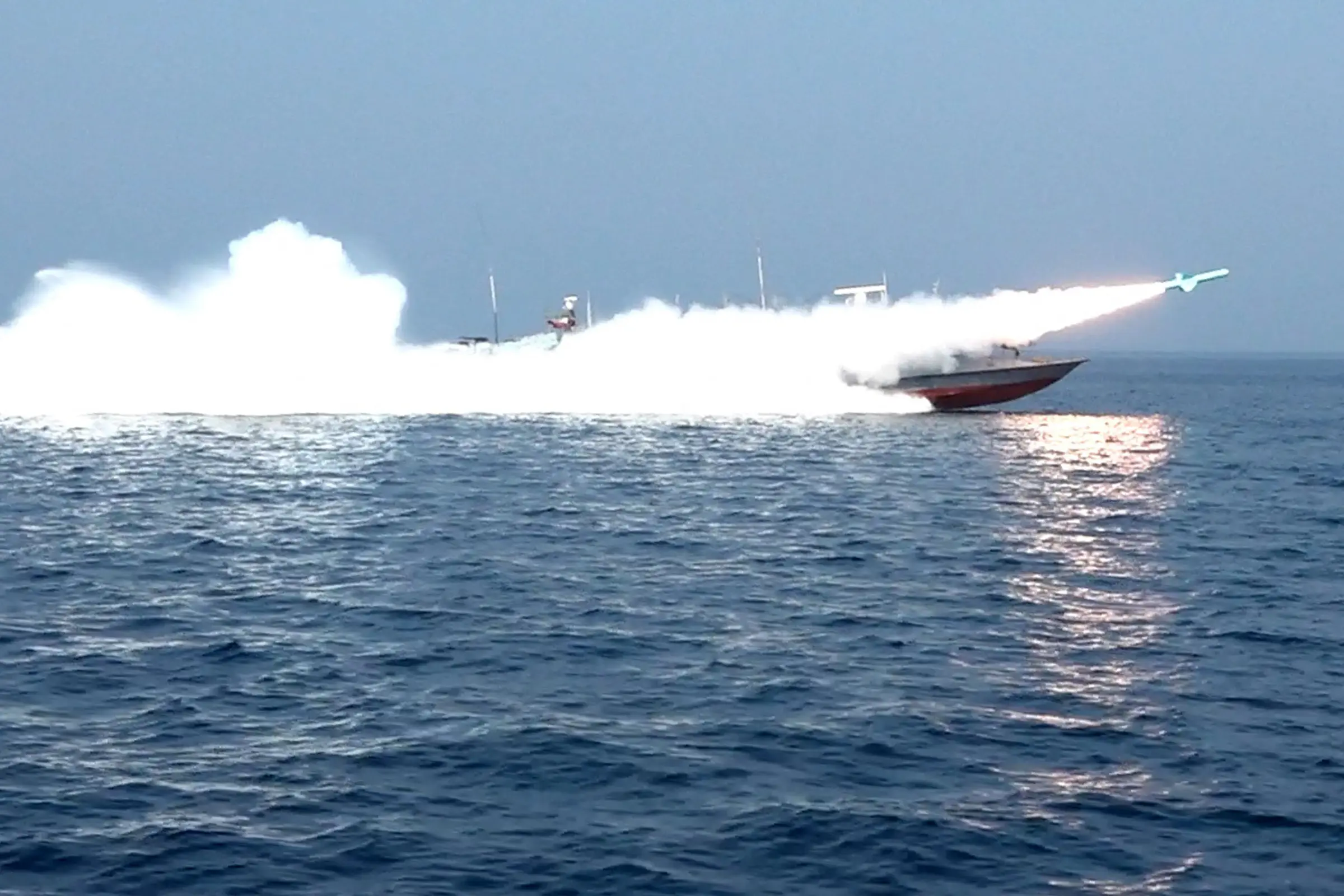
Fast-attack boats and layered threats reshape Hormuz risk
Iran’s use of swarms of small, fast boats to seize two container ships near the Strait of Hormuz has raised questions over claims that its naval threat has been neutralised. These boats, operated by the Revolutionary Guards, reportedly equipped with machineguns, rocket launchers and in some cases anti-ship missiles, are part of a wider 'layered system of threats' in the Strait. Unlike traditional naval engagements, these asymmetric tactics complicate navigation for commercial shipping, forcing vessels to adopt evasive measures such as signal disruption, route alteration and reduced visibility to minimise exposure in the narrow and contested waterway.
Analyst flags spoofing risks but no clear signal anomalies
“We have not yet heard official confirmation of the position. There are occasional cases of bad signal data, or of ships spoofing positions or even using another ship’s identity (MMSI) number, but the indicated position does not show immediately obvious signs of this,” Alex Froley, senior LNG analyst at ICIS told Reuters.
Case study: LNG tanker reappears near India
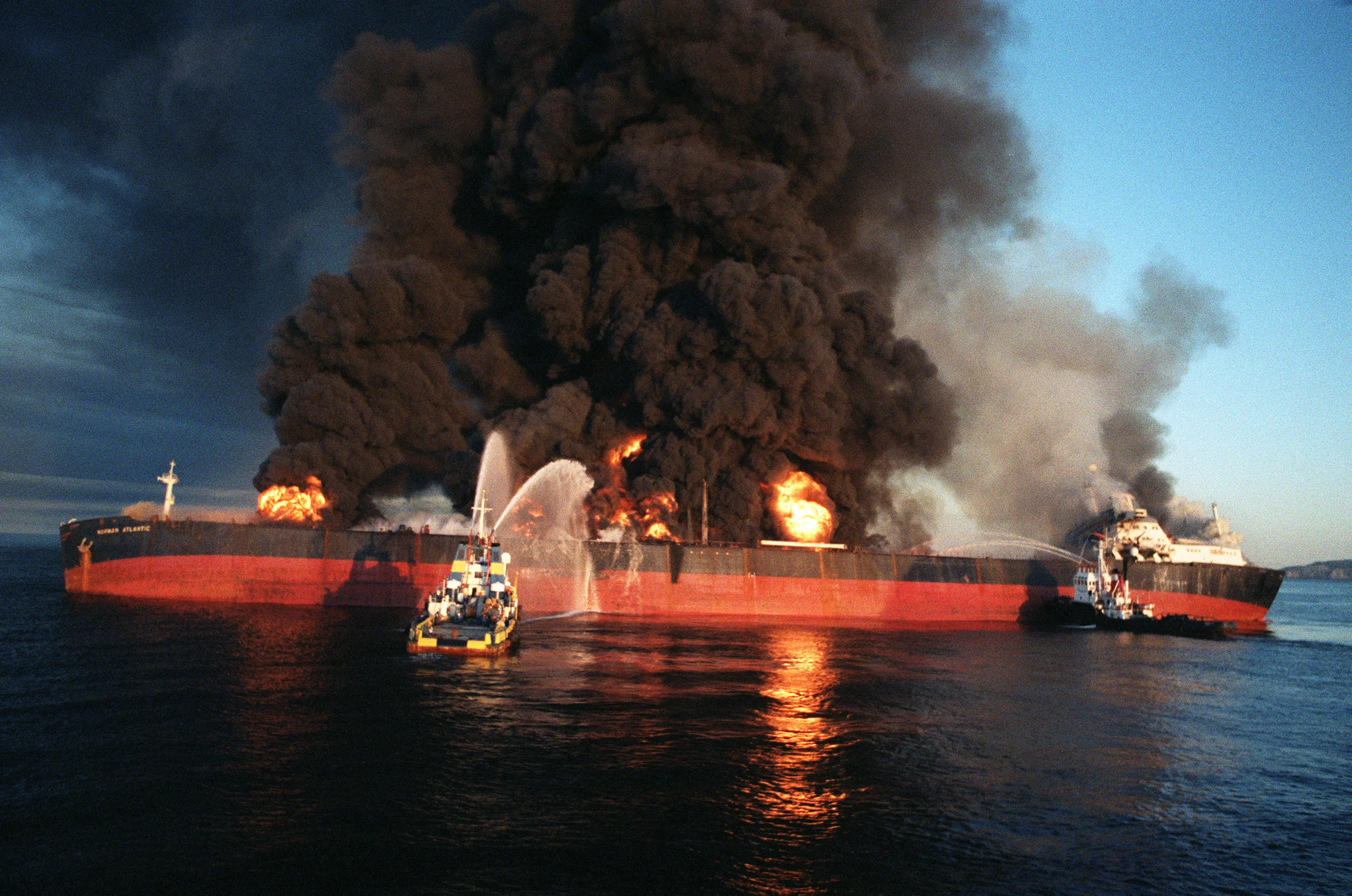
The LNG carrier Mubaraz, operated by ADNOC, illustrates how such tactics may be used in practice. The vessel, carrying 132,890 cubic metres of LNG, switched off its AIS transponder at the end of March and remained untraceable for weeks before reappearing off India’s coast, suggesting it had crossed the strait during that period.
Strait restrictions reshape shipping patterns
Traffic through the Strait of Hormuz has been sharply reduced since early March, when conflict in the region led to severe restrictions. The route typically carries a significant share of global energy supplies, including a substantial portion of LNG shipments.
Cautious optimism for energy markets
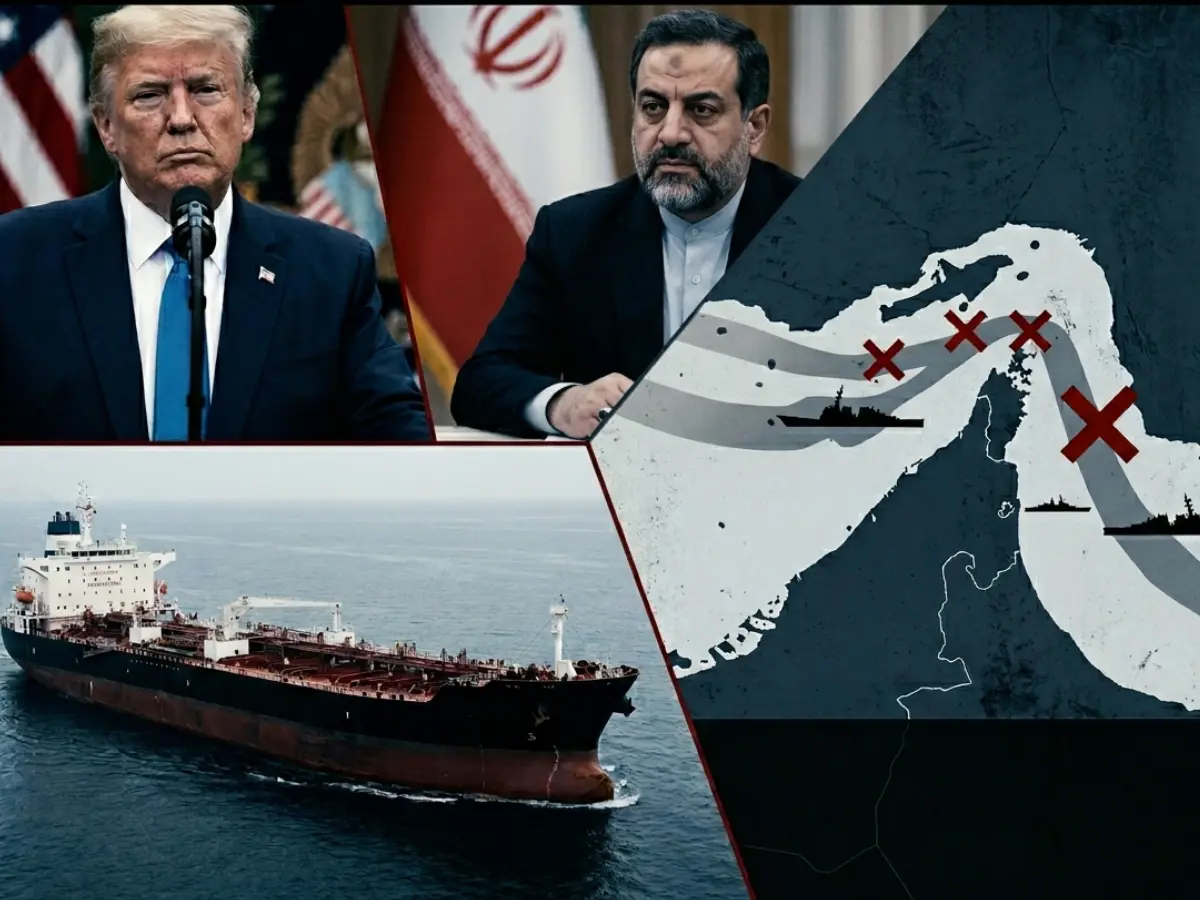
“If the tanker has crossed, it would be a hopeful sign for the gas market, but only a very early one,” Froley said. “One tanker crossing would not necessarily guarantee that more could follow, as the situation has been changing rapidly.”
)
)
)
)
)