Shinzo Abe assassinated: A look at Japan's longest serving prime minister's career

The beginning of Abe's political career
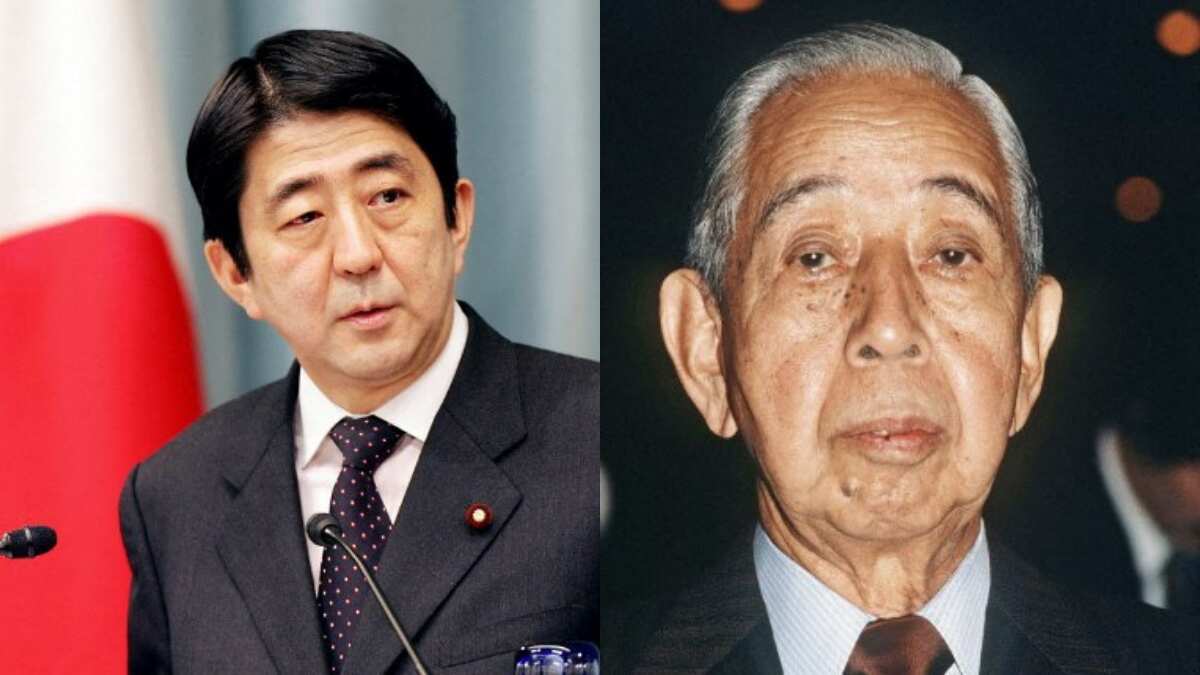
Shinzo Abe hailed from a well-known political family. His grandfather, Kishi Nobusuke, was Japan's prime minister from 1957 to 1960, and his great-uncle, Sato Eisaku, served the same position from 1964 to 1972.
He began his political career by serving as his father Abe Shintaro's secretary in 1982 when his father was Japan's foreign minister.
After his father's passing, Abe was elected to parliament in 1993. In a dispute involving Japanese nationals who had been abducted by Pyongyang decades earlier, Abe gained national notoriety by taking a harsh position toward the unreliable neighbour North Korea.
Prime Minister of Japan
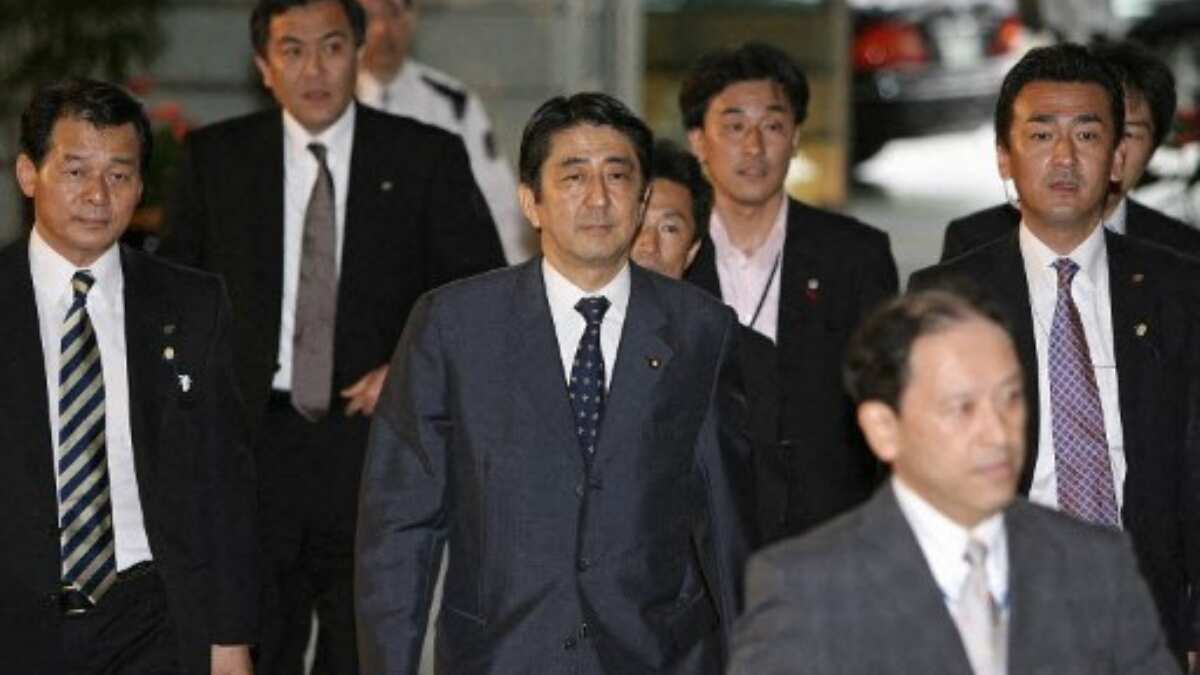
Shinzo Abe took office in 2006 as Japan's youngest prime minister since World War Two.
However, his administration soon found itself at the centre of a number of financial and public missteps.
The administration also received criticism for its tardy response to the revelation that the government had been mismanaging millions of people's pension records for ten years.
Soon, the Democratic Party of Japan (DPJ)-led coalition defeated his party the LDP in the upper house in July 2007, and in September Abe announced his resignation. Fukuda Yasuo succeeded him.
Later on, he went on hold the position of prime minister for three more terms: the second from 2012 to 2014, the third from 2014 to 2017, and the fourth from 2017 to 2020.
Abe's views
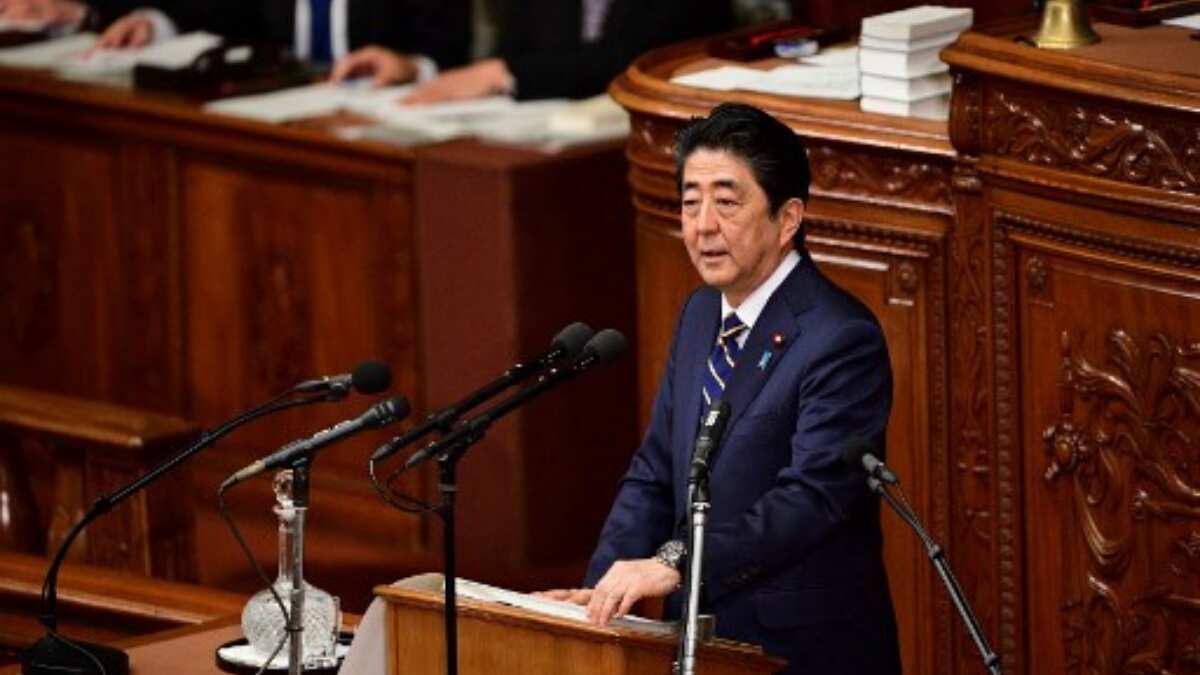
Abe's overarching goal was to leave behind the "post-war regime," a legacy of American rule that conservatives claim robbed Japan of its sense of national pride. Another of his objectives was to change the educational system to bring back conventional mores.
He also had a less contrite position toward Japan's actions during World War Two, arguing that subsequent generations shouldn't constantly be required to make amends for the past.
Political milestones
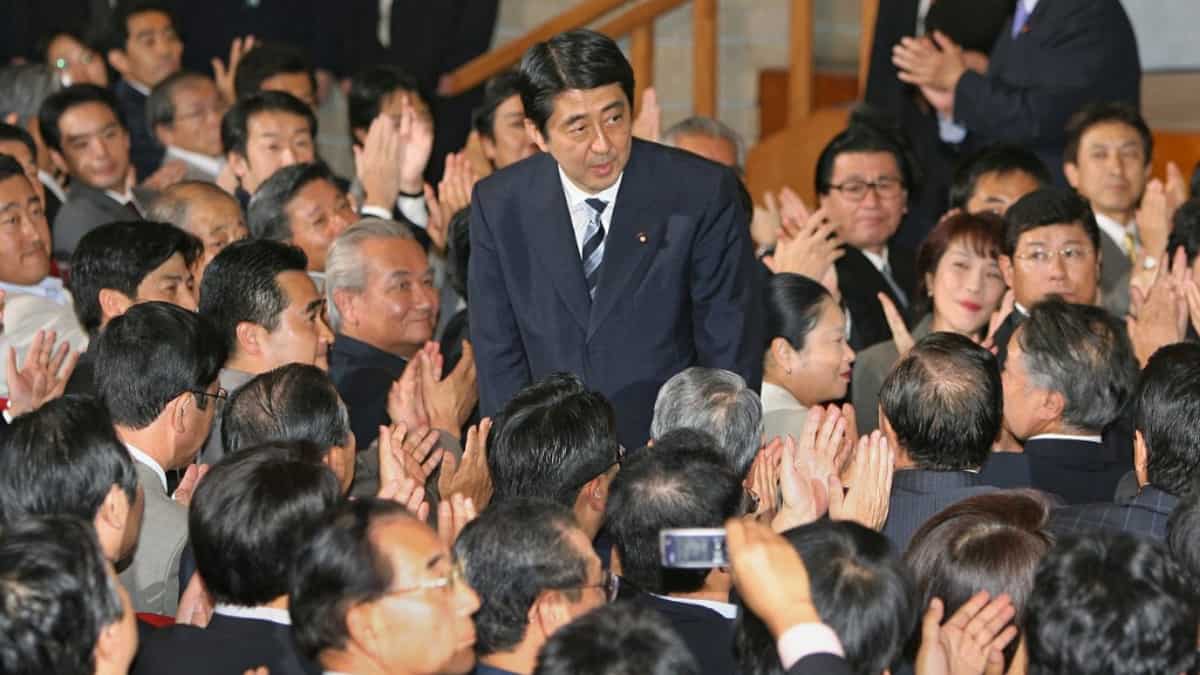
During his historic two-term stint as prime minister of Japan, the longest-serving leader in the country, "Abenomics" policies were implemented to combat China's expanding influence, strengthen Japan's military, and raise the economy out of deflation.
To fight China, Abe increased defence spending and made contacts with other Asian nations. In order to exercise Japan's right to "collective self-defense," which allows it to support an ally who is being attacked militarily, he lobbied for changes to some laws.
Abe's top aim continued to be the revision of the pacifist constitution, which is a problematic objective given that many Japanese attribute Japan's post-war peace record to the charter.
Shinzo Abe and North Korea
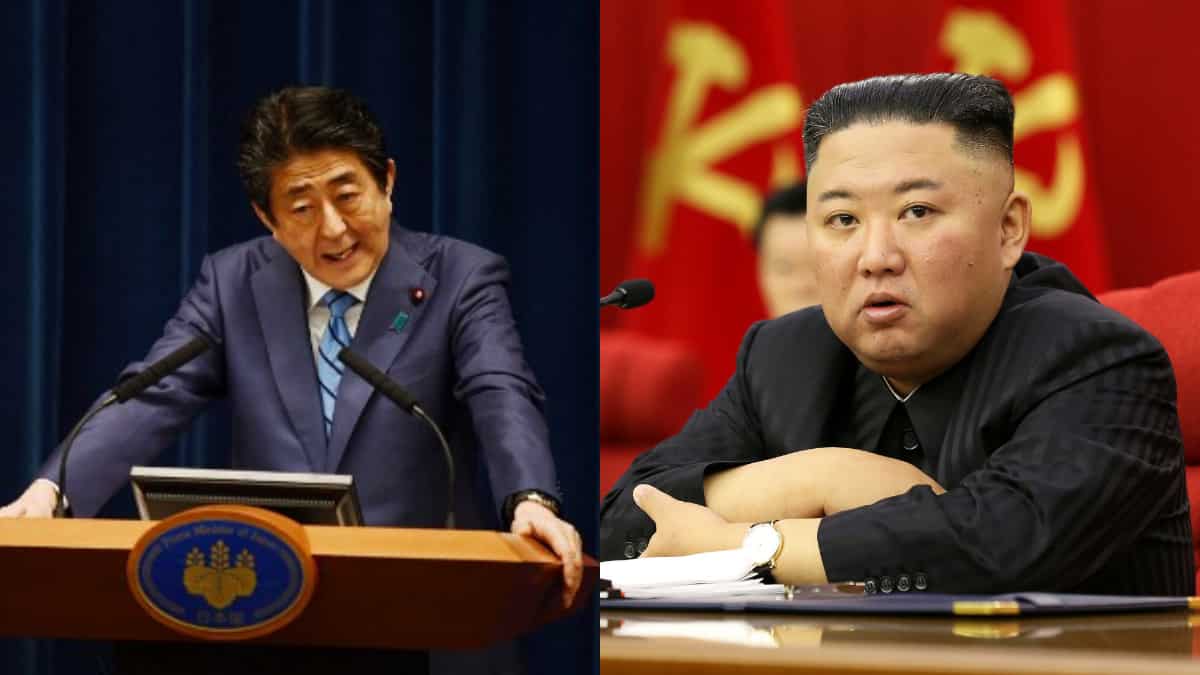
Abe held a firm position toward North Korea, which was well-received, especially after that nation admitted in 2002 that it had abducted 13 Japanese people in the 1970s and 1980s. He oversaw the subsequent negotiations.
Following North Korea's nuclear test, Abe supported UN sanctions against that nation and imposed a series of unilateral penalties on it. Among these penalties was a ban on all North Korean vessels visiting Japanese ports.
Speaking at an Asian conference in 2019, Abe criticised the North Korean missile test while expressing his desire to meet Kim Jong Un "without conditions" to discuss the issue of kidnapped Japanese nationals.
In response, North Korea referred to him as an "idiot and villain" who had no business being in Pyongyang.
“Abe is an idiot and villain as he is making a fuss as if a nuclear bomb was dropped on the land of Japan, taking issue with the DPRK’s test-fire of super-large multiple rocket launchers,” said Song Il Ho, North Korea's ambassador for ties with Japan.
Position vis-à-vis neighbours
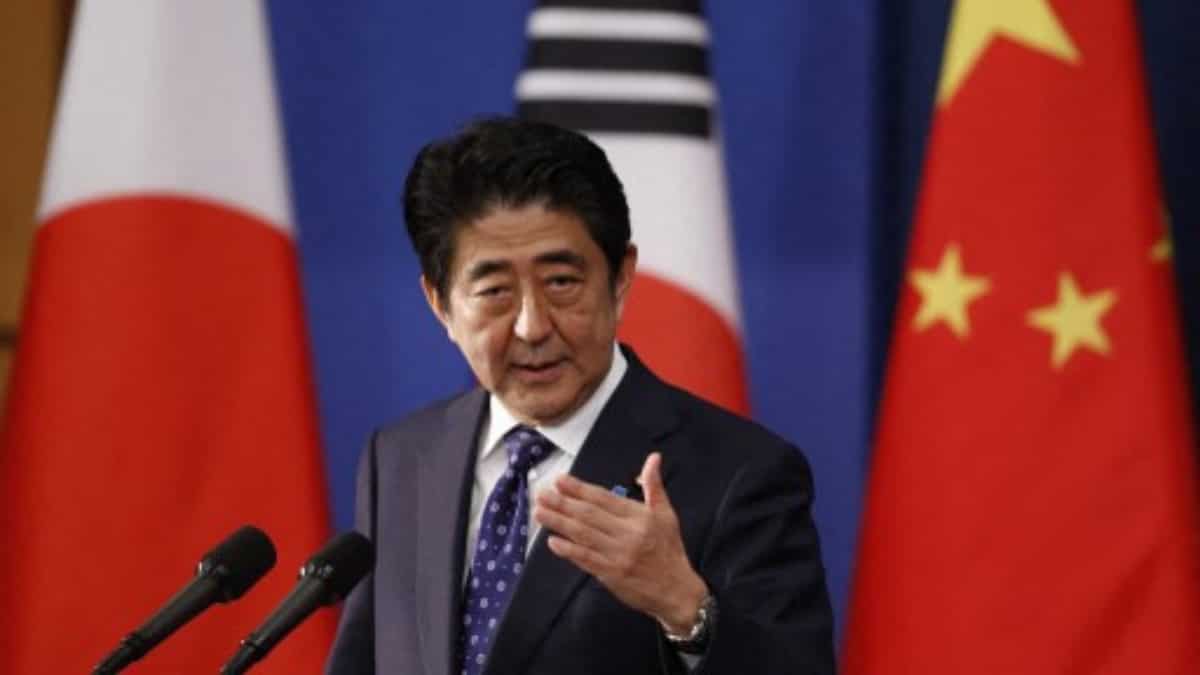
Abe aimed to mend ties with other Asian countries. However, despite his efforts to mend fences with South Korea and China, he infuriated both neighbours in 2013.
The two countries still bear the scars of past wars, and by visiting Tokyo's Yasukuni Shrine he aroused their ire. The shrine is a memorial to Japan's military dead, including war criminals convicted during WWII, and is seen by Beijing and Seoul as a reminder of Japan's militaristic history.
Relations with the United States
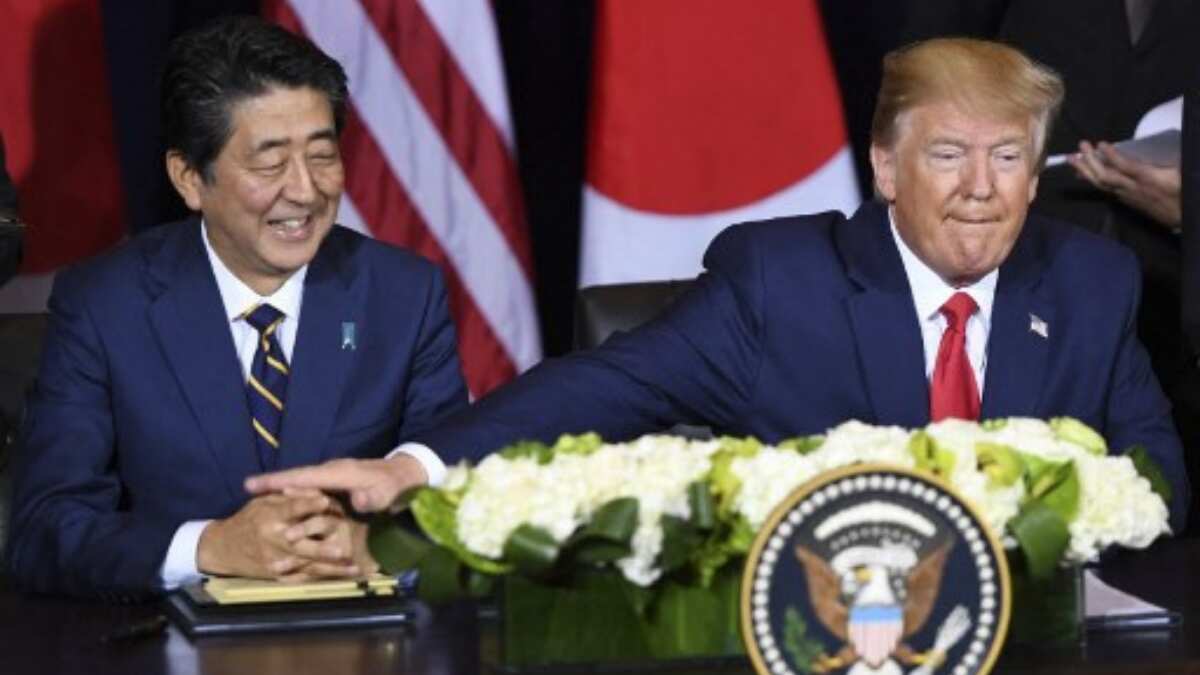
Abe, a conservative, wanted to forge closer ties with the US and pursue a more aggressive foreign policy.
In later years, Abe was successful in developing close ties with US President Donald Trump, playing golf with him and speaking with him frequently over the phone and in person.
)
)
)
)
)