Sheikh Hasina sentenced to death: What are the five charges against the ex–Bangladesh PM?

Hasina, who fled to India after the collapse of her 15-year rule, now faces a possible death sentence as prosecutors successfully argued she authorised mass killings, aerial attacks on civilians and the destruction of evidence during the protests that came to be known as the July Uprising.
A former prime minister on trial in absentia
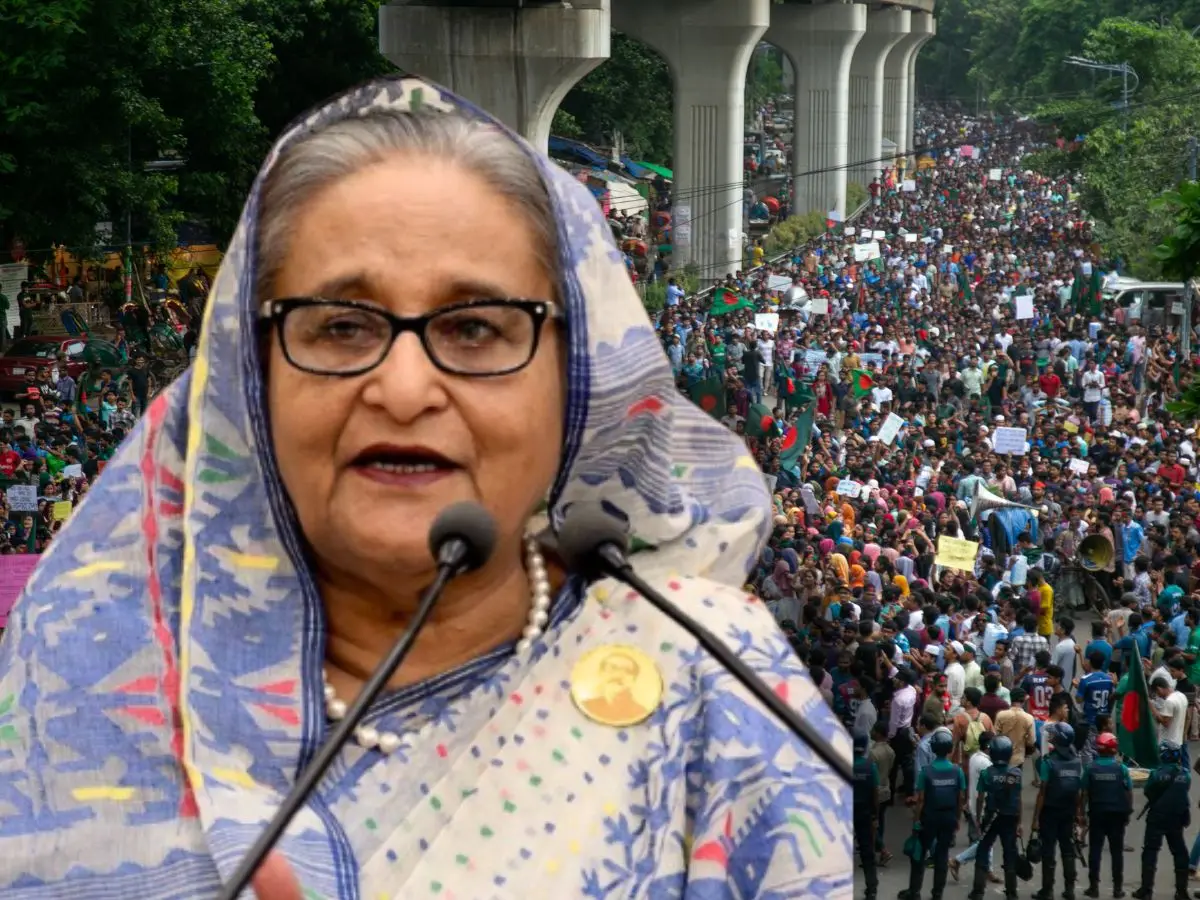
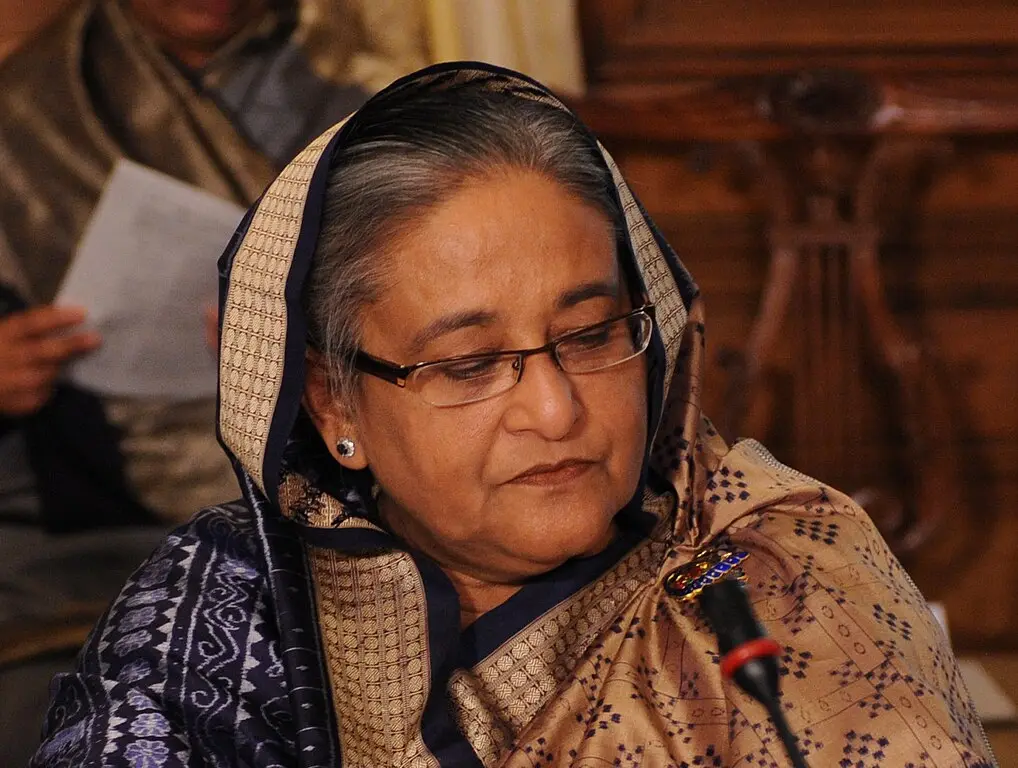
The International Crimes Tribunal in Bangladesh has convicted ousted prime minister Sheikh Hasina of crimes against humanity, ruling that she orchestrated a brutal state crackdown on last year’s student uprising that toppled her government. The tribunal court has sentenced her to death. The verdict, delivered in Dhaka on Monday after a months-long trial held in her absence, marks the first time a former Bangladeshi leader has been found guilty of such offences. Hasina, who fled to India after the collapse of her 15-year rule, now faces a possible death sentence as prosecutors successfully argued she authorised mass killings, aerial attacks on civilians and the destruction of evidence during the protests that came to be known as the July Uprising.
The background to the case
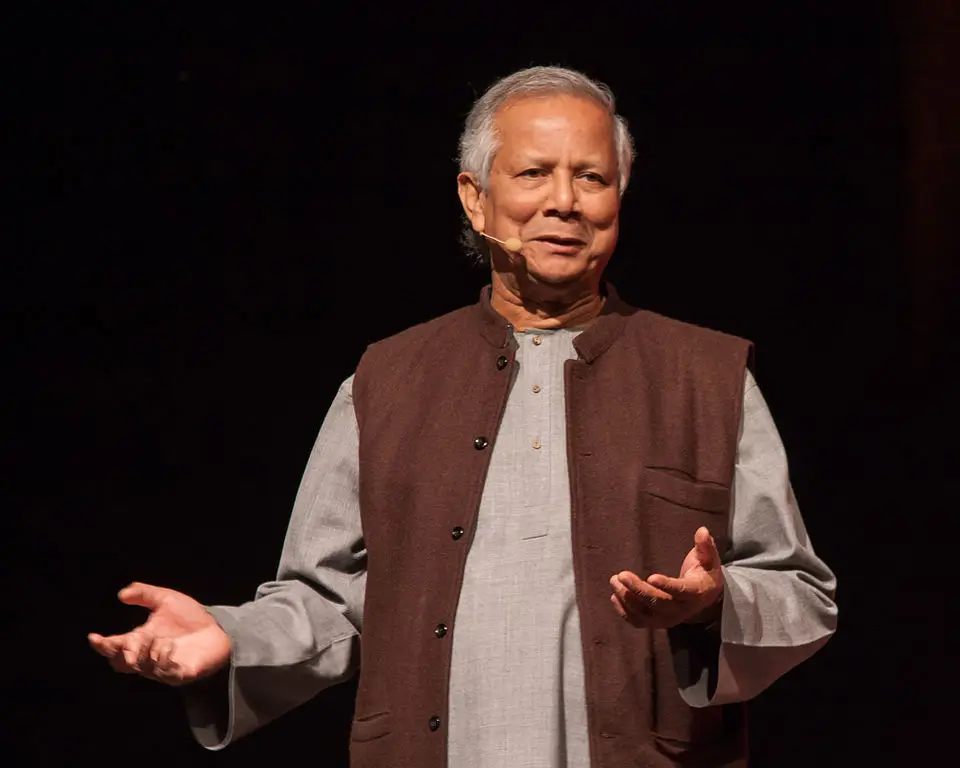
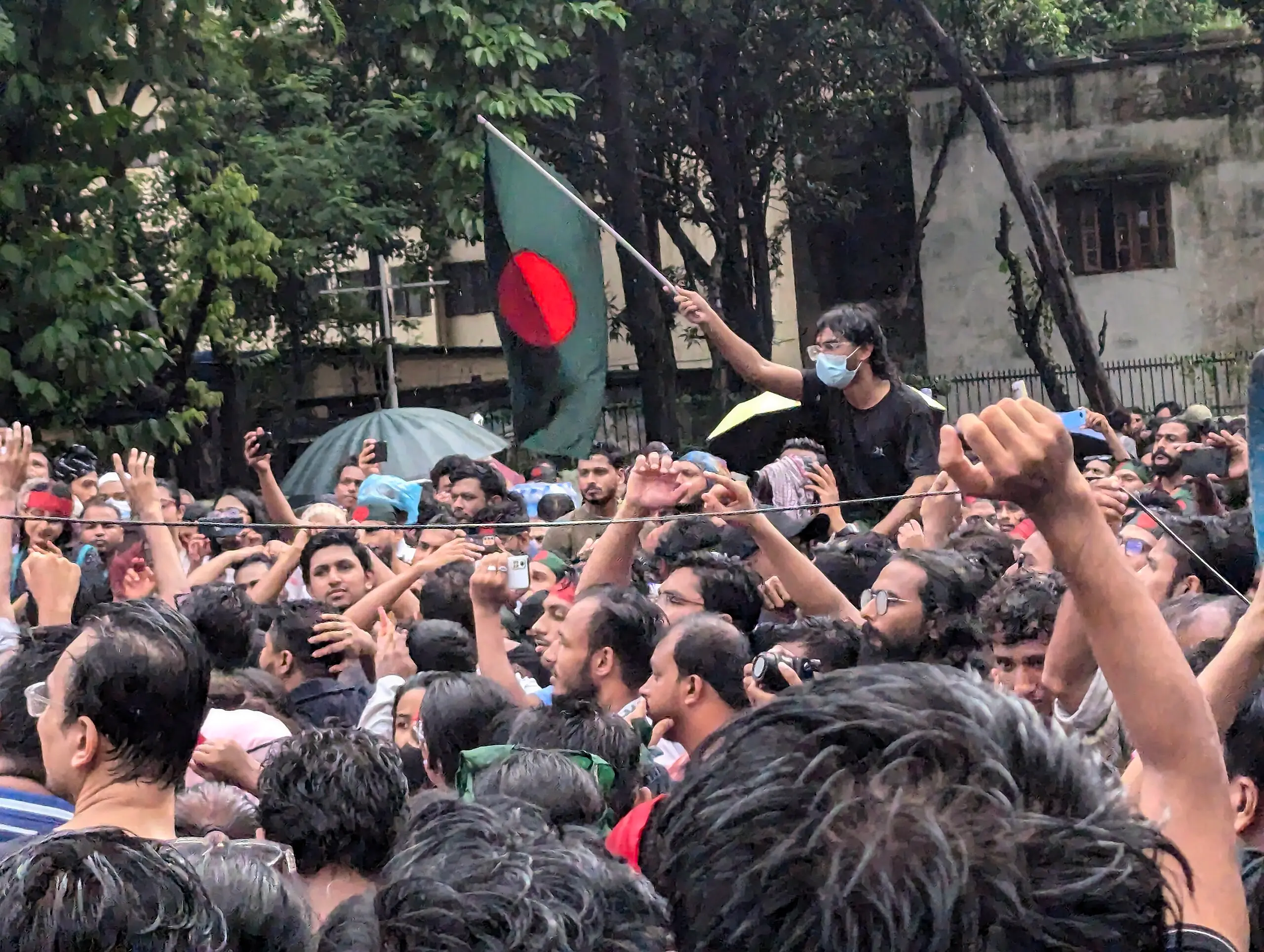
Hasina fled to India in August 2024 after nationwide protests turned violent, ultimately leading to her resignation and the installation of an interim government led by Nobel laureate Muhammad Yunus. The unrest, often referred to as the July Uprising, resulted in extensive clashes between protesters and security forces. A UN rights office report later estimated that up to 1,400 people were killed during state crackdowns as Hasina attempted to retain power.
How the tribunal framed the case
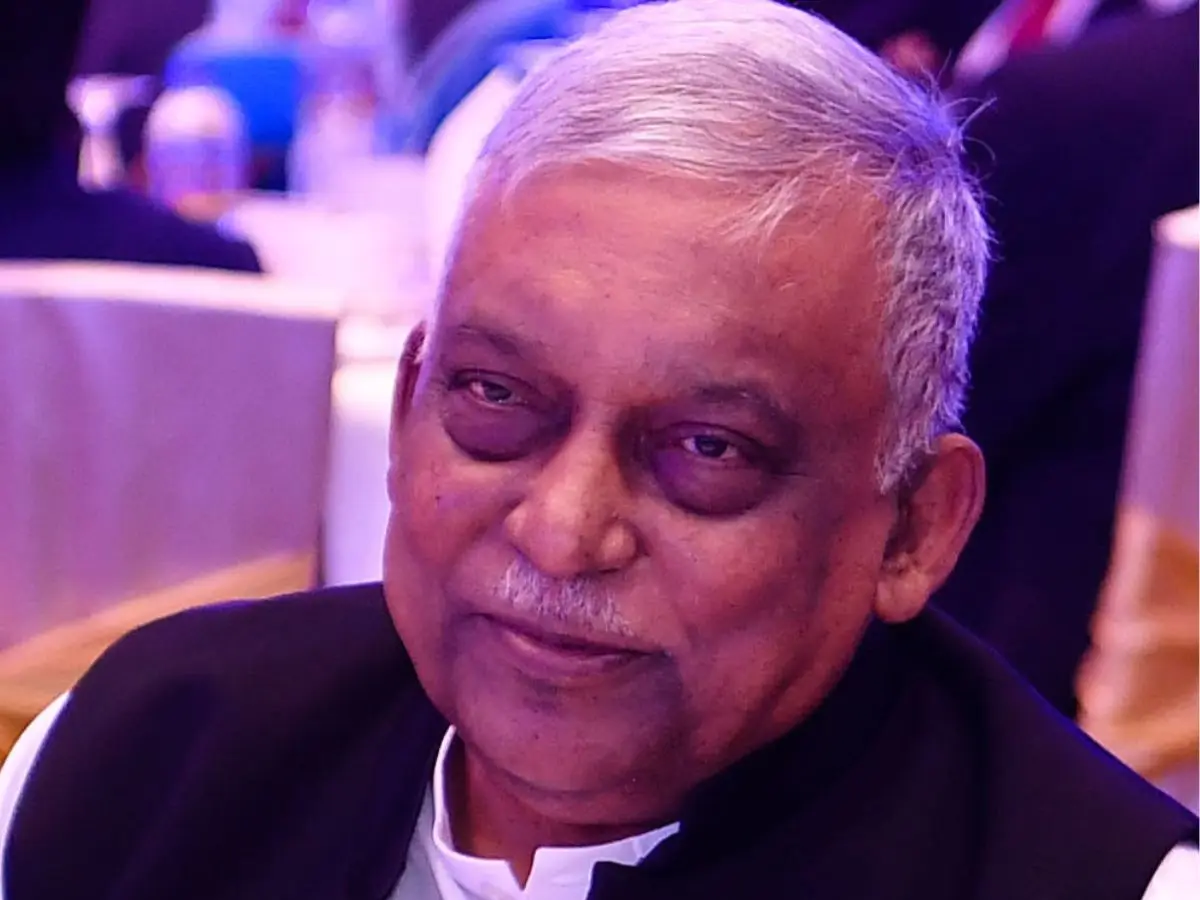
The prosecution submitted a body of evidence totalling more than 8,700 pages, including references, seized material and a 2,724-page list of people alleged to have been killed. During hearings, witnesses accused the security forces and Awami League loyalists of firing on unarmed demonstrators, including from helicopters and drones, preventing emergency treatment, and destroying bodies to eliminate evidence. The tribunal has already stated that Hasina, then Home Minister Asaduzzaman Khan Kamal, and former Inspector General of Police Chowdhury Abdullah Al-Mamun ‘collectively committed crimes against humanity.’
Charge 1: orchestrating mass killings in Dhaka
The primary accusation centres on the deaths of large numbers of protesters in Dhaka during the 2024 uprising. Prosecutors argue that lethal force was deployed systematically under Hasina’s direction, resulting in widespread killings amounting to crimes against humanity.
Charge 2: authorising the use of helicopters and drones
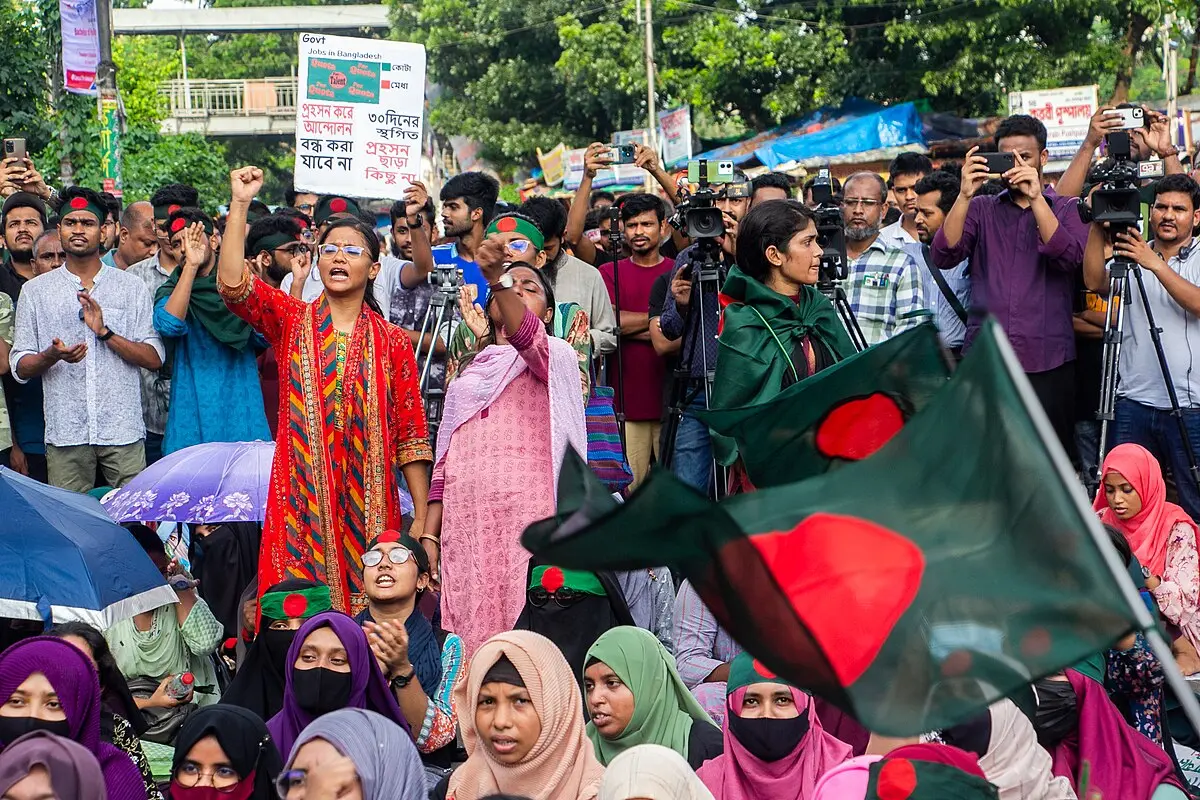
Prosecutors allege that live ammunition was fired from helicopters and aerial surveillance equipment during crowd control operations, an unprecedented claim in Bangladesh’s legal history. Testimony from survivors describes bullets “raining from above” during demonstrations.
Charge 3: the murder of student activist Abu Sayed
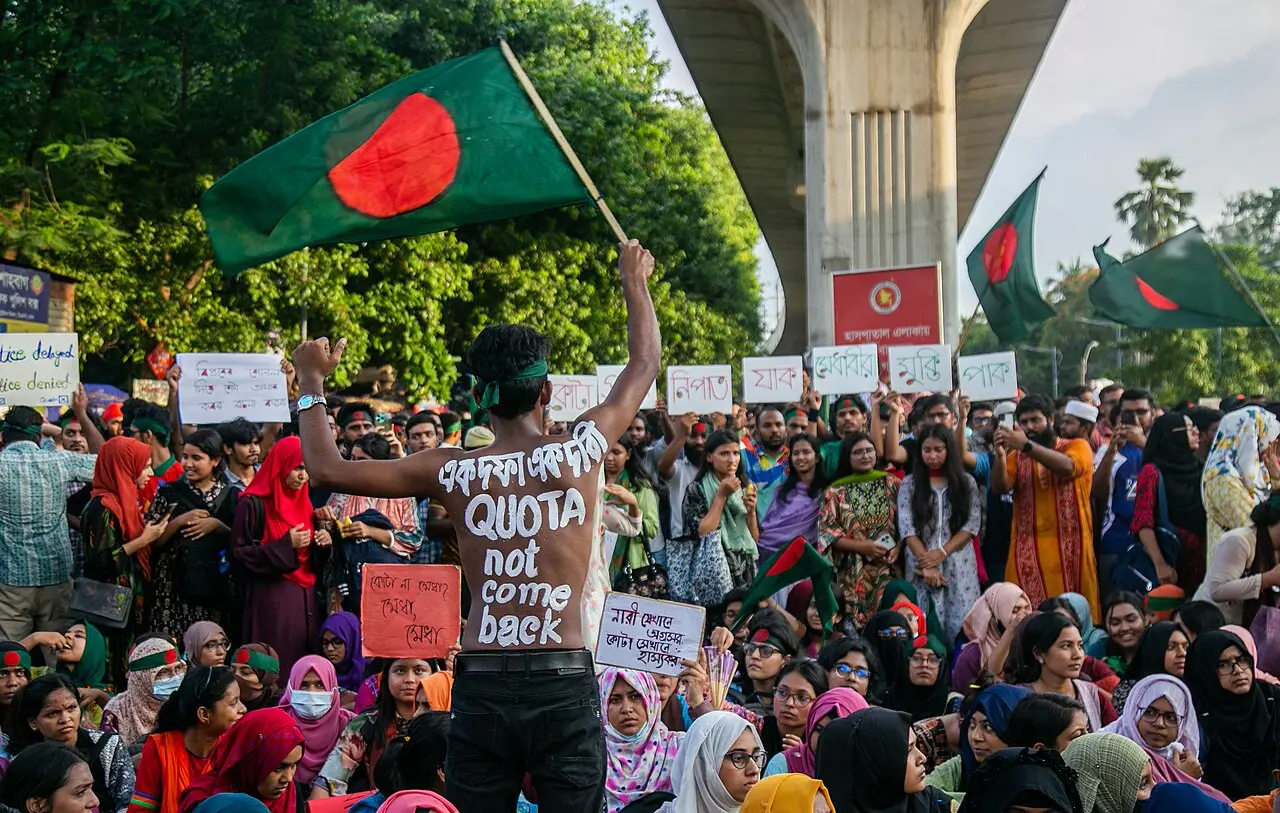
Among the individual cases included in the indictment is the killing of Begum Rokeya University's 22-year-old activist Abu Sayed, framed as an emblematic example of targeted violence against student leaders.
Charge 4: burning bodies in Ashulia to destroy evidence
The prosecution alleges the trio of shooting dead five protestors injuring others and that bodies of slain protesters were incinerated in Ashulia, outside Dhaka, to conceal casualties and prevent identification, a charge strongly denied by Hasina’s camp, which insists the claim is fabricated.
Charge 5: coordinated killings in Chankharpul
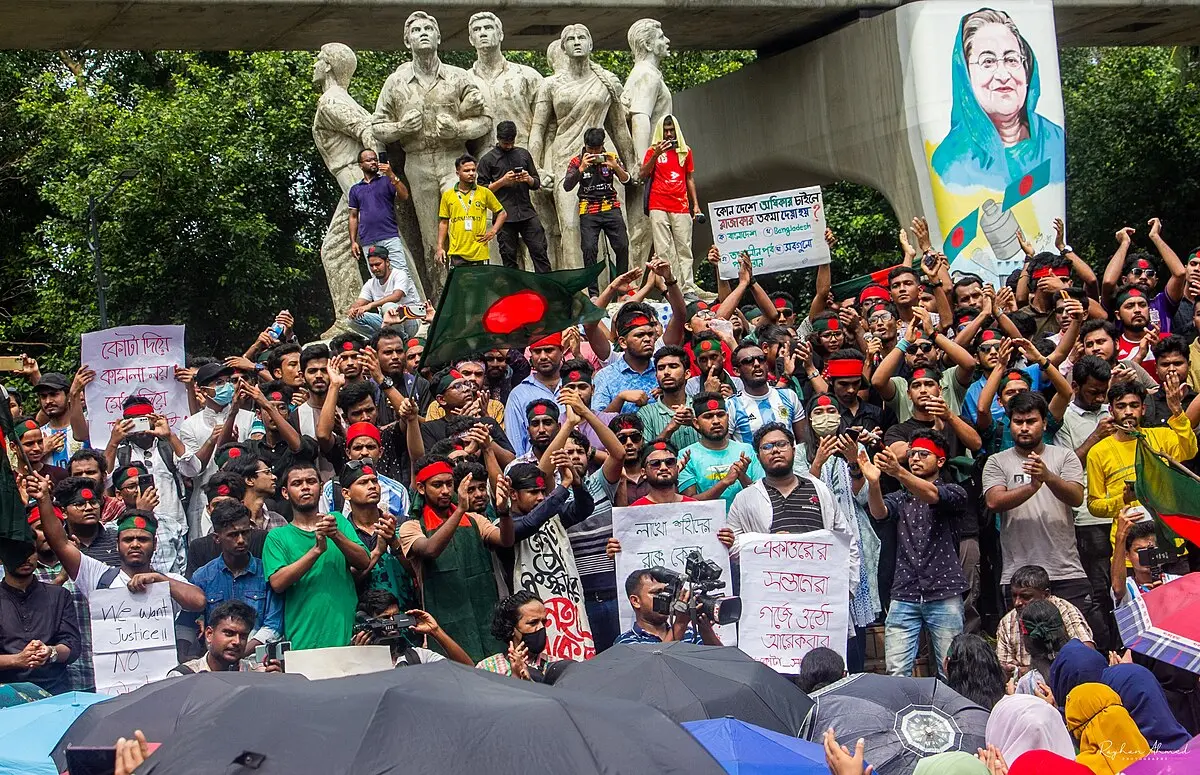
The final charge accuses Hasina and her co-accused of directing a coordinated assault in Chankharpul, where msix unarmed demonstrators were allegedly killed during operations by law enforcement and ruling party supporters.
Hasina’s response and what comes next
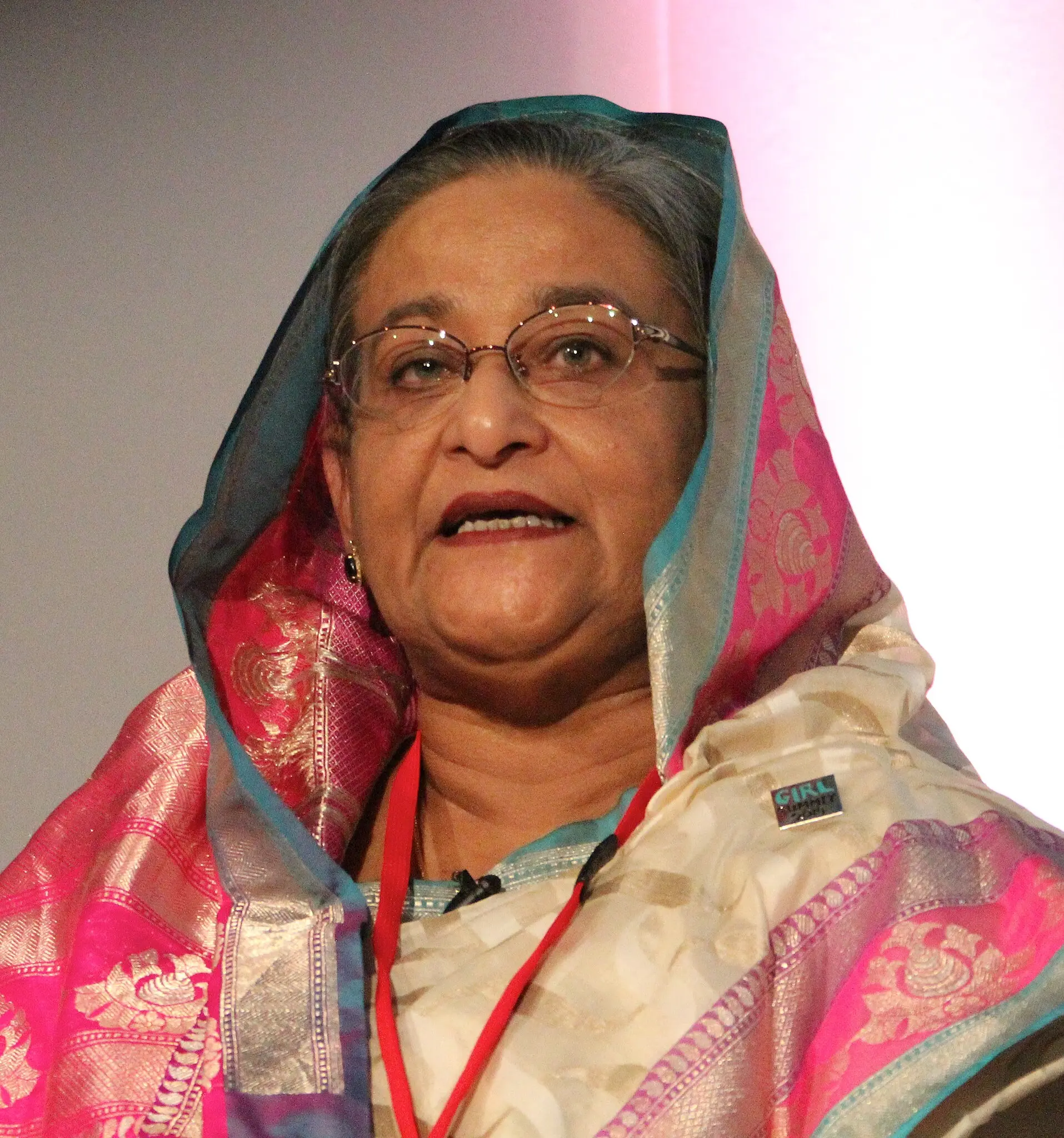
Hasina, now 78, had earlier rejected all five charges, calling the process a 'jurisprudential joke' and accusing Yunus of orchestrating her downfall. Ahead of the verdict in written responses to the media, the deposed Ex PM said, "I'm not denying that the situation got out of control, nor that many lives were lost needlessly. But I never issued any order to fire on unarmed civilians.
)
)
)
)
)