Sheikh Hasina: The Iron lady who transformed Bangladesh’s political landscape — Know her complete Journey

Sheikh Hasina, the ex-PM of Bangladesh who has been sentenced to death for crimes against humanity, has served for a total of two distinct periods, encompassing five terms in office. Her premiership ended abruptly when she resigned and fled the country in August 2024 following mass protests.
1. The Rise of Awami League
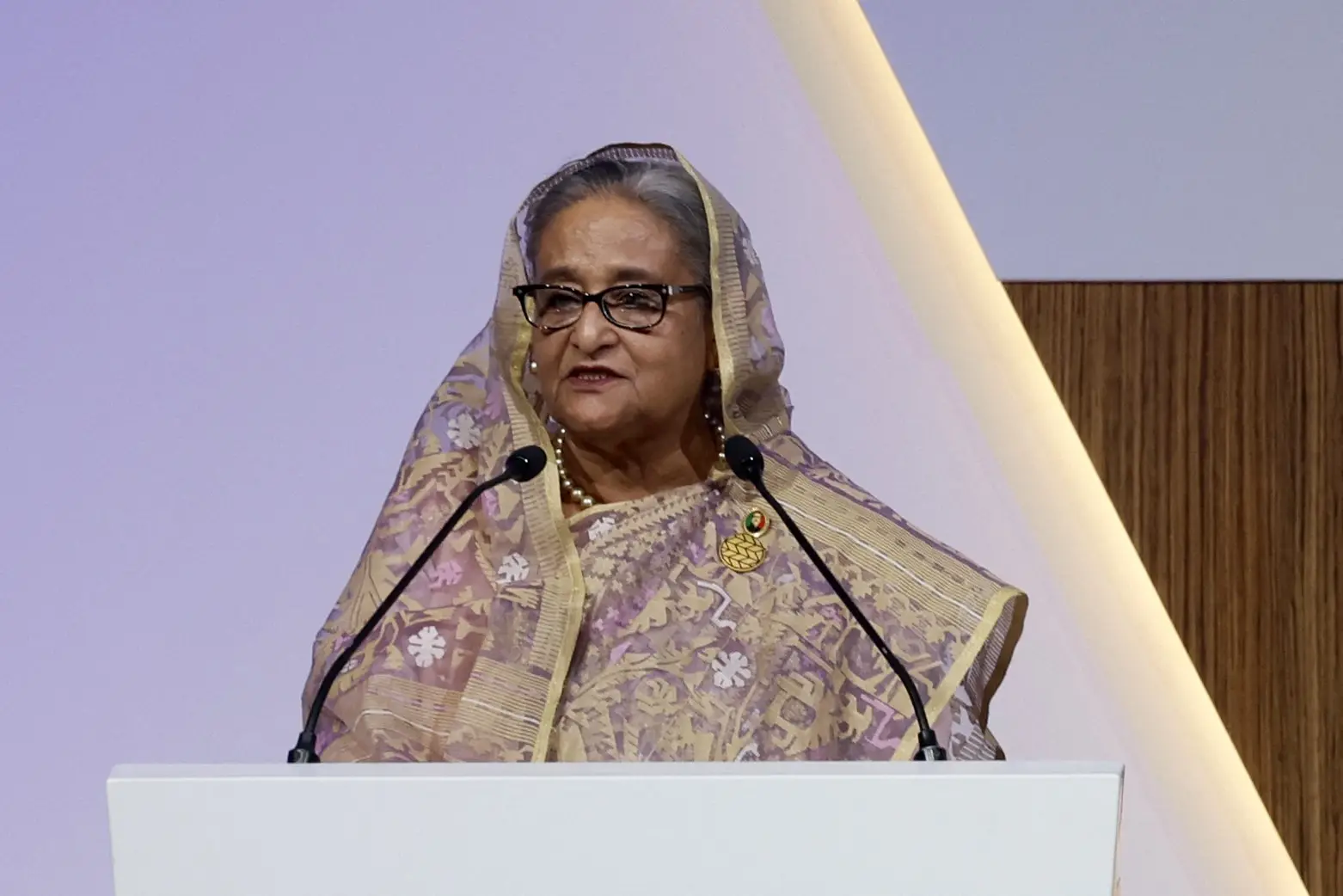
She entered politics after her father, the founding leader of Bangladesh, was assassinated in a 1975 military coup. Her family was killed, leaving her and her sister as the only survivors. She eventually became the leader of the Awami League and was instrumental in the 1990 mass movement that led to the end of military rule. She won three seats in the 1986 parliamentary election and became Leader of the Opposition.
2. First Electoral Defeat
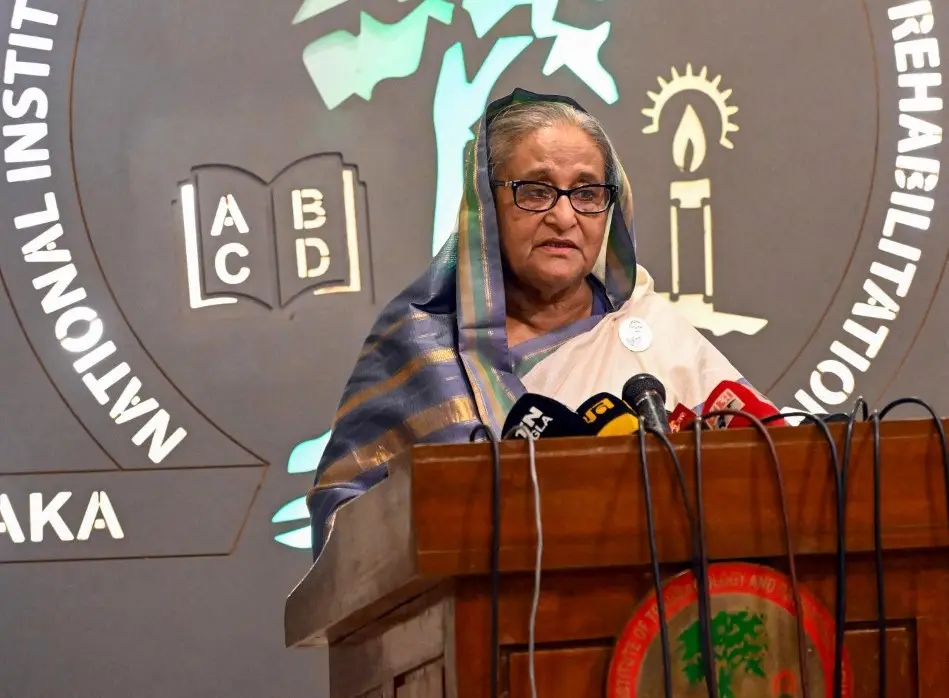
Hasina also fought for the 1991 parliamentary elections but lost and became the leader of the opposition. She championed mass protests for democratic reform, eventually leading to the ouster of the military government of Hussain Muhammad Ershad and the rise of parliamentary democracy.
3. First Electoral Win
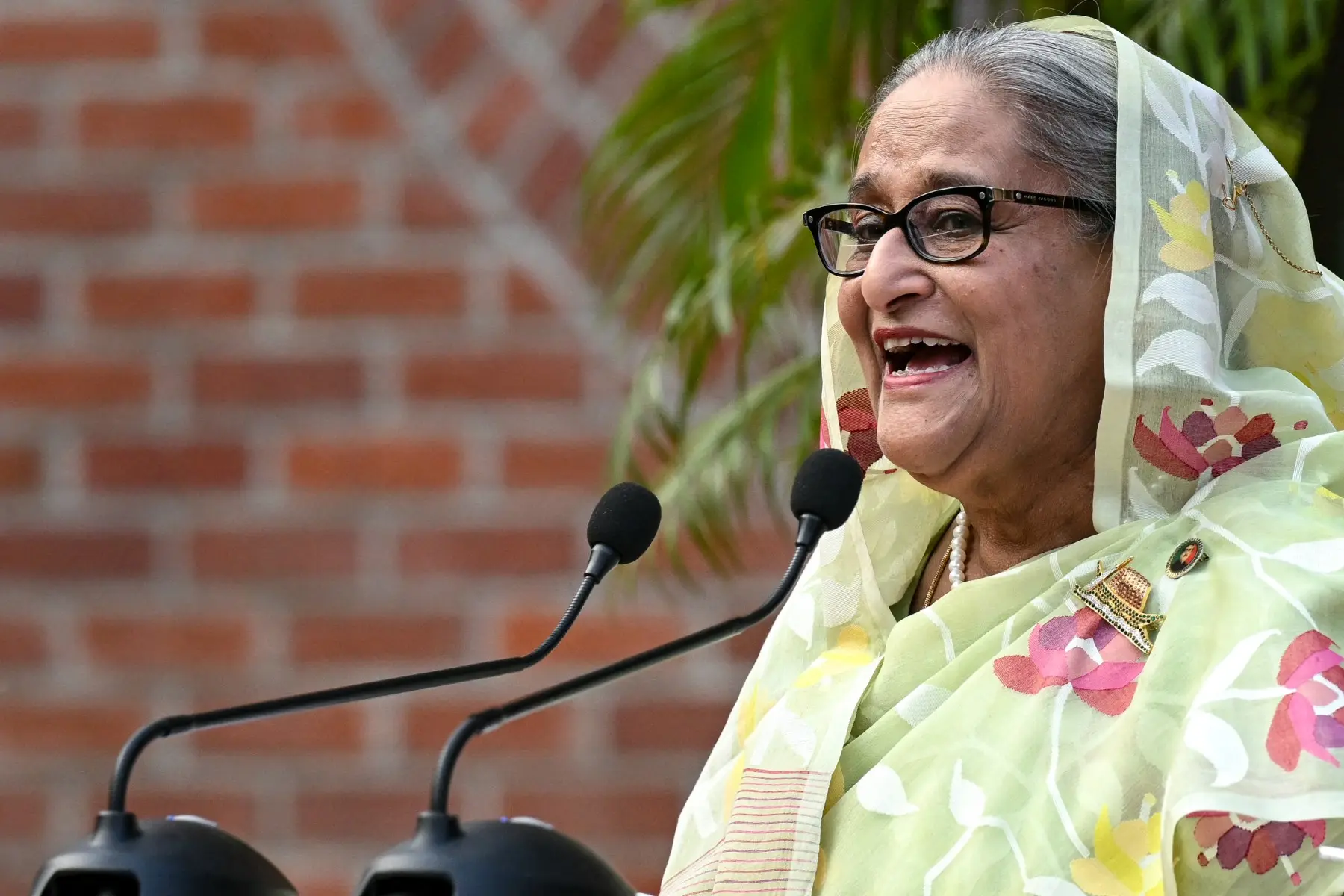
She first came to power in 1996 after her Awami League party won the general election. Winning the 1996 elections. Hasina's notable achievements included the Ganges Water Treaty with India, the Chittagong Hill Tracts Peace Agreement, and infrastructure megaprojects. Challenges involved political unrest and allegations of corruption; she served a full five-year term until 2001, but lost the next general election and again remained the Leader of the Opposition of Bangladesh.
4. Political Setbacks and Election Boycotts (2001–2008)
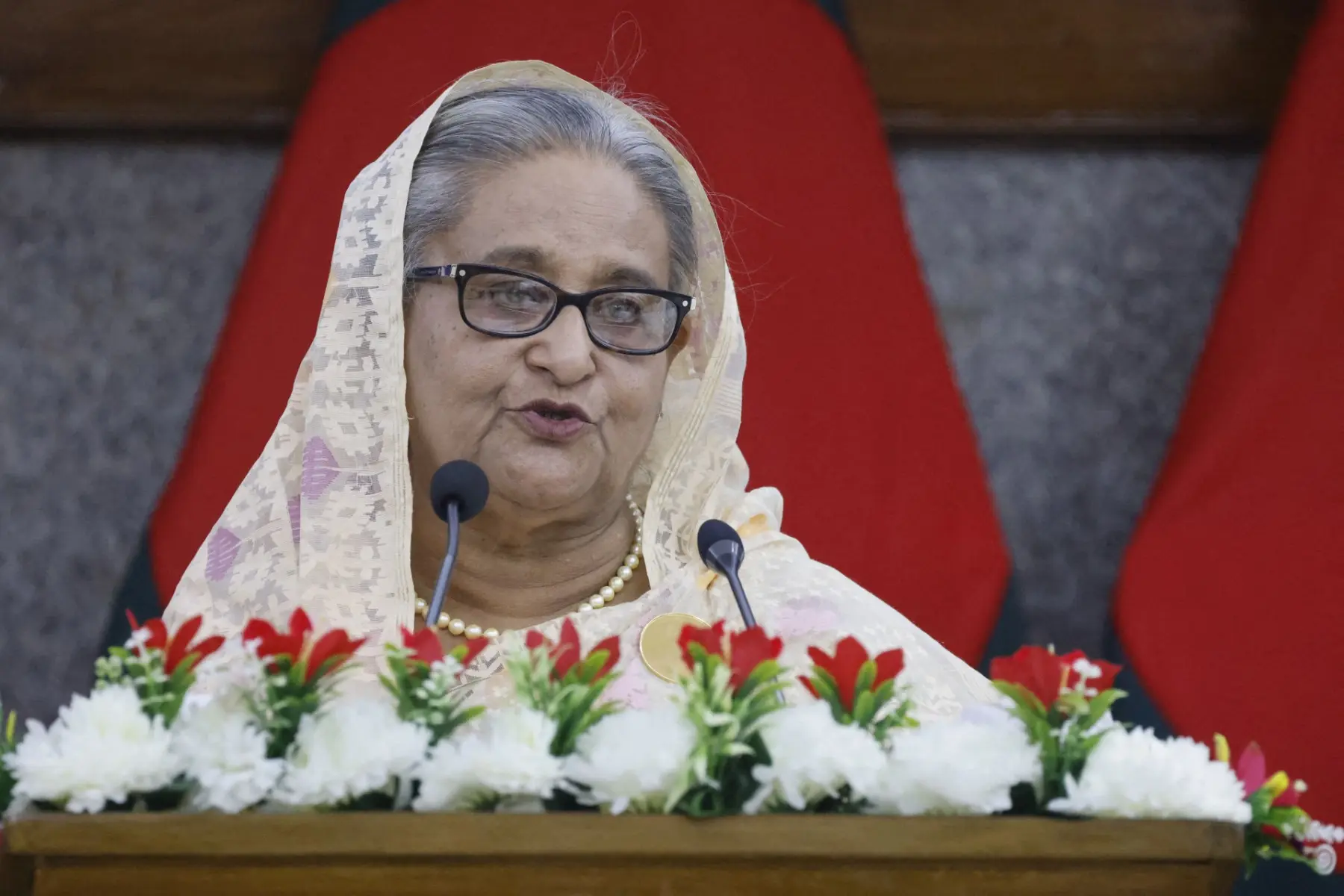
As opposition leader, Hasina endured politically charged attacks, including a 2004 grenade attack. The intense rivalry with the BNP caused recurring boycotts and political instability until a military-backed caretaker government took over in 2007.
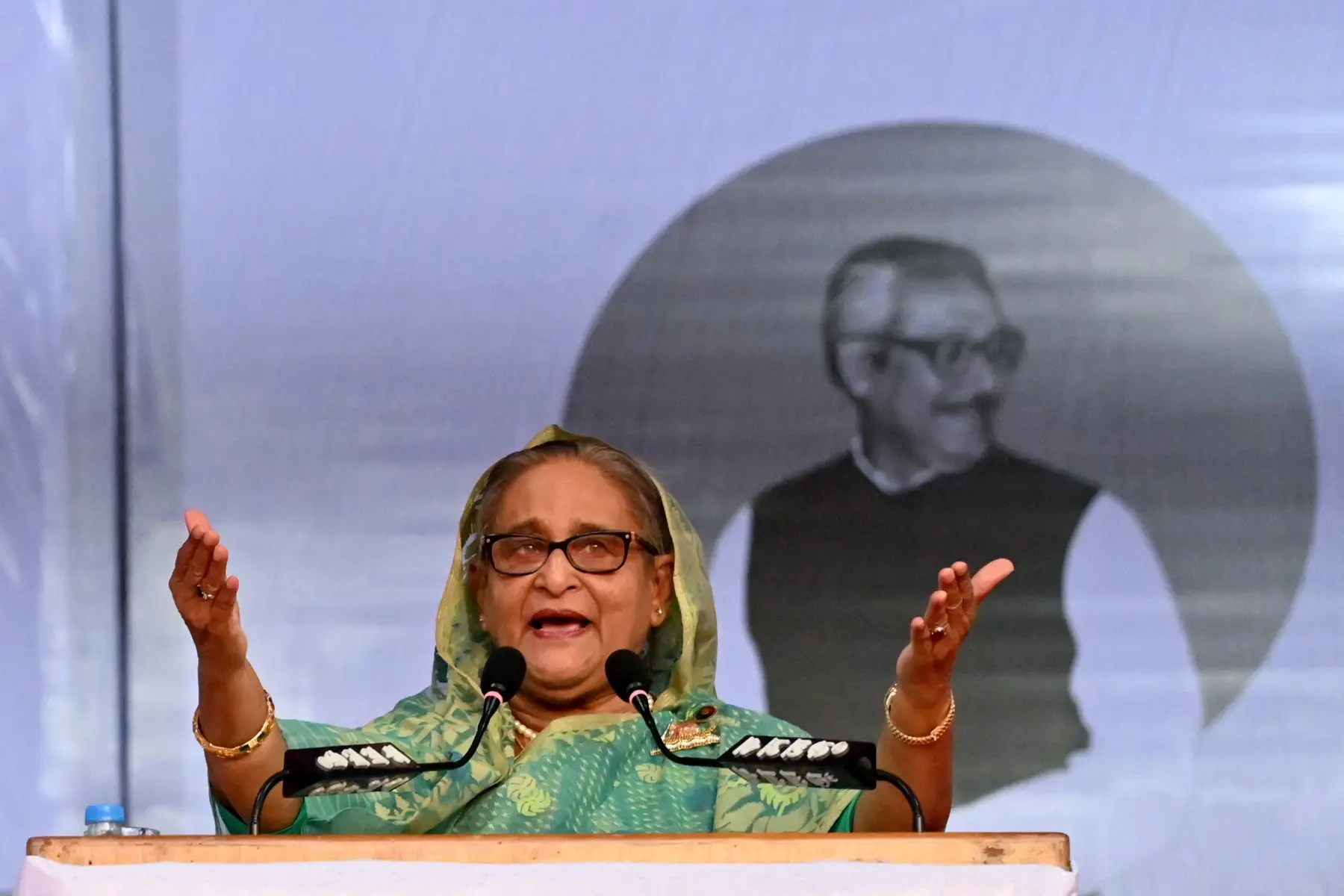
5. Second Premiership and Economic Transformation (2009–2014)
After coming to power with a landslide victory in 2008 for a second term, Hasina’s administration brought robust economic growth, infrastructure expansion, and poverty reduction. She introduced influential industrial and social policies, but allegations of corruption and opposition suppression also surfaced.
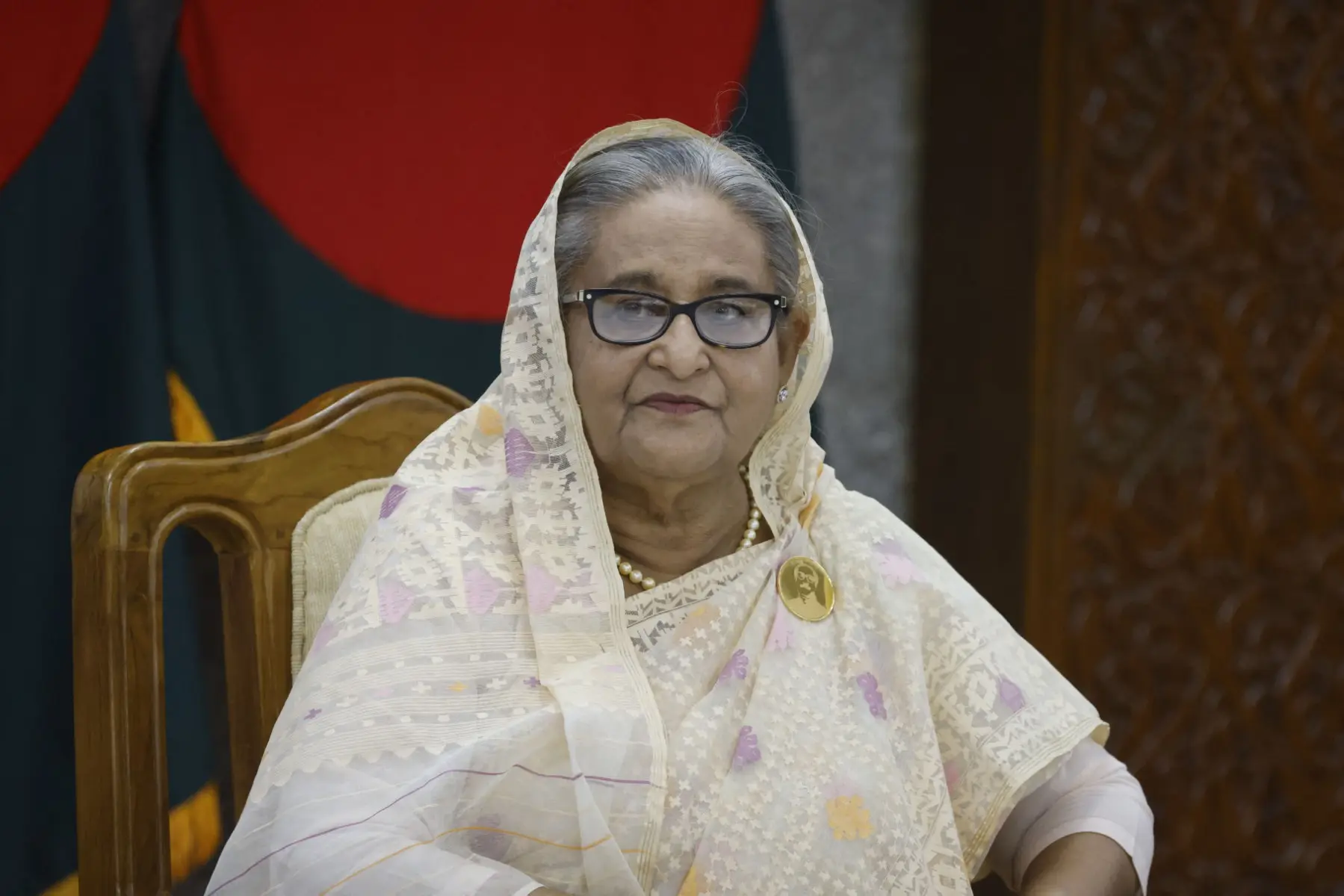
6. Third and Fourth Terms Amid Controversy (2014–2024)
The 2014 and 2018 elections, boycotted by the main opposition parties, ensured Hasina’s continued rule as the Awami League won the general elections for a second and third straight term. In the third term, the party managed to secure 96 per cent of the votes. These years saw significant economic progress and social reforms, but were marred by allegations of electoral manipulation, authoritarian tactics, and international criticism over human rights.
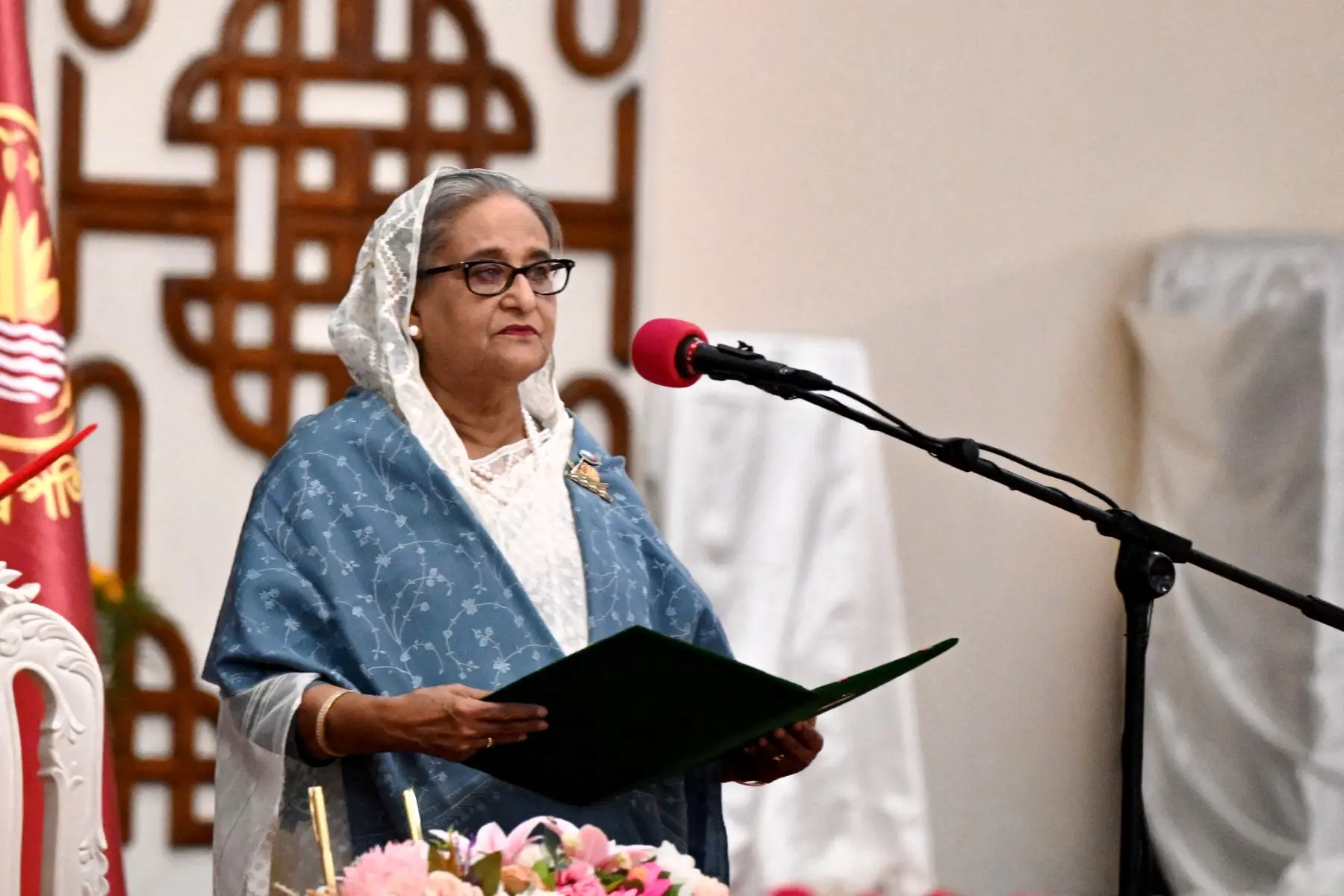
7. The economy crisis, Sanctions and Recovery
Bangladesh’s economy was hit hard by the COVID-19 pandemic. Lockdowns pushed up prices, triggering a cost-of-living crisis. The US later imposed human-rights sanctions on the Rapid Action Battalion and seven current and former officials, accusing them of hundreds of enforced disappearances and extrajudicial killings since 2009. Even so, under her leadership, the country managed to recover from the economic downturn. Bangladesh recorded 7.2% GDP growth, emerging as one of the world’s fastest-growing economies, driven largely by garment exports and remittances. However, inequality widened, with the richest 10% now holding 41% of total income.
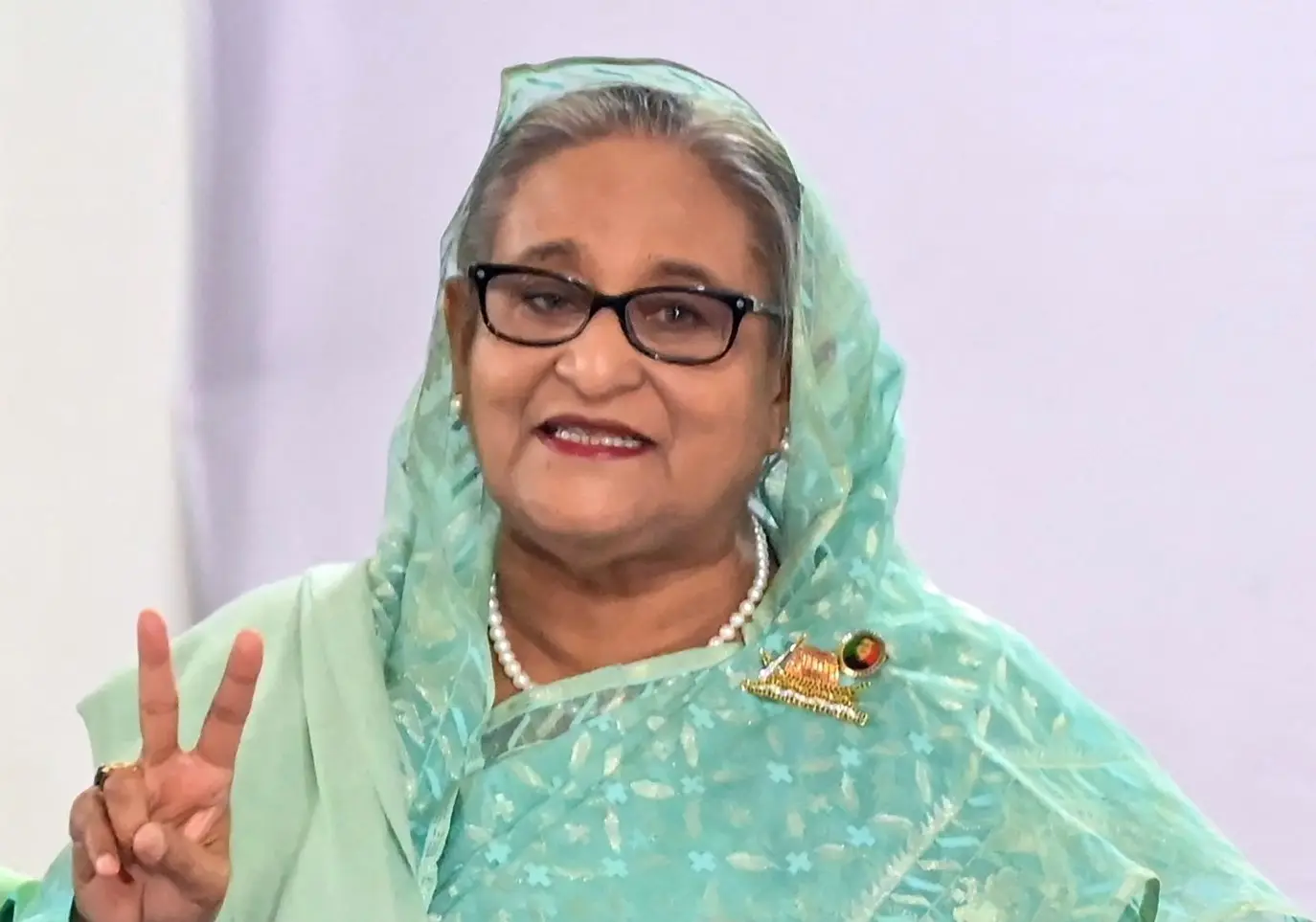
8. Awards and Global Recognition
Hasina received major international awards, such as the UN’s “Champion of the Earth” for climate leadership. Bangladesh’s handling of the Rohingya crisis, disaster preparedness, and inclusive development earned her global attention, despite facing criticism for a harsh crackdown on dissent.
9. Resignation and Political Crisis (2024)
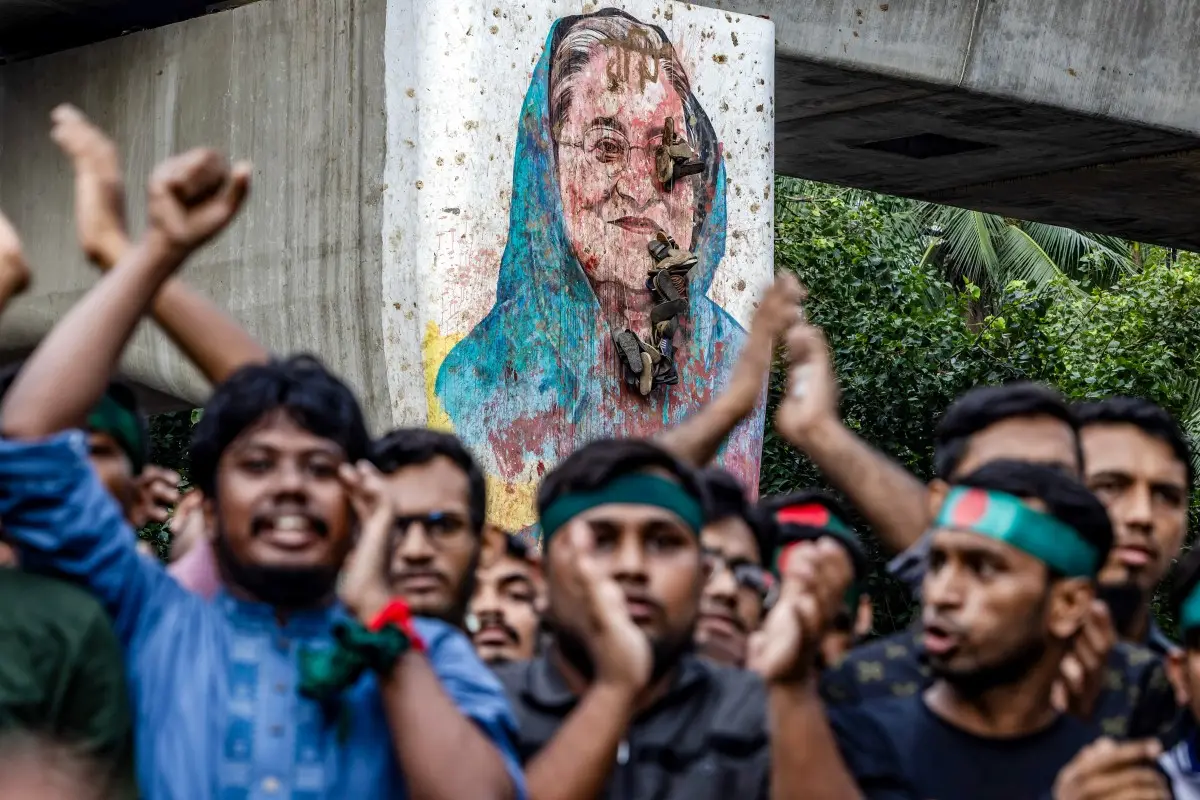
In 2024, mass student-led protests erupted over civil service quotas and mounting grievances against the government. The unrest, which resulted in hundreds of deaths, culminated in Hasina’s resignation and departure on August 5, 2024, ending her 15-year streak as one of the world’s longest-serving female prime ministers.
)
)
)
)
)