Sheikh Hasina, Pervez Musharraf, Rajapaksa and more: 6 leaders who fled their countries after political crisis

Sheikh Hasina's downfall, escape to India and conviction in absentia now place her alongside a number of world leaders who were forced into exile following political upheaval, mass unrest or coups.
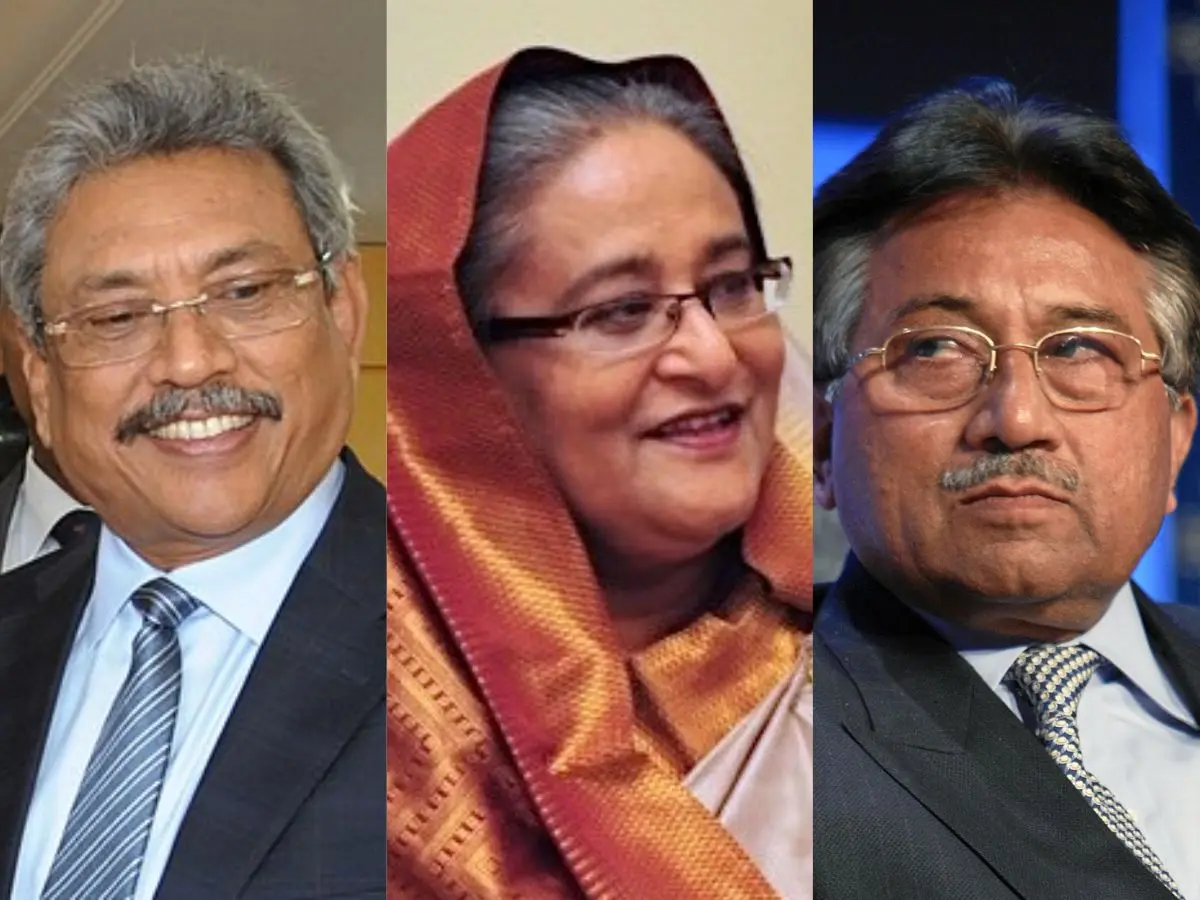
Turmoil and escape: a global pattern
Bangladesh’s former prime minister Sheikh Hasina, once among the most influential leaders in South Asia, has been handed a death sentence by the Bangladesh International Crimes Tribunal after being found guilty of crimes against humanity connected to the 2024 student uprising. Her abrupt downfall, escape to India and conviction in absentia now place her alongside a number of world leaders who were forced into exile following political upheaval, mass unrest or coups. Though their circumstances vary, each case demonstrates how rapidly even the most entrenched power can collapse under intense public and political pressure.
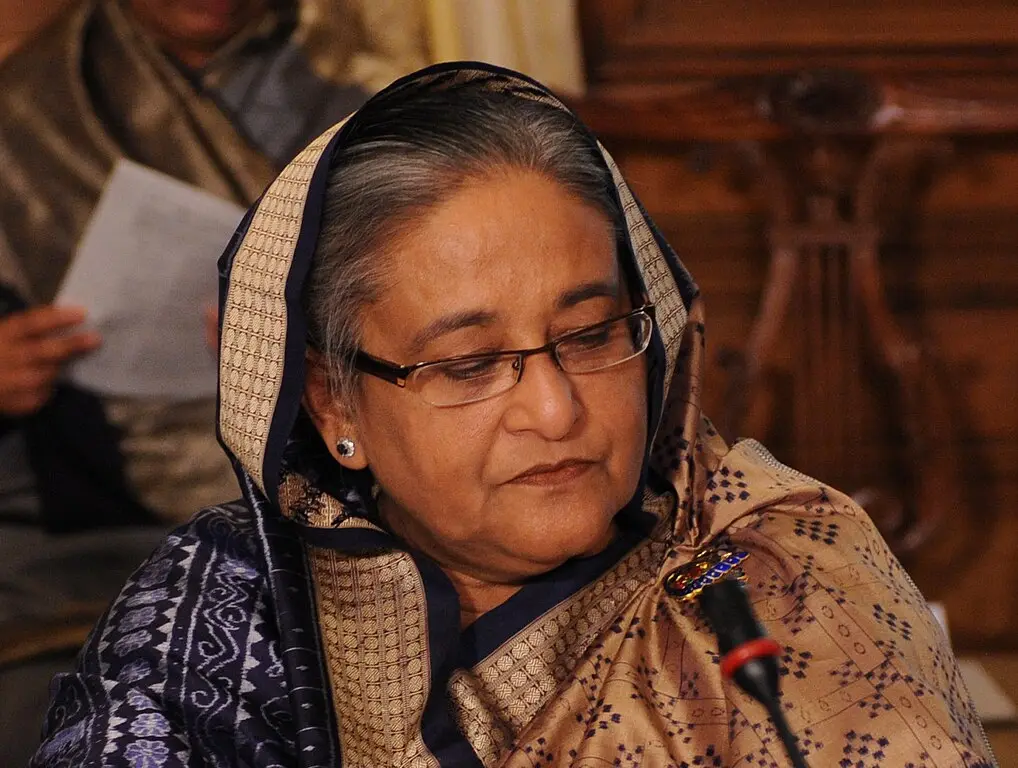
1. Sheikh Hasina (Bangladesh)
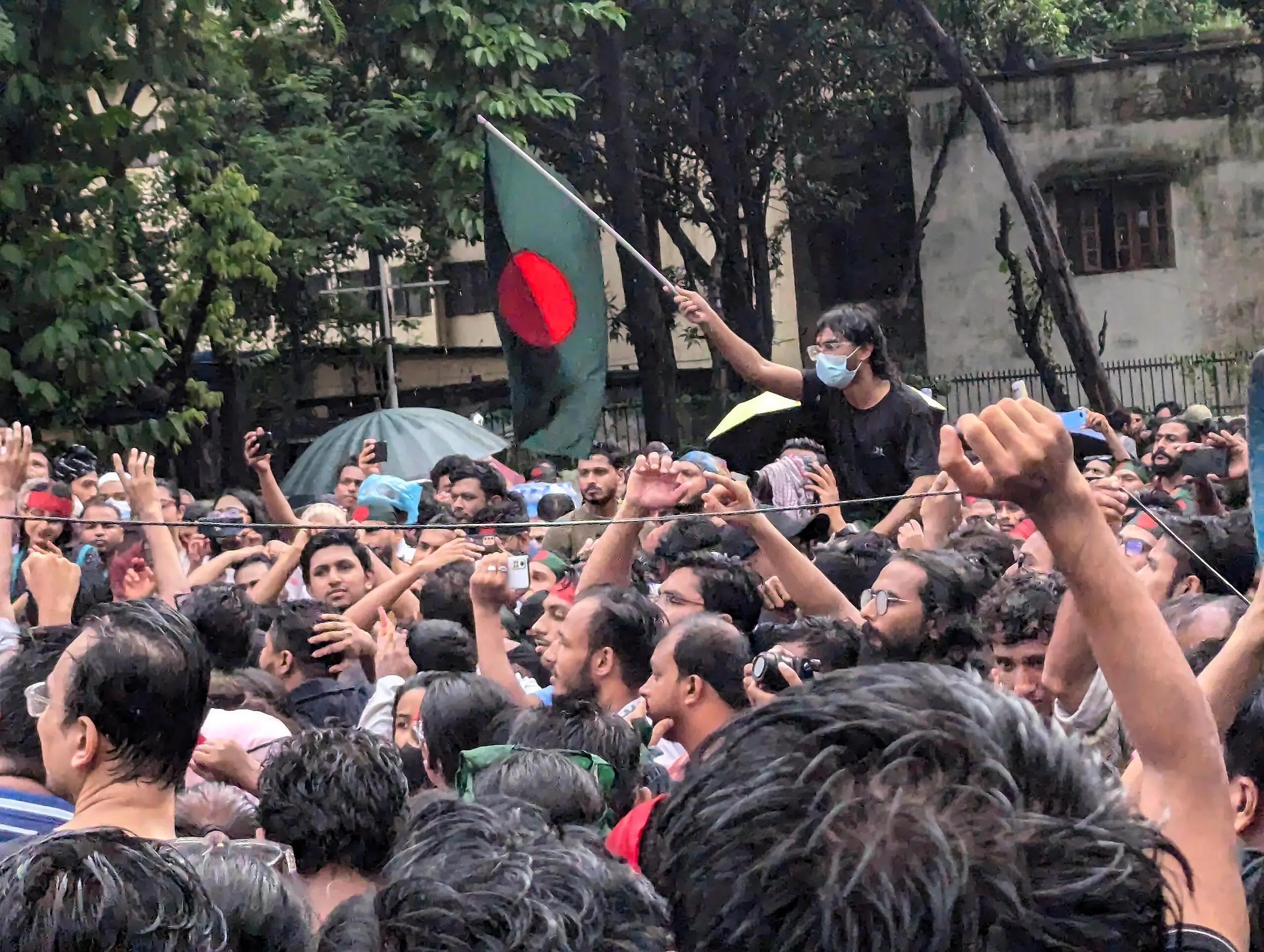
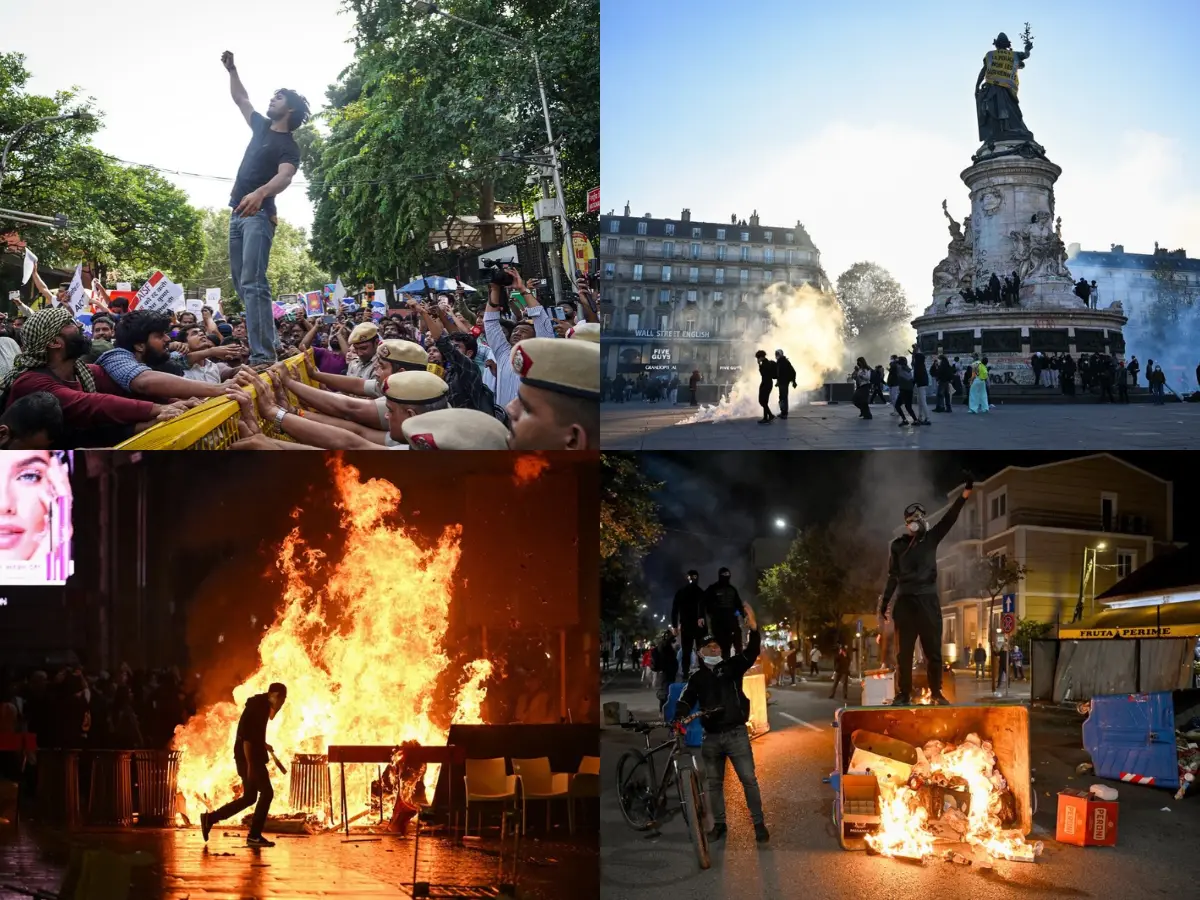
Sheikh Hasina, Bangladesh’s longest-serving prime minister and the daughter of Sheikh Mujibur Rahman, remained in power for 15 uninterrupted years before being ousted in August 2024. Mass protests over quotas and governance spiralled into violence and widespread security crackdowns. Facing public anger and a loss of control, Hasina resigned and fled to India. Her son described the move as necessary for her safety. On Monday, the International Crimes Tribunal in Bangladesh convicted Hasina of 'crimes against humanity' and sentenced her to death.
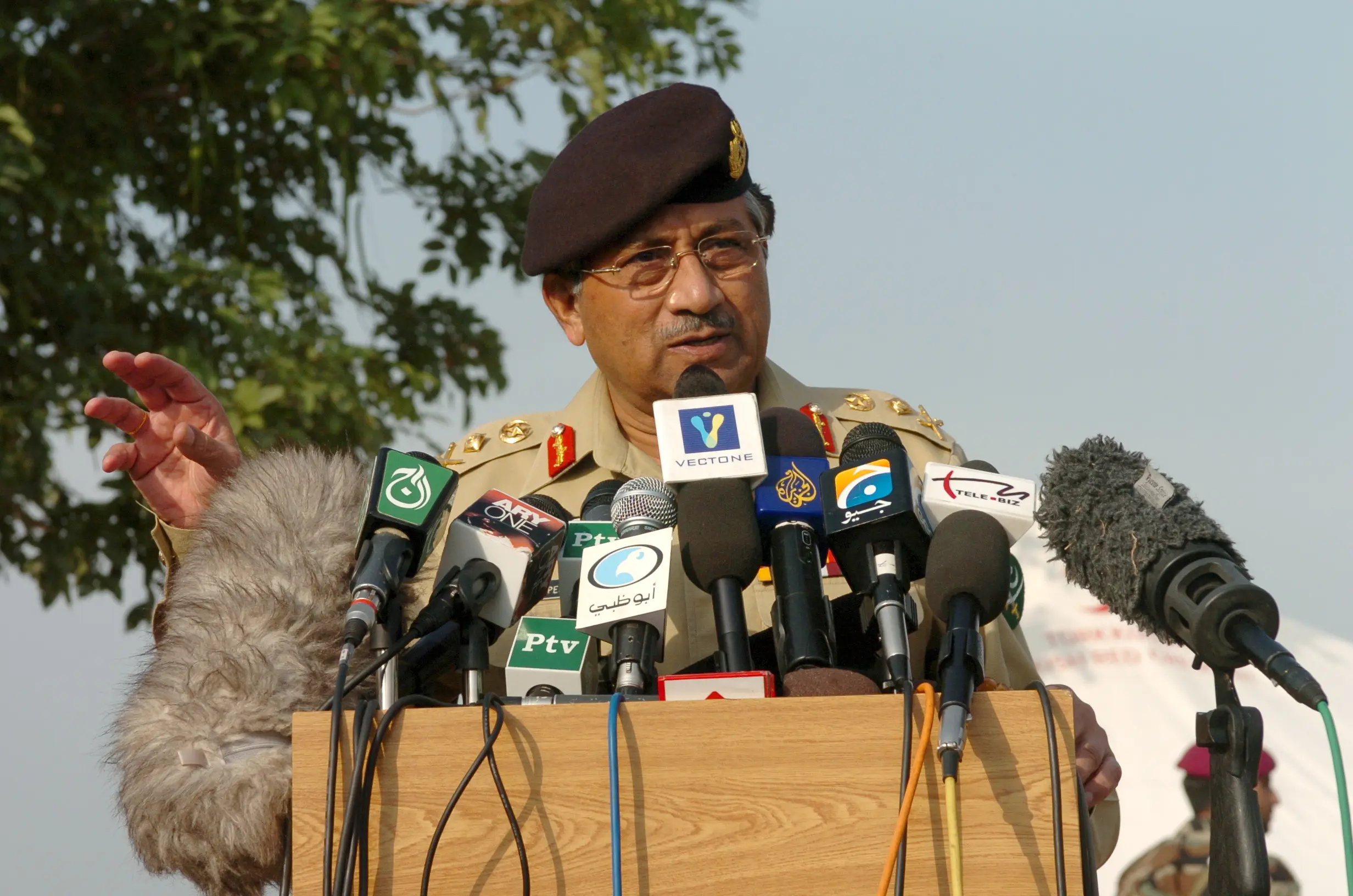
2. Pervez Musharraf (Pakistan)
General Pervez Musharraf came to power in Pakistan through a military coup in 1999 and served as president until 2008. Pressure from political opponents, the judiciary, and the public eventually forced him to resign. He left Pakistan for London and Dubai, spending most of his final years abroad and returning only briefly before his death in 2023.
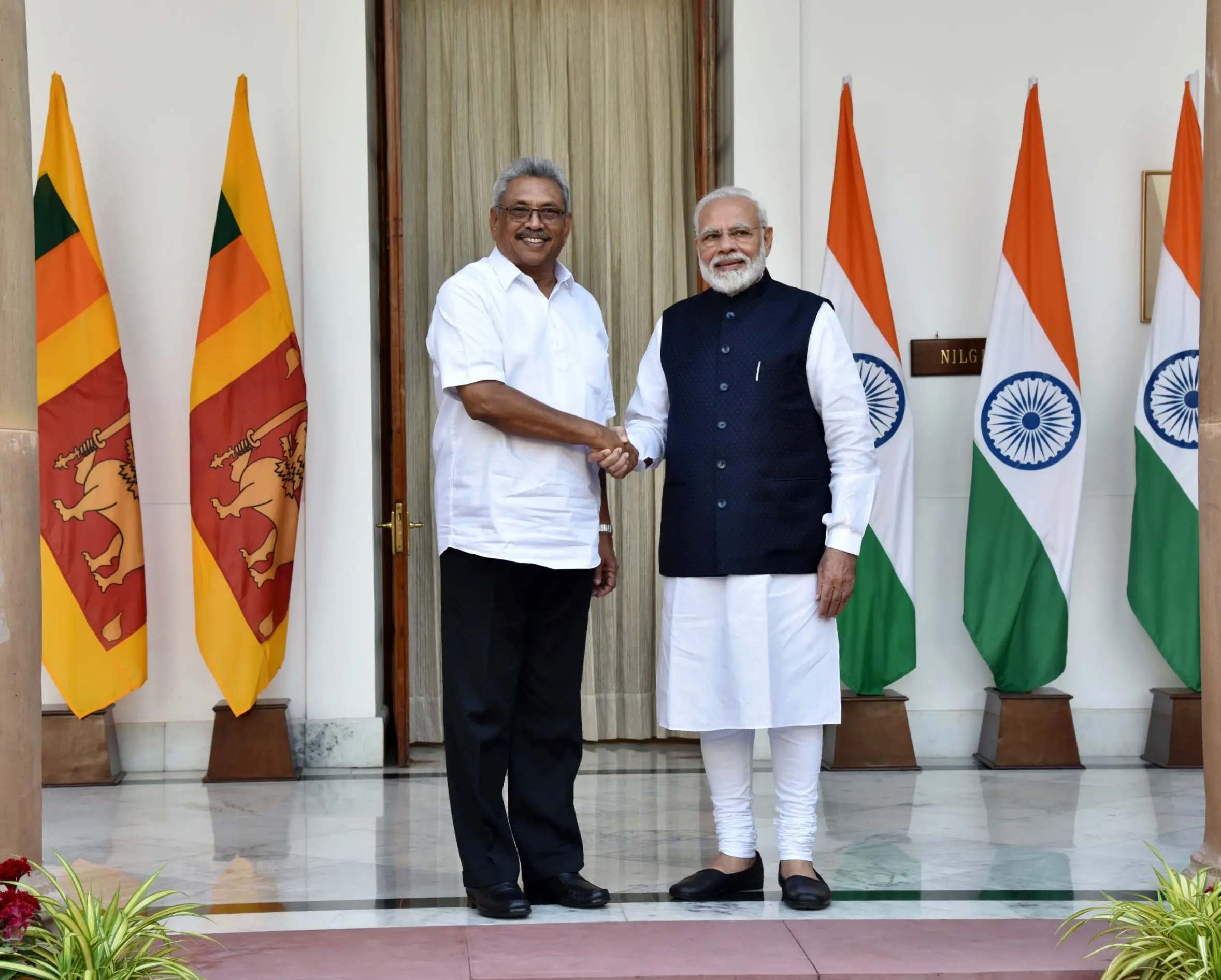
3. Gotabaya Rajapaksa (Sri Lanka)
Gotabaya Rajapaksa, a former wartime defence chief turned president, fled Sri Lanka in July 2022 at the peak of the country’s economic collapse. Severe shortages, inflation, and public anger led to mass protests and the storming of government buildings. Rajapaksa escaped first to the Maldives, then Singapore, and resigned from abroad. His fall marked a dramatic reversal for a family that had dominated Sri Lankan politics for decades.
4. Ashraf Ghani (Afghanistan)
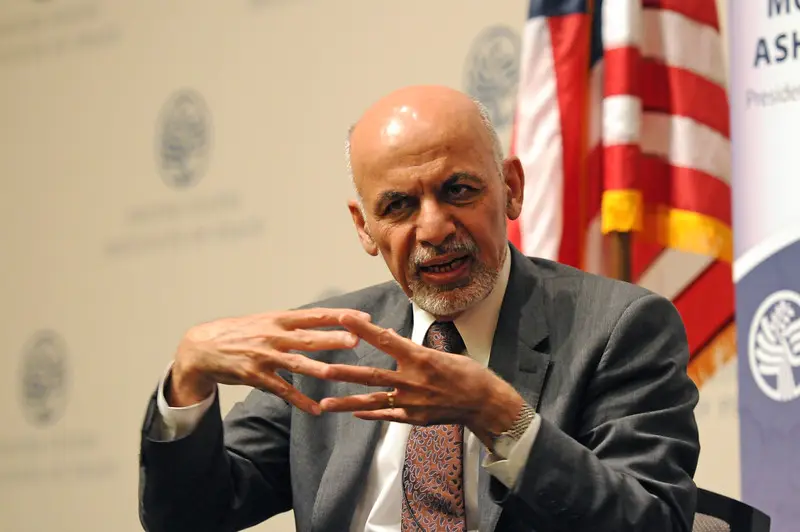
Afghanistan’s president Ashraf Ghani fled Kabul on August 15, 2021 as Taliban forces entered the capital. Ghani had vowed to stay, but left within hours, citing fears of further bloodshed. His departure angered many Afghans who felt abandoned as the Afghan state collapsed. Ghani now lives in the United Arab Emirates, maintaining that he left to prevent a massacre.
5. Sadiq al-Mahdi (Sudan)
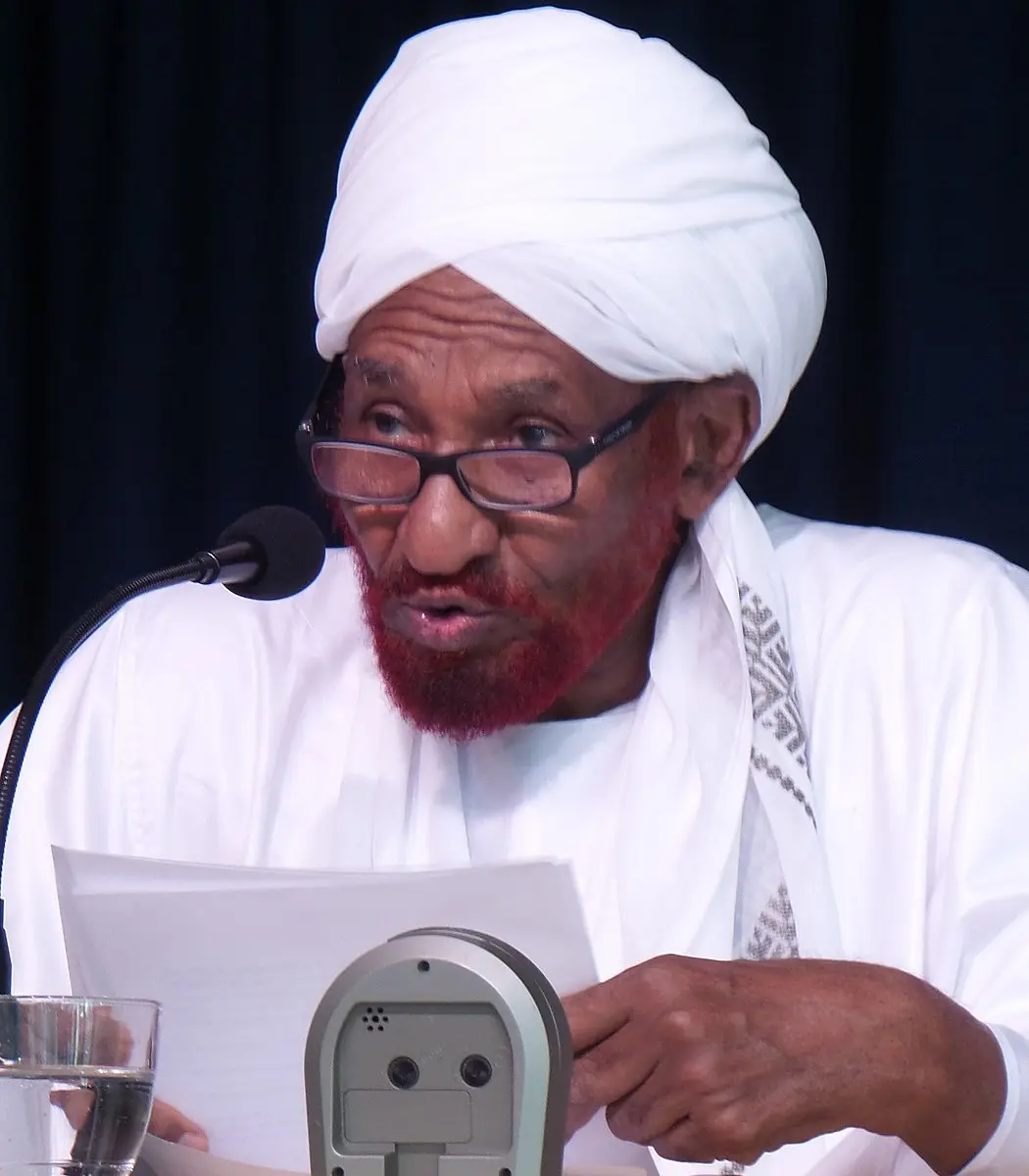
Sadiq al-Mahdi was twice elected prime minister of Sudan before being overthrown in a 1989 coup led by Omar al-Bashir. Forced into exile, he spent years mobilising opposition from abroad. Though he returned to Sudan later in life and briefly re-entered politics, recurring instability forced him to continually move in and out of the country. He remained a key figure in Sudanese politics until his death.
6. Dalai Lama (Tibet)
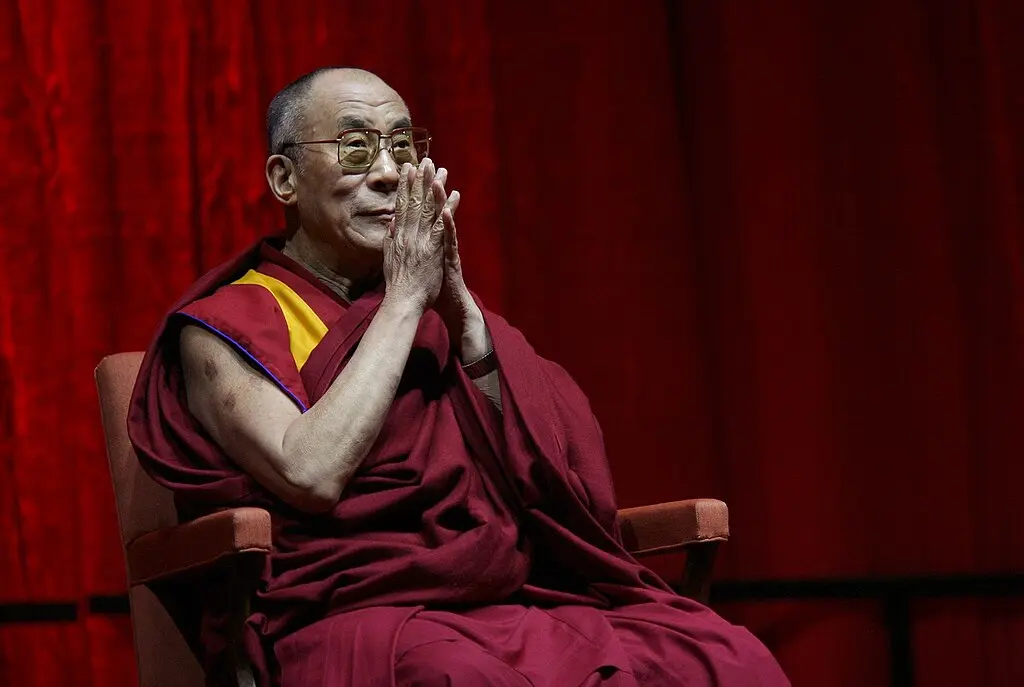
Tenzin Gyatso, the 14th Dalai Lama, fled Tibet in 1959 after a failed uprising against Chinese control. Escaping on foot and horseback across the Himalayas, he reached India and established a government-in-exile in Dharamshala. More than six decades later, he remains the spiritual leader of Tibetan Buddhists and one of the most internationally recognised exiled figures in modern history.
Why leaders flee
Despite differing circumstances, their departures share common themes: loss of authority, mass uprisings, institutional betrayal, and fear of imprisonment or assassination. Some leaders leave to survive. Others hope to regroup and return. In every case, exile marks a turning point in national history.
)
)
)
)
)