Shahed drones, F-14 fighter jets, and Haj Qasem missile: Weapons Iran has reportedly used in the war

Iran is reportedly using a mix of advanced and legacy weapons in the ongoing war, including Shahed kamikaze drones, Haj Qasem ballistic missiles, and aging F-14 fighter jets. These systems highlight Iran’s strategy of combining low-cost drone swarms with precision missile strikes
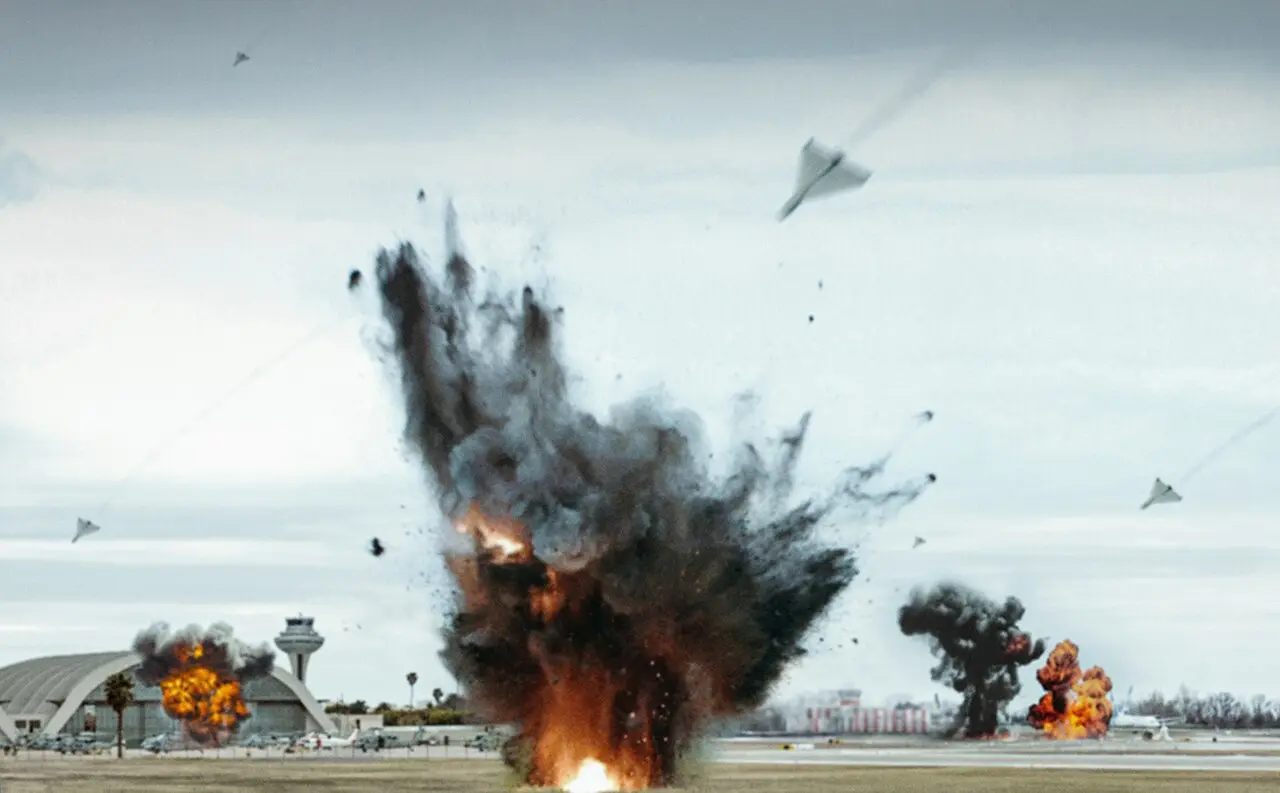
Shahed drones
Iran’s Shahed-series drones, especially the Shahed-136, are widely used as loitering munitions or ‘kamikaze drones’. Designed to hover before striking targets, they are inexpensive and effective in large numbers. Iran uses swarm tactics to overwhelm air defence systems, making these drones a key part of its modern warfare strategy in the ongoing conflict.
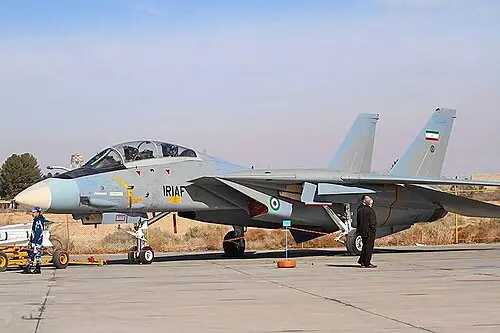
F-14 fighter jets – Aging but still operational
Iran still operates US-made F-14 Tomcat fighter jets acquired before the 1979 revolution. Despite their age, these aircraft have been upgraded domestically and remain part of Iran’s air defence and interception capabilities. Their continued use highlights Iran’s ability to maintain legacy systems while integrating them into its broader military strategy.
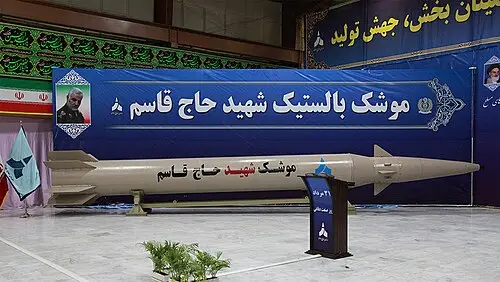
Haj Qasem missile – Precision and speed
The Haj Qasem ballistic missile is one of Iran’s more advanced systems, with a range of around 1,400–1,800 km and a high-speed, near-hypersonic capability. It uses solid fuel, enabling rapid launch with minimal preparation time. Its precision strike ability and destructive power make it a key component of Iran’s deterrence strategy.
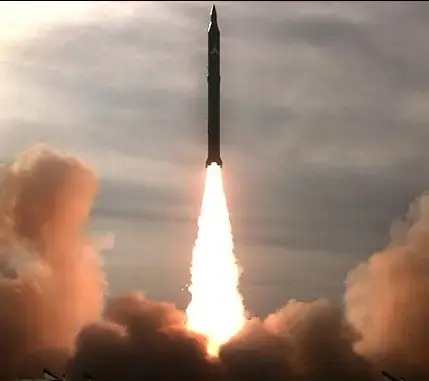
Sejjil Missile – The ‘dancing missile’
Iran’s Sejjil missile, often called the “dancing missile,” is a solid-fuel, medium-range ballistic missile capable of striking targets up to 2,000 km away. Its ability to maneuver mid-flight makes it harder for air defence systems to intercept, giving it a significant tactical advantage in modern warfare.
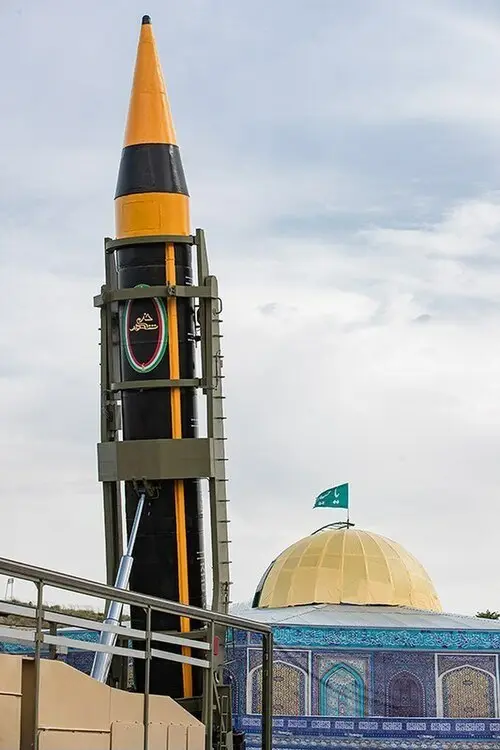
Khorramshahr Missile – Heavy payload power
The Khorramshahr missile is a long-range, liquid-fuel ballistic missile with a range of up to 2,000 km. It can carry a heavy warhead of around 1,800 kg, making it one of Iran’s most powerful weapons. Its large payload capacity allows it to deliver significant damage against strategic targets in regional conflicts.
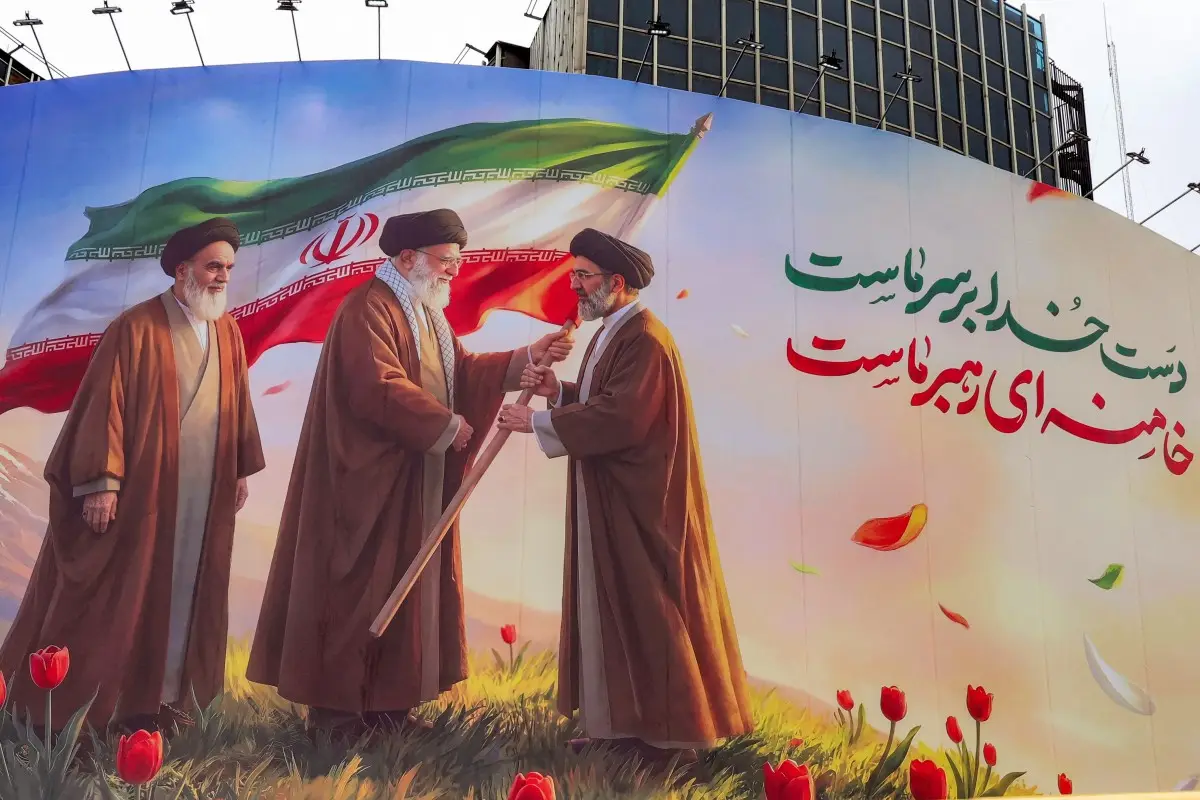
Iran’s Strategy – Drones and missiles combined
Iran’s current war strategy relies on combining low-cost drones with advanced ballistic missiles. While drones are used to exhaust and confuse air defences, missiles deliver precision strikes on high-value targets. This layered approach enhances effectiveness and reflects Iran’s broader goal of offsetting technologically superior adversaries through asymmetric warfare tactics.
)
)
)
)
)