Blood Moon leads September sky: What else you can see in the sky this month

September sky Blood Moon: Skygazers have plenty to look forward to in September. There is the 82-minute Blood Moon, which will be red in colour, several conjunctions, oppositions and also the String of Pearls events.
September sky calendar - Skygazing in September
The month of September promises to be a skygazer's delight as several celestial events are lined up. From the total lunar eclipse to a string of pearls, there is a lot to see in the night sky this month. So get your binoculars and telescopes out, and get ready to be treated to some amazing occurrences.
Blood Moon (September 7)
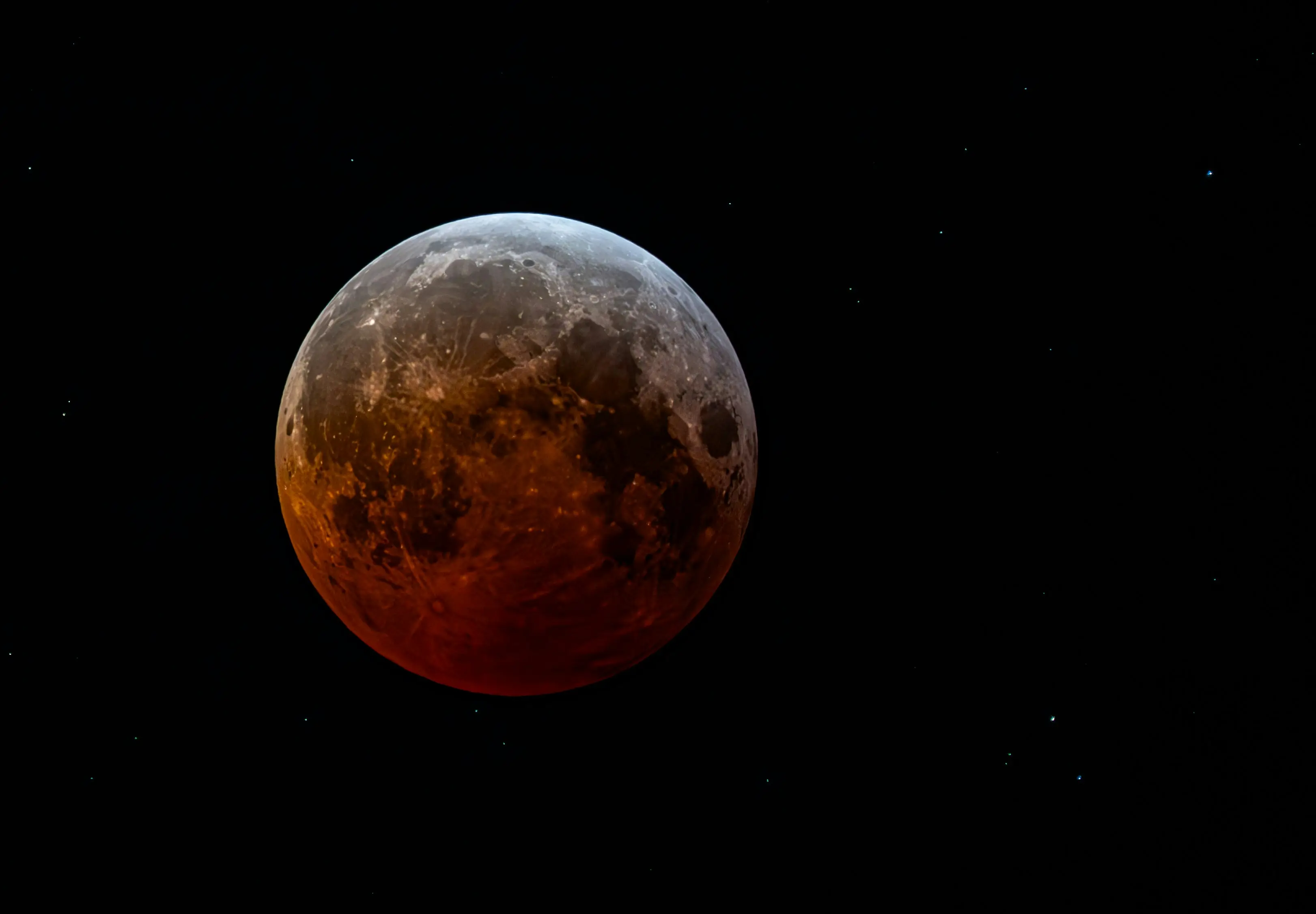
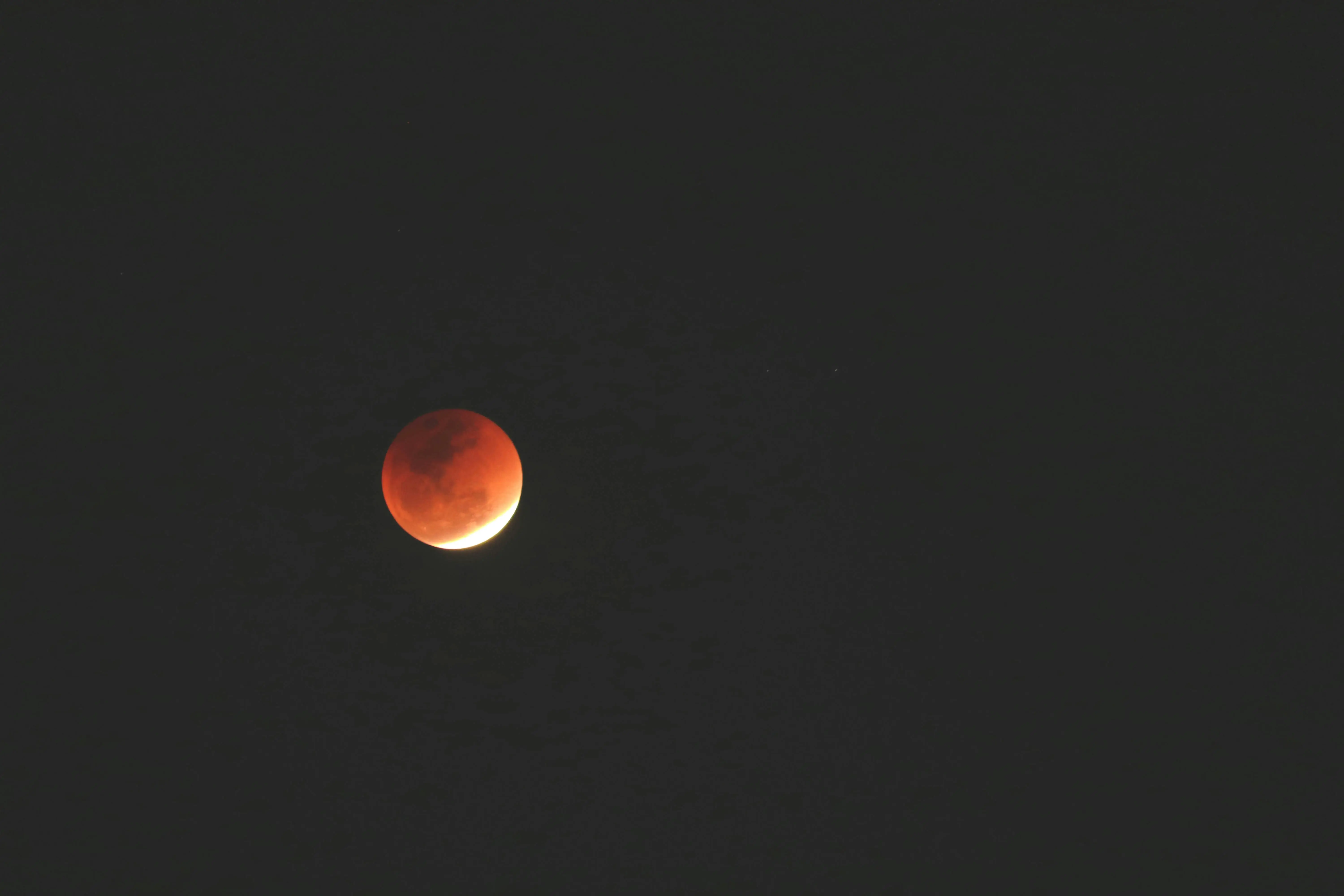
A Blood Moon will rise in the sky on the night of September 7 and 8, creating a celestial spectacle that you do not want to miss. The moon will turn dark red when Earth passes directly between the Sun and the full Moon. This will be the year's second and final total lunar eclipse. The totality phase of the eclipse will last for 82 minutes, while the complete eclipse will occur for five hours.
Where will Blood Moon be visible?
The eclipse will be visible to nearly 77 per cent of the world's population. Unfortunately, Americans won't get to see the red Blood Moon, since the full moon would have already set over North and South America when it begins. It will be visible in Asia, Australia, Africa, and Europe. Asia and Western Australia will get the best view, according to Time and Date.
Moon Saturn and Neptune convergence (September 8)
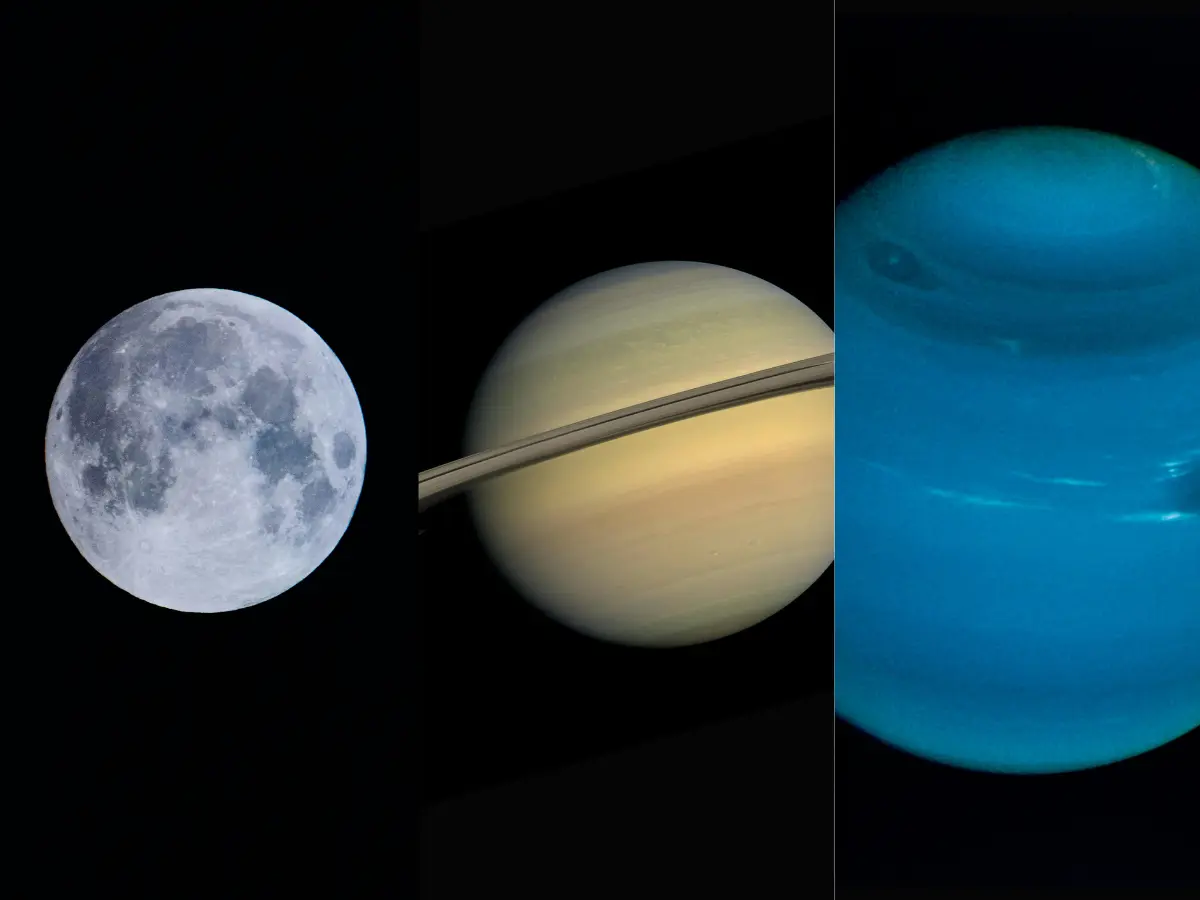
The Moon, Saturn, and Neptune will come together in the night sky, creating an alignment. Each will be around 3.5 degrees from one another on September 8. While Saturn should be visible to the naked eye, to see Neptune, you'll need to use your binoculars or a telescope.
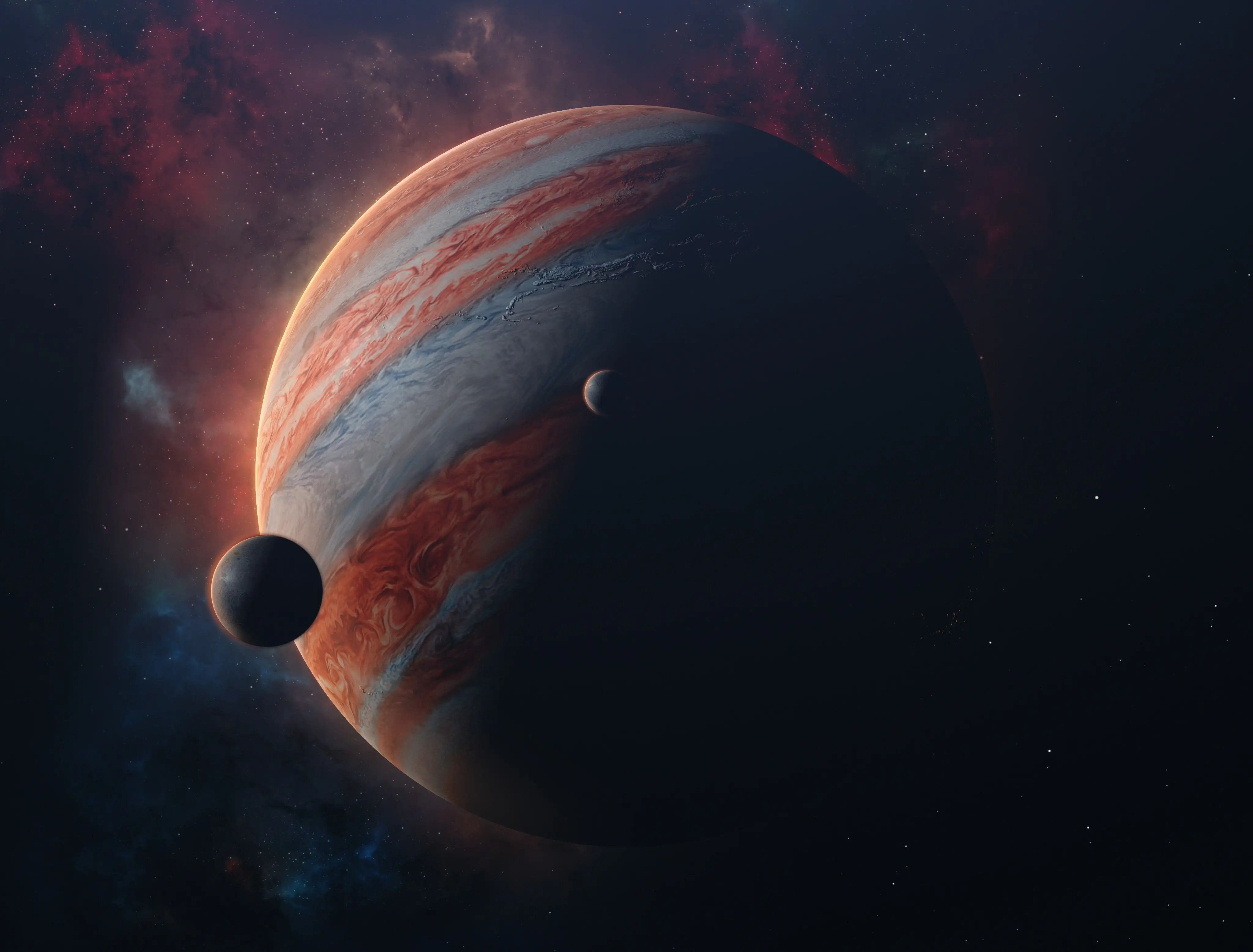
Moon and Jupiter meet (September 16)
A waning crescent Moon will rise on September 16 and will be accompanied by Jupiter, which will be around 4.5 degrees from it. The largest planet of the solar system will rise after midnight and stay there with the Moon till sunrise. This is also a great chance to see Jupiter's four Galilean moons - Ganymede, Callisto, Io, and Europa. But you'll either need good binoculars or a telescope to see them.
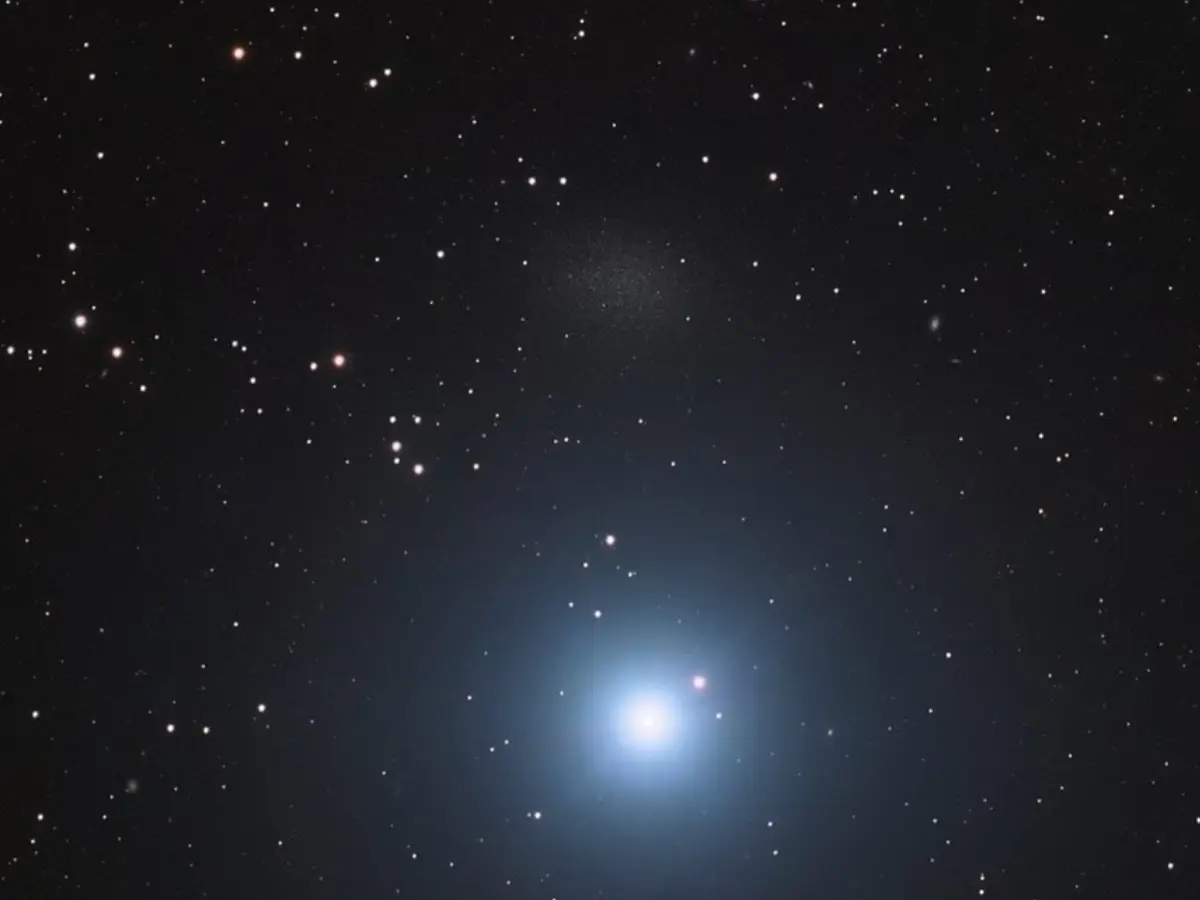
Moon, Venus, and Regulus conjunction (September 19)
This get-together will only be visible in a few places - Canada, Europe, Africa, and Greenland. The spectacle will happen in the constellation Leo, where the star Regulus will come together with a crescent Moon and Venus.
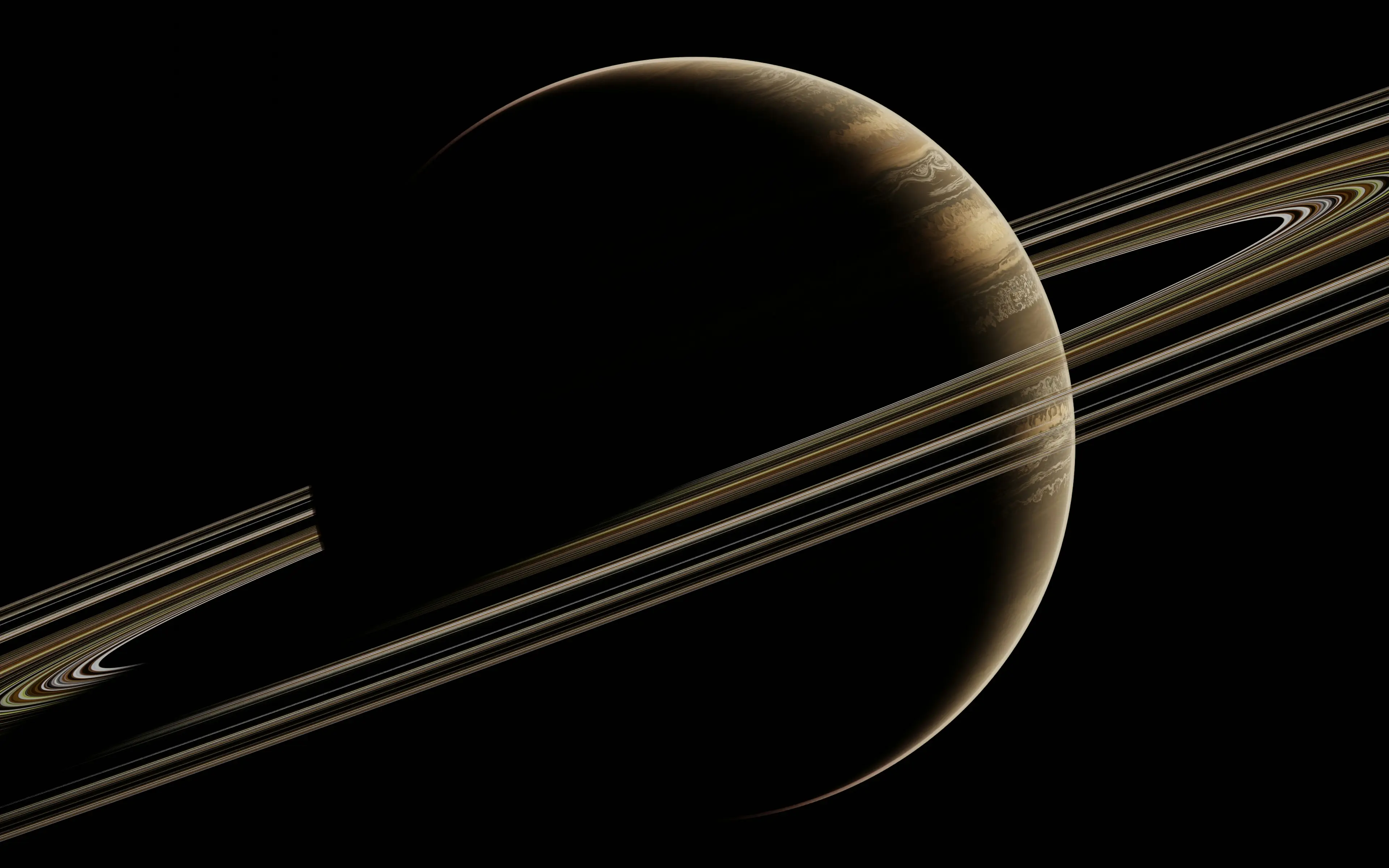
Saturn opposition (September 21)
The ringed planet will be directly opposite the Sun on September 21. It will rise early evening and stay in the sky until the sun rises. The position of Saturn will make it extremely bright and provide a good chance to see its rings and other details.
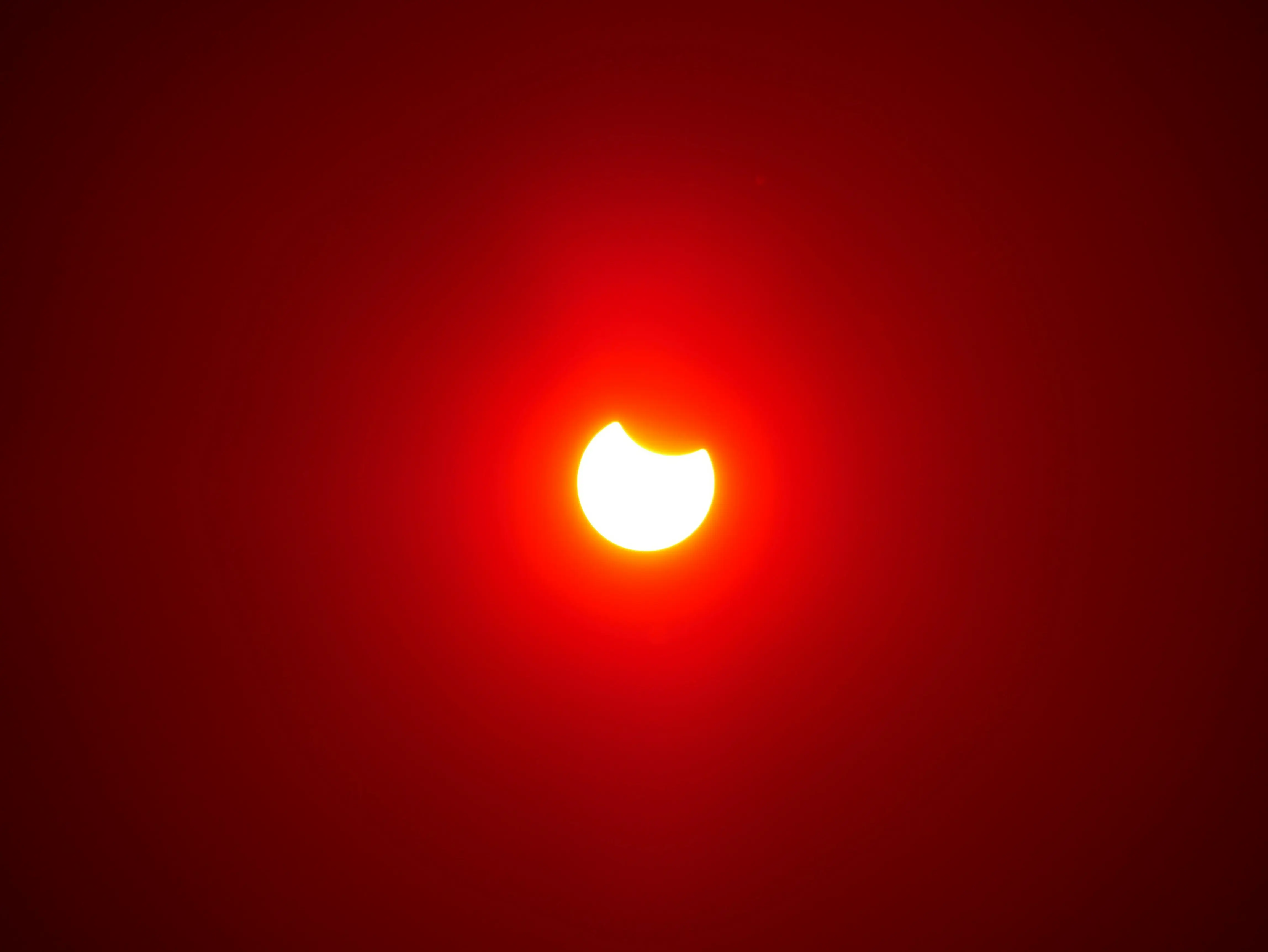
Autumnal equinox and partial solar eclipse (September 22)
Spring will be ushered into the Southern Hemisphere when the Sun crosses the equator on September 22. This event is known as the autumnal equinox, as autumn begins in the Northern Hemisphere. The length of days and nights will be equal from this day onwards. Meanwhile, a partial solar eclipse will occur in the South Pacific and some regions of Antarctica.
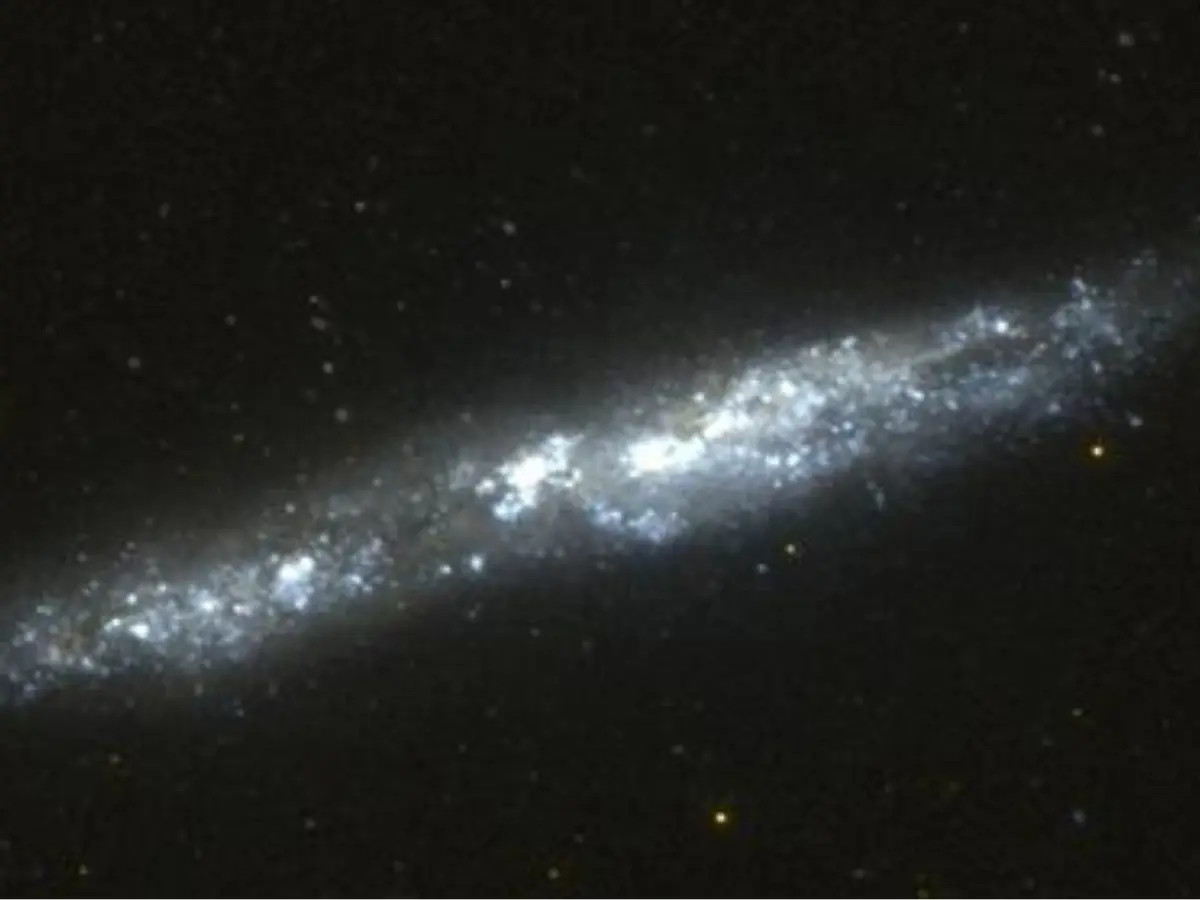
‘String of Pearls’ (September 24)
The irregular barred spiral galaxy, NGC 55, also known as Caldwell 72 or the Whale Galaxy, will rise in the sky. It is located 6.5 million light-years away in the constellation Sculptor. During this time in September, an edge-on view of the galaxy’s bright star-forming regions along its elongated bar resembles a line of pearls.
)
)
)
)
)