Self-isolating species that have mastered social distancing

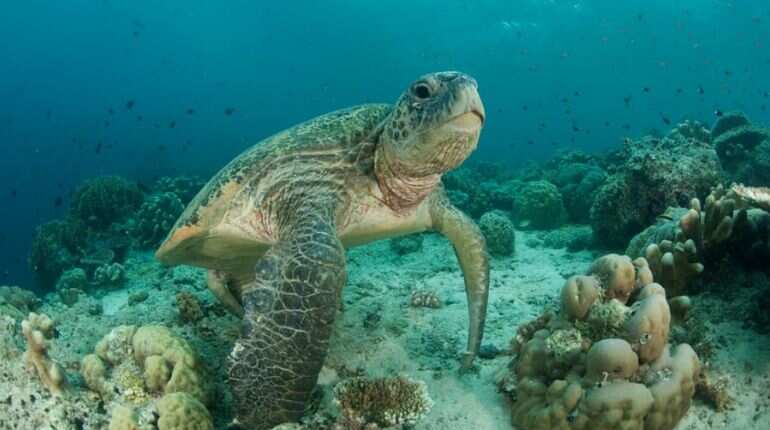
Marine turtles
Occupying our oceans for more than 100 million years, marine turtles are terrific navigators, in some cases swimming hundreds of thousands of miles between feeding and nesting grounds.
They prefer to interact or congregate with only one other turtle for short periods for mating or nesting. Spending much of their time at sea, the female turtle will return to the ocean leaving her nest and the eggs within it to develop on their own.
Once the hatchlings emerge, they will begin a long solo journey in the ocean where, if they manage to survive, they will remain alone for many years.
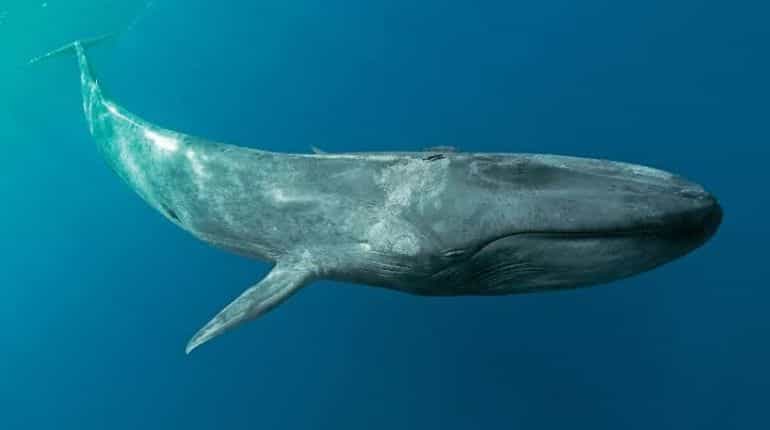
Blue whales
The largest animals on the planet, blue whales roam the world’s oceans freely, swimming only occasionally in small groups, but more often alone or in pairs.
With enormous heart and stomachs built to eat more than 3 tonnes of krill per day, it is the way they communicate with one another that shows their independence.
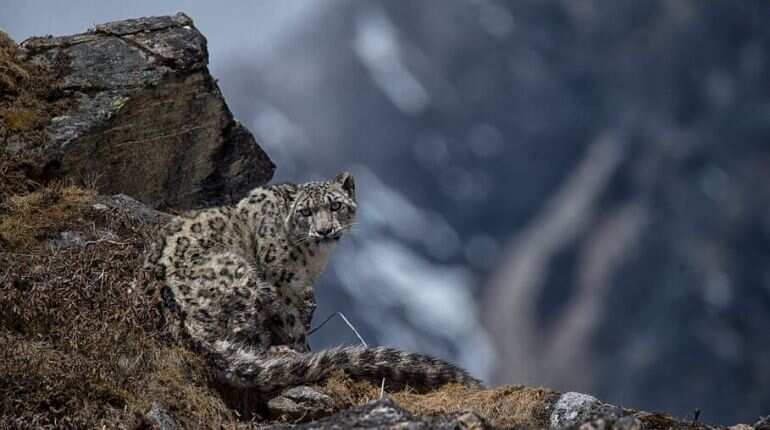
Snow leopards
The elusive creatures are generally active at dawn and dusk, and are able to kill prey up to three times their weight.
Snow leopards are solitary, stealthy predators. These shy cats are not afraid of living a life alone, patrolling home ranges that can cover up to hundreds of square kilometres.
Snow leopards will only usually be seen together during mating season or when a mother is looking after her cubs
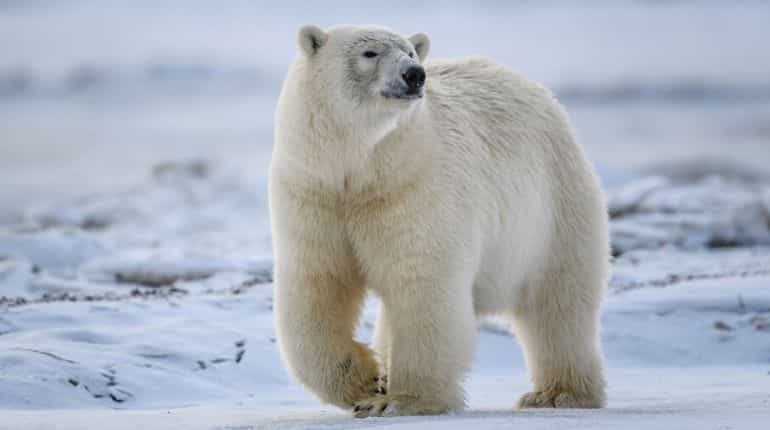
Polar bears
Polar bears are the planet’s biggest land-based carnivores and spend most of their days around water and ice and not a great deal else.
The polar bear lives a semi-solitary life. Apart from actively seeking mating partners in the late spring and early summer, and raising cubs, adult polar bears tend to be antisocial.
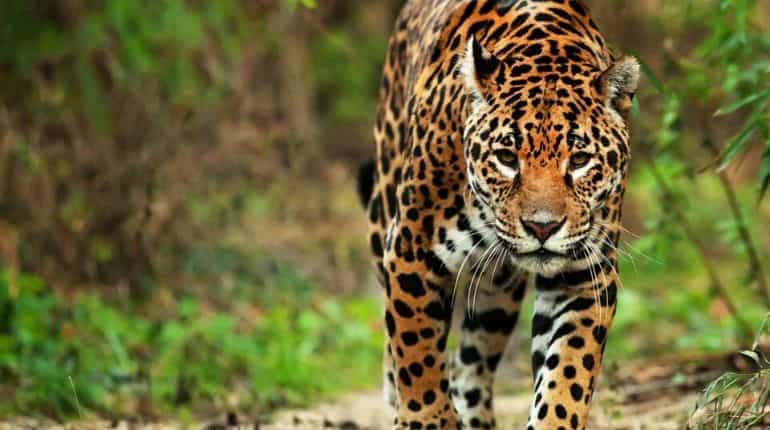
Jaguars
Usually land-based hunters, these animals prefer to hunt alone and can be found climbing trees to attack their prey from above.
Like the snow leopard, jaguars live a solitary life, until mating season.
Unlike most other big cats, jaguars also love the water and enjoy going for a swim, sometimes even hunting for fish in rivers.

Orangutans
Known for their distinctive red fur and intelligence, orangutans are semi-solitary in the wild.
They spend most of their time hanging out in trees, moving swiftly through the branches.
Orangutans sometimes gather to feed in large fruiting trees.
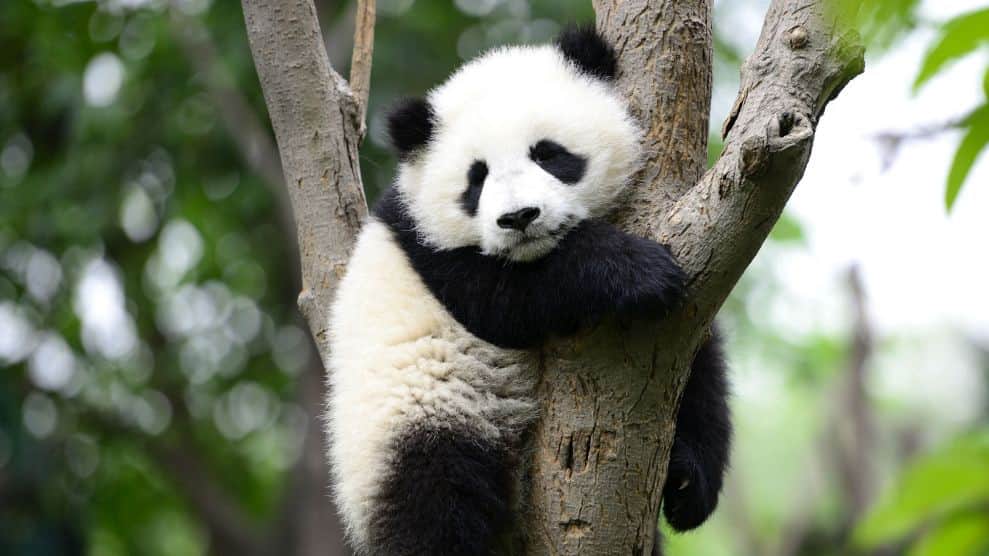
Giant pandas
They are generally solitary and peaceful animals which are skilful tree climbers and can spend up to 14 hours a day feeding, mainly on bamboo.
Giant pandas have a highly developed sense of smell, which assists them in finding a potential mate in the spring, or can be used to avoid direct contact with others.
Like many other solitary animals, they will need to spend time together during the breeding season.

Platypus
The native Australian platypus spends its days eating crustaceans and plants at the bottom of rivers, lakes and streams, or resting in its burrow.
With its shy nature, these unique, egg-laying mammals will only come together during breeding season or when a mother is nurturing her young ones.
)
)
)
)
)