‘Seconds to react’: How fighter jets survive missile threats

When a Mach 4 missile locks on, fighter pilots have seconds to survive. By combining electronic radar jamming, high-G kinematic manoeuvres, and automated decoys like flares and chaff, multi-million dollar jets can blind and defeat lethal threats.
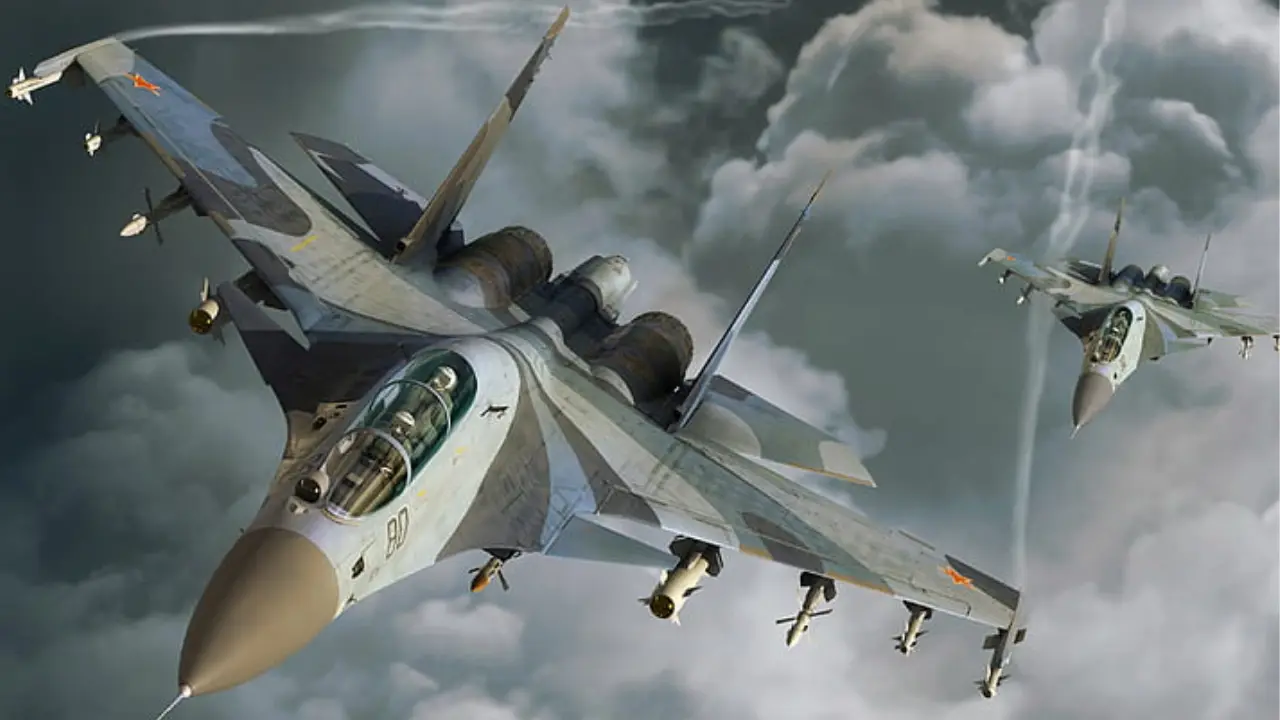
The Mach 4 Threat
When an incoming surface-to-air missile accelerates past Mach 4, a fighter pilot has mere seconds to react. Because the weapon moves twice as fast as the jet, surviving relies entirely on automated electronic warfare rather than pure speed.
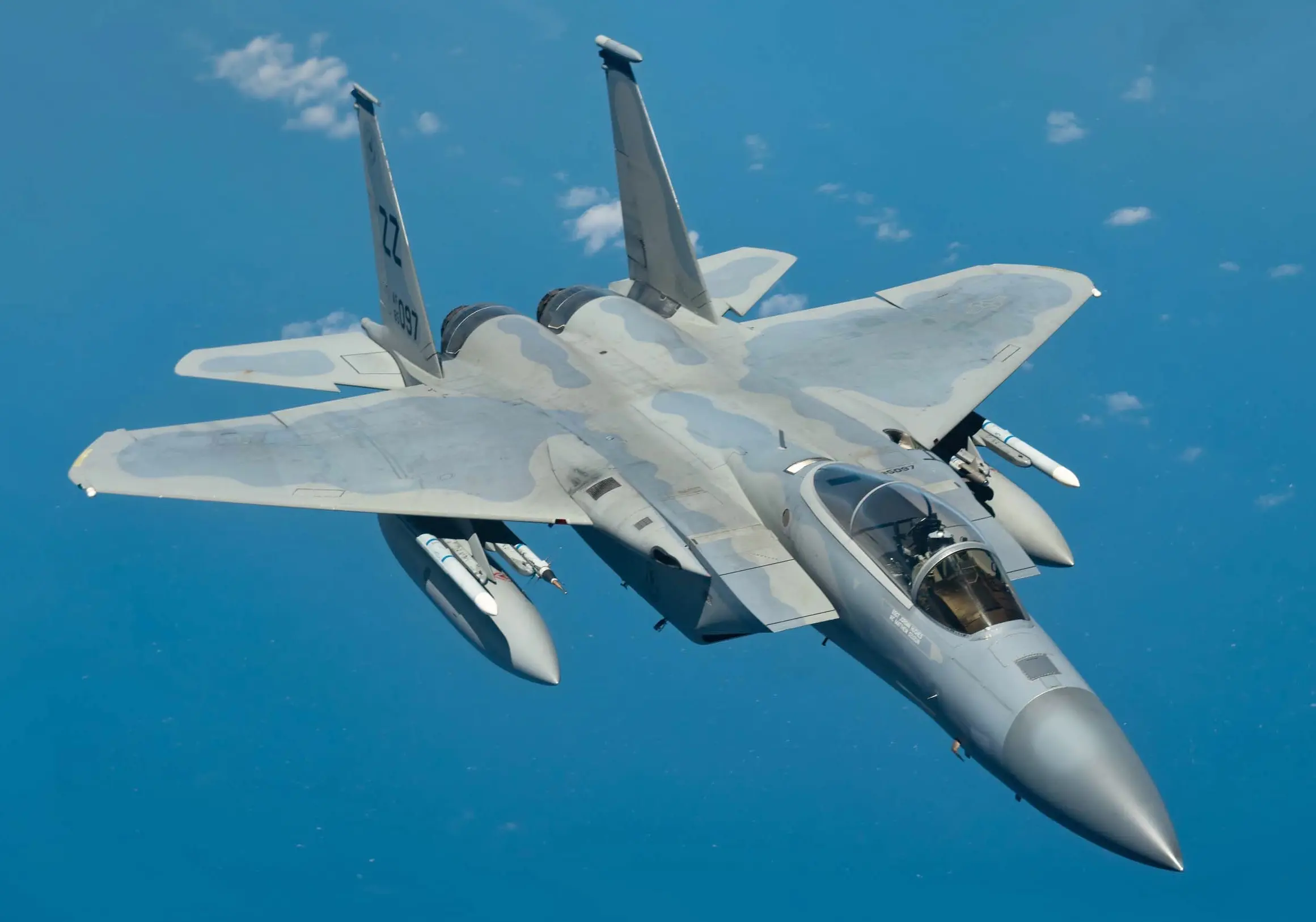
The Warning Receiver
The first line of defence is the Radar Warning Receiver (RWR), which detects invisible electromagnetic waves painting the aircraft. It instantly alerts the pilot with a distinct audio tone, identifying the exact direction and type of the lethal threat.
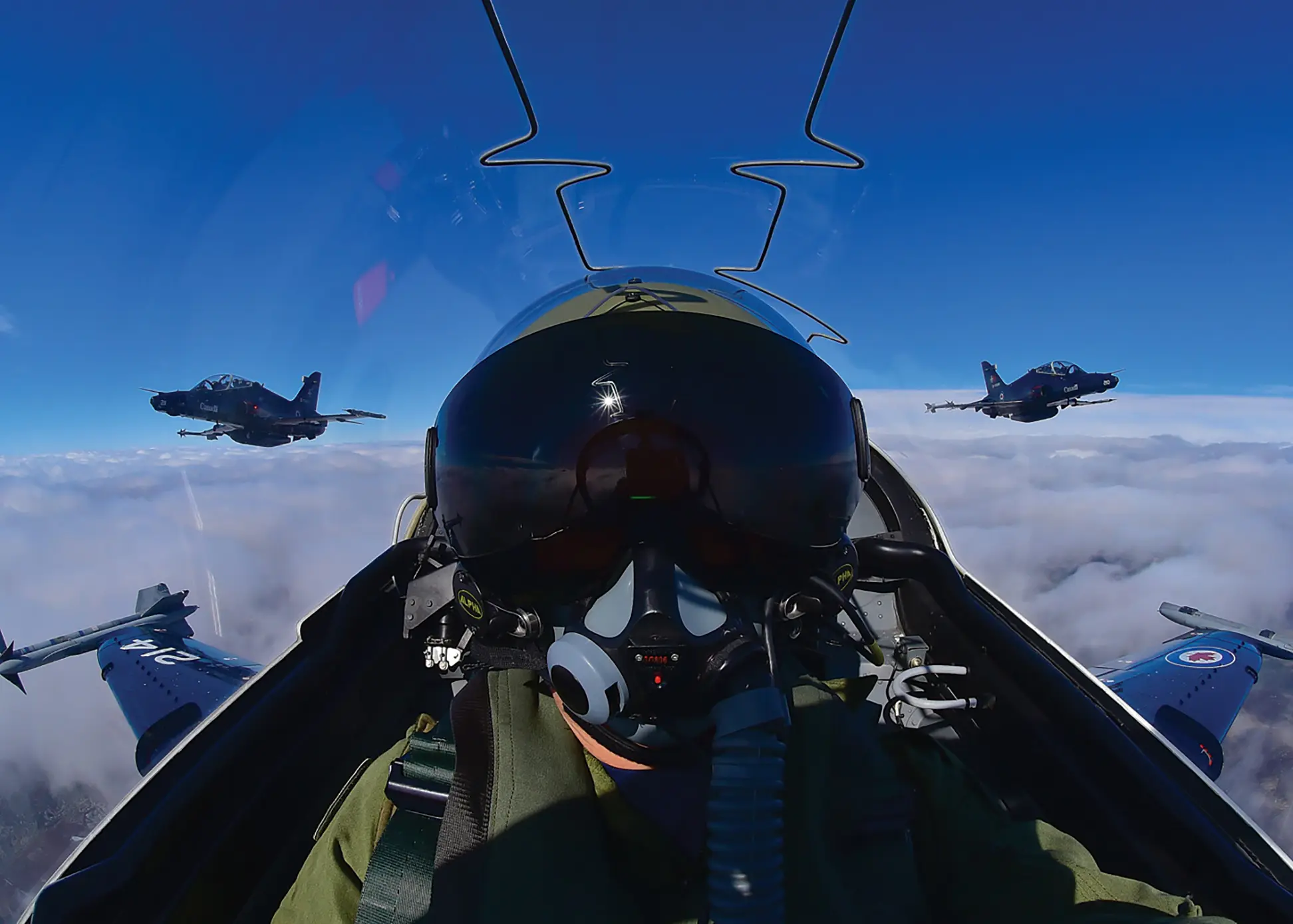
Electronic Jamming
Before taking evasive action, the jet activates its multi-million dollar electronic countermeasures pod. This digital system beams high-powered ‘noise’ directly back at the hostile radar, effectively blinding the missile's targeting computer and breaking the lock.
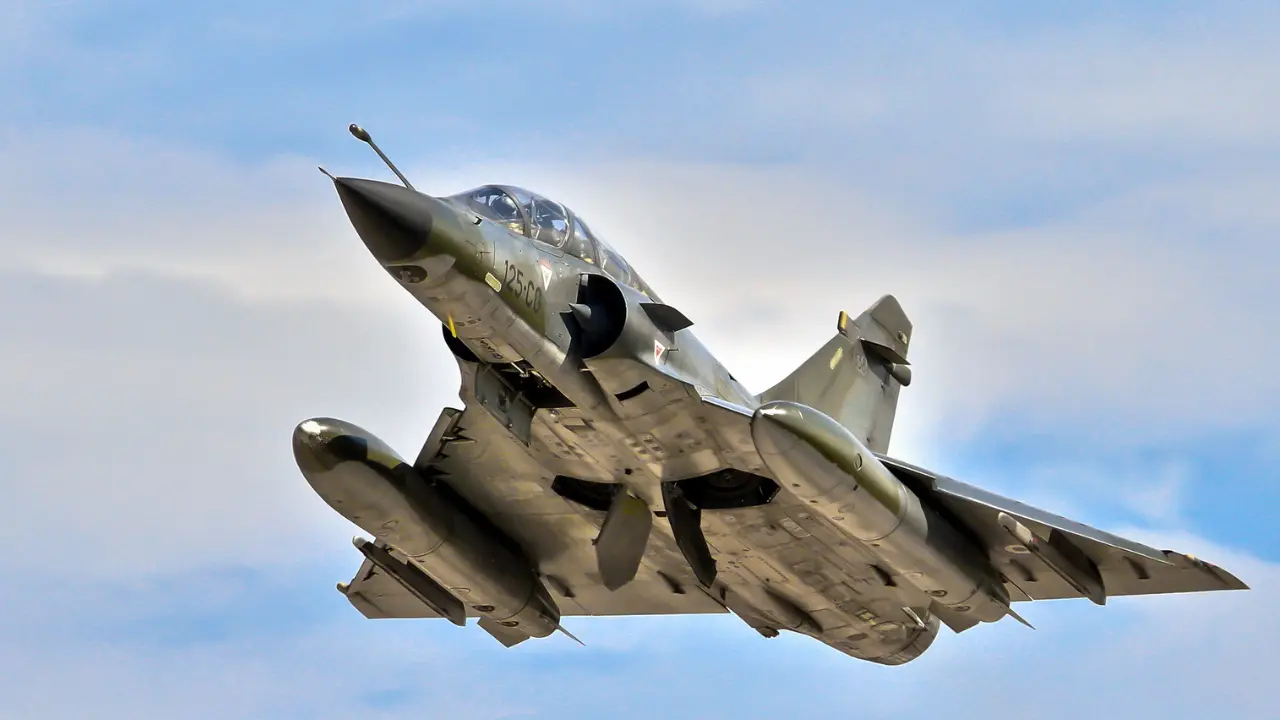
The 'Notching' Tactic
If jamming fails, the pilot violently banks the aircraft 90 degrees to fly completely perpendicular to the incoming missile. This ‘notching’ manoeuvre exploits the Doppler effect, tricking the enemy radar into dismissing the USD 80 million jet as slow-moving background clutter.
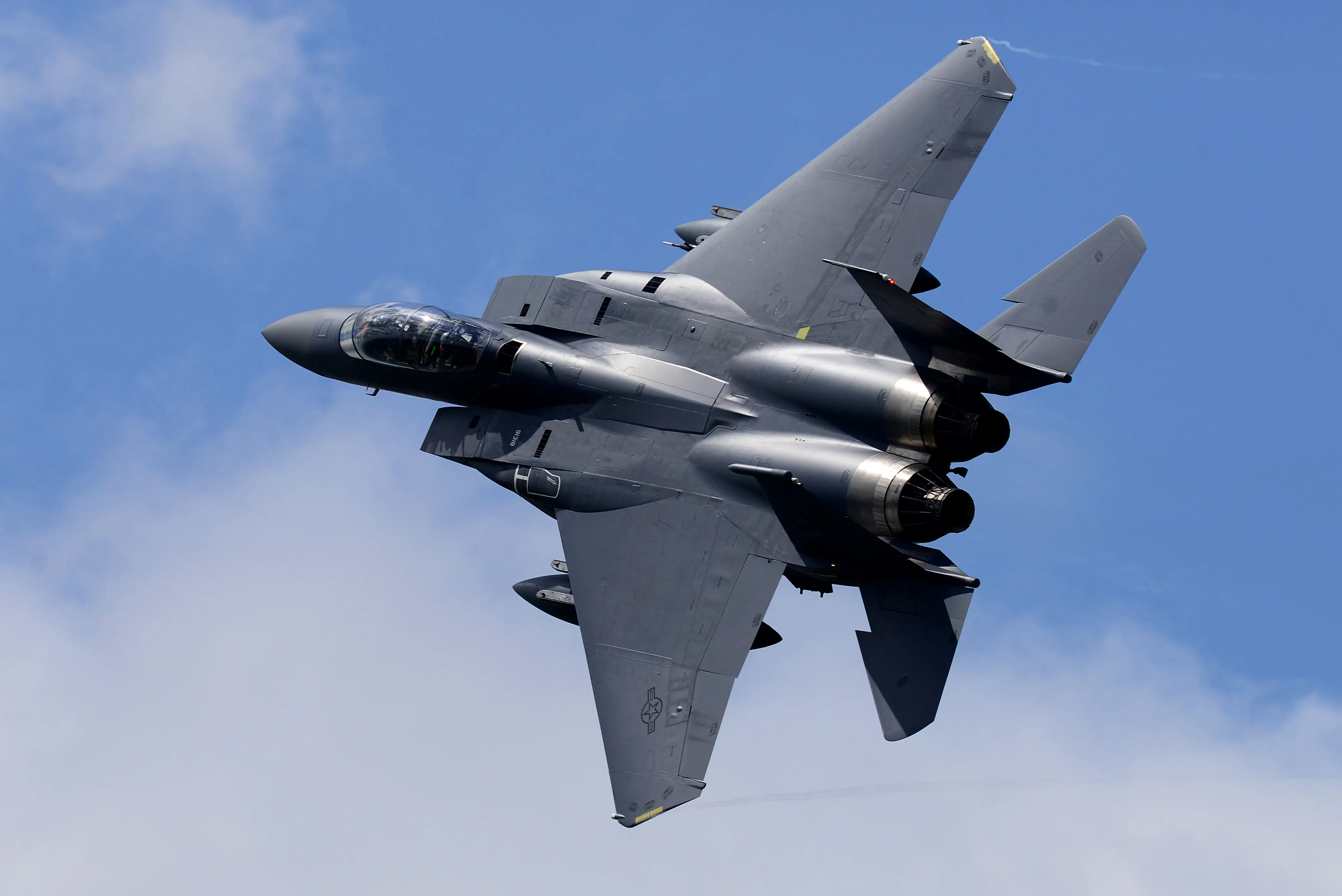
Deploying Chaff
Against persistent radar-guided weapons, the aircraft fires automated cartridges packed with millions of microscopic aluminium strips. This creates a massive, highly reflective metallic cloud in the sky that acts as a decoy, forcing the missile to attack the debris instead of the jet.
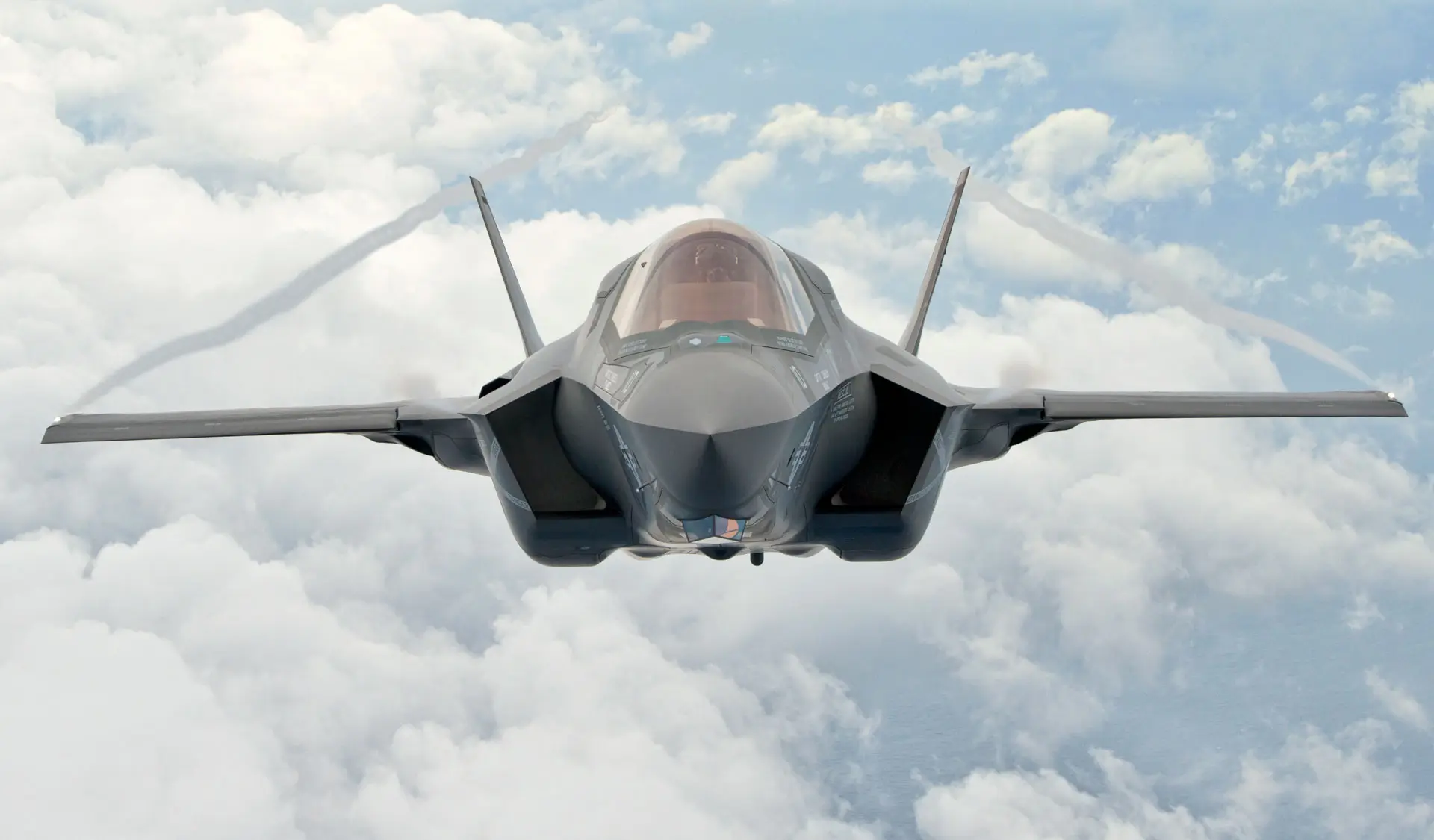
Defeating Heat-Seekers
To survive stealthy infrared missiles that do not use radar, the jet ejects burning magnesium flares. Igniting at over 1,000 degrees Celsius, these intense thermal blooms easily overpower the aircraft's engine exhaust, drawing the heat-seeking weapon away from the airframe.
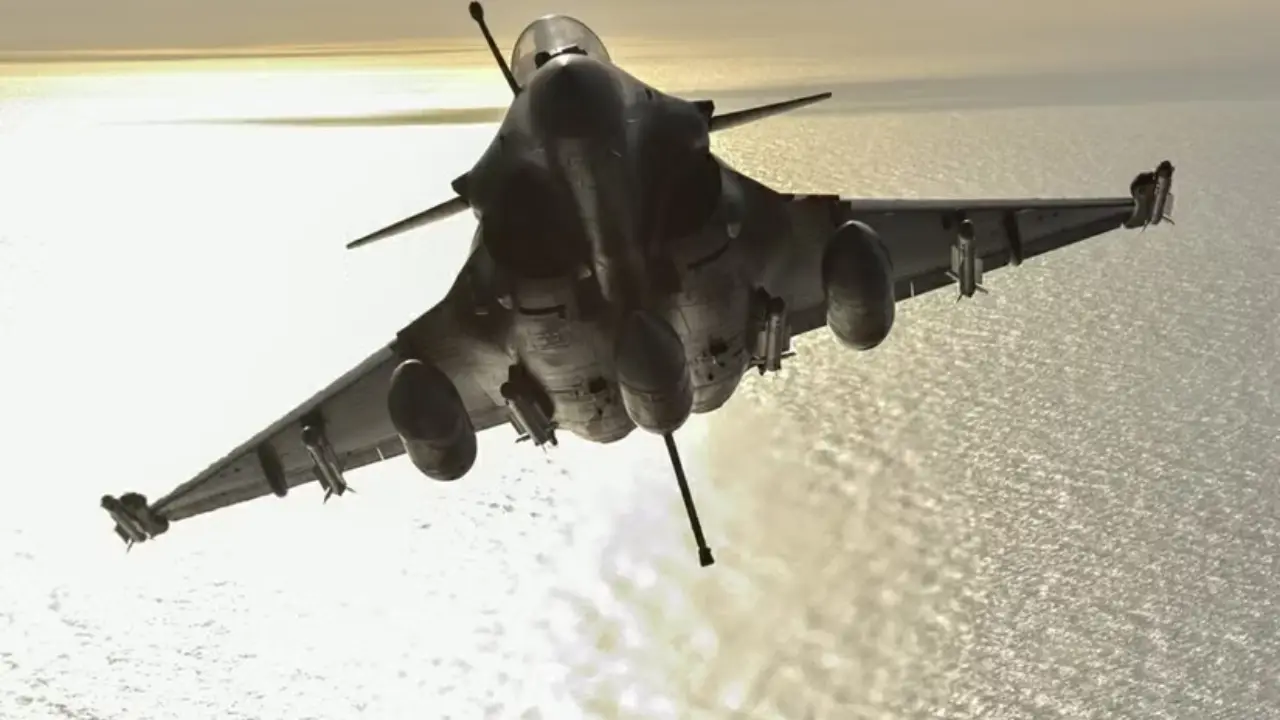
Bleeding the Energy
As a final resort, the pilot pulls a crushing 9-G turn to force the missile into a tight aerodynamic pursuit. Because the weapon's rocket motor burns out in seconds, this aggressive kinematic manoeuvre drains its remaining kinetic energy, causing it to fall harmlessly from the sky.
)
)
)
)
)