Second US supercarrier near Iran soon? Which warship could join USS Abraham Lincoln amid US–Iran tensions?

The USS George Washington in Asia and the USS George HW Bush on the US east coast are the most likely candidates, officials have told Reuters, but each is at least a week away from the Middle East.
Rising tensions as diplomacy continues
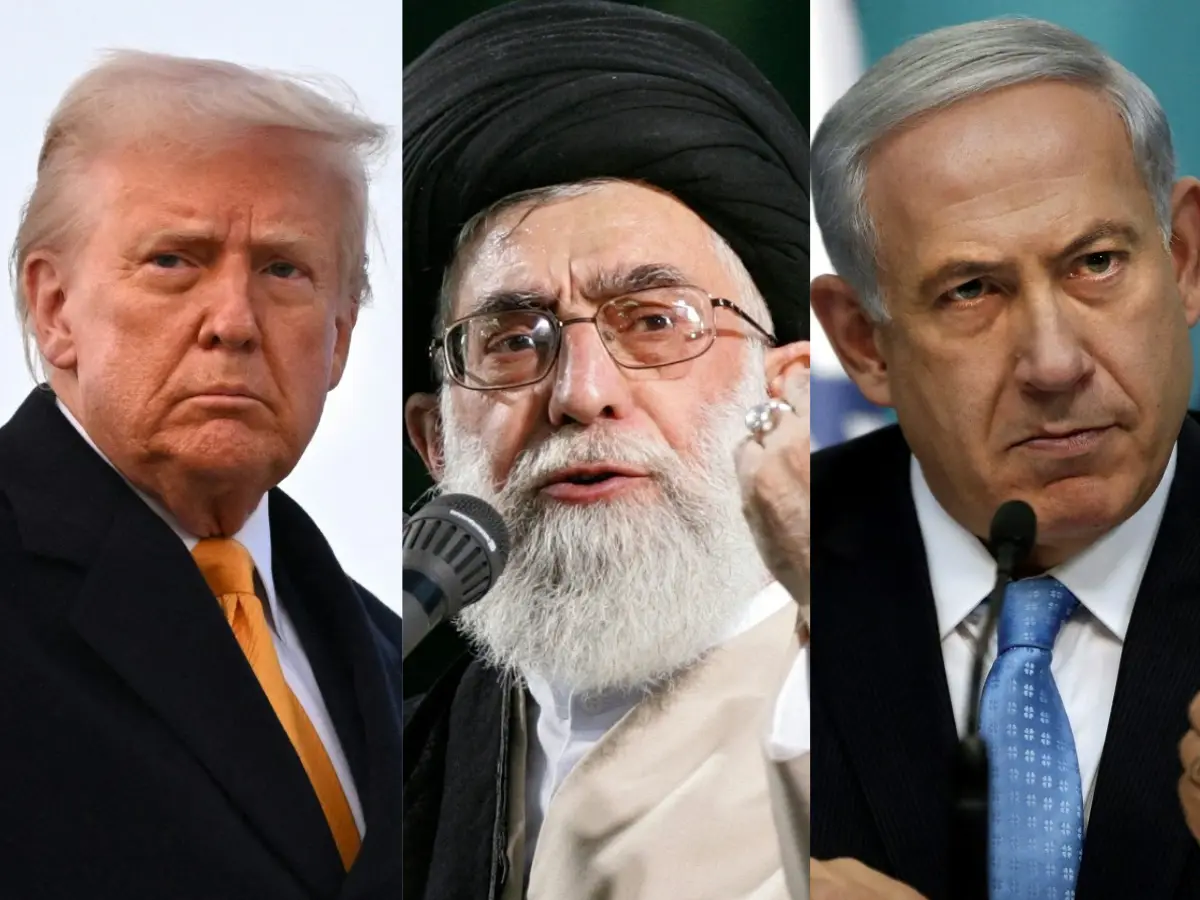
The United States is weighing an expanded military presence in the Middle East as nuclear negotiations with Iran continue through mediation in Oman. According to Reuters, diplomatic channels remain active, yet tensions have risen amid concerns over Iran’s nuclear programme and regional security activities. The dual track of talks and military positioning reflects a familiar pattern in US–Iran relations, where deterrence and diplomacy often unfold simultaneously.
USS Abraham Lincoln already deployed
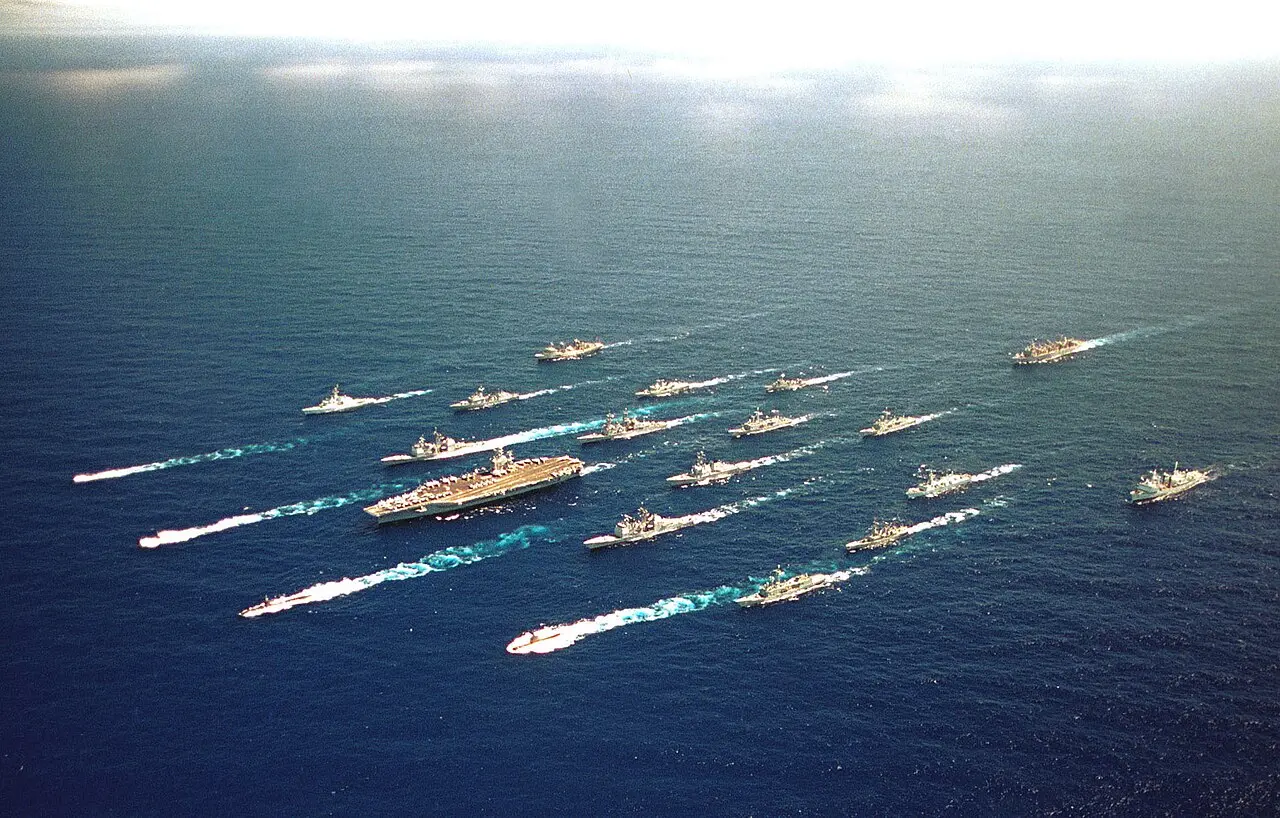
The USS Abraham Lincoln carrier strike group has been deployed to the Gulf as part of Washington’s strategy to protect vital maritime trade routes and reassure regional allies amid escalating tensions. The deployment comprises escort warships, advanced fighter aircraft and integrated missile defence systems. In interviews with Israeli media, US President Donald Trump signalled a firm stance on ongoing negotiations with Iran, warning that the United States would be compelled to take “something very tough” measures if diplomatic efforts fail. Speaking to Israel’s Channel 12, Trump stated, “Either we reach a deal or we’ll have to do something very tough.”
Trump signals possibility of reinforcement
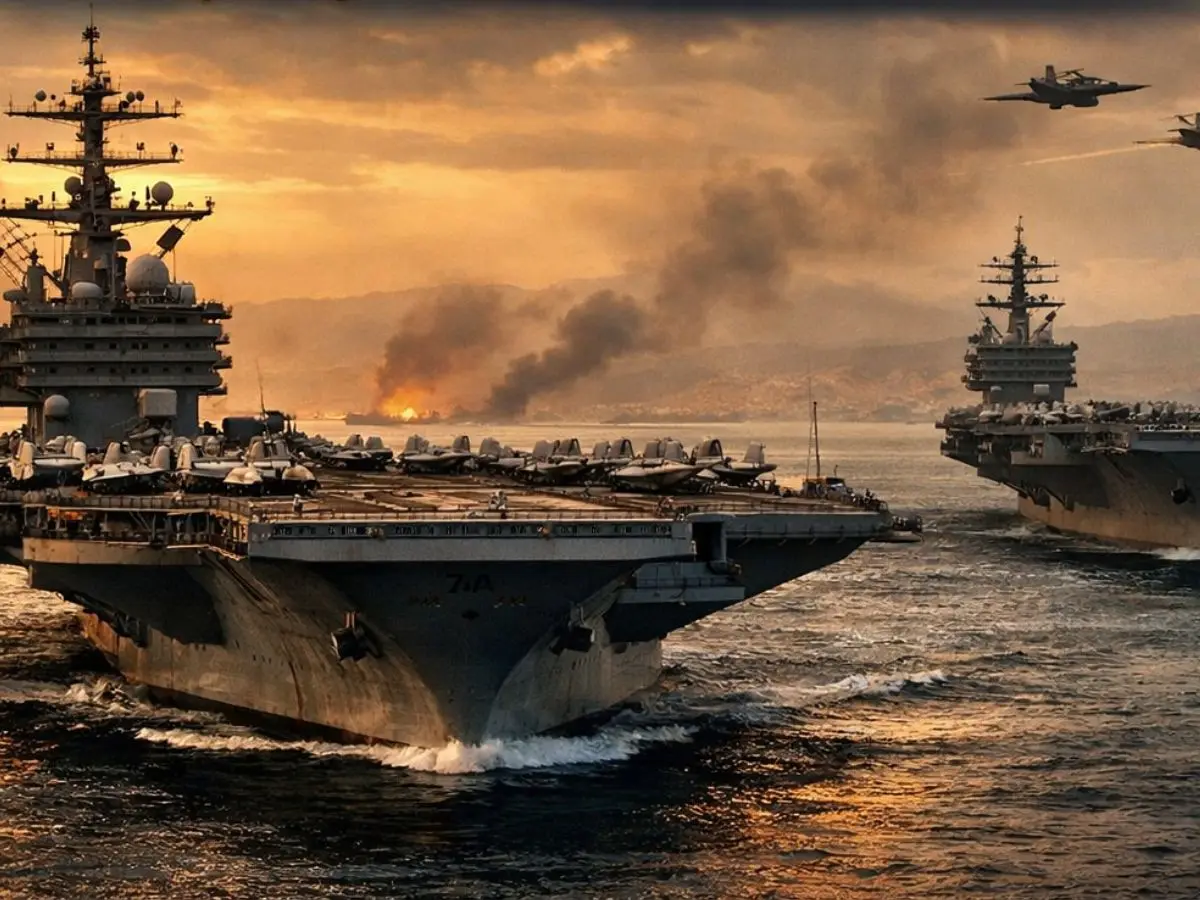
Earlier, the US President indicated that Washington is considering sending a second aircraft carrier strike group to the region. Speaking to Axios, Trump said he was 'thinking' about reinforcing naval forces if negotiations fail to produce results. The proposal is intended to increase pressure on Tehran while talks over nuclear restrictions and broader security concerns continue. The USS George Washington in Asia and the USS George HW Bush on the US east coast are the most likely candidates, officials have told Reuters, but each is at least a week away from the Middle East.
USS George H.W. Bush as a likely candidate
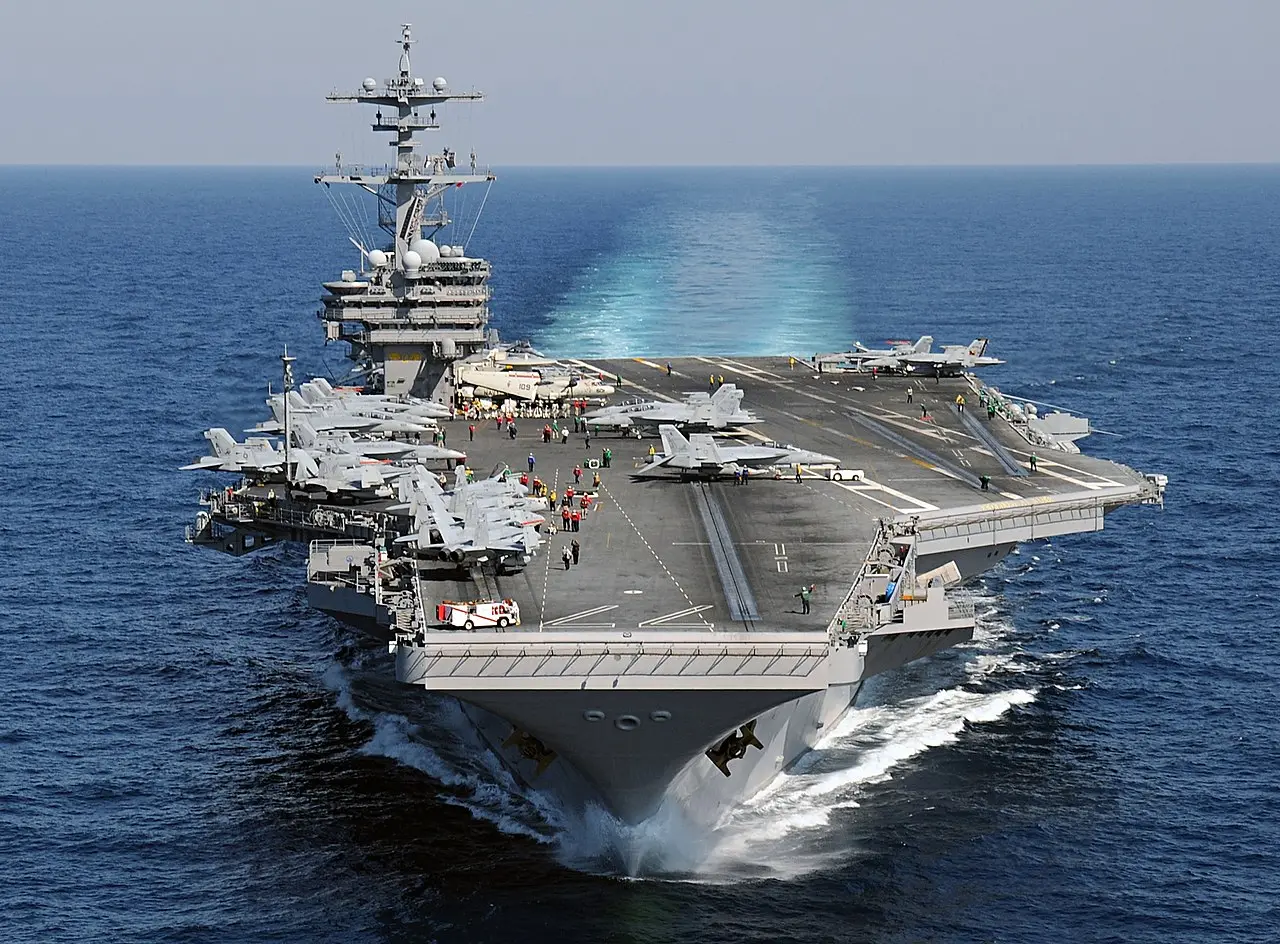
The USS George HW Bush, a Nimitz-class nuclear-powered aircraft carrier, is widely regarded as one of the vessels capable of rapid deployment. Commissioned in 2009, the carrier forms part of the US Atlantic Fleet and has extensive operational experience in the Middle East. Its design supports sustained air operations, enabling fighter aircraft, surveillance platforms and electronic warfare units to operate across large maritime zones.
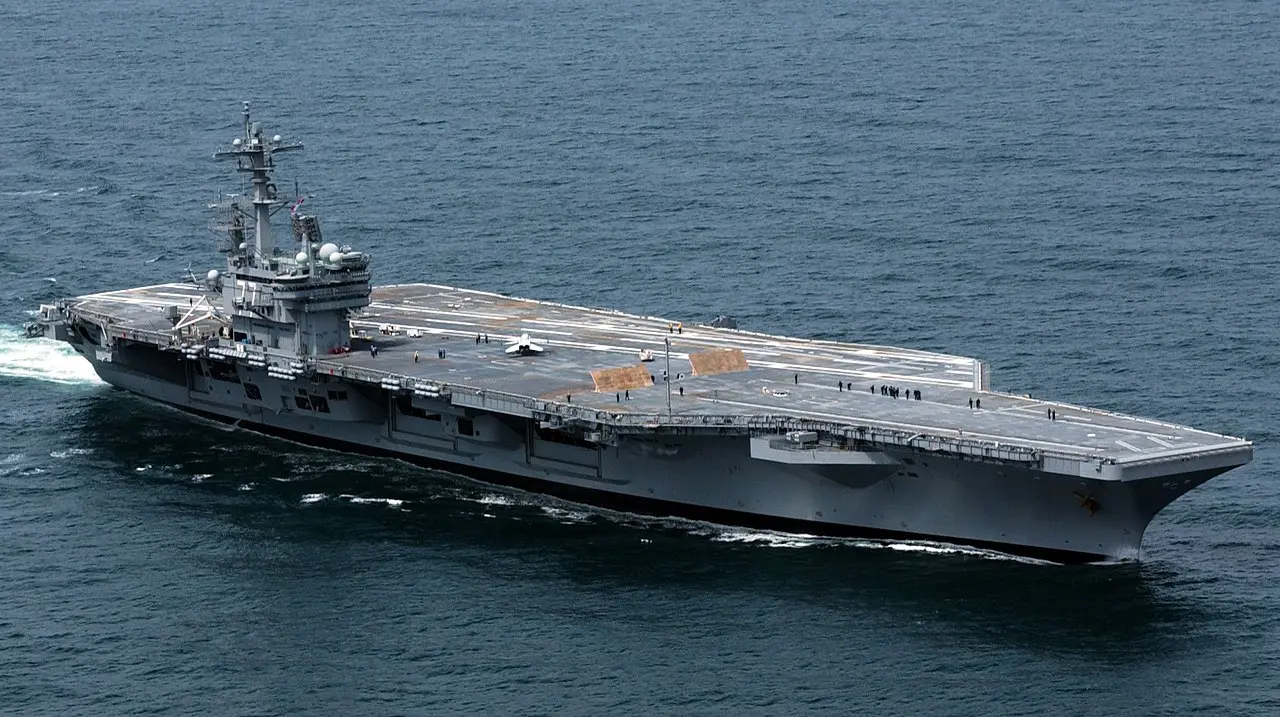
Operational capabilities of USS George H.W. Bush
The carrier measures more than 1,000 feet in length and can carry an air wing of roughly 70 aircraft. Its nuclear propulsion system allows it to operate for extended periods without refuelling, giving it strategic endurance during overseas missions. Command histories show that the vessel has supported combat air operations and maritime security tasks, often working alongside allied forces during coalition deployments.
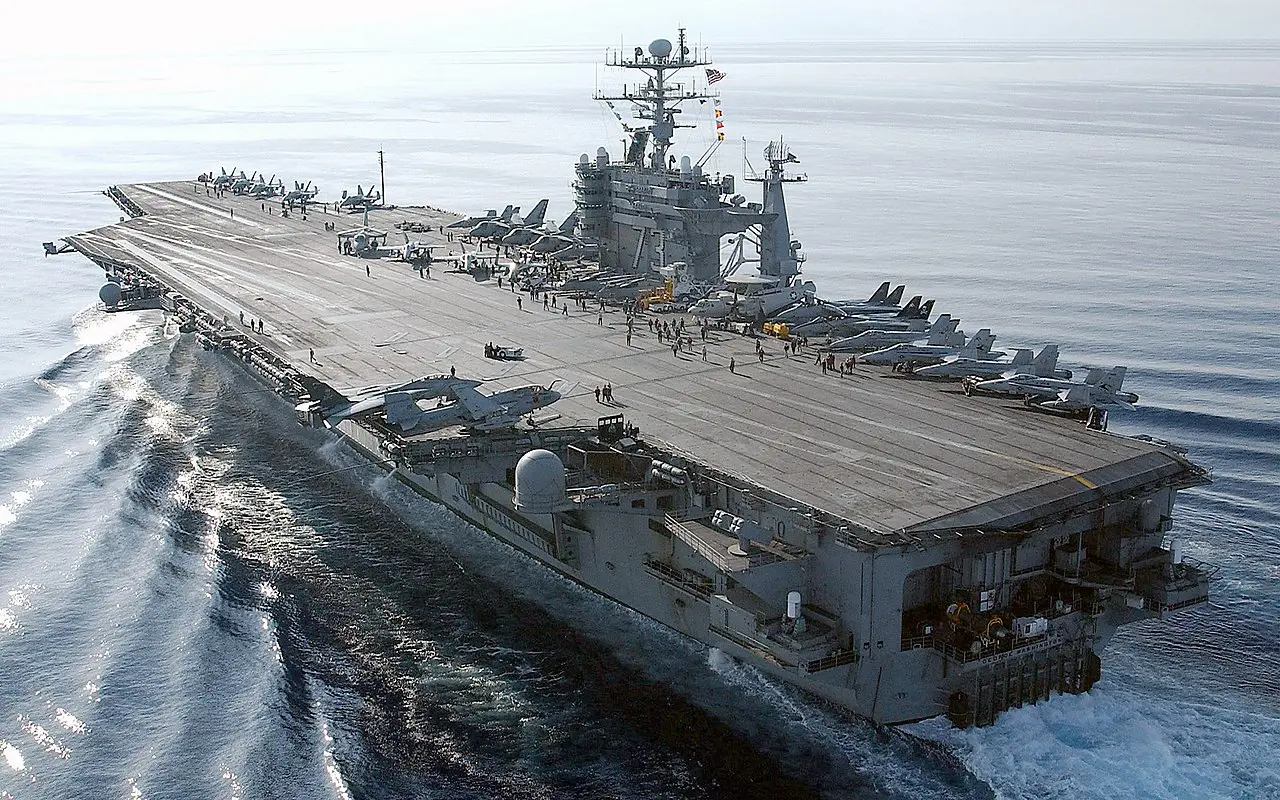
USS George Washington also in focus
Another vessel frequently identified as capable of reinforcement is the USS George Washington, also a Nimitz-class aircraft carrier assigned to the Pacific Fleet. Commissioned in 1992, it has undertaken multiple forward deployments and remains one of the US Navy’s most experienced carriers. Its strategic location and readiness levels make it a viable option for redeployment to the Gulf if required.
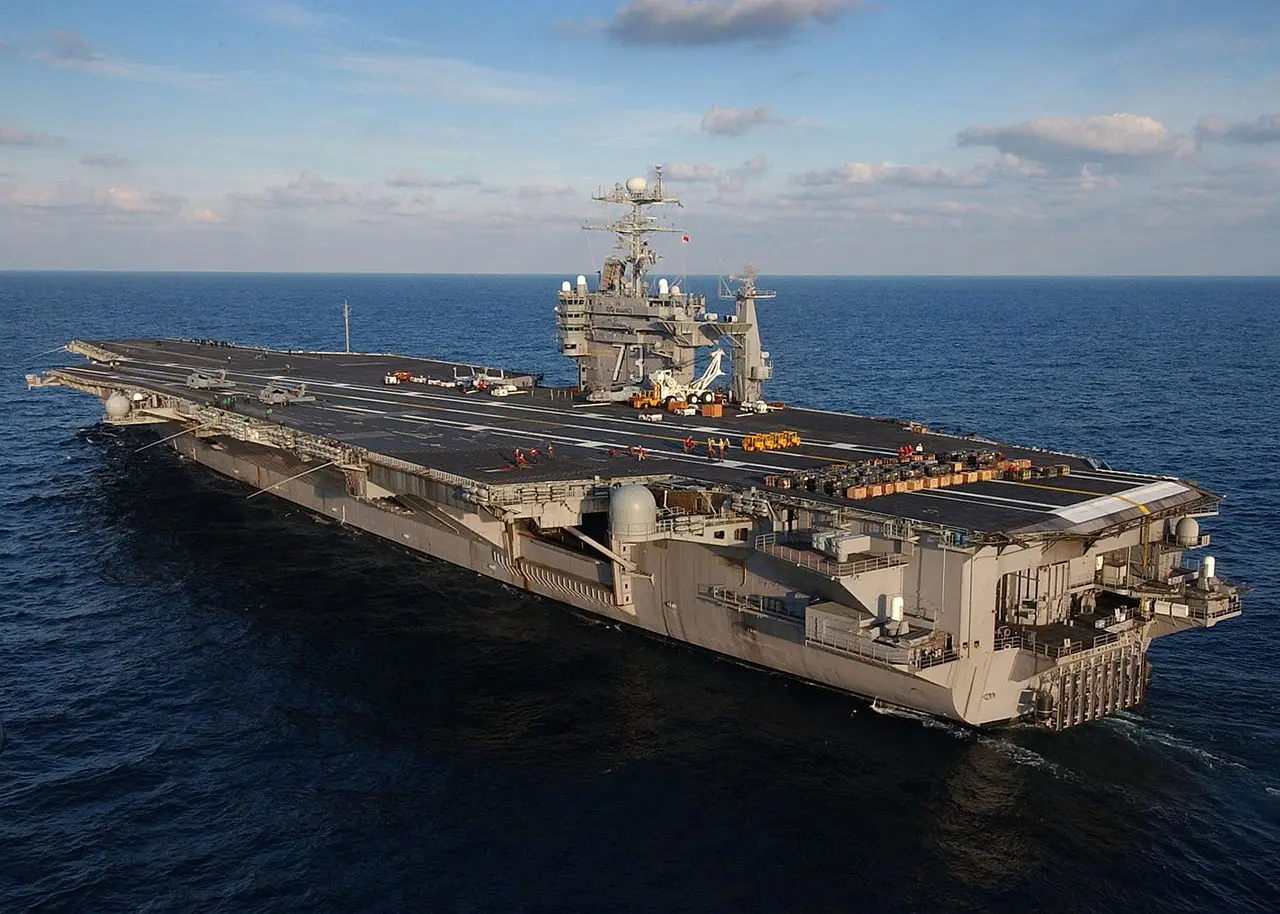
Capabilities and service record of USS George Washington
The USS George Washington shares similar operational strength with other Nimitz-class carriers, including advanced radar systems, fighter aircraft squadrons and missile defence support. Over decades of service, the vessel has conducted maritime patrol missions, joint naval exercises and humanitarian operations. Its ability to coordinate with allied navies strengthens coalition presence in contested waters.
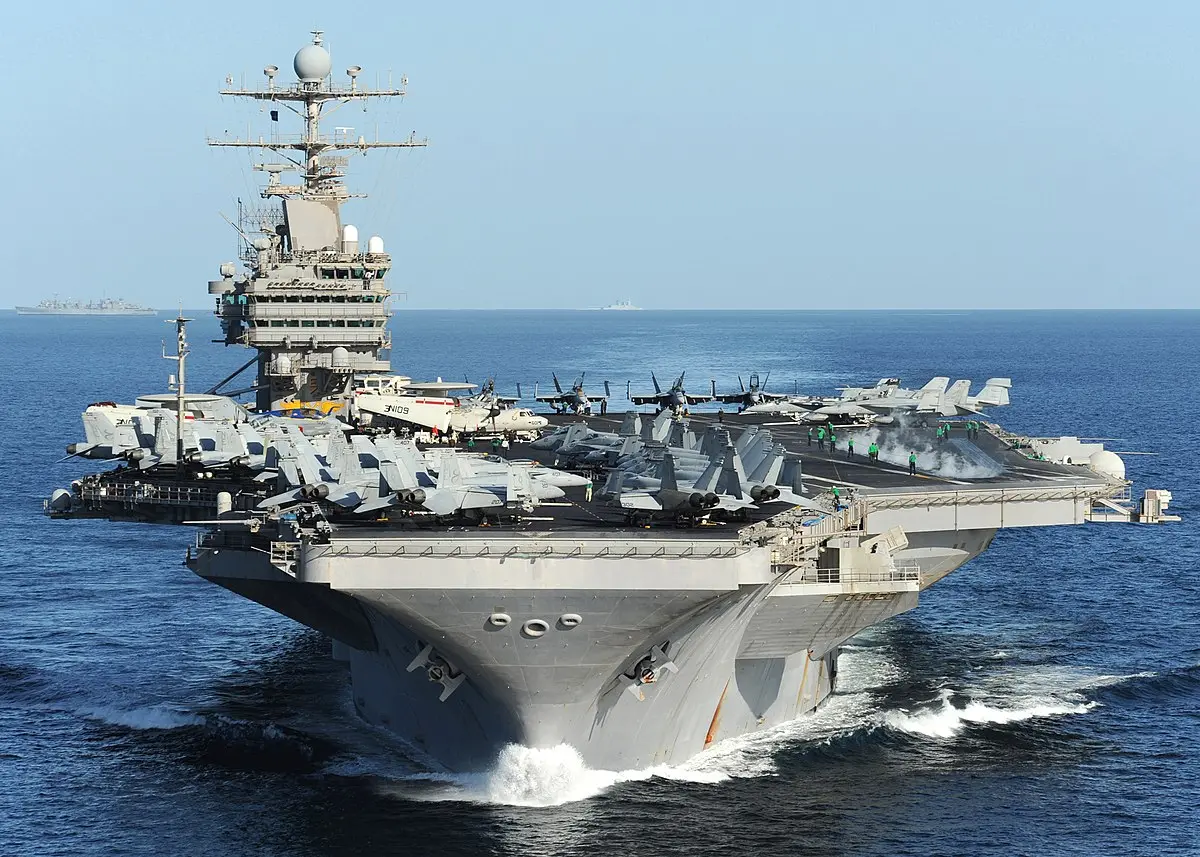
Strategic importance of carrier strike groups
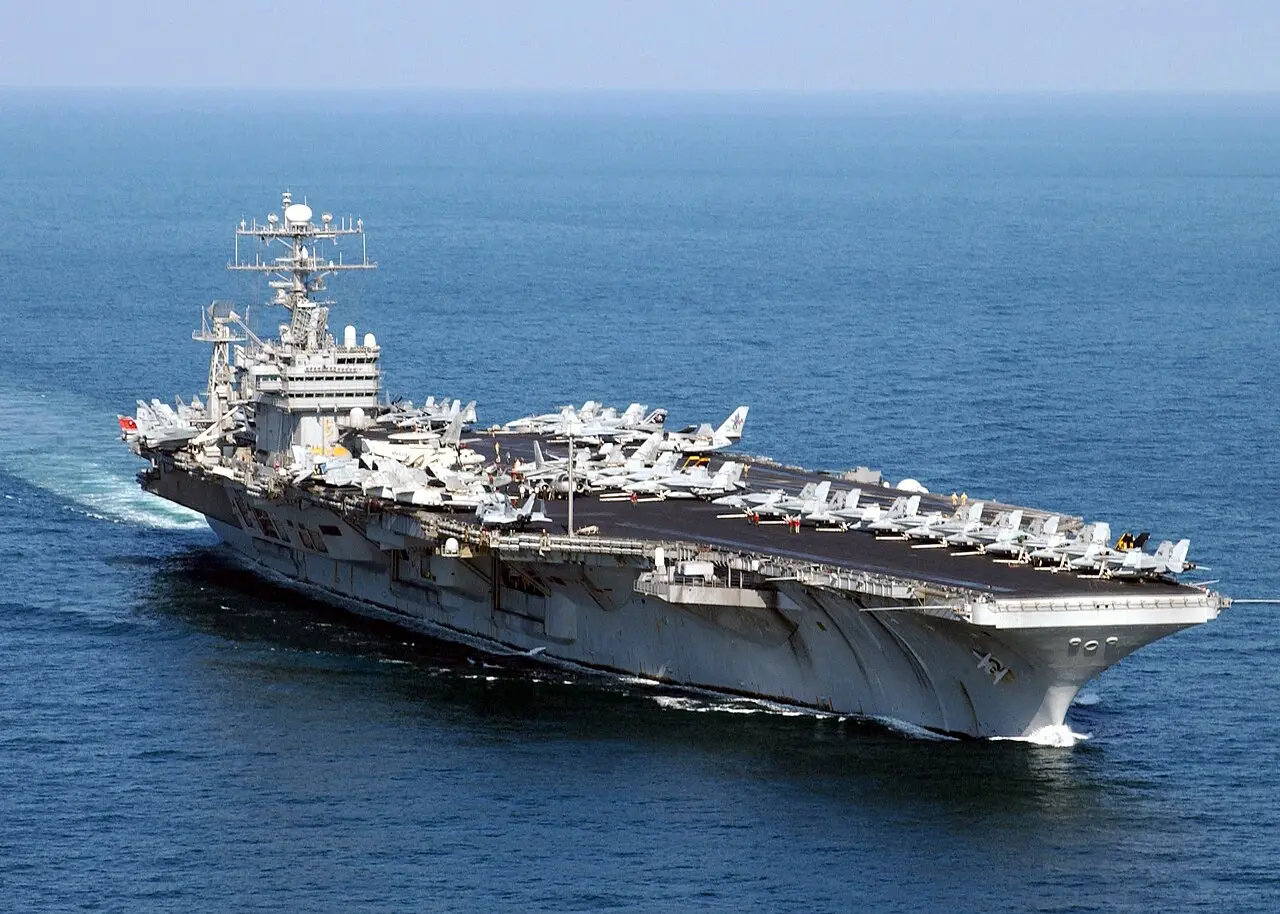
Aircraft carriers remain central to US naval power projection. Each carrier strike group typically includes guided-missile destroyers, cruisers and an air wing capable of conducting combat, surveillance and deterrence operations. Their mobility allows the United States to respond quickly to crises while maintaining a sustained military presence without relying on regional bases.
Uncertain trajectory for talks and military posture
Diplomatic negotiations through Oman continue, with Washington and Tehran yet to reach agreement on nuclear restrictions and broader regional issues. The potential deployment of additional naval forces highlights the balancing act between negotiation and deterrence. For now, US strategy appears focused on maintaining pressure while leaving space for diplomatic progress.
)
)
)
)
)