Can an S-400 operate 24 hours a day?

The S-400 Triumf is engineered for continuous 24-hour combat duty. Utilizing autonomous 5I57A diesel generators and liquid cooling systems, it maintains round-the-clock readiness while automated kill chains operate seamlessly in the dead of night.
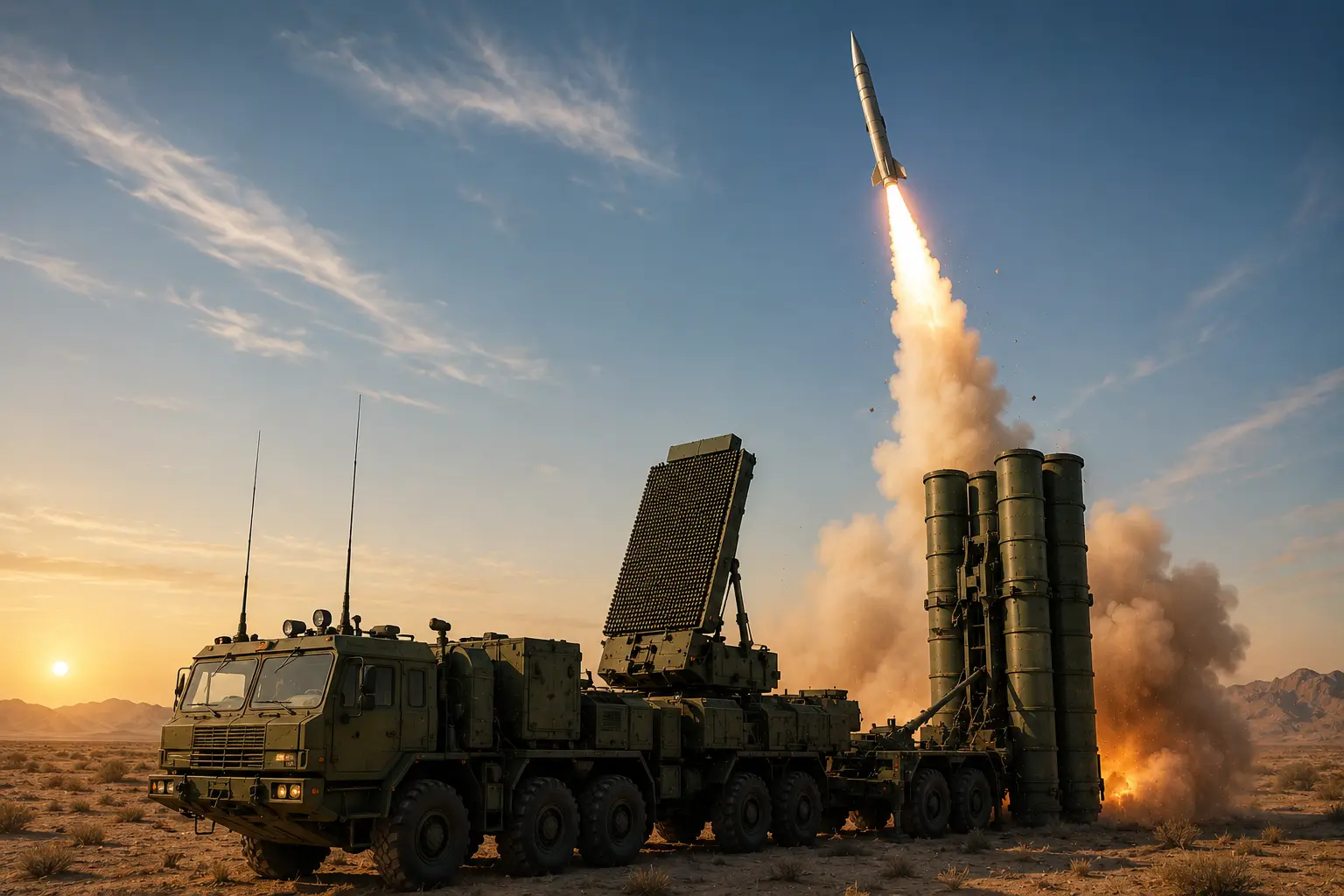
Autonomous Power
Operating 24 hours a day requires massive amounts of electricity in isolated environments. The battery uses robust 5I57A mobile diesel generators that continuously provide reliable power to the heavy-duty sensors without relying on civilian grids.
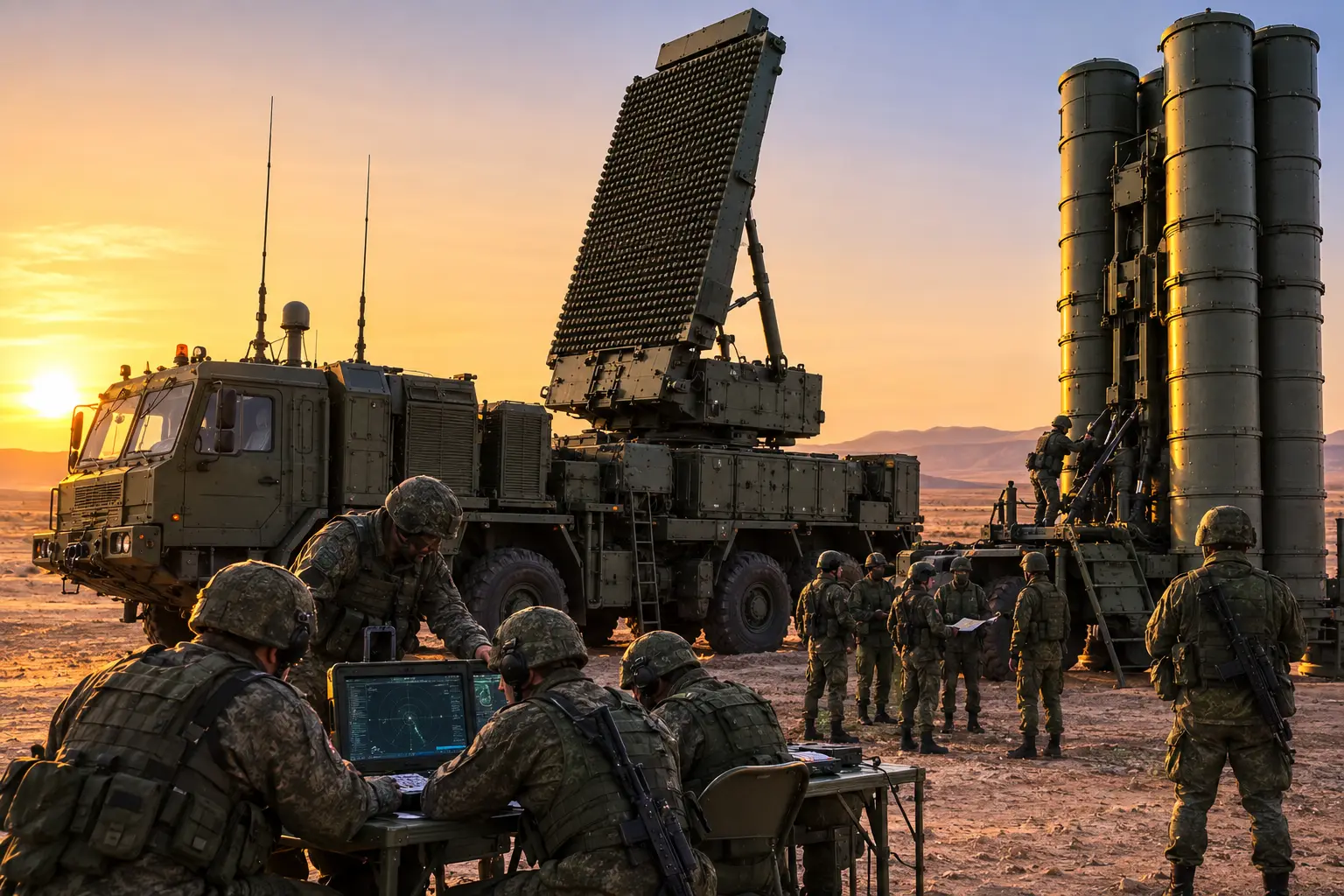
24/7 Combat Readiness
The Russian S-400 Triumf is officially engineered for continuous, round-the-clock combat duty. The USD 1.25 billion system operates flawlessly 24 hours a day, establishing an unblinking anti-access shield that never sleeps.
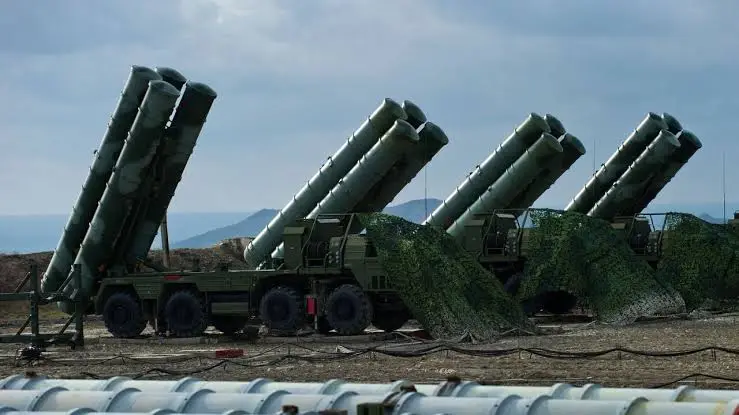
Managing Extreme Heat
Because the massive 91N6E panoramic radar constantly broadcasts electromagnetic energy, running it 24/7 generates immense internal heat. To prevent electronic crashes, the system features heavy-duty liquid cooling networks that operate non-stop.
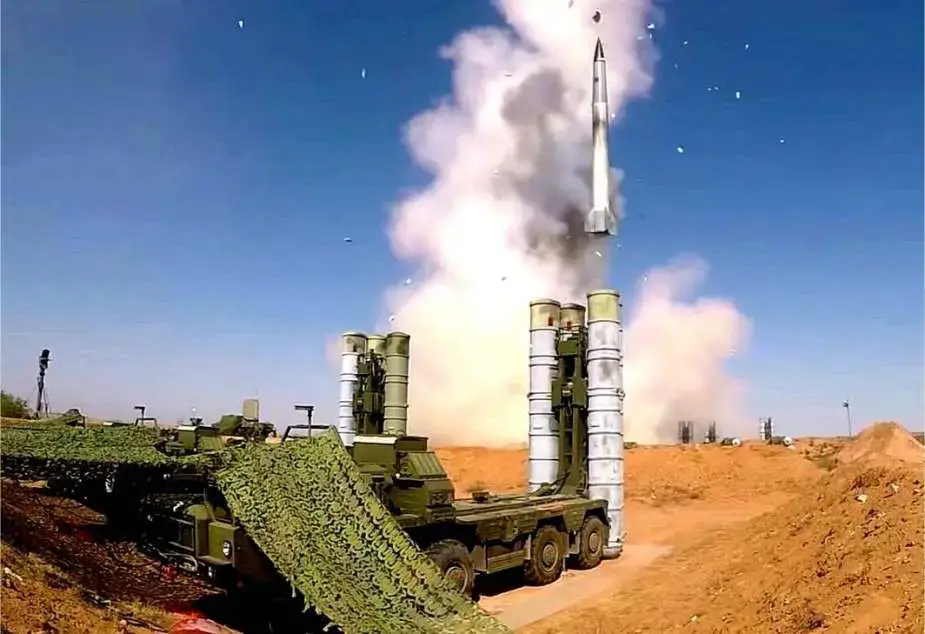
Standby Automation
To conserve fuel and limit mechanical wear, the S-400 does not need its interceptors constantly elevated. It can sit in a highly automated standby mode, rapidly transitioning to full launch readiness if a threat is detected.
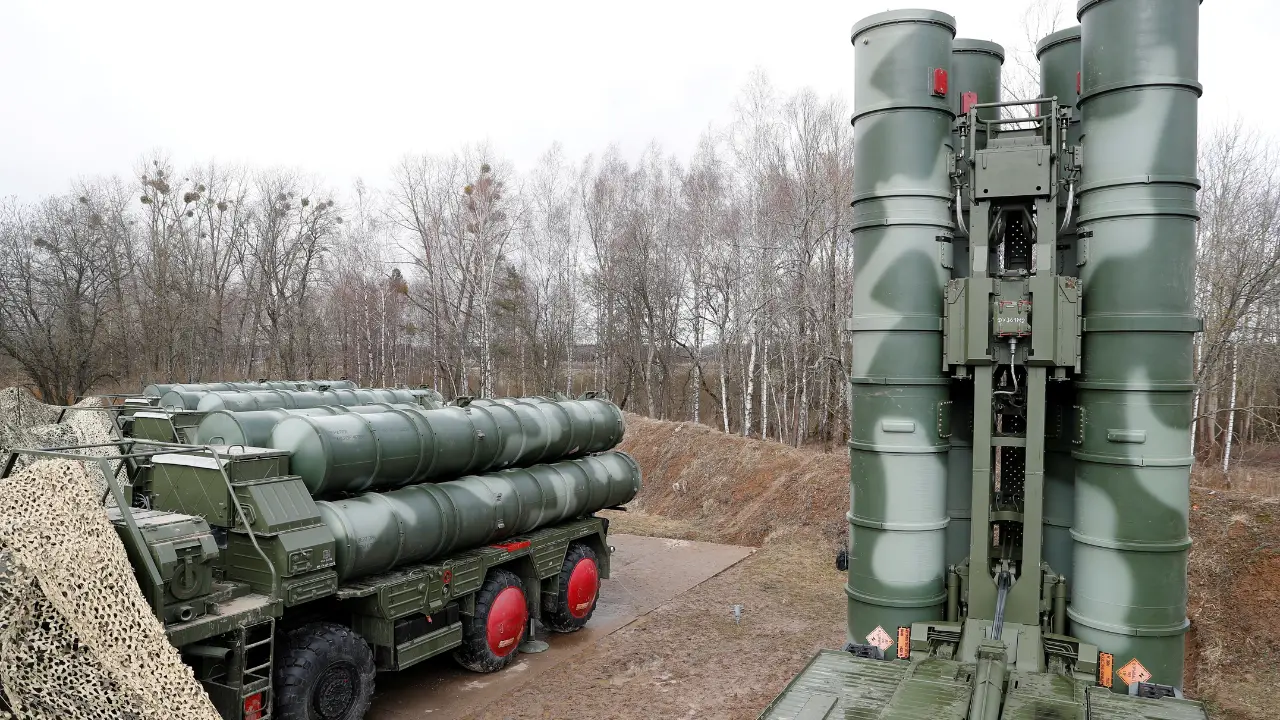
The 10-Second Night Shift
Darkness offers absolutely no sanctuary from the S-400. Operating from the enclosed 55K6E command post, digital automation allows the battery to execute its lethal 10-second kill chain in the dead of night using only radar telemetry.
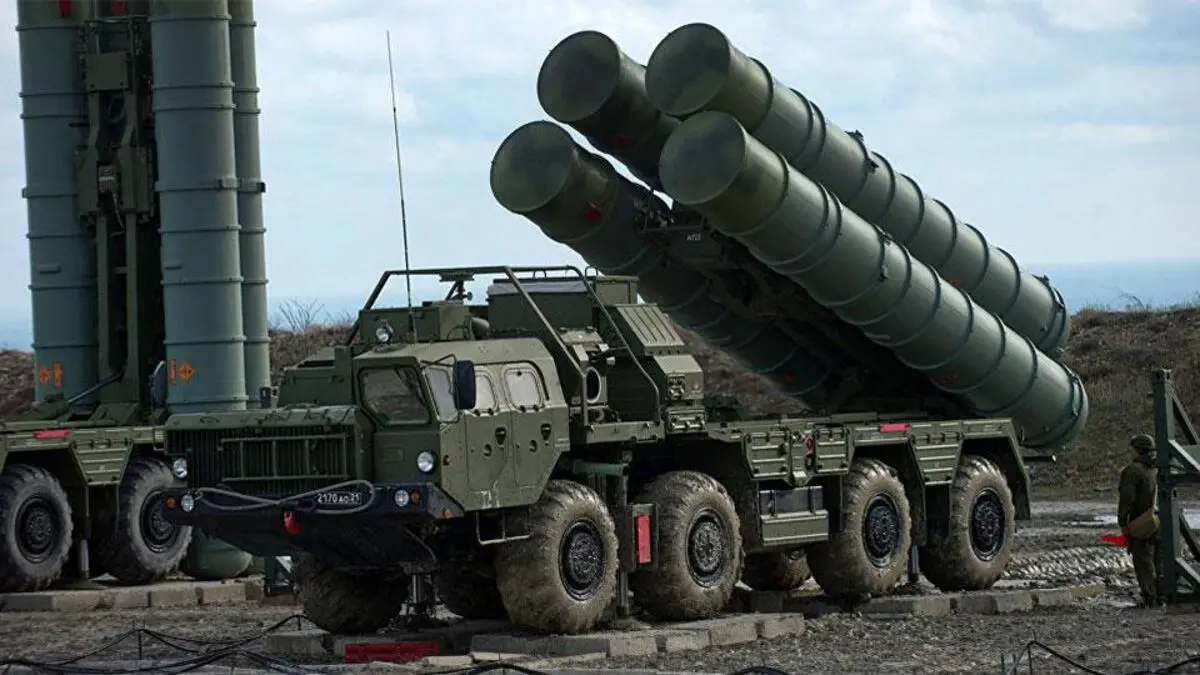
Crew Rotations
While the machines are built for 24-hour operation, the human operators are not. The five-person crew inside the command post must work in strict rotational shifts to prevent cognitive fatigue and maintain split-second reflexes.
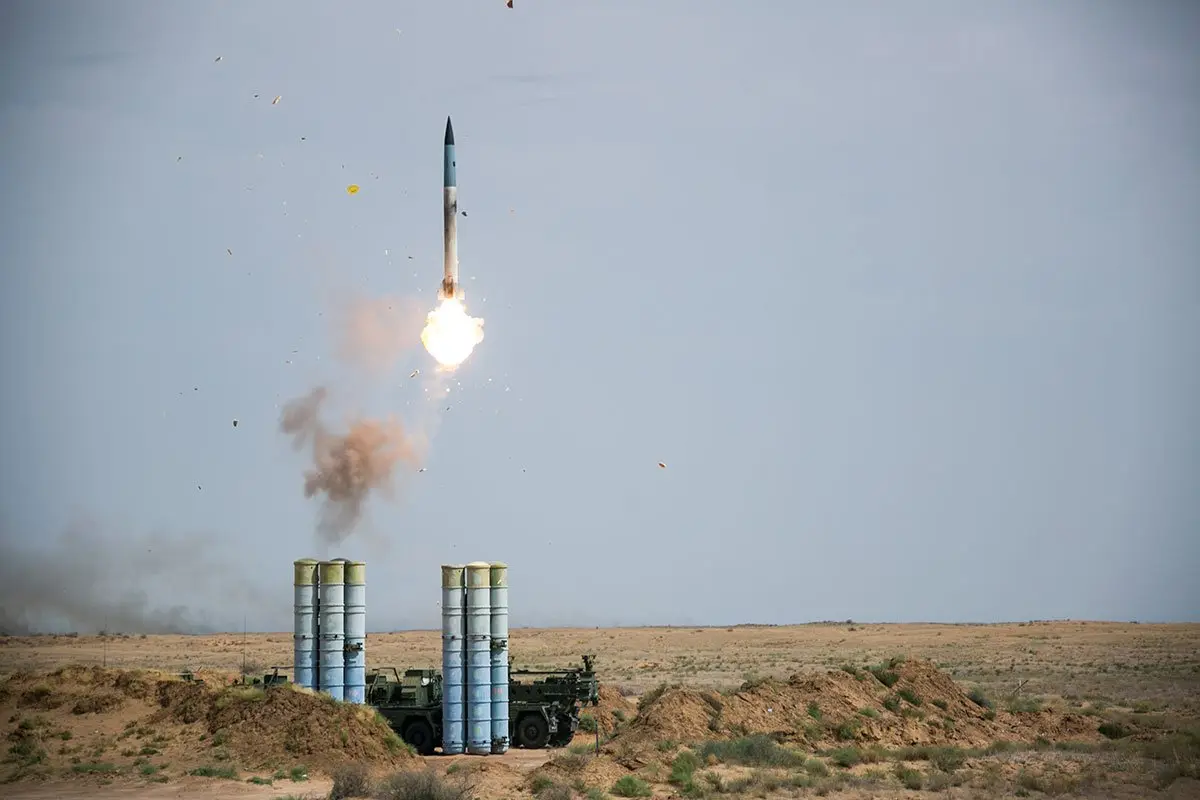
Networked Redundancy
Russian military doctrine ensures a single S-400 battalion never operates alone. By networking multiple batteries together, one unit can temporarily power down its radars for daily maintenance while overlapping systems maintain a flawless 24-hour watch.
)
)
)
)
)