Search continues for missing US airman after F-15E crash: How can pilots survive being shot down in hostile territory?

The developments come amid a widening conflict that has seen strikes across Iran, Israel and neighbouring regions. Meanwhile, Iranian state television also said anyone capturing a crew member alive would “receive a valuable reward”.
Race to locate downed crew
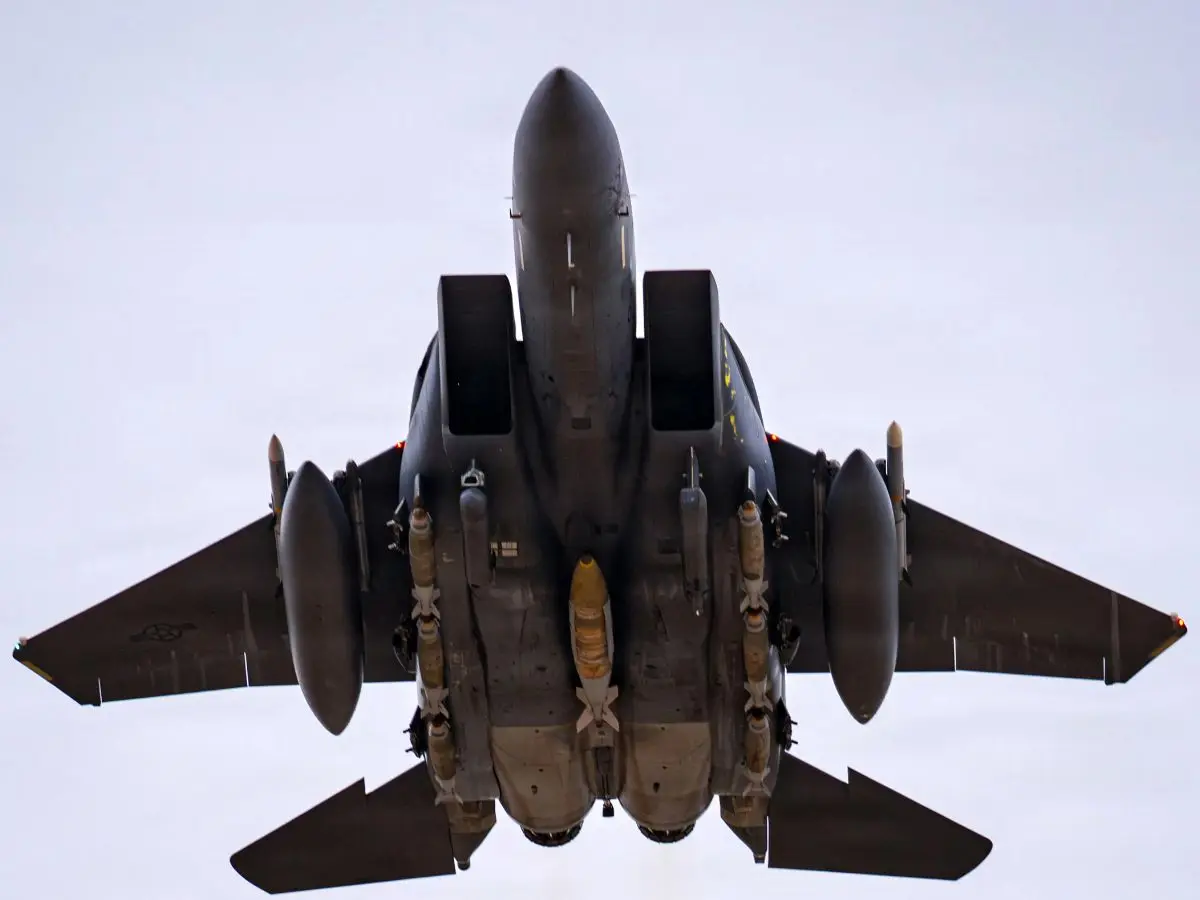
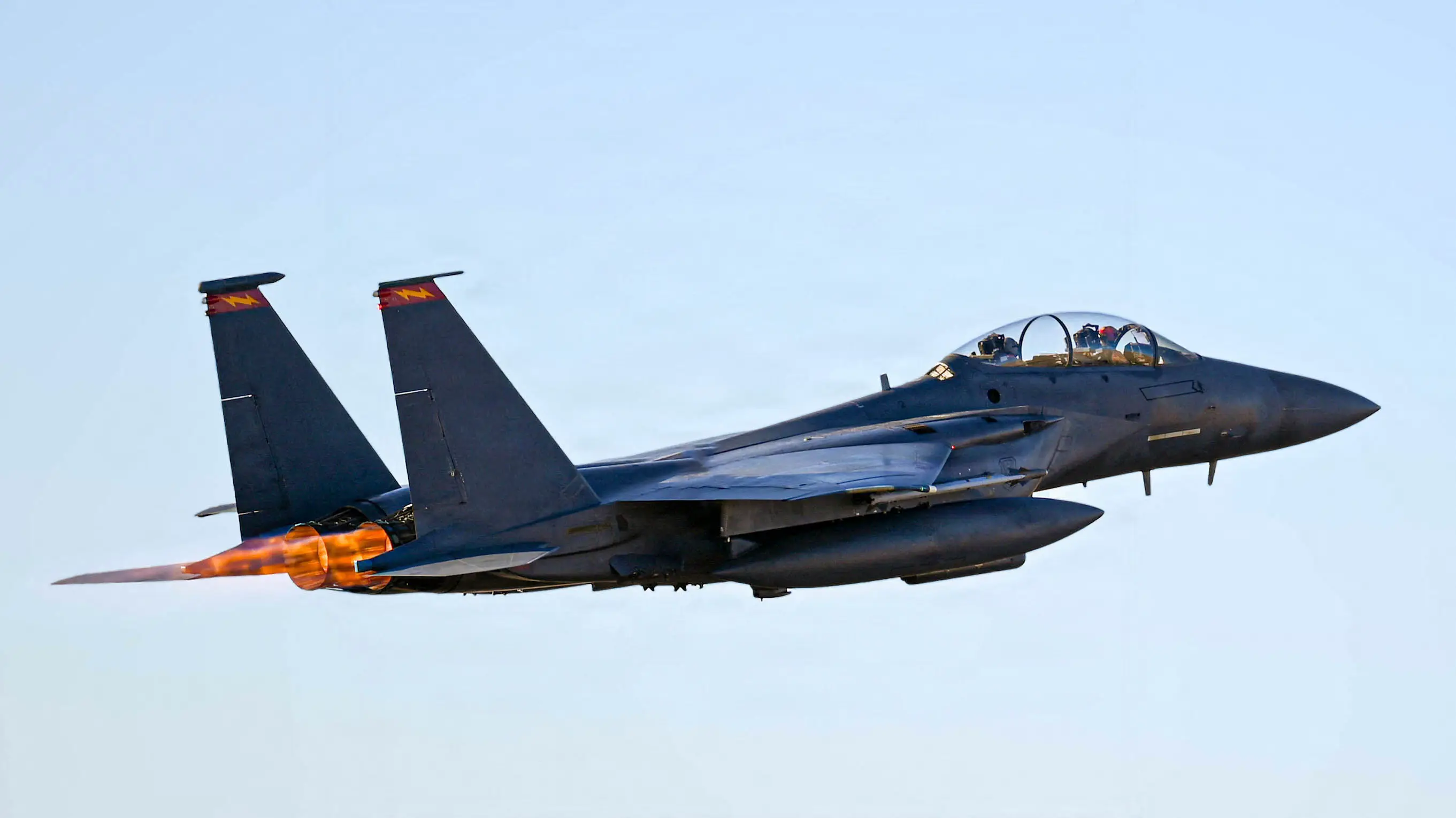
American forces are racing to locate a missing US airman after an F-15 fighter jet was brought down inside Iran, marking the first such loss since the conflict began. Tehran said its air defences destroyed the aircraft, while US media reported that one of the two crew members had been rescued by American forces, with the second still unaccounted for. Iran also claimed it downed an A-10 aircraft in the Gulf, though the pilot was reportedly rescued. The developments come amid a widening conflict that has seen strikes across Iran, Israel and neighbouring regions. Meanwhile, Iranian state television also said anyone capturing a crew member alive would “receive a valuable reward”.
Survival training under fire
As the search continues, attention has turned to how pilots survive after being shot down. According to an AFP interview, training in survival, evasion, resistance and escape (SERE) is critical. Retired Brigadier General Houston Cantwell said the moment of ejection is disorienting: “You’re like, ‘Oh my God… a missile just exploded, literally 15 feet from your head.’” He noted that decision-making begins even before landing. “Your best view of where you may want to go… is while you’re coming down in your parachute.”
Critical decisions on the ground
Cantwell said decisions begin even before landing. “Your best view of where you may want to go… is while you’re coming down in your parachute.” Landing itself can cause severe injuries. “There are many stories… of compound fractures just from the ejection.” Once on the ground, pilots must assess their condition: “Can I even move? Am I even mobile?”
How risky is landing
Landing itself carries risks. Cantwell, who logged 400 combat hours, told AFP that the injuries from ejection are common: “There are many stories… of severe injuries — compound fractures.” Once on the ground, pilots must assess their condition and surroundings. “Take an inventory… can I even move?” he said. Avoiding capture is the priority.
Avoiding capture in hostile terrain
Evading capture is the priority. “Try to avoid enemy capture, as long as you can,” Cantwell said, according to AFP, noting that in desert terrain, finding water is critical. Concealment and movement, often at night, improve survival chances. “My priority would be… concealment… I want to get to a location where I can get extracted.”

How rescue missions are carried out
At the same time, Combat Search and Rescue teams are deployed. Retired pararescueman Scott Fales told AFP: “Before any operations are conducted… there is always a CSAR plan.” Once located, rescue teams assess threats and injuries in real time. Intelligence from multiple sources is used to locate the pilot. “It’s all being used to try to find this guy,” he said. Despite the risks, Fales expressed hope: “I’m hoping… he’s still evading.”
Wider escalation across the region
The incident comes amid a widening conflict triggered by earlier US-Israeli strikes on Iran, followed by retaliation across the Middle East. Fresh strikes were reported across Iran, Israel, Lebanon and Gulf states.
)
)
)
)
)