SCO Summit 2025: From Kotnis to the 1962 war, tracing India-China bonhomie over the years

They have alternated between friendship and hostility, from the sacrifice of Dr. Dwarkanath Kotnis in the 1930s to the promises of the Panchsheel Agreement in the 1950s, and the subsequent scars of the 1962 war.
Introduction
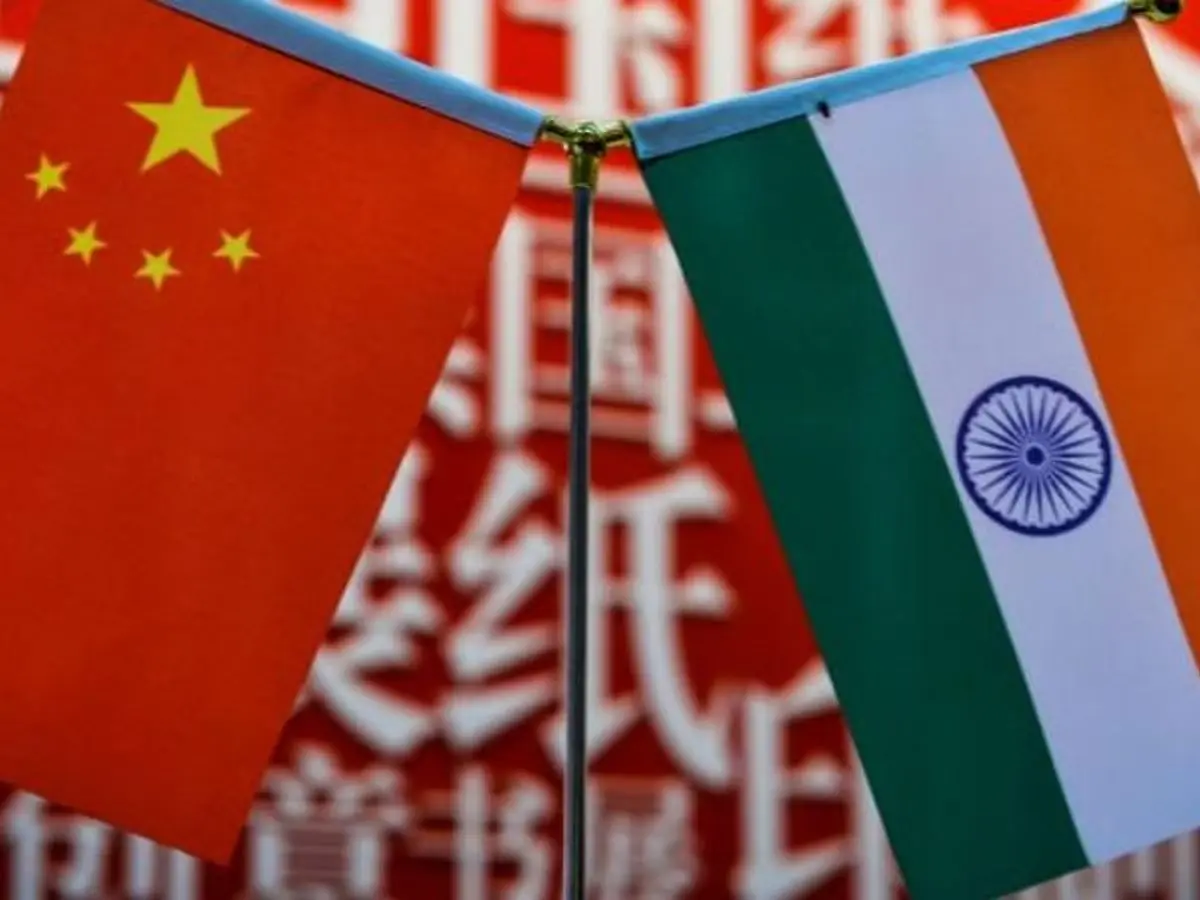
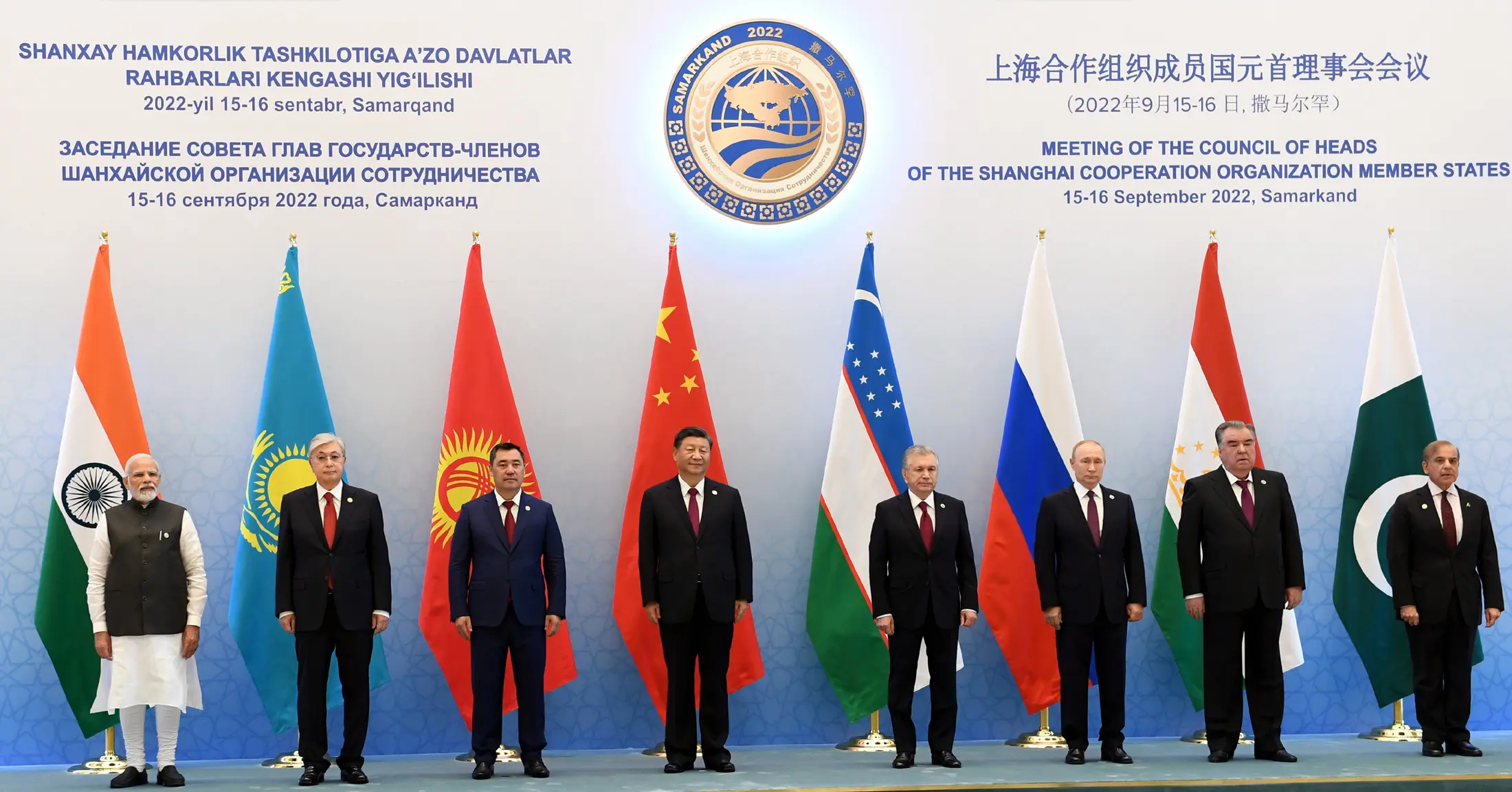
As Prime Minister Narendra Modi leaves for China after his two-day visit to Japan, attention shifts to the upcoming Shanghai Cooperation Organisation (SCO) Summit in Tianjin. The spotlight is not only on his expected meeting with Chinese President Xi Jinping but also on the complex history that frames such encounters. For India, ties with China have never been straightforward. They have alternated between friendship and hostility, from the sacrifice of Dr. Dwarkanath Kotnis in the 1930s to the promises of the Panchsheel Agreement in the 1950s, and the subsequent scars of the 1962 war.
Doctor Kotnis and Early Solidarity
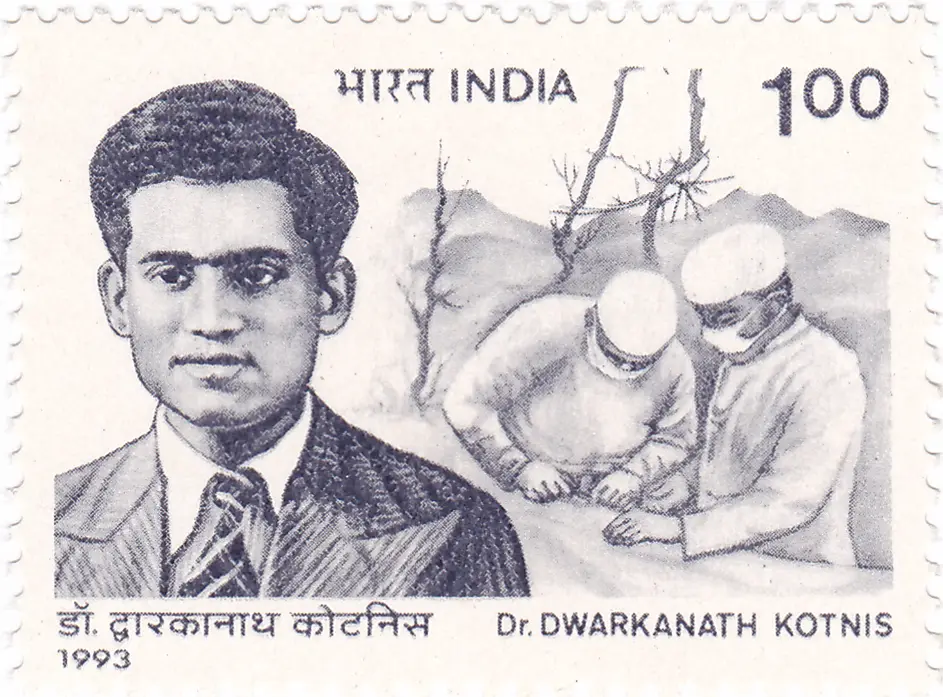
India’s association with modern China began on a note of solidarity. In 1938, at the request of Chinese Communist leader Zhu De, India dispatched a medical mission to support China’s resistance against Japanese invasion. Among the five doctors was Dr Dwarkanath Kotnis, who chose to stay on after the mission ended. He served with the Eighth Route Army under arduous conditions, performing countless surgeries before succumbing to illness in 1942 at the age of 32. For Indians, Kotnis became a symbol of sacrifice and friendship with China, a legacy honoured in both countries.
Panchsheel and the Promise of Cooperation
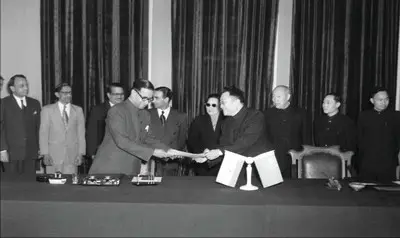
In the years after independence, India pursued a policy of Asian solidarity. In 1954, Prime Minister Jawaharlal Nehru and Premier Zhou Enlai signed the Panchsheel Agreement, built on the Five Principles of Peaceful Coexistence. India, in a significant concession, recognised Tibet as part of China. The phrase 'Hindi-Chini bhai bhai' captured public sentiment, reflecting hope that the two great Asian civilisations could rise together. Yet even during this optimistic phase, China’s consolidation of Tibet and its disregard for Indian concerns foreshadowed tensions.
The Breach of Trust
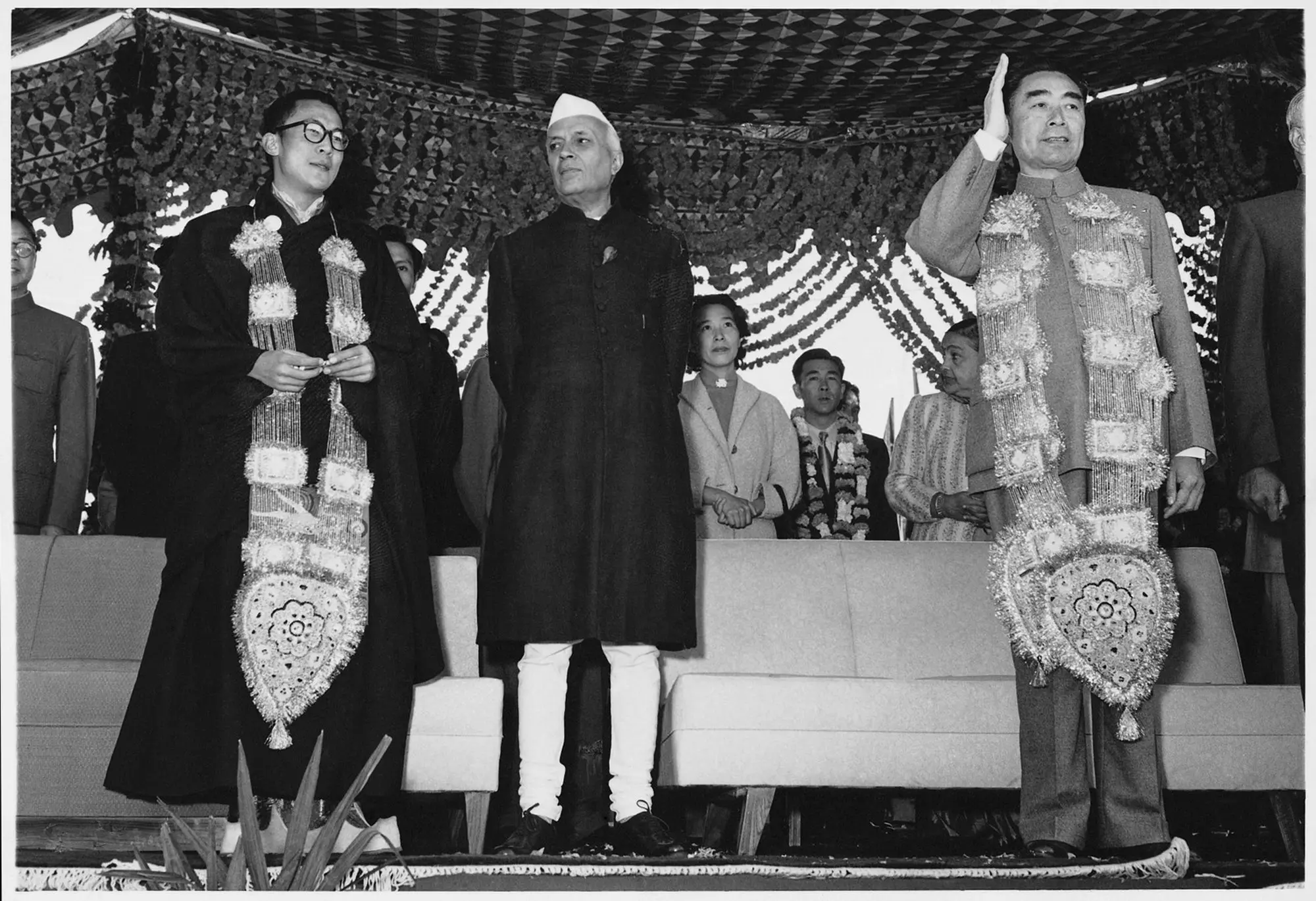
The spirit of Panchsheel proved short-lived. India’s decision to grant asylum to the Dalai Lama in 1959, after his flight from Tibet, was seen in Beijing as a violation of trust.
1962 War
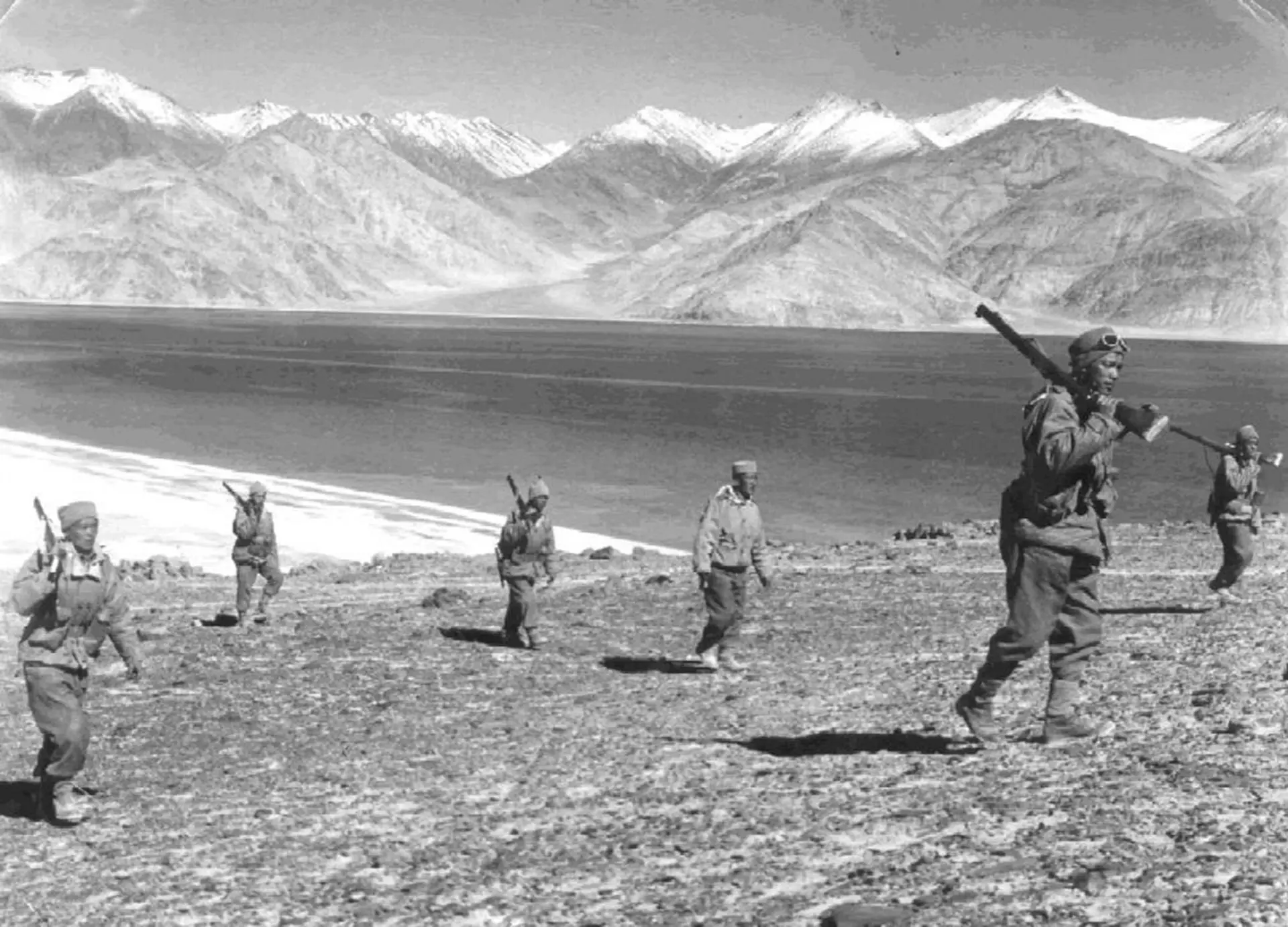
Relations deteriorated rapidly, culminating in the 1962 border war in which India faced a humiliating defeat. For Indians, it was not merely a military setback but a profound breach of trust. Panchsheel lapsed in June 1962 and was never renewed, leaving a scar that continues to shape perceptions of China.
Pragmatism and Expanding Trade
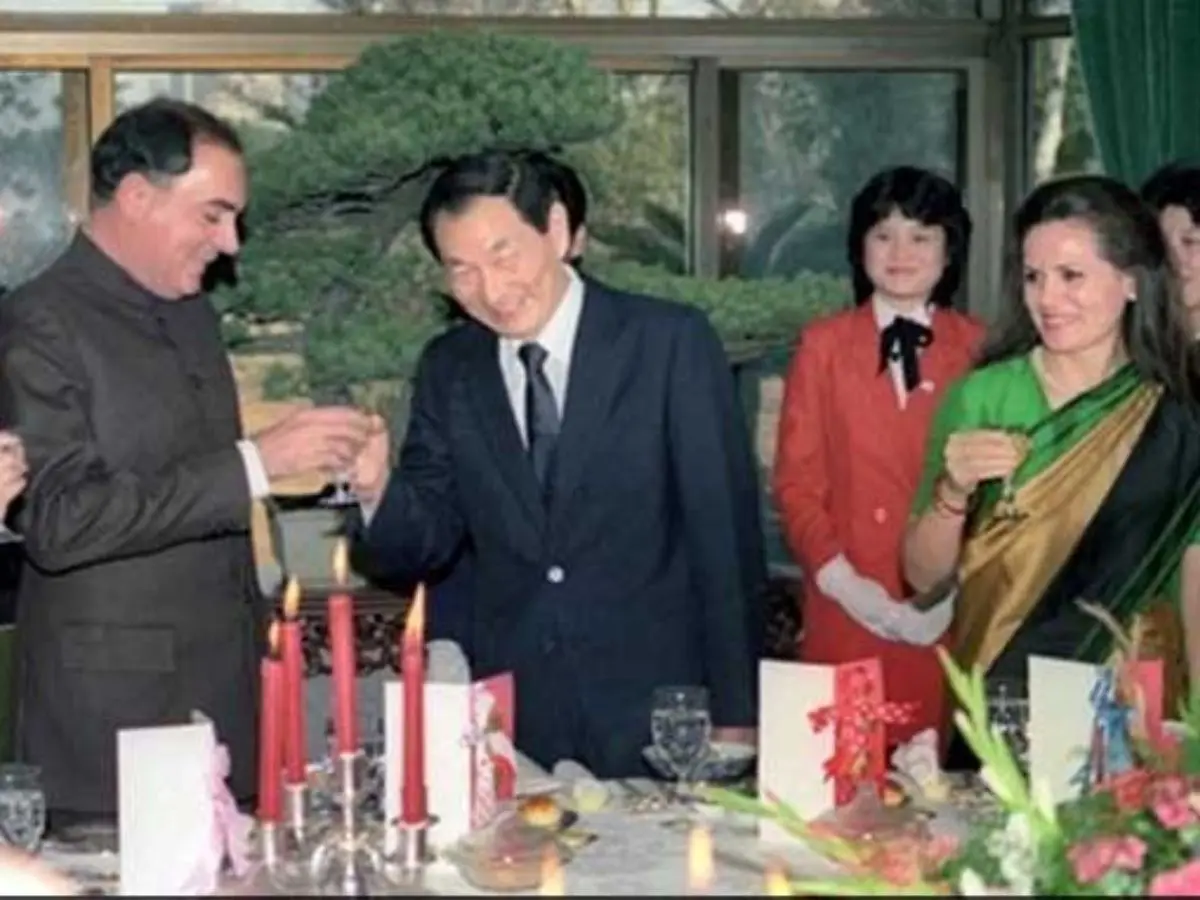
Relations began to thaw in the late 1980s with Prime Minister Rajiv Gandhi’s landmark visit to Beijing in 1988. Both countries signed a series of agreements in the 1990s and 2000s to maintain peace along the Line of Actual Control. Bilateral trade grew exponentially, with China becoming India’s largest trading partner. Yet this pragmatism coexisted uneasily with unresolved disputes: China’s military support to Pakistan, repeated border transgressions, and opposition to India’s membership in key global forums.
Tensions Amid Engagement
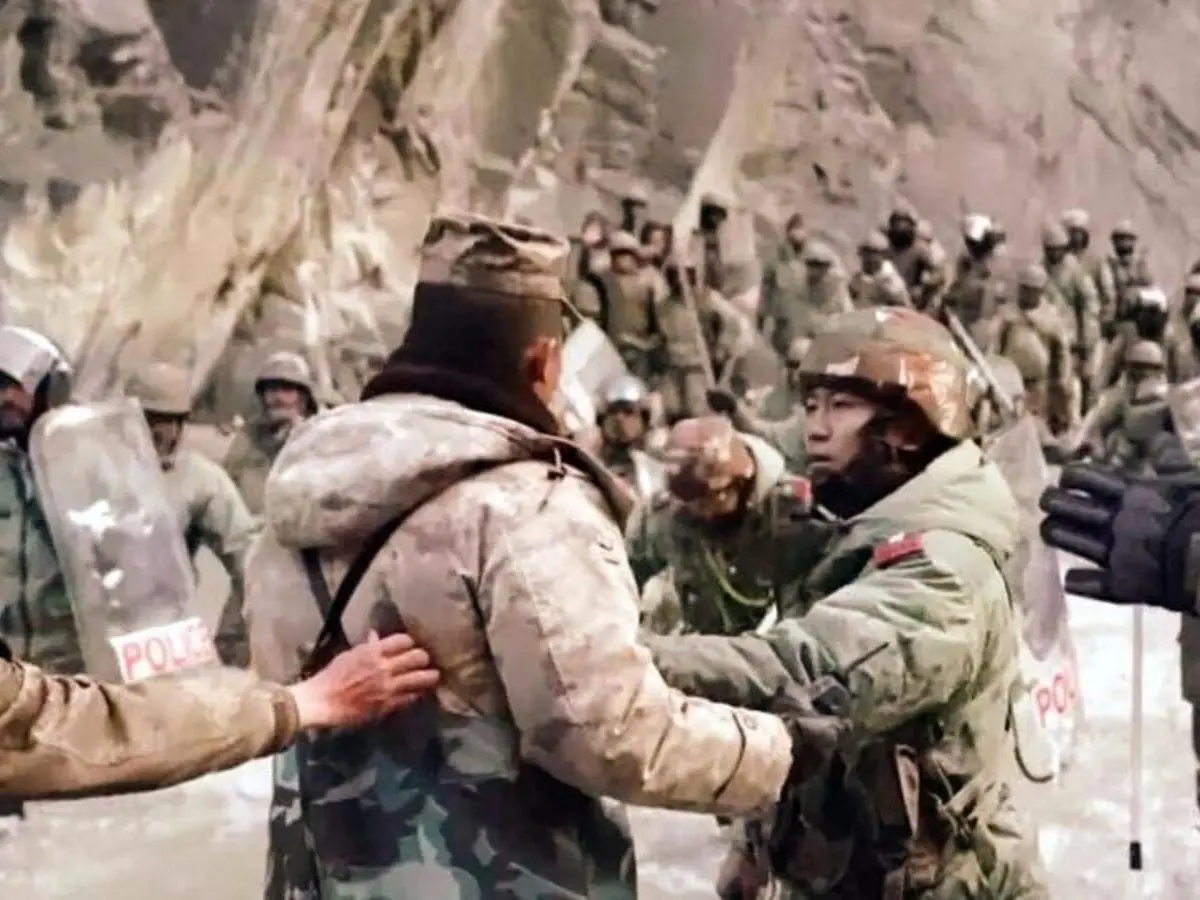
Border clashes, from Arunachal Pradesh skirmishes to the Doklam standoff in 2017 and the deadly Galwan Valley clash in 2020, reminded India of the fragility of trust. At the same time, trade and economic ties expanded, binding the two economies in an uneasy interdependence. India has consistently emphasised dialogue and stability, even as it has become more cautious in trusting Beijing’s assurances.
A Calculated Thaw at SCO 2025
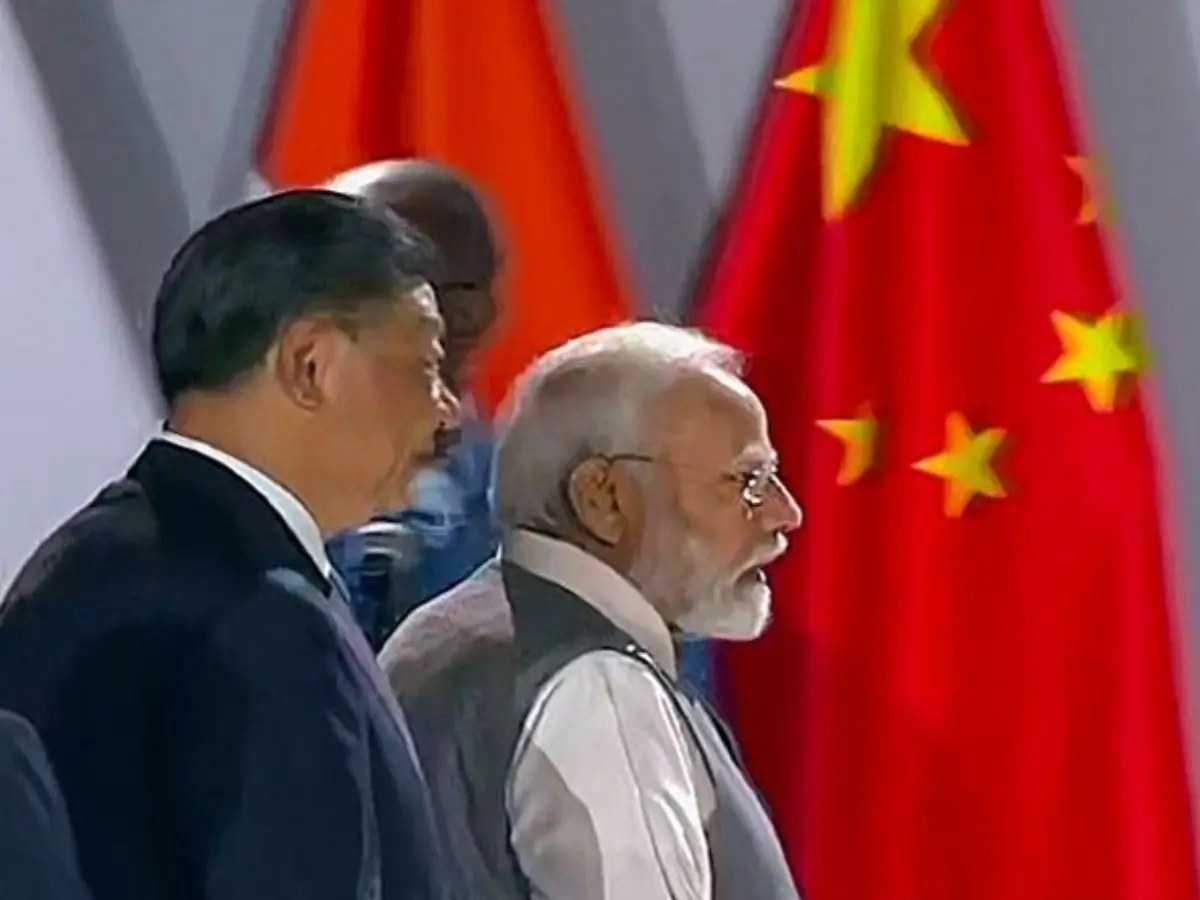
Today, global shifts, particularly US tariffs on Indian and Chinese exports, have pushed both countries to seek common ground. Beijing’s talk of a 'dragon-elephant tango' is viewed with some scepticism in India, yet pragmatic steps such as easing trade curbs, resuming flights, and restoring people-to-people exchanges indicate a mutual interest in stability. Modi’s meetings with Xi in Tianjin will therefore be closely watched in India, not for symbolism, but for whether Beijing is willing to address Indian concerns honestly.
India’s Cautious Optimism
From Kotnis’s sacrifice to Panchsheel’s idealism and the trauma of 1962, India’s dealings with China have been marked by cycles of hope and disappointment. As Modi and Xi meet again, Indians will recall that gestures of friendship have often been followed by reversals.
)
)
)
)
)