Black hole from the time of Big Bang might be on the precipice of exploding

Scientists say humans might get to watch a black hole exploding in the next 10 years. Primordial black holes are a mysterious theoretical phenomenon, but if they are still around, one of them might soon burst.
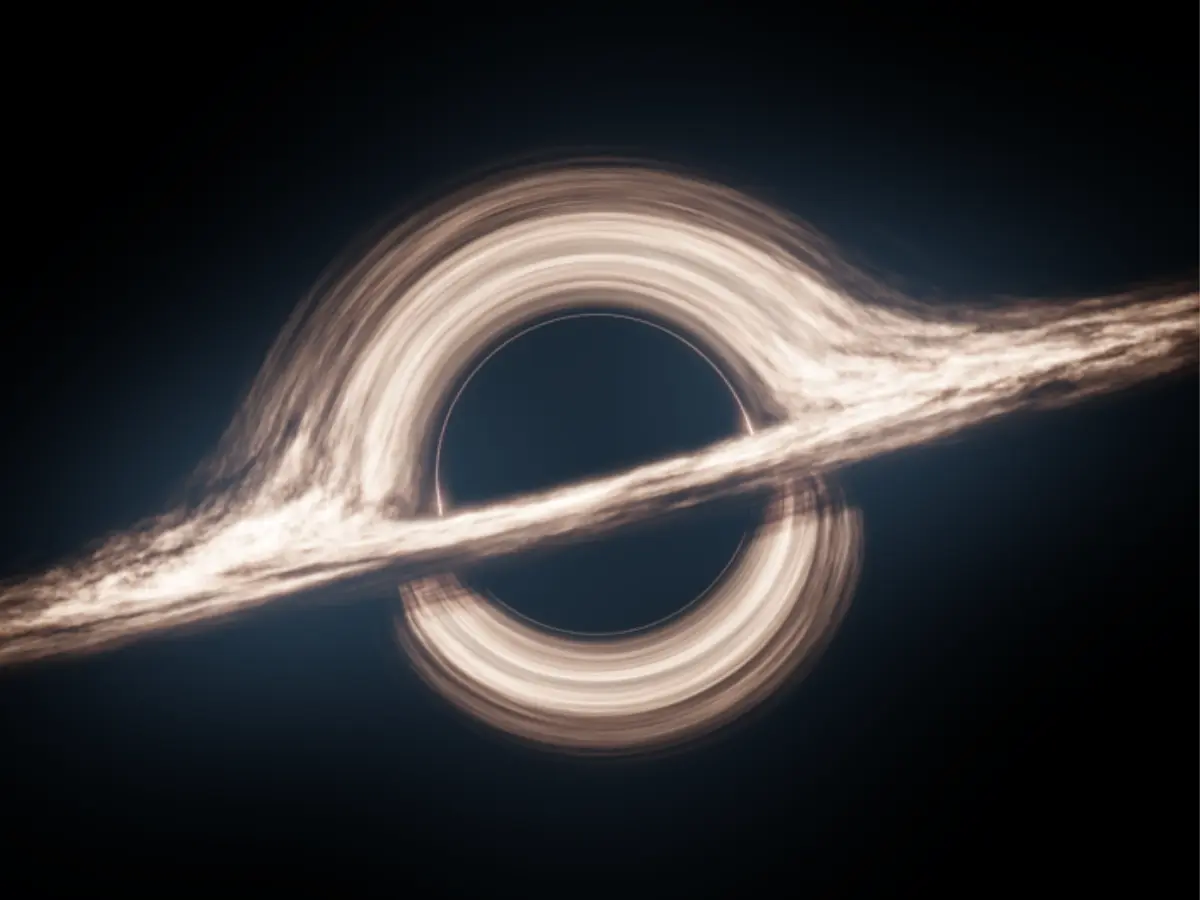
Can we witness a black hole explosion?
Research has found that the probability of observing a black hole exploding over the next 10 years is 90 per cent. It talks about primordial black holes, theoretical cosmic structures that were born soon after the universe was born, and not from stellar deaths. These stars have most likely already dissipated, particularly the uncharged PBHs, where evaporation is expected to have taken place long ago. This means that it is almost impossible to make a direct observation of a PBH explosion using the current observatories.
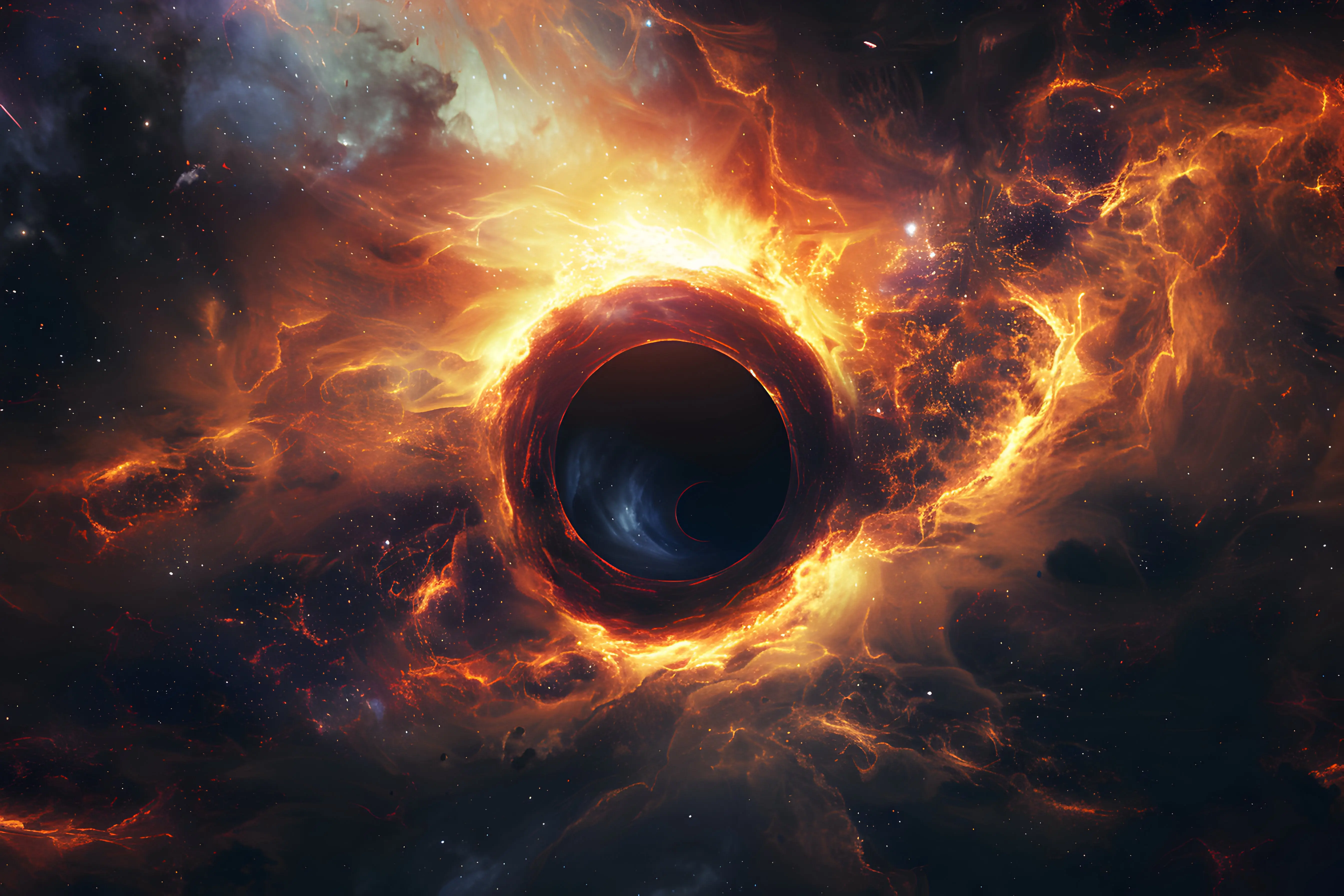
Most PBHs likely have already evaporated
According to the theory by Stephen Hawking, black holes emit particles and radiation, which leads to them gradually losing mass. Small black holes evaporate faster, and eventually, this process ends in a final burst. The problem with observing these PBHs exploding is that they would have evaporated already, or their explosions are too rare or too weak to detect.
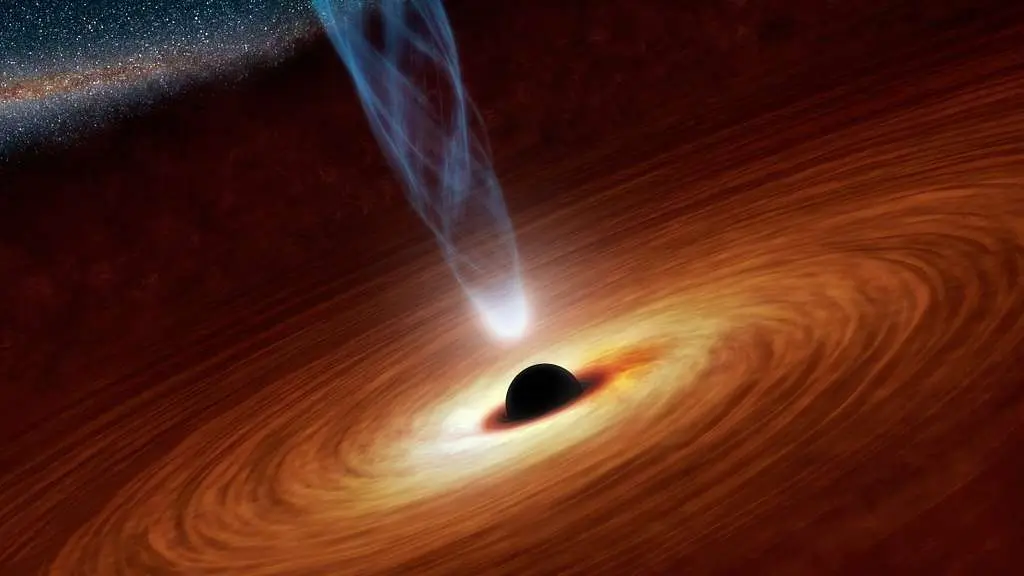
Scientists propose propose a "dark-charge" scenario
However, researchers in the study published in APS Review Journals propose a "dark-charge" scenario, which can make observation of an exploding black hole possible. It states that many PBHs that would otherwise have already evaporated might still be alive today, in a quasi-extremal state.
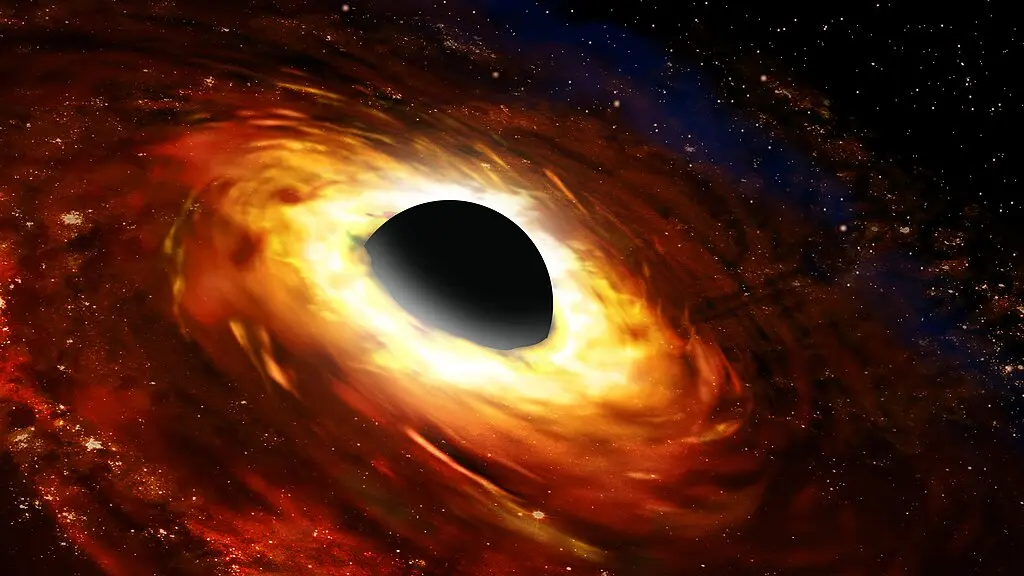
Hawking radiation suppression
It states that a “dark version of electromagnetism plus a heavy particle can allow PBHs to carry a charge." This version is known as "dark symmetry" or "dark charge." The study states that if a black hole with such a charge can enter a quasi-extremal state, that is, if it is almost maximally charged, it would lead to Hawking radiation being strongly suppressed. At this stage, it emits much more slowly, thus surviving for a much longer time than it would if uncharged.
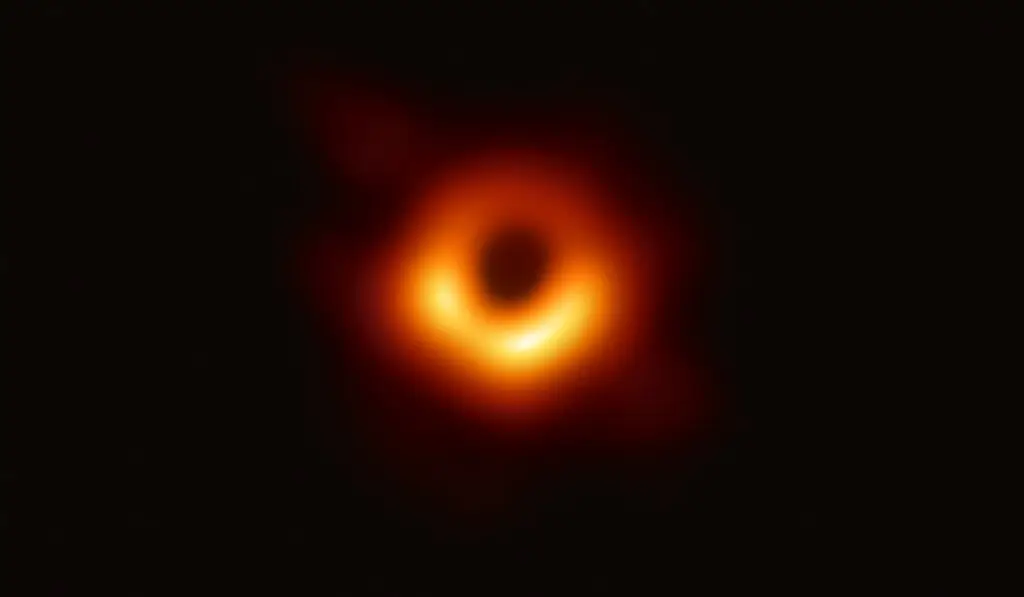
90% chance of observing a black hole explosion
The researchers argue in the paper that if this “dark-charge” scenario were to exist, many PBHs could still be out there in the universe. They have deduced based on their calculations that there is a high chance of observing an exploding primordial black hole in the next 10 years. In fact, there is a 90% chance of observing a black hole explosion in the next 10 years.
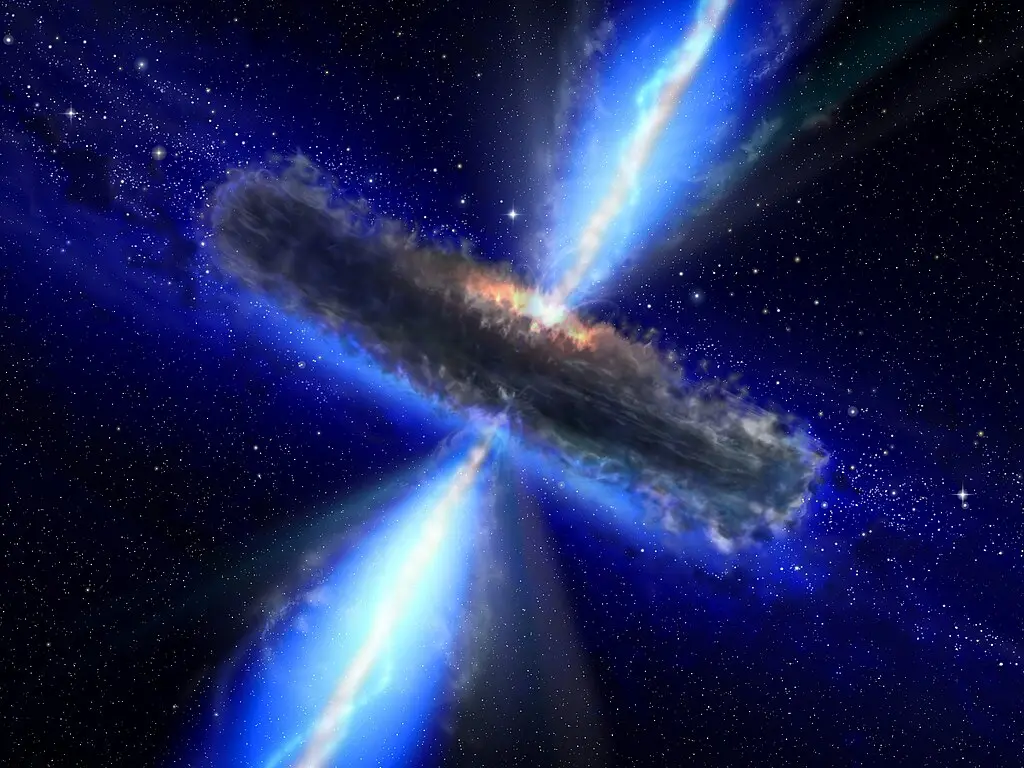
Futuristic gamma-ray telescopes might be able to spot black hole explosion
The researchers say that the current gamma-ray telescopes, and those that will be developed in the near future, there's a strong chance of observing a black hole explosion, provided all the conditions are right.
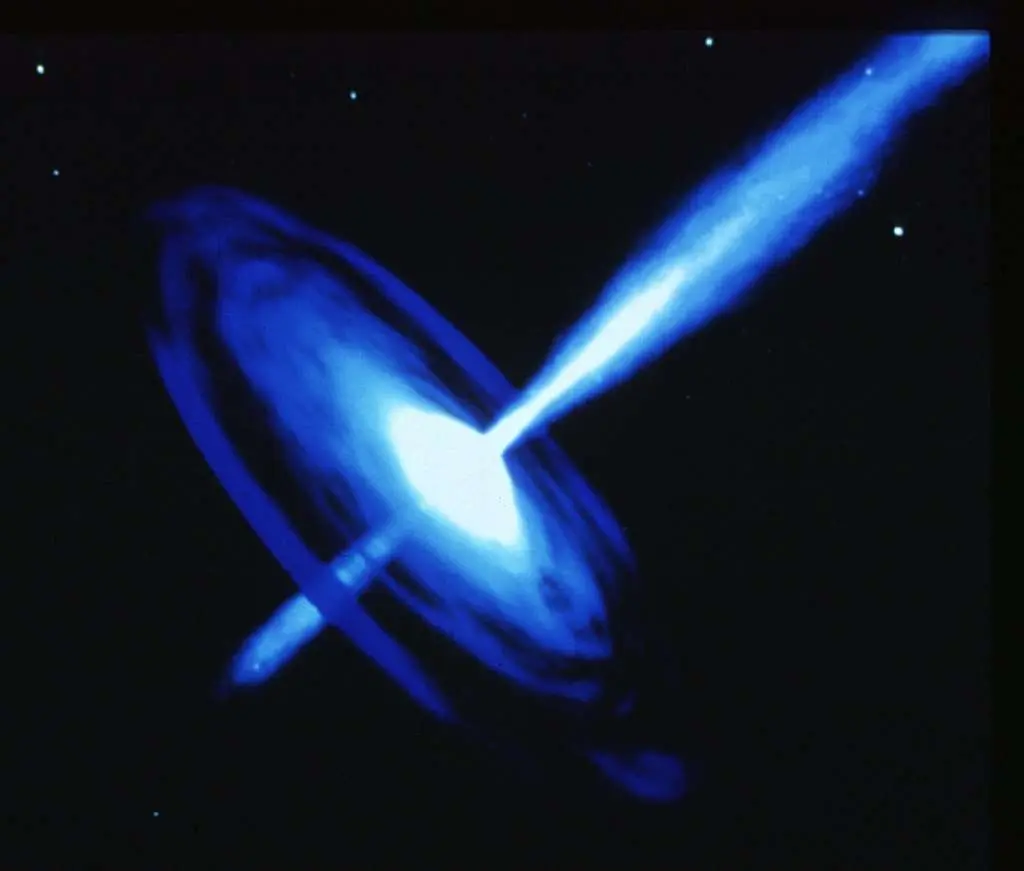
Mystery of primordial black holes
This would also prove for the first time ever that primordial black holes are real. Scientists till now have only hypothesised that such cosmic bodies existed in the ancient universe.
)
)
)
)
)