Scientists decode Jupiter's birth date using its part that were found on Earth

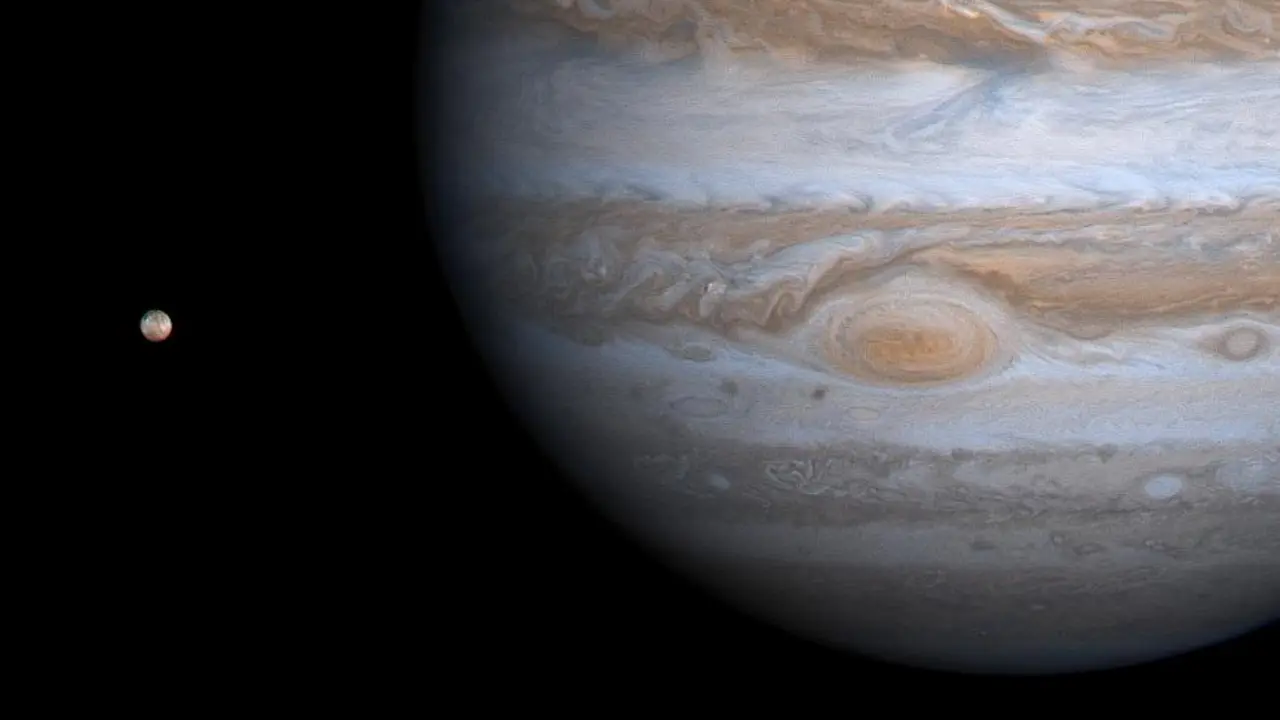
Around 4.6 billion years ago, Jupiter grew rapidly, creating powerful gravitational disturbances. These disturbances hurled icy and rocky bodies called planetesimals, into high-speed collisions, generating extreme heat and pressure.
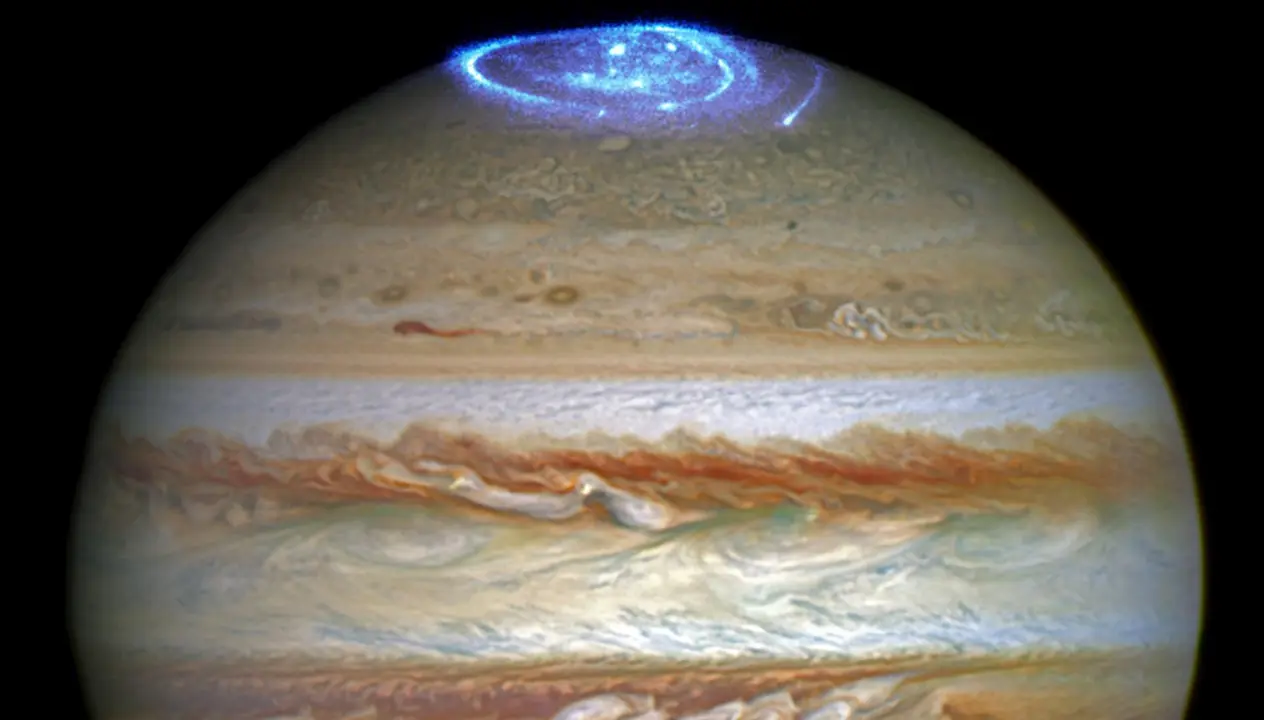
he Longstanding Mystery of Jupiter’s Birth
For decades, astronomers and planetary scientists debated when Jupiter, the solar system’s largest planet, actually formed. Its enormous size and gravity shaped the evolution of all other planets, but pinpointing its exact birthdate remained a puzzle, until now.
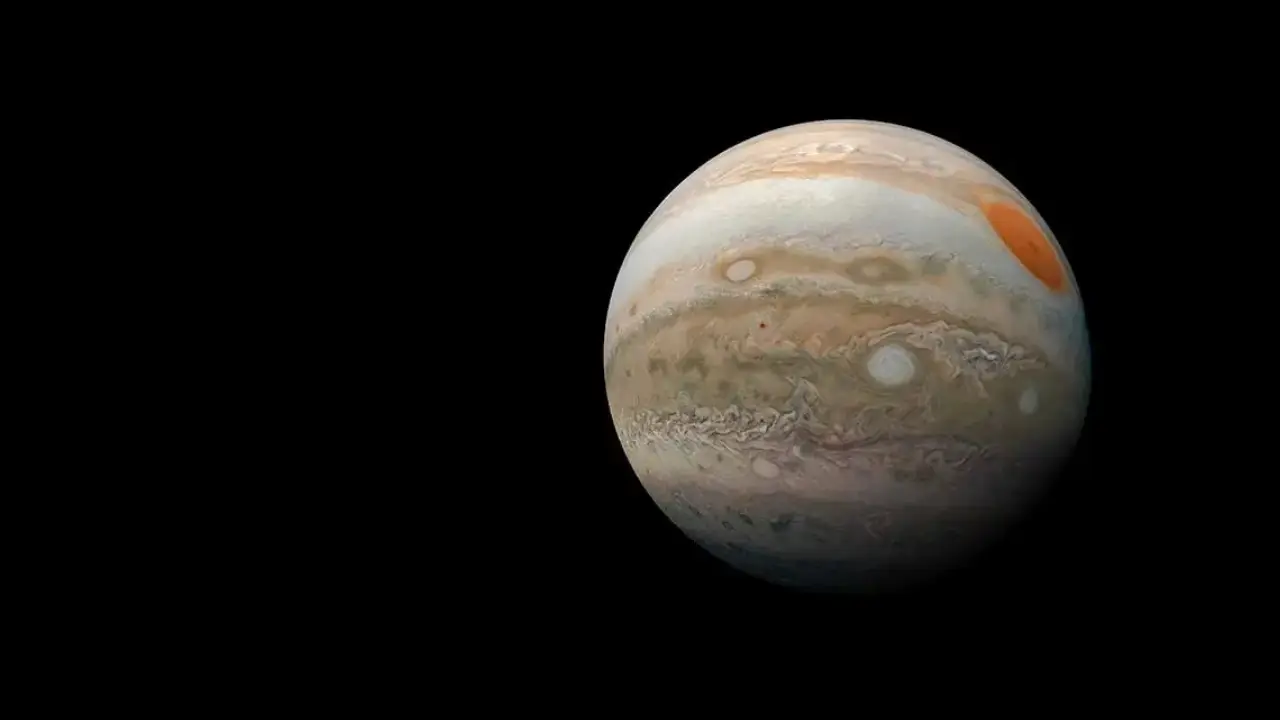
The Clues Hidden in Meteorites
The breakthrough came not from space telescopes but from meteorites that landed on Earth. These rocks contain tiny spherical grains called chondrules, which act as natural time capsules, preserving the violent conditions of the early solar system.
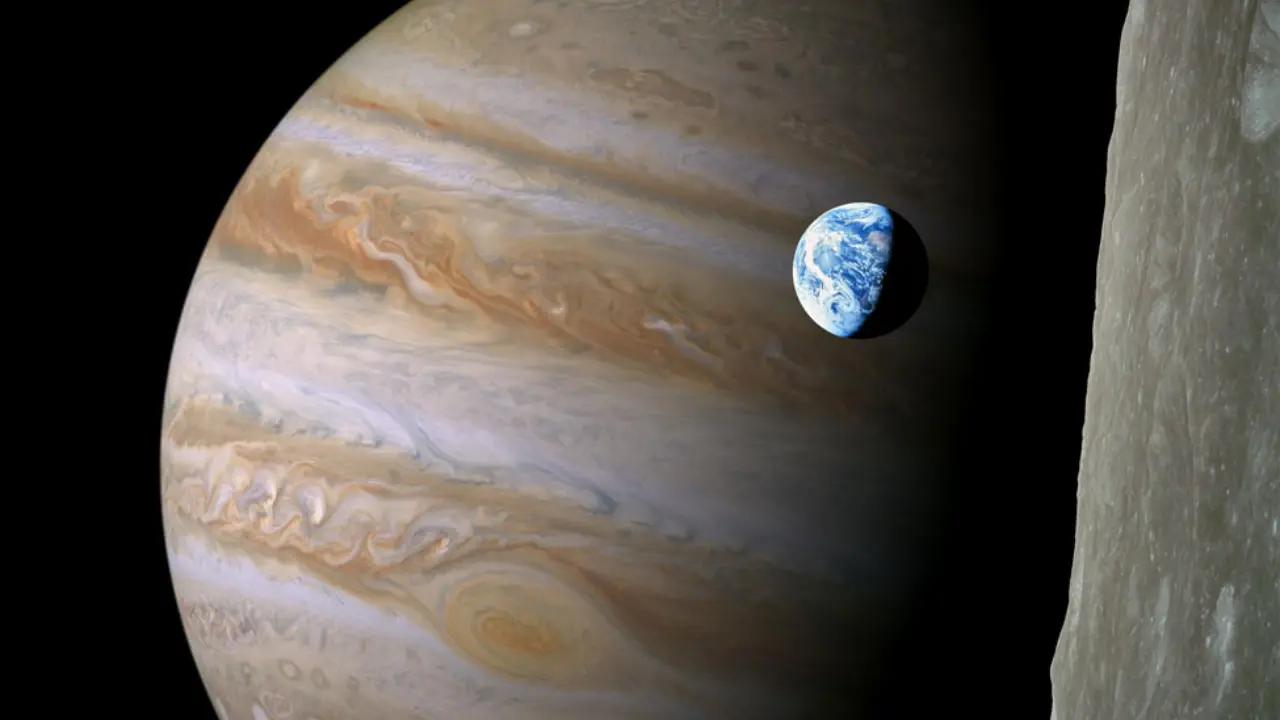
The Role of Jupiter’s Gravity
Around 4.6 billion years ago, Jupiter grew rapidly, creating powerful gravitational disturbances. These disturbances hurled icy and rocky bodies called planetesimals, into high-speed collisions, generating extreme heat and pressure.
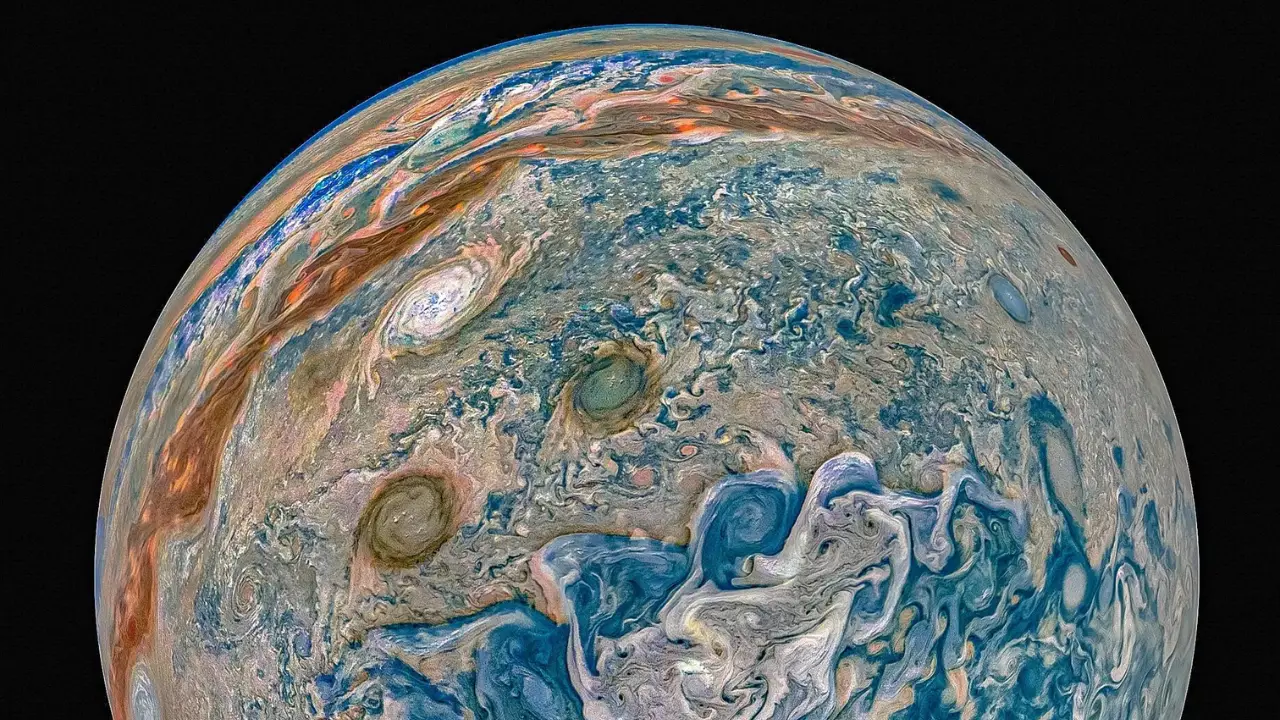
Birth of Chondrules: Time Markers of the Past
The collisions melted dust and rock into molten droplets that quickly cooled into spheres known as chondrules. Their size and cooling rates were directly influenced by the presence of water, which explosively vaporised during impacts.
Computer Simulations Confirm the Timeline
Researchers from Nagoya University (Japan) and INAF (Italy) ran advanced simulations of Jupiter’s early growth. These models replicated the exact conditions that produced chondrules, aligning perfectly with what scientists observed in meteorites.
Jupiter’s Exact Birthday Revealed
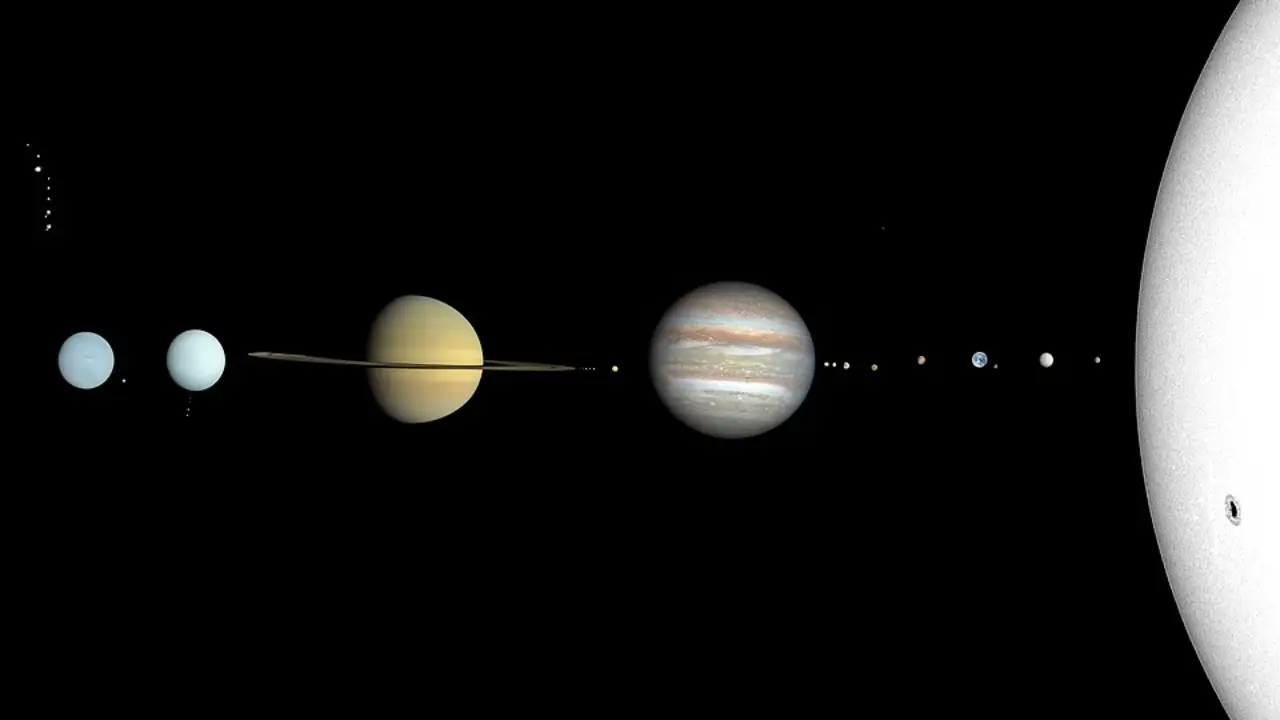
The findings show that Jupiter was born about 1.8 million years after the solar system formed. This period matches the peak formation of chondrules, confirming that Jupiter’s rapid accumulation of gas and mass was directly tied to these collisions.
Why This Discovery Matters
This research not only reveals when Jupiter formed but also provides a new way to trace the birth of other giant planets like Saturn. It also hints that similar planet-forming collisions could be shaping worlds around distant stars, expanding our understanding of how planetary systems evolve.
)
)
)
)
)