Science behind Iran's vicious 'black' acid rain triggered by massive fuel depot fires

Iran's oil depot fires triggered black acid rain on Sunday. A thick black smoke cloud shrouded Tehran as visibility dropped. People complained of throat irritation and itchy eyes, as agencies warned them to stay indoors. What is the science behind Iran's acid rain?
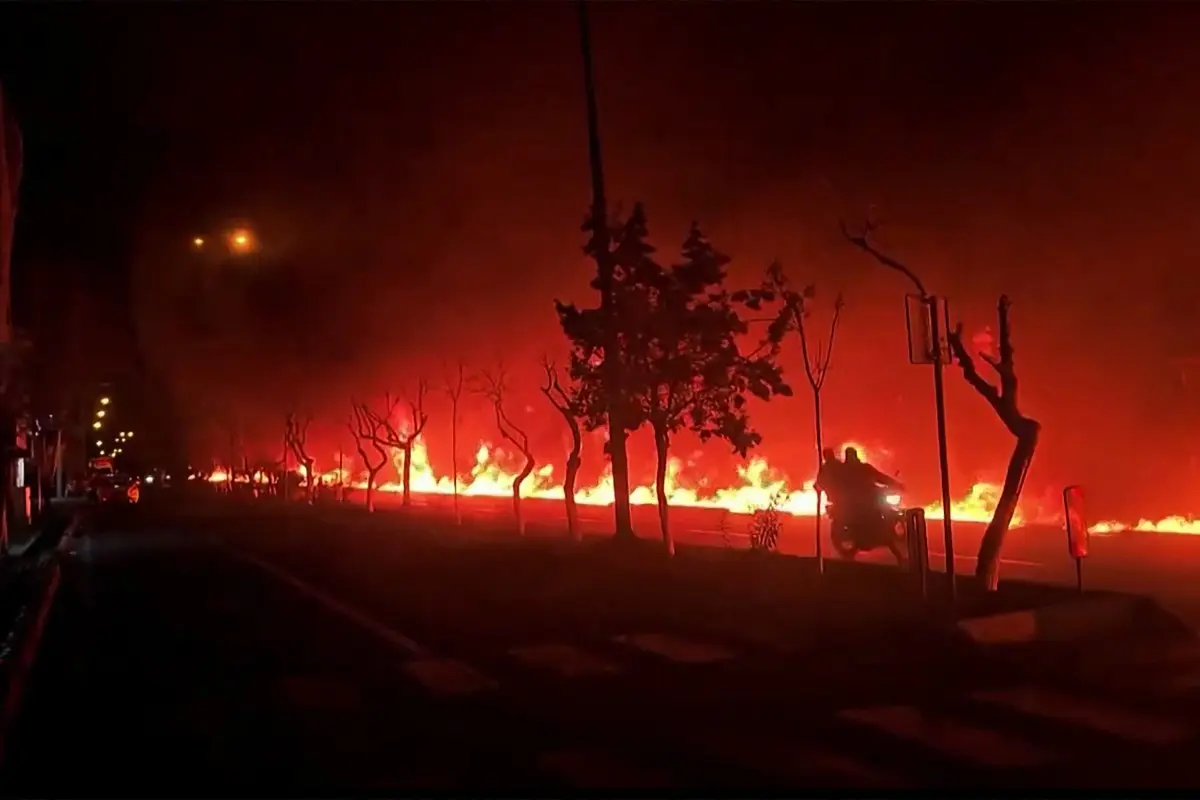
Israel attacks oil depots in Iran
People in Tehran described "apocalyptic" scenes after Israel struck 30 oil depots in the capital city of Iran. Black smoke shrouded the city while "acid rain" was reported on Sunday, which covered buildings and damaged cars. Israel hit the fuel storage facilities overnight, saying that they were being "used by the Iranian regime to supply fuel to different consumers, including its military organs." Hydrocarbons and smoke combined with clouds, making it extremely difficult for people to breathe.
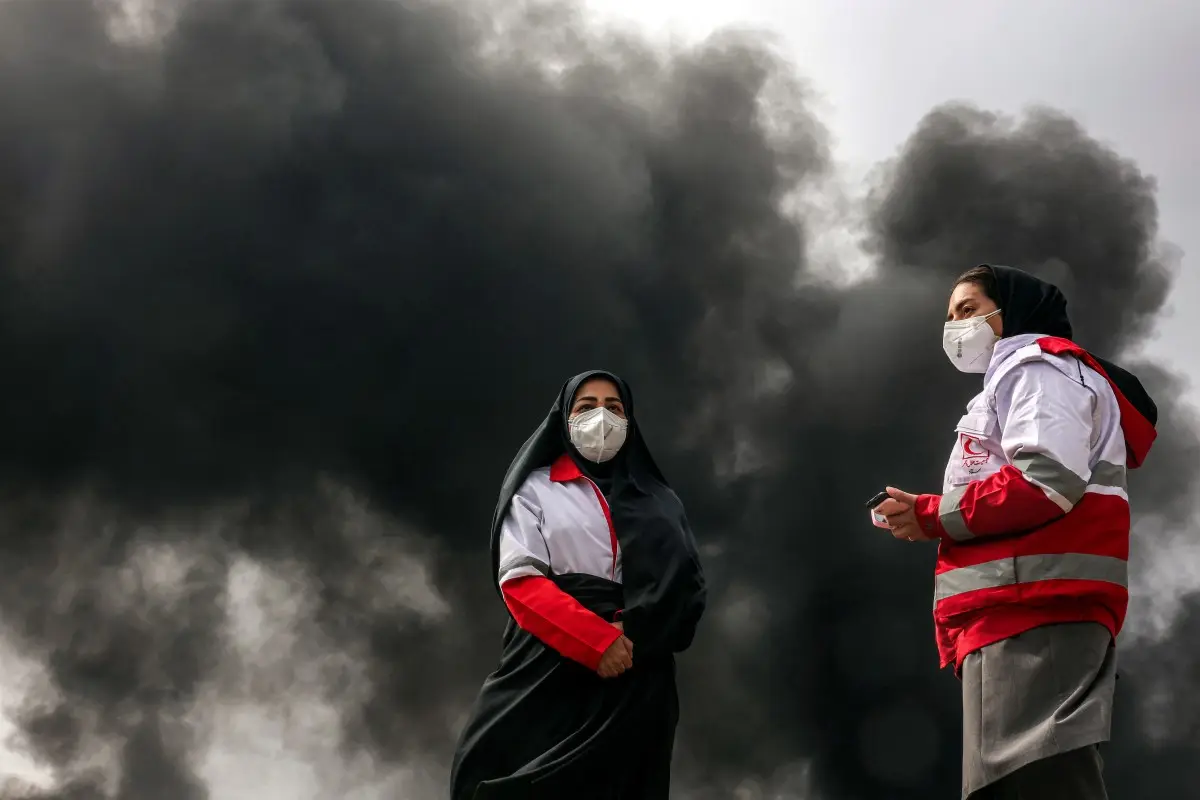
Iran oil depot fire triggers massive public-health crisis from acid rain
The skies turned dark, completely covering the sun, causing disorientation. The Guardian reported that people had to turn on the lights to see in the gloomy conditions. People complained of itchy throats and watery eyes amid the toxic conditions. Tehran is home to nearly 12 million people, and these strikes on the oil depot have triggered a massive public-health crisis.
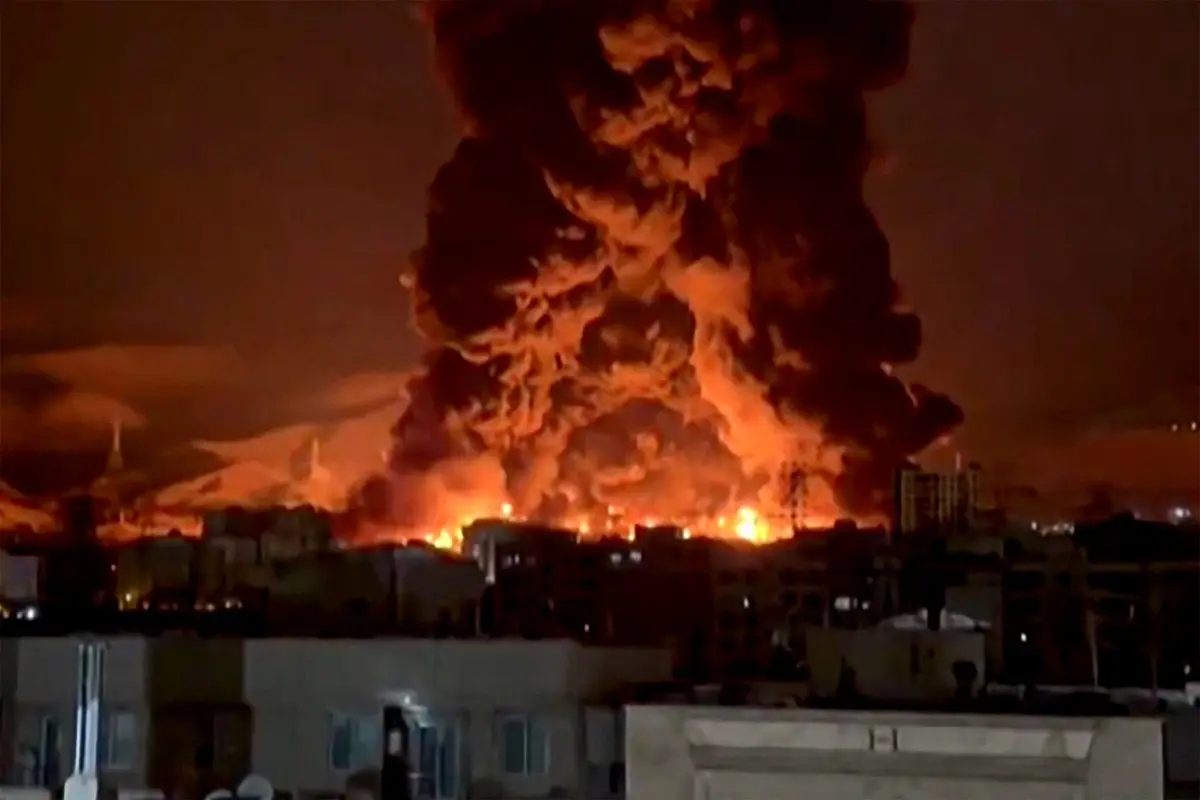
Acid rain covers everything in Iran
Iran's environmental agency warned people not to step outside their houses and avoid turning on air conditioners. It added that the oil drizzle could cause skin irritation and pose breathing difficulties. Iranian state media reported that several sites were targeted by Israel, including the Aghdasieh oil warehouse in northeast Tehran, the Shahran oil depot north of Tehran, an oil refinery in southern Tehran, and an oil depot in Karaj in Alborz province. Four tanker drivers were killed at one of the sites.
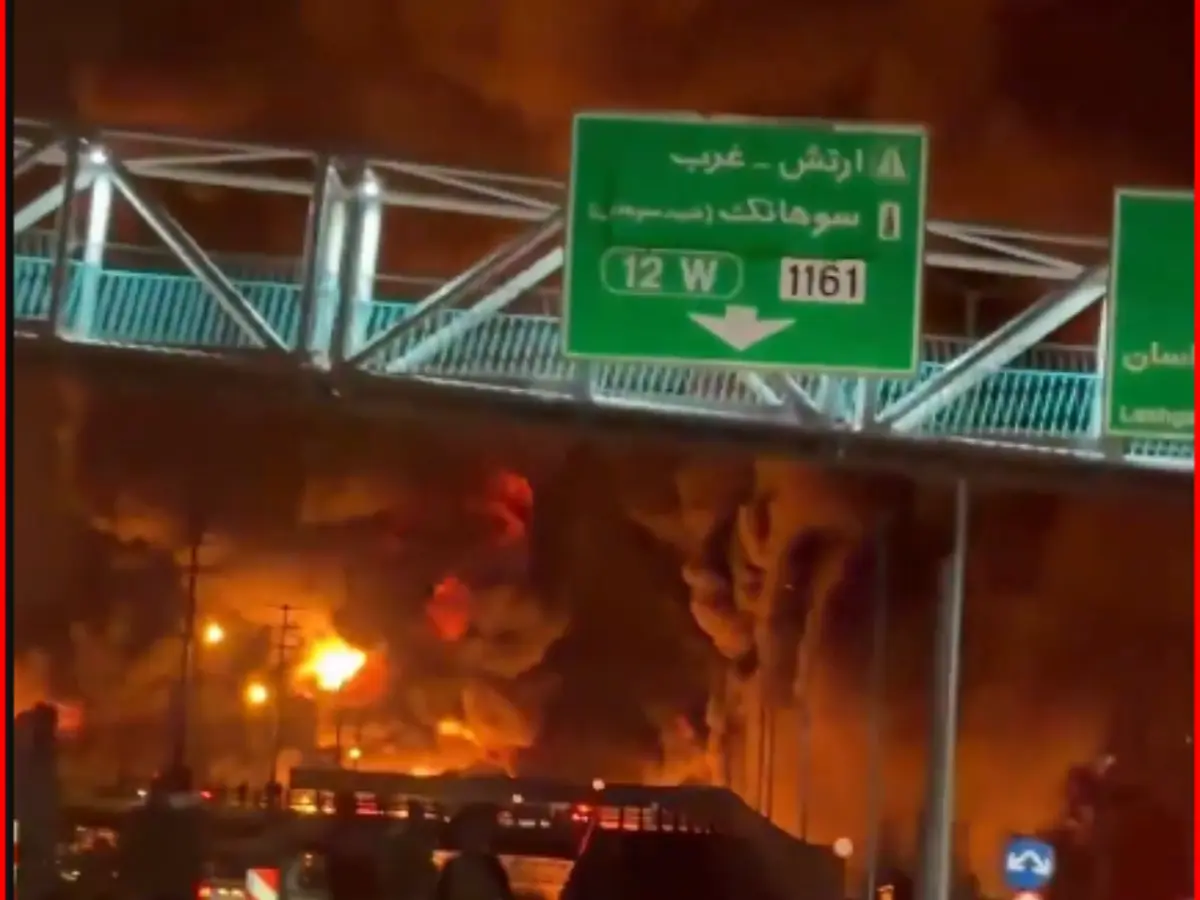
People in Tehran urged to remain indoors
Iran's Red Crescent Society warned that the attacks could trigger acid rain that would be extremely dangerous to human health. It could contain sulfur and nitrogen oxides along with hydrocarbons. They were advised to cover any openings to their home with wet clothes. They were also urged to wash vehicles and buildings to prevent the residue from turning into toxic dust.
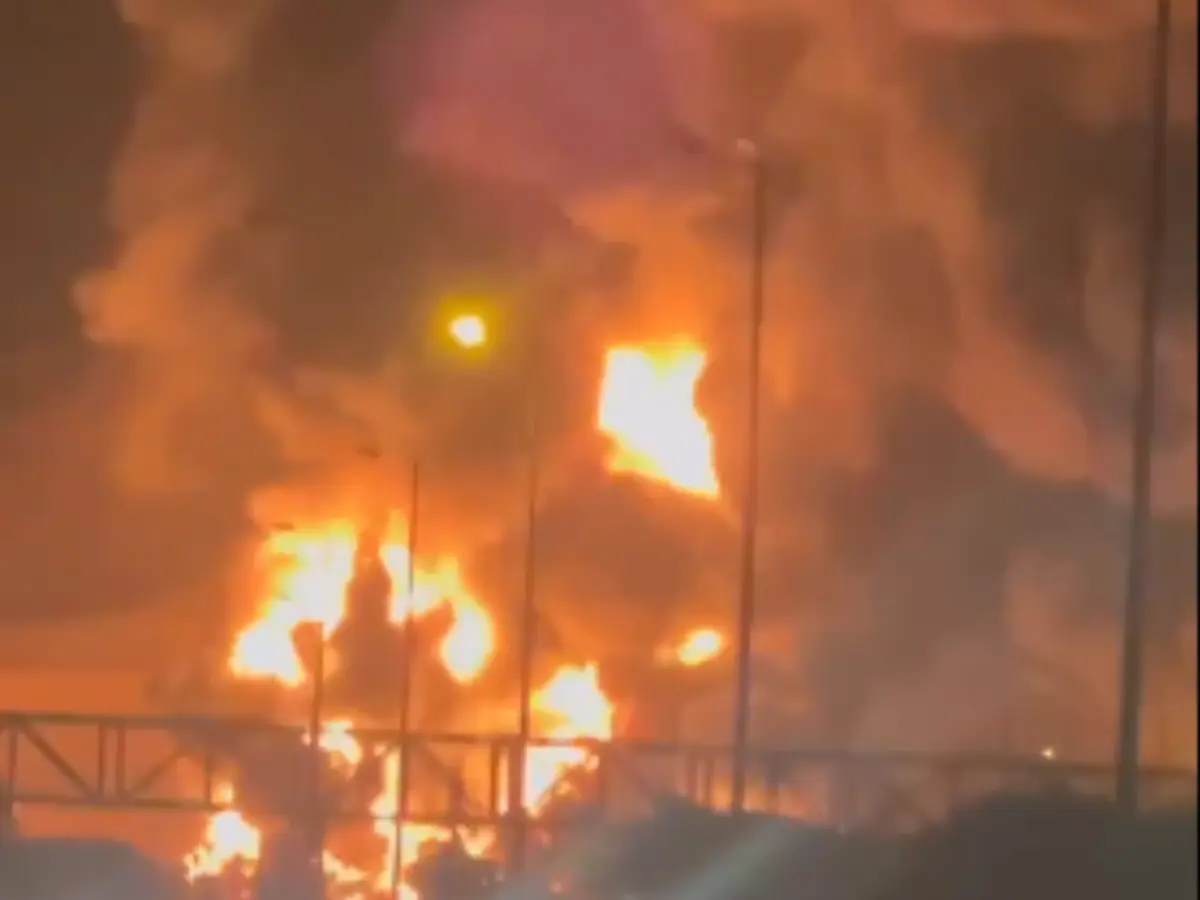
How oil depot fires created acid rain in Iran
There is a very simple scientific reason for the air and rain turning toxic when oil burns uncontrollably. In this scenario, crude oil releases carbon dioxide, sulfur and nitrogen. Sulfur Dioxide is formed when sulfur, which is naturally present in "sour" crude oil, reacts with oxygen. Nitrogen oxides are also created because the extreme heat of the fire leads nitrogen and oxygen to bond. These gases rise into the troposphere and undergo a series of chemical reactions aided by sunlight and pollutants.
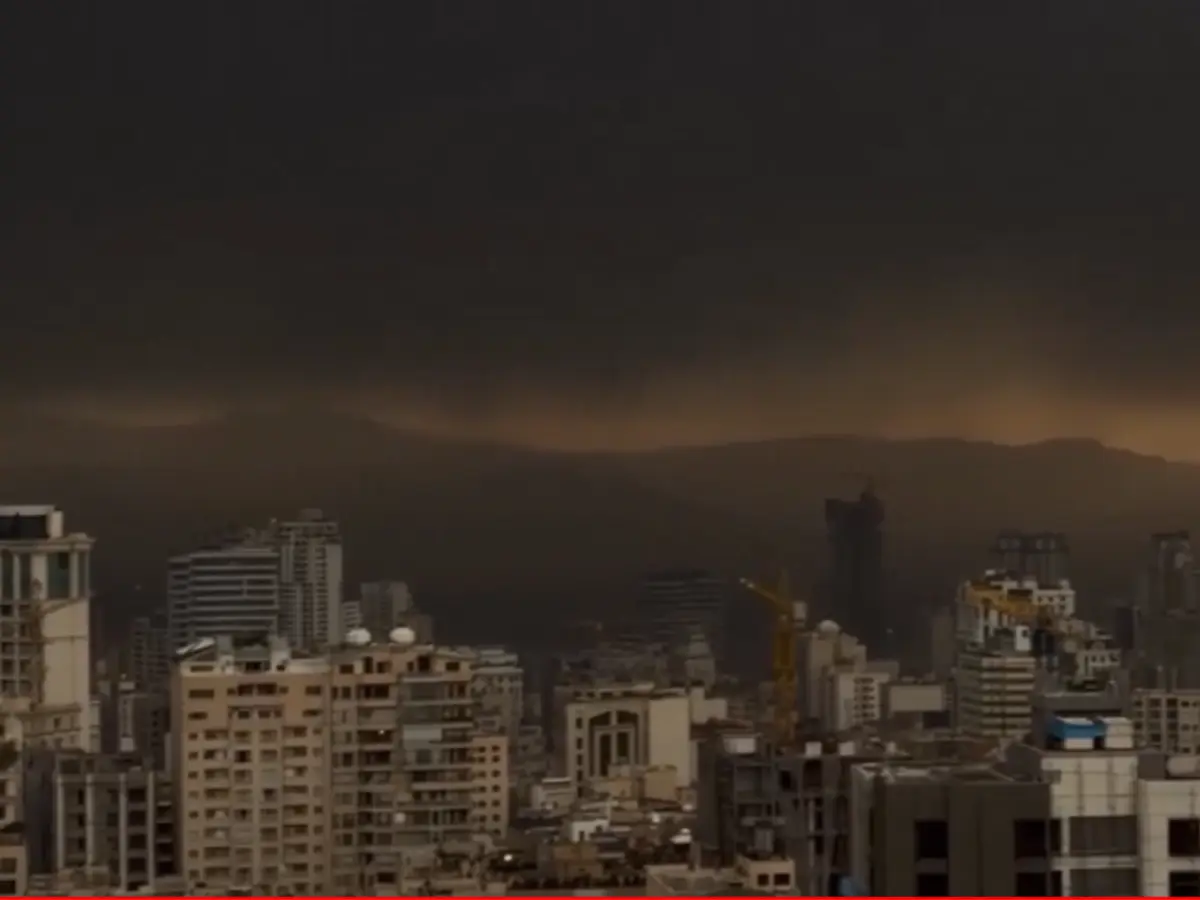
Sulfuric acid and nitric acid in Iran's rainwater
Sulfur Dioxide turns into sulfuric acid, while Nitrogen Oxide becomes nitric acid. These acidic molecules are highly soluble and so dissolve into water droplets inside clouds. When it rains, these acids also fall to the ground. Clean rain is also acidic, but the pH levels of rain mixed with oil are different and can drop to a pH of 4.0 or lower.
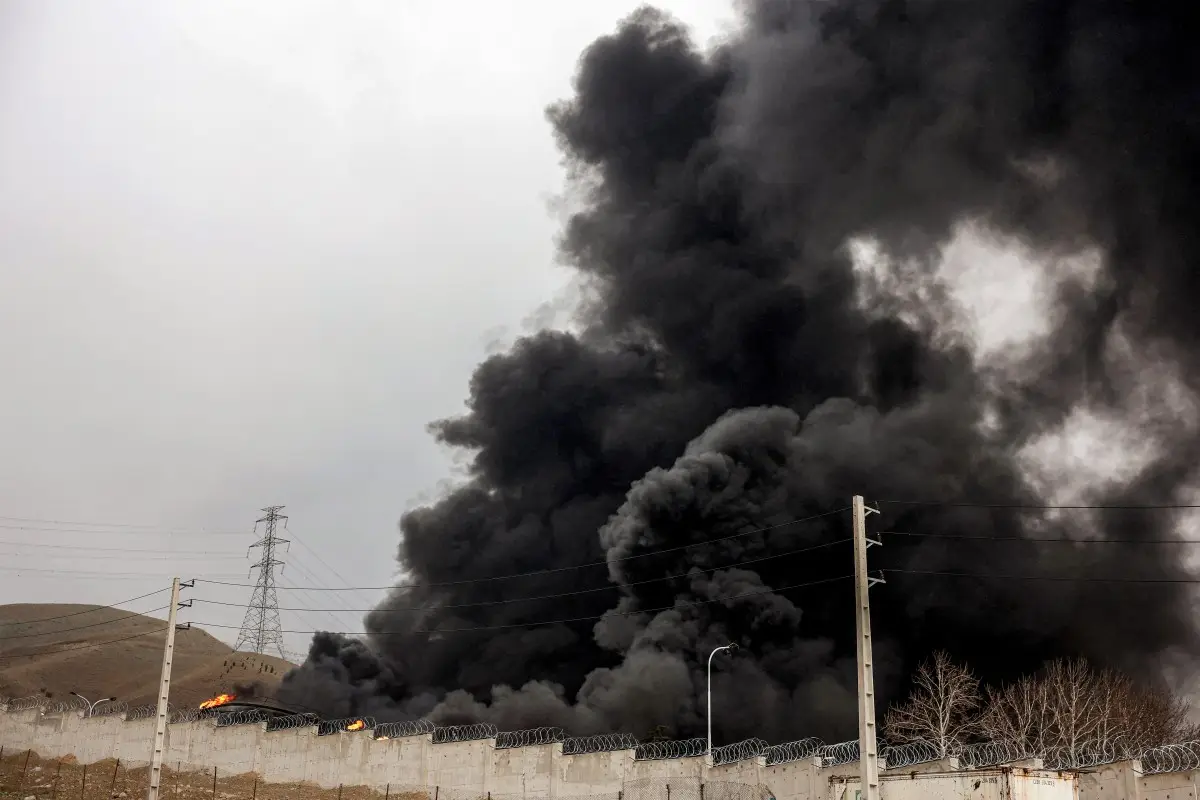
Black acid rain damages environment in Iran
What formed in the case of Iran was "Black Rain". It is so acidic that it can damage crops and even older buildings and stone structures. It physically coats the environment in toxic, oily residue. This is why the vehicles covered with this acid rain in Iran, sustained damage. This acid can also leech into the soil and be toxic for plants.
)
)
)
)
)