Sarmat, Minuteman III, Agni-V and more: 7 most powerful intercontinental ballistic missiles

While the number of nations with operational ICBMs is limited, their technical evolution has been rapid, with greater range, hypersonic speeds and multiple independently targetable re-entry vehicles (MIRVs) dramatically increasing destructive capability.
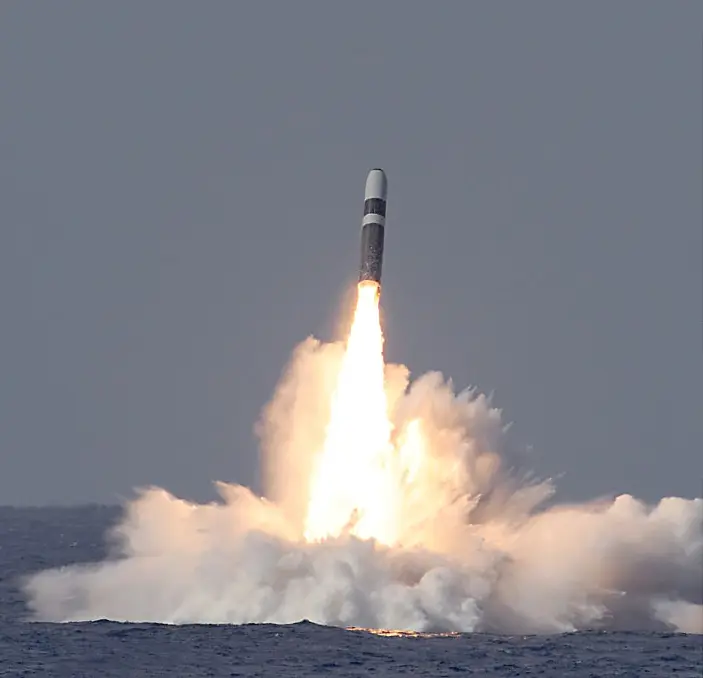
Introduction
Intercontinental ballistic missiles (ICBMs) remain the backbone of nuclear deterrence. Designed to travel thousands of kilometres and deliver warheads across continents, these weapons determine strategic balance between major powers. While the number of nations with operational ICBMs is limited, their technical evolution has been rapid, with greater range, hypersonic speeds and multiple independently targetable re-entry vehicles (MIRVs) dramatically increasing destructive capability. The following is a factual comparison of the seven most powerful ICBMs in service today.
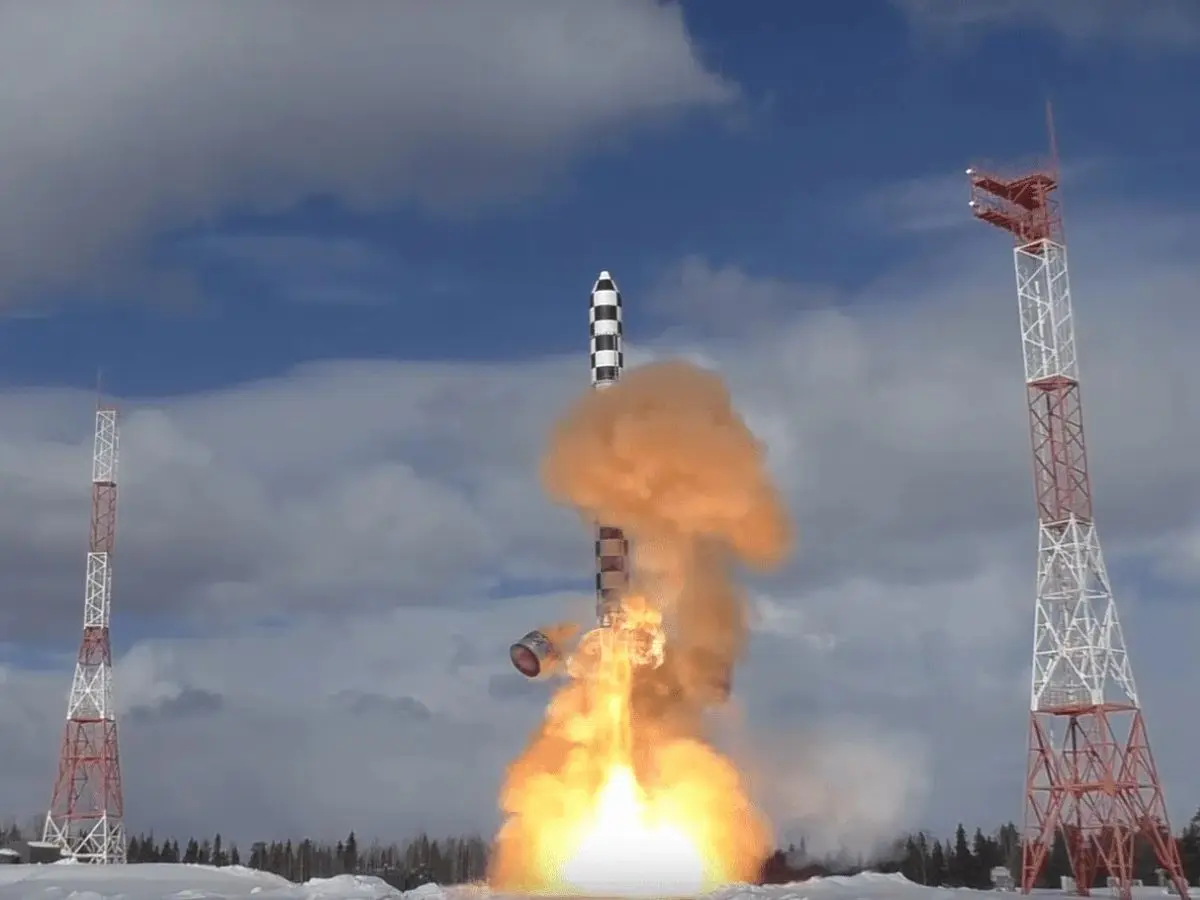
1. RS-28 Sarmat (Russia)
Often referred to as 'Satan II', the RS-28 Sarmat is considered the world’s most powerful ICBM. It has an estimated range exceeding 18,000 km, enough to strike any point on the planet. It carries up to 15 MIRVs and can travel over the South Pole, bypassing many missile defence systems. Russia intends the Sarmat to replace its ageing R-36M2 Voevoda fleet.
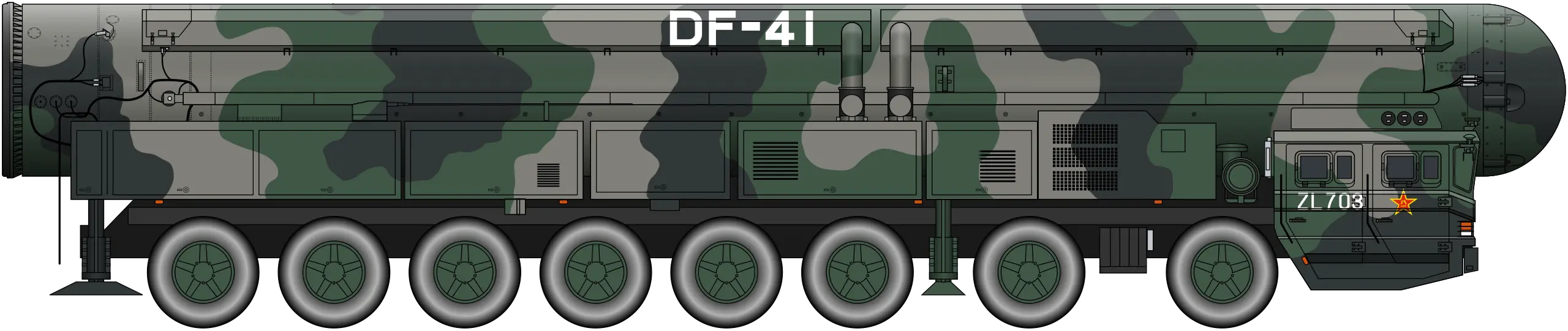
2. Dongfeng-41 (China)
China’s DF-41 is the country’s longest-range and fastest ICBM, with a range of 12,000–15,000 km and a top speed of approximately Mach 25. It can carry up to ten MIRVs and is deployed on road-mobile transporter-erector-launchers, making detection difficult. Its induction represents a major shift in China’s strategic deterrence posture.
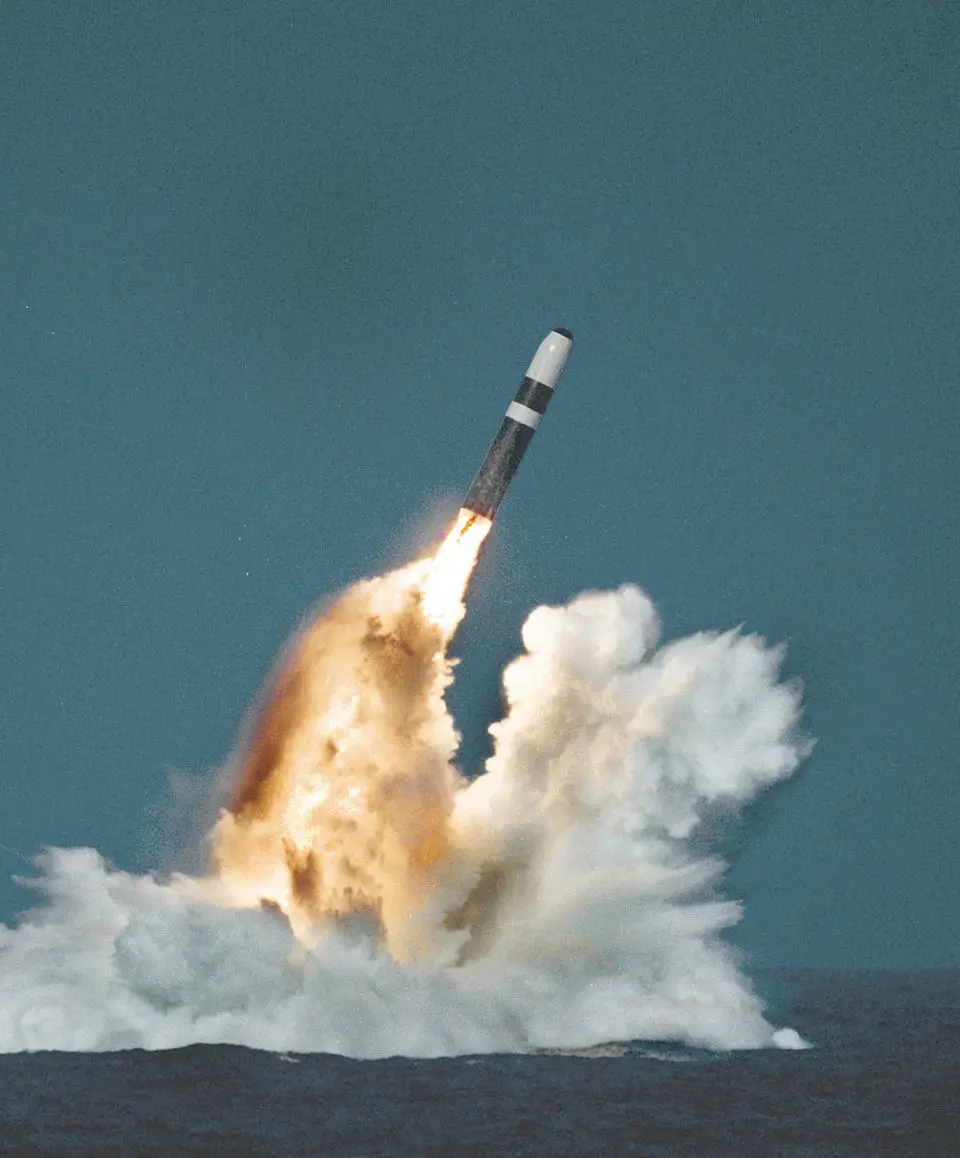
3. Trident II D5 (United States/United Kingdom)
The US Navy’s submarine-launched Trident II D5 is widely regarded as the most accurate strategic missile ever built. With a range of around 12,000 km, it can deliver multiple thermonuclear warheads with extremely high precision. It forms the nuclear backbone of both the US and UK navies and is currently undergoing upgrades to remain in service beyond 2040.
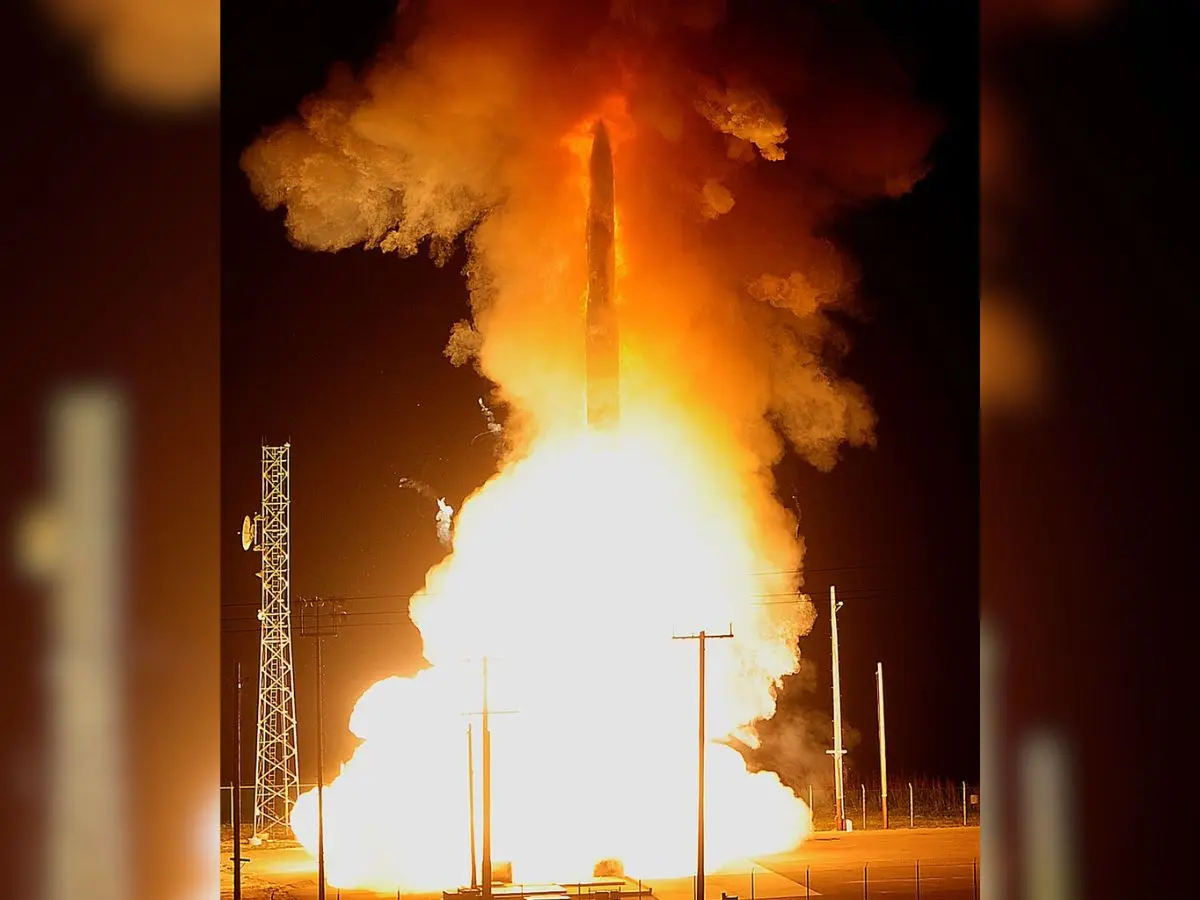
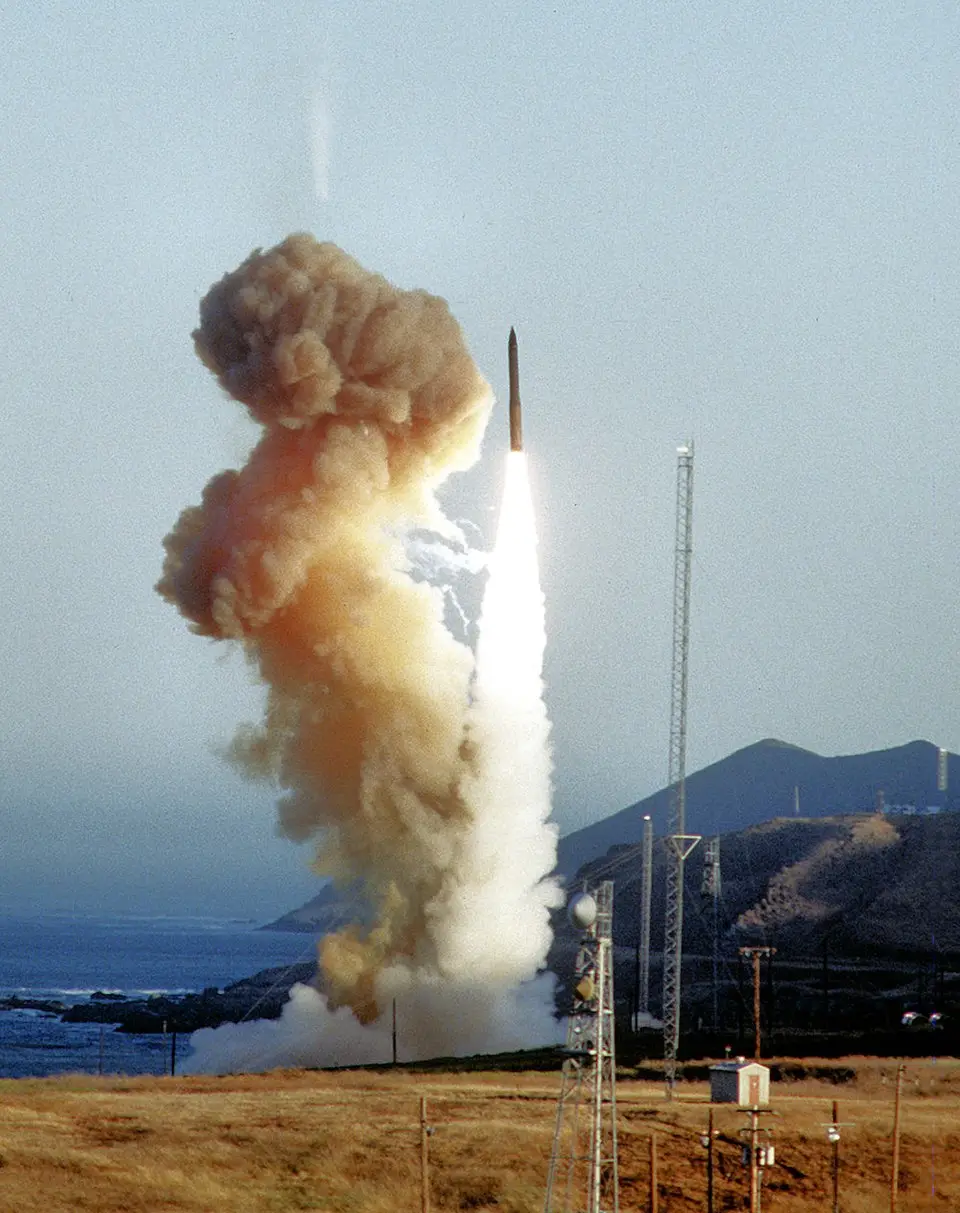
4. LGM-30G Minuteman III (United States)
The Minuteman III is America’s only land-based operational ICBM and has been continuously upgraded since its introduction in the 1970s. With a range of around 13,000 km and capability to deliver three MIRVs, it is placed in hardened silos across several US states. A next-generation replacement programme, LGM-35A Sentinel, is underway.
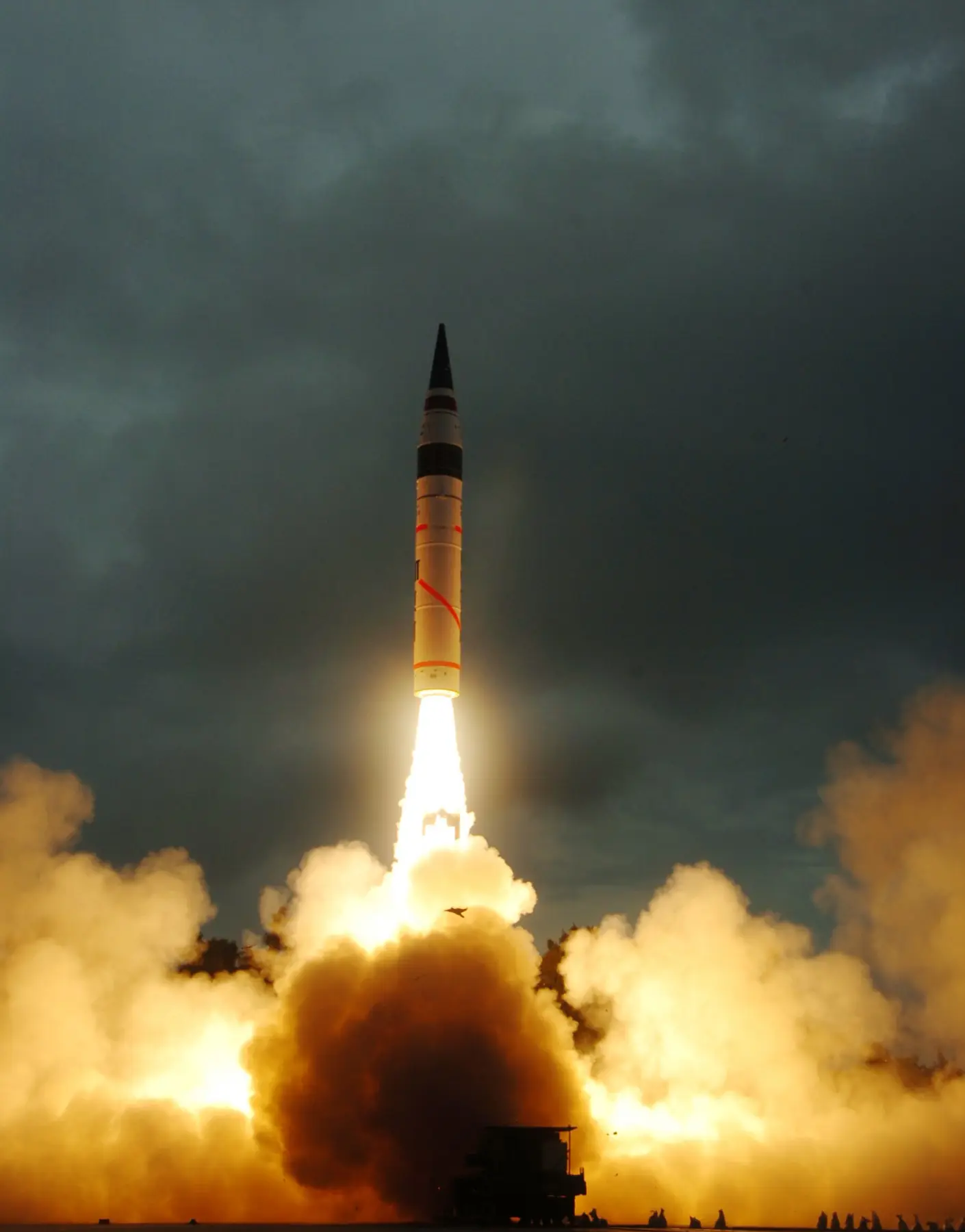
5. Agni-V (India)
India’s Agni-V strengthens New Delhi’s long-range ballistic missile capability with an operational range exceeding 5,500 km. Designed for high survivability and precision, it is canister-launched for rapid mobility and reduced response time. Continued upgrades aim to enhance accuracy, survivability and warhead configuration.
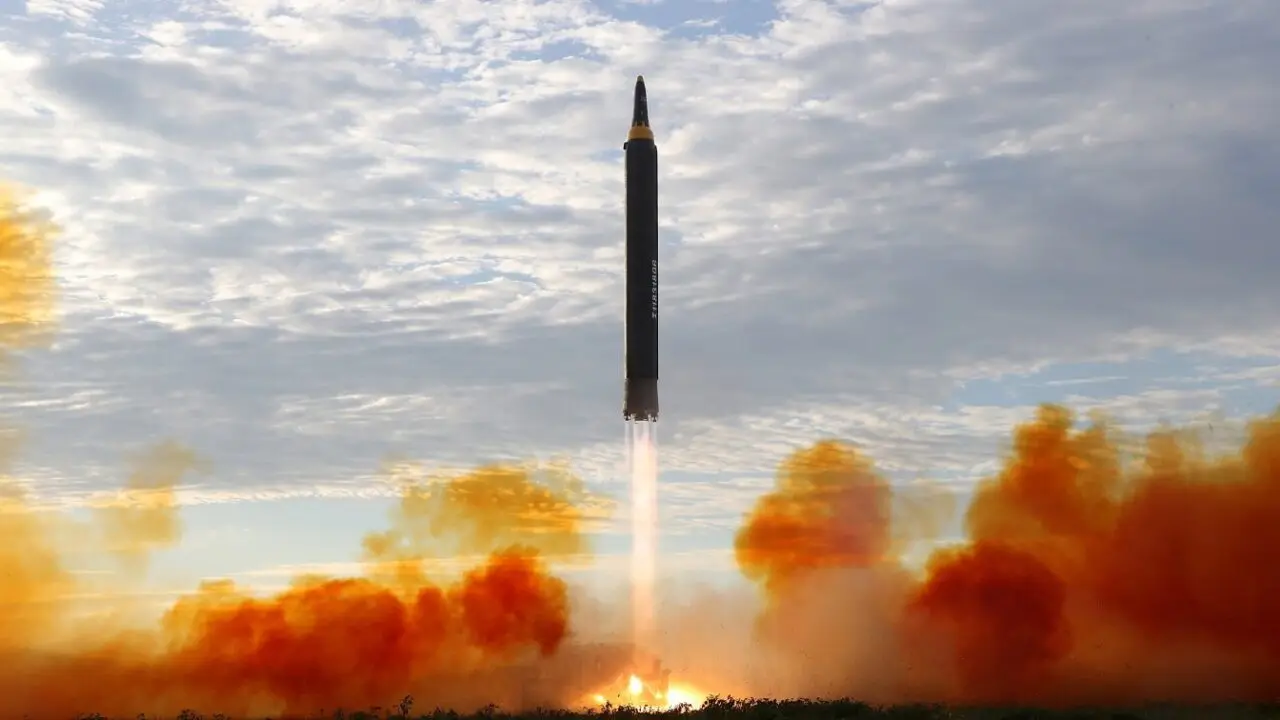
6. Hwasong-17 (North Korea)
North Korea’s Hwasong-17 is its most powerful ICBM to date, with an estimated range of 10,000–15,000 km. Though its operational reliability is debated, it has been showcased carrying multiple warheads and flown on several test launches. Its development has raised major global security concerns.
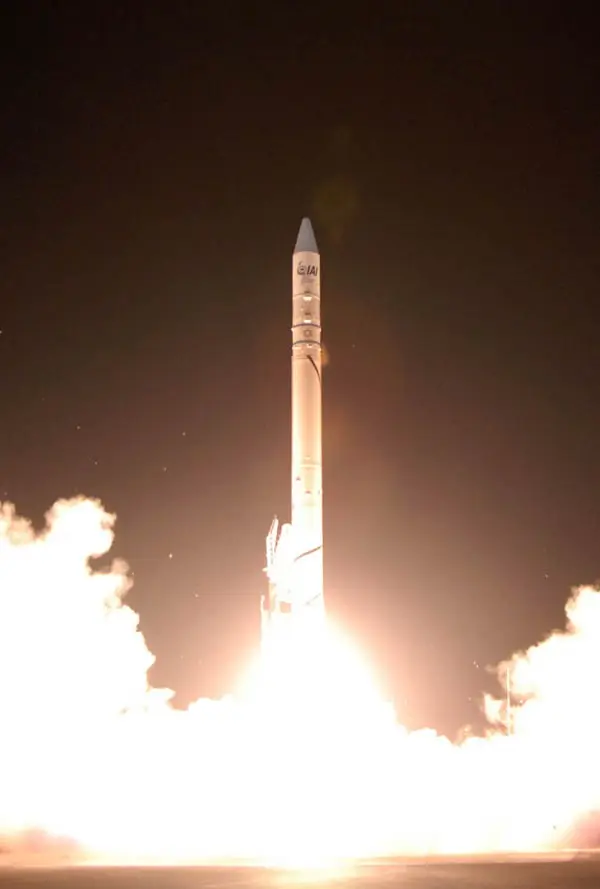
7. Jericho III (Israel)
Israel maintains a policy of nuclear ambiguity, yet defence analysts widely recognise the Jericho III as an operational ICBM. It is estimated to have a range between 4,800 and 6,500 km and may be MIRV-capable. Its deployment is considered central to Israel’s long-range strategic deterrence.
Conclusion
From submarine-launched missiles to road-mobile launchers and hypersonic glide vehicles, ICBMs continue to evolve in a technological race that mirrors shifting geopolitical power.
)
)
)
)
)