Sanctions on land, aircraft carriers at sea: How US is pushing Iran to the brink

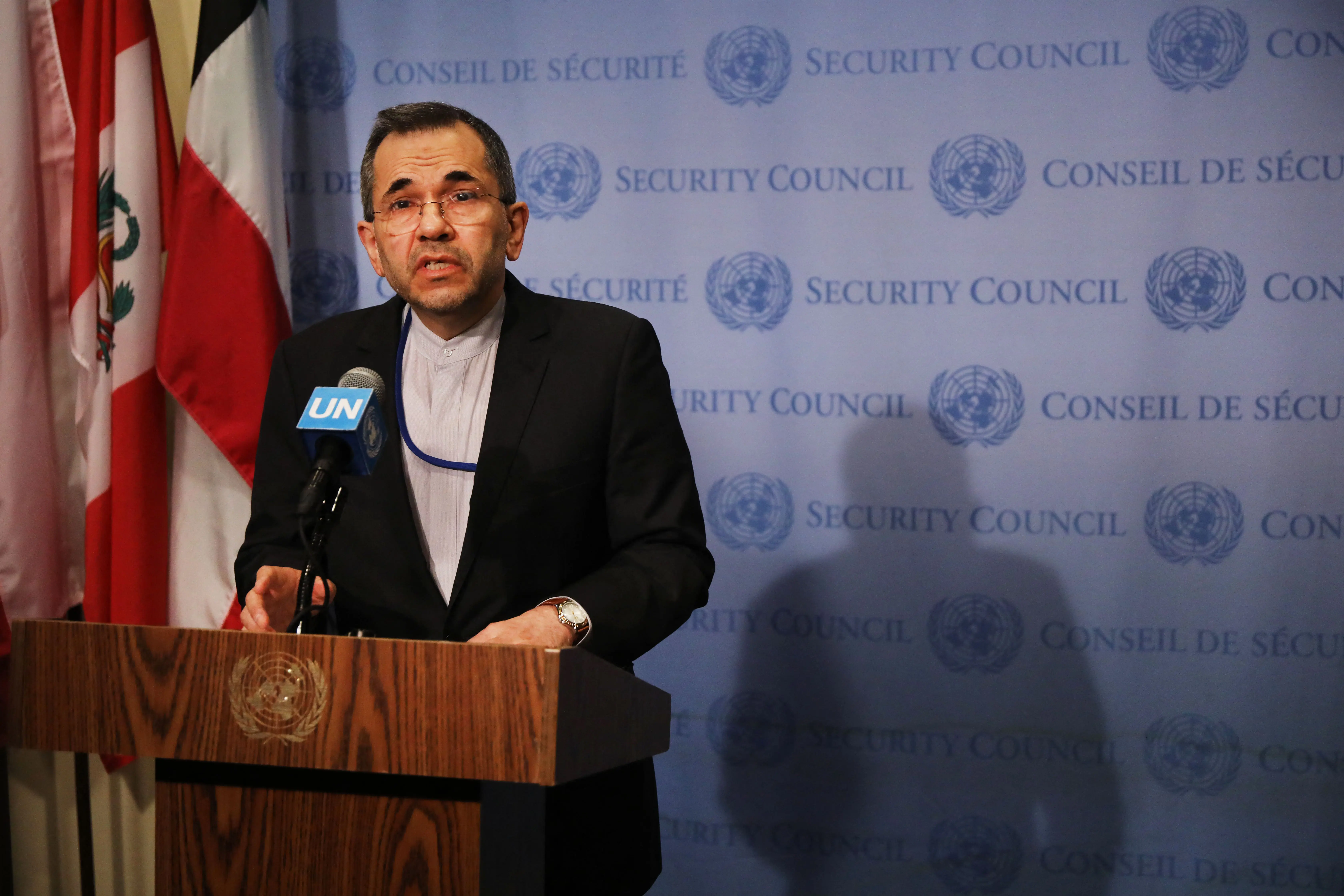
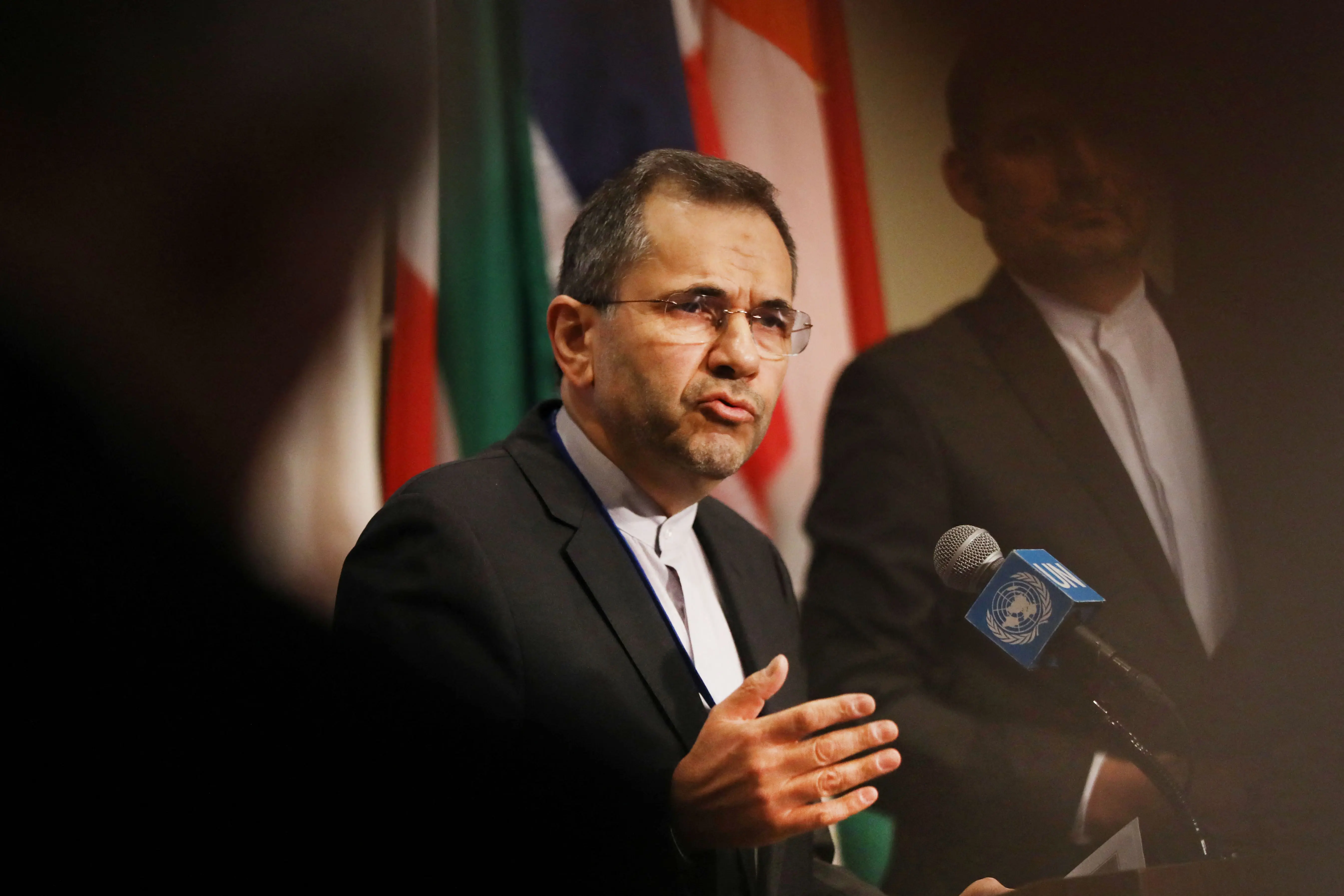
Deputy Foreign Minister Majid Takht-Ravanchi said Iran could agree to dilute highly enriched uranium while refusing zero enrichment, emphasising economic incentives for both sides.
Heightened US-Iran Tensions
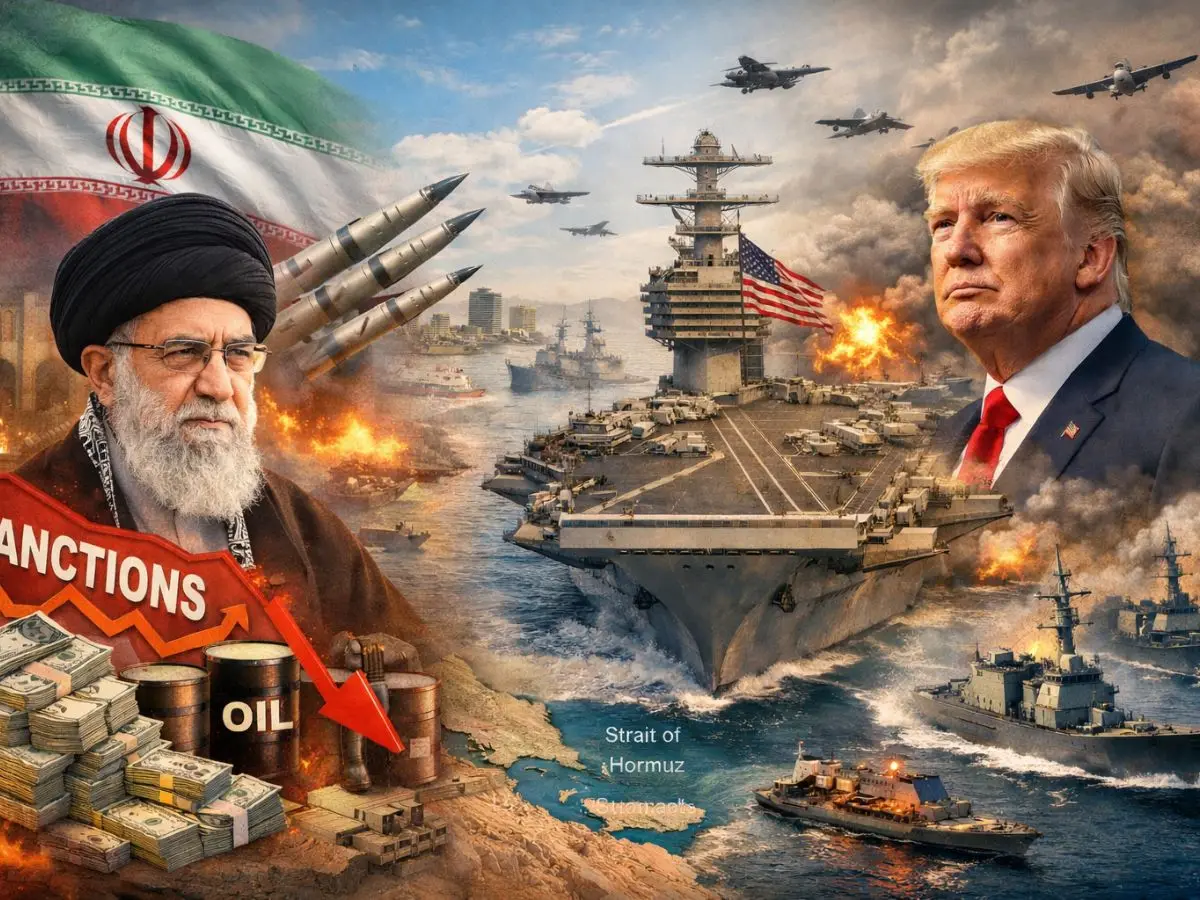
As negotiations between Washington and Tehran continue, the United States has combined economic and military measures to maintain pressure on Iran. Upcoming talks in Geneva aim to address Tehran’s nuclear programme, while the US simultaneously signals readiness for a military contingency. Reuters reports that the US has dispatched a second aircraft carrier strike group to the Middle East amid stalled diplomacy and ongoing regional tensions.
Sanctions Targeting Iranian Economy
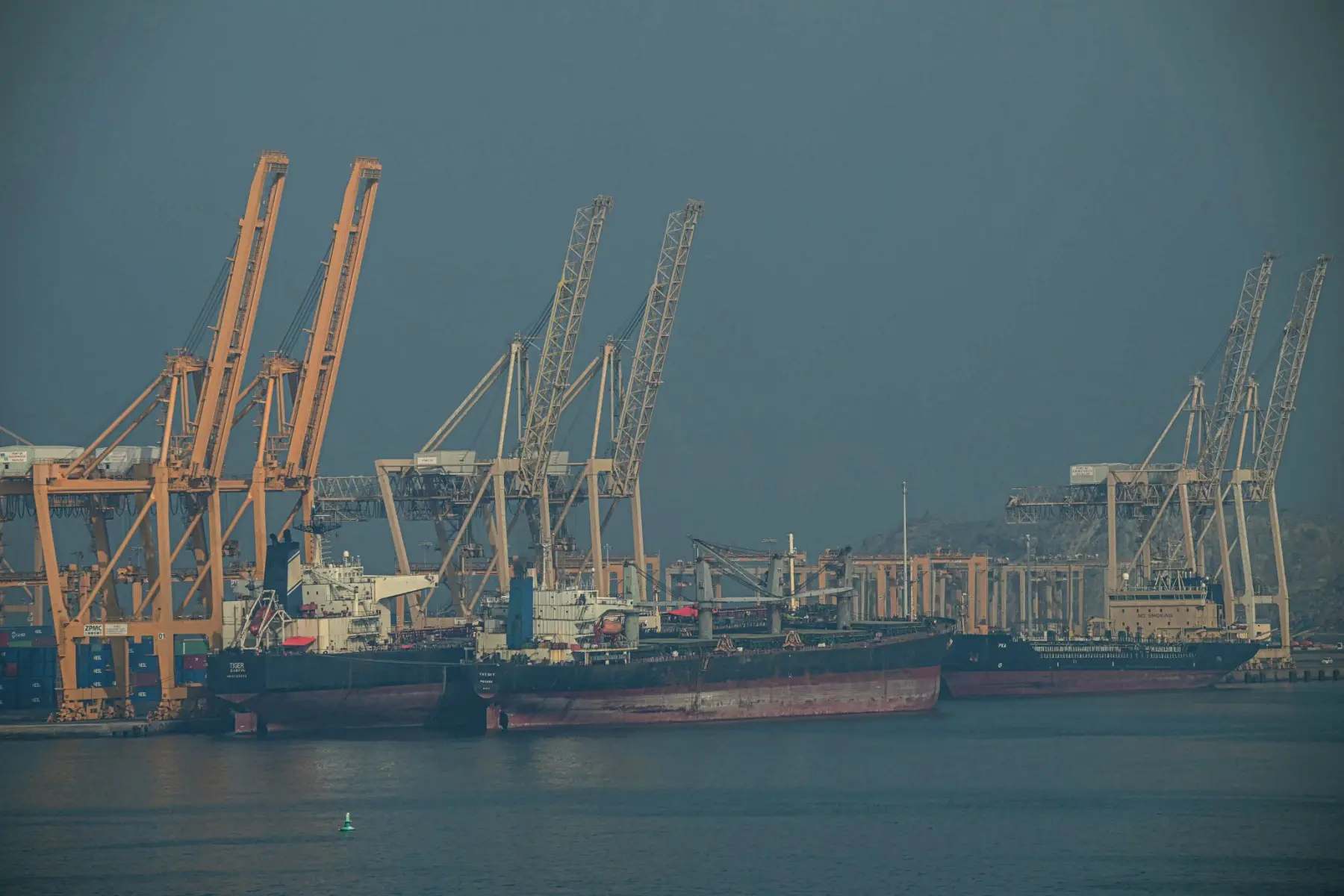
Economic pressure remains central to US strategy. The Treasury Department had already applied sanctions targeting Iranian entities linked to oil exports, missile procurement, and other strategic sectors. These measures are designed to limit Iran’s financial capacity to develop missiles or fund regional operations, creating leverage for negotiations.
Iran Signals Willingness on Nuclear Talks
Tehran has now indicated openness to compromise on its nuclear programme if the US discusses lifting sanctions. Deputy Foreign Minister Majid Takht-Ravanchi said Iran could agree to dilute highly enriched uranium while refusing zero enrichment, emphasising economic incentives for both sides.
Maritime Flashpoints: The Strait of Hormuz
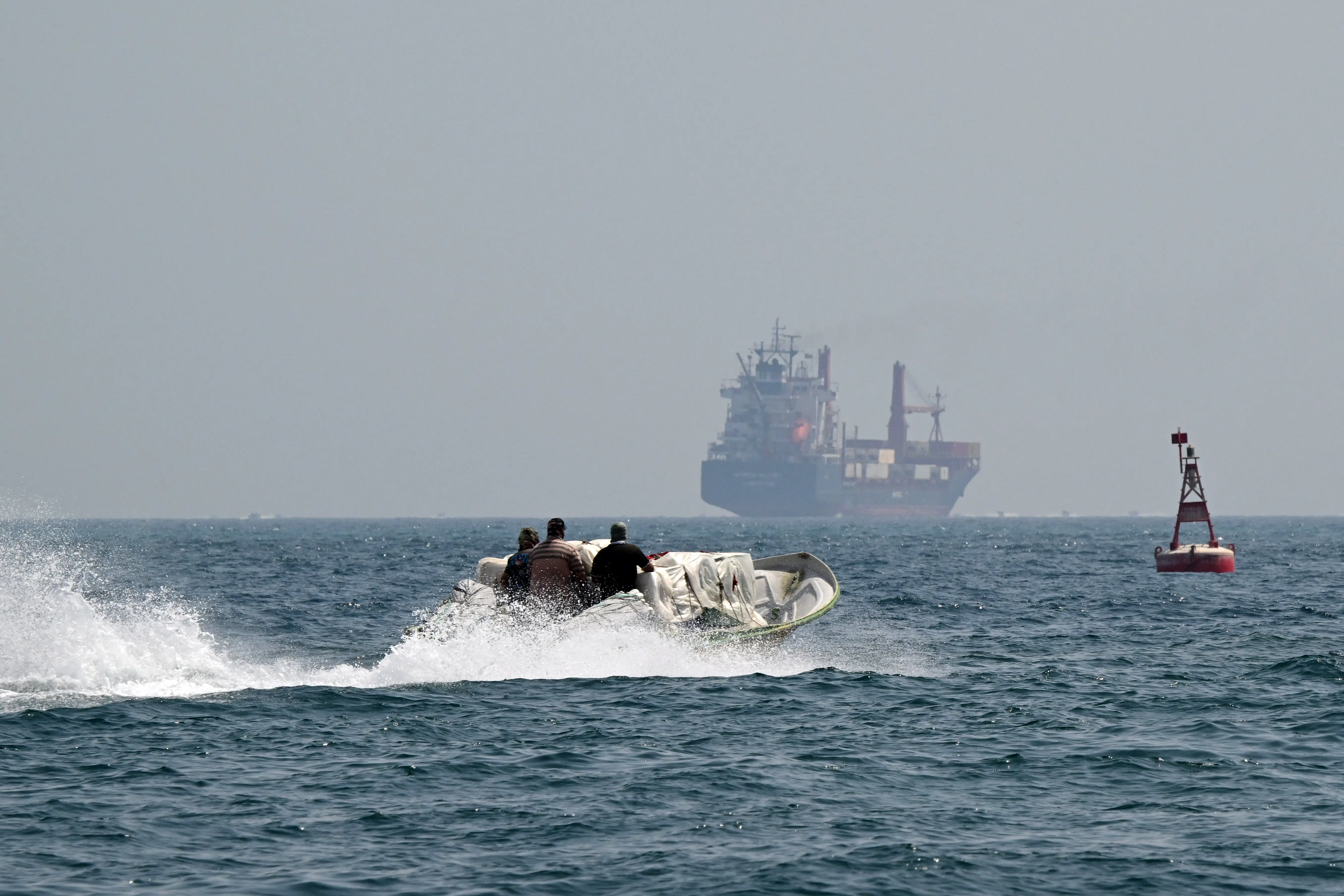
Iran’s control of the Strait of Hormuz, a critical oil shipping route, makes the Gulf a strategic flashpoint. Previous confrontations in the Strait demonstrate Tehran’s ability to threaten maritime commerce, adding weight to the US decision to project naval power in the region. In January 2012, Iran threatened to block the strait in retaliation for US and European sanctions, in fact in 2025, Iran considered shutting down the strait after US attacks on its nuclear facilities.
Carrier Deployment and Deterrence
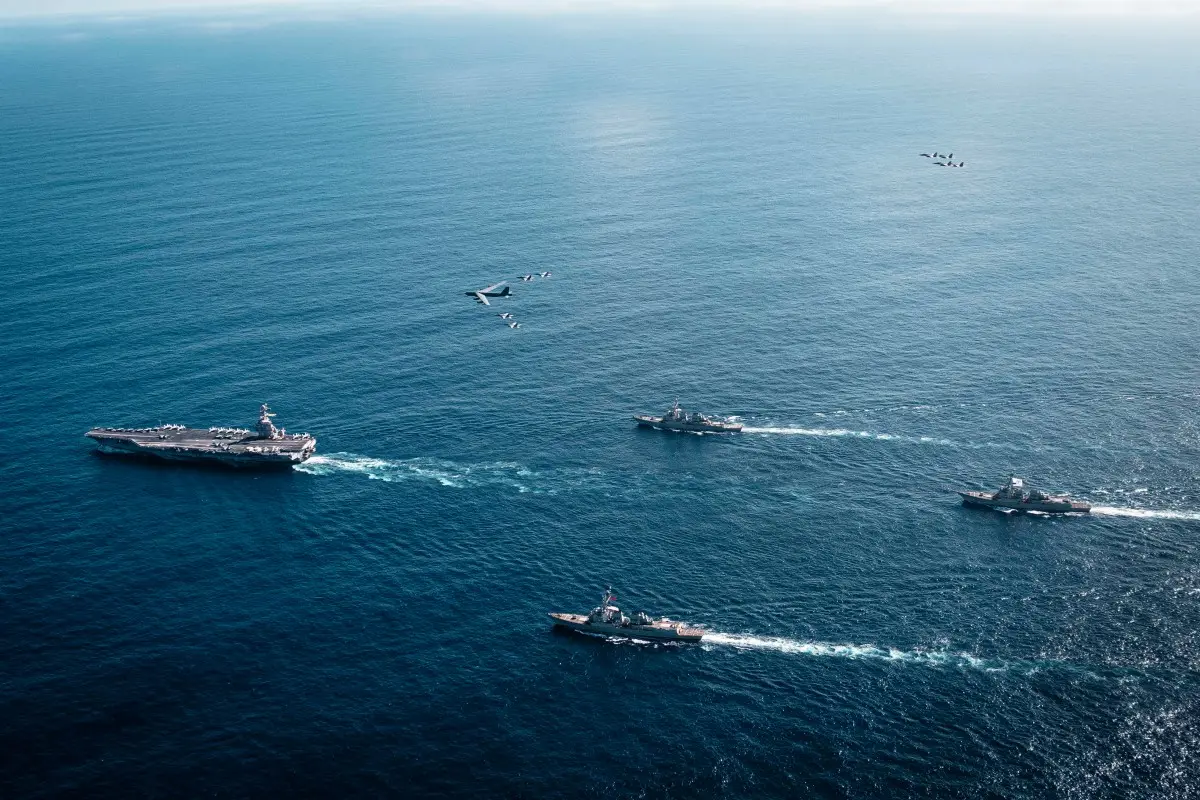
The deployment of the USS Gerald R. Ford, followed by a second carrier strike group, highlights the United States’ determination to demonstrate military readiness in the region. According to Reuters, several guided-missile destroyers, fighter jets, and surveillance aircraft that have been recently repositioned to the Middle East. Following initial talks, US President Donald Trump cautioned Tehran that failure to reach an agreement with his administration could be 'very traumatic'. Additionally, two US officials told Reuters that the military is preparing for the possibility of sustained, weeks-long operations against Iran if ordered by the President, reflecting the scale and seriousness of potential contingency planning.
Dual Strategy: Economic and Military Pressure
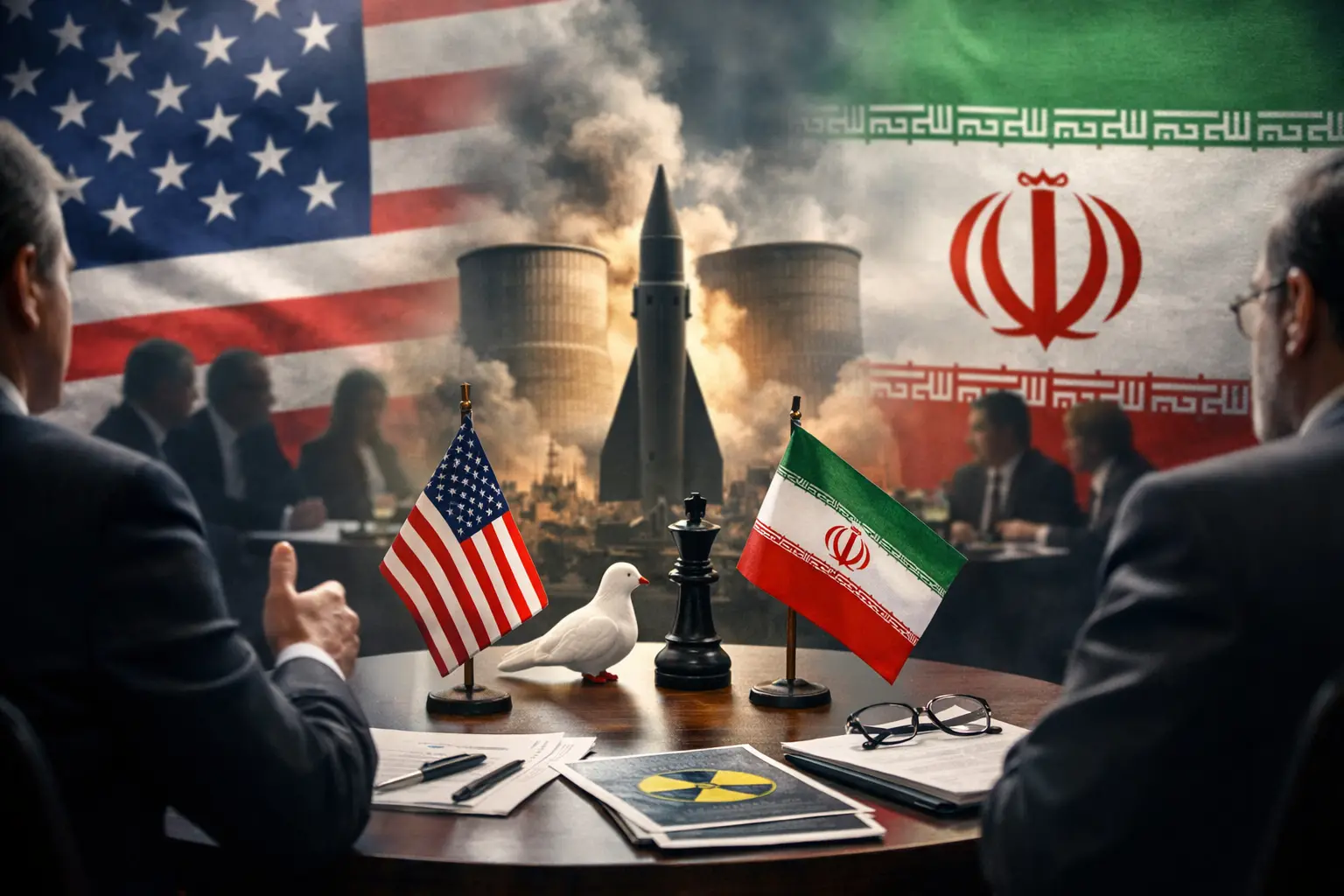
The combination of sanctions and carrier deployments forms a clear two‑front strategy. Economic sanctions are designed to constrain Iran’s resources, exerting pressure on its GDP while contributing to higher unemployment and inflation. Simultaneously, the presence of carrier strike groups acts as a visible deterrent, projecting US military power and signalling the consequences of aggressive action or failure to reach a nuclear agreement. The strategy appears to be having an effect as Iran's deputy Foreign Minister has indicated a willingness to consider compromises in nuclear talks if the United States is prepared to discuss lifting sanctions.
Implications for Diplomacy
While pressure continues, economic leverage and the threat of force could bring Iran to negotiate in earnest. Tehran’s cautious flexibility on nuclear matters suggests diplomacy remains possible, but Washington’s dual strategy ensures it retains both leverage and rapid response capability.
)
)
)
)
)