Sanctions, oil and a shared enemy: What really drives the Iran–Venezuela bromance

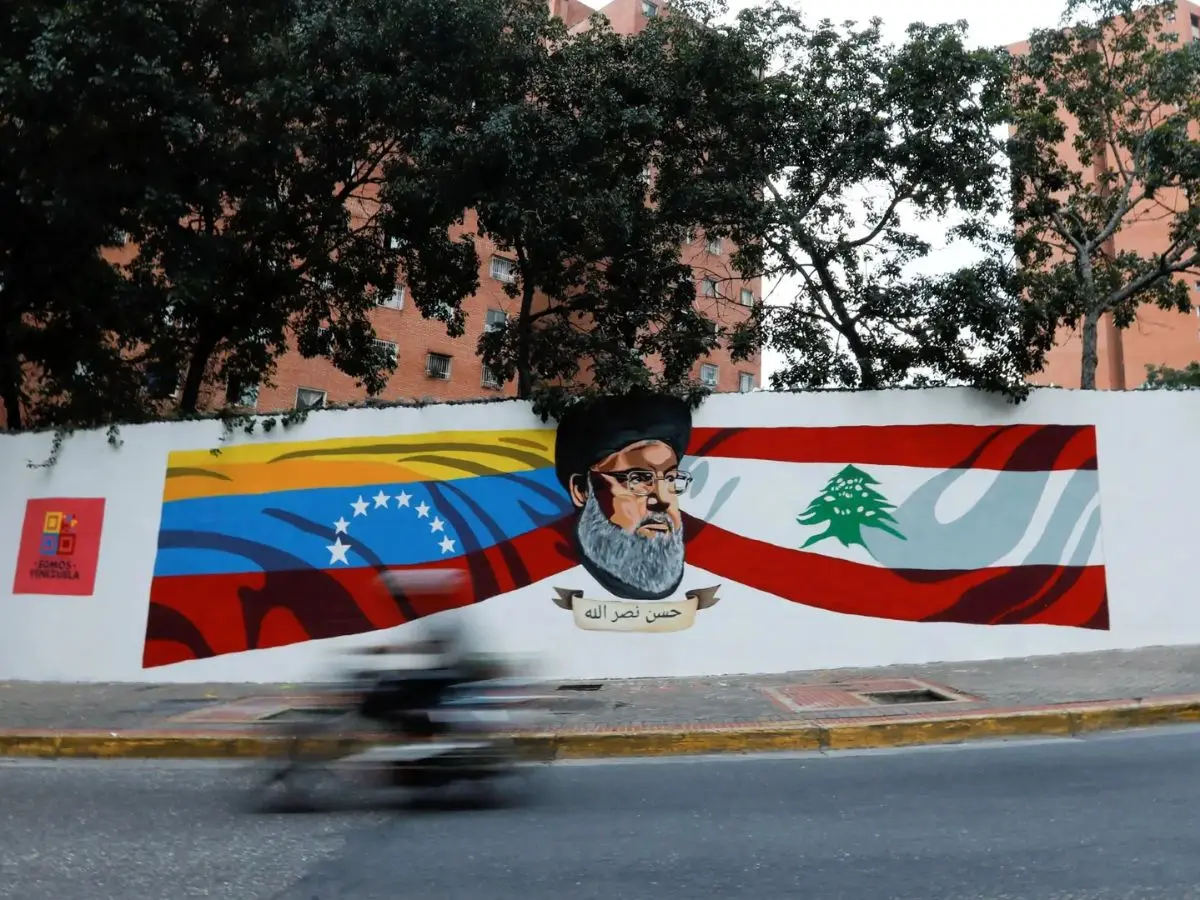
The relationship between Iran and Venezuela goes far beyond casual diplomatic engagement: it reflects two sanctioned states forging ties to counter Western economic and political pressure.
Trump calls for new Iran leadership
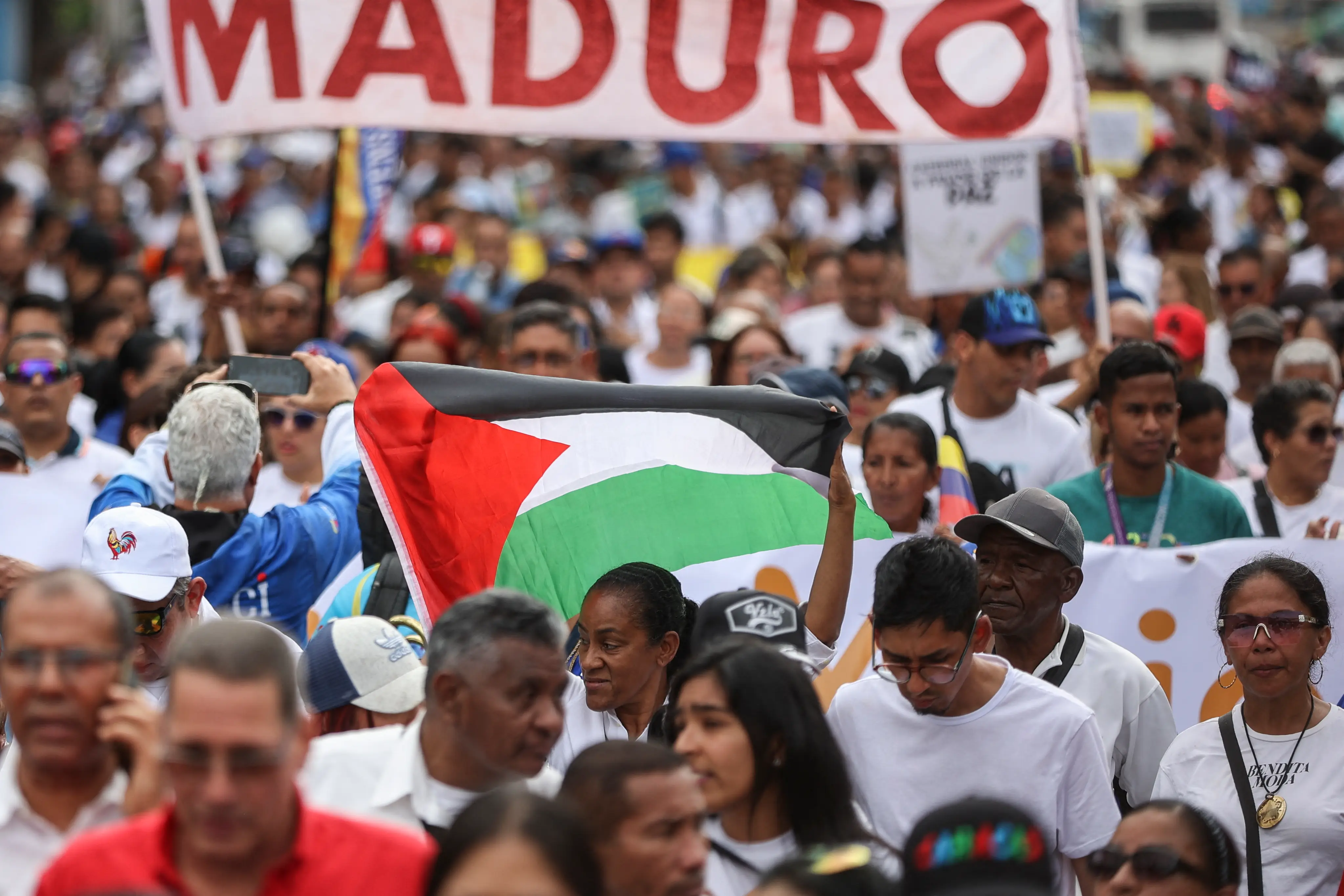
In a recent address, Supreme Leader Ayatollah Ali Khamenei dismissed the deadly Iran protests as “an American plot”, accusing the United States of orchestrating unrest and backing protesters, and criticising US President Donald Trump’s support for the demonstrators. In response, Trump intensified his rhetoric, calling for an end to Khamenei’s nearly four-decade rule and saying it was ‘time to look for new leadership’ in Iran. Earlier on January 3, the United States carried out a military operation in Venezuela that resulted in the capture of Nicolás Maduro, prompting strong condemnation from Tehran as a violation of Venezuelan sovereignty and international law. The episode highlighted the depth of Iran’s alignment with Caracas, and raised the question of what truly drives the Iran–Venezuela partnership.
A strategic alliance born of shared pressures
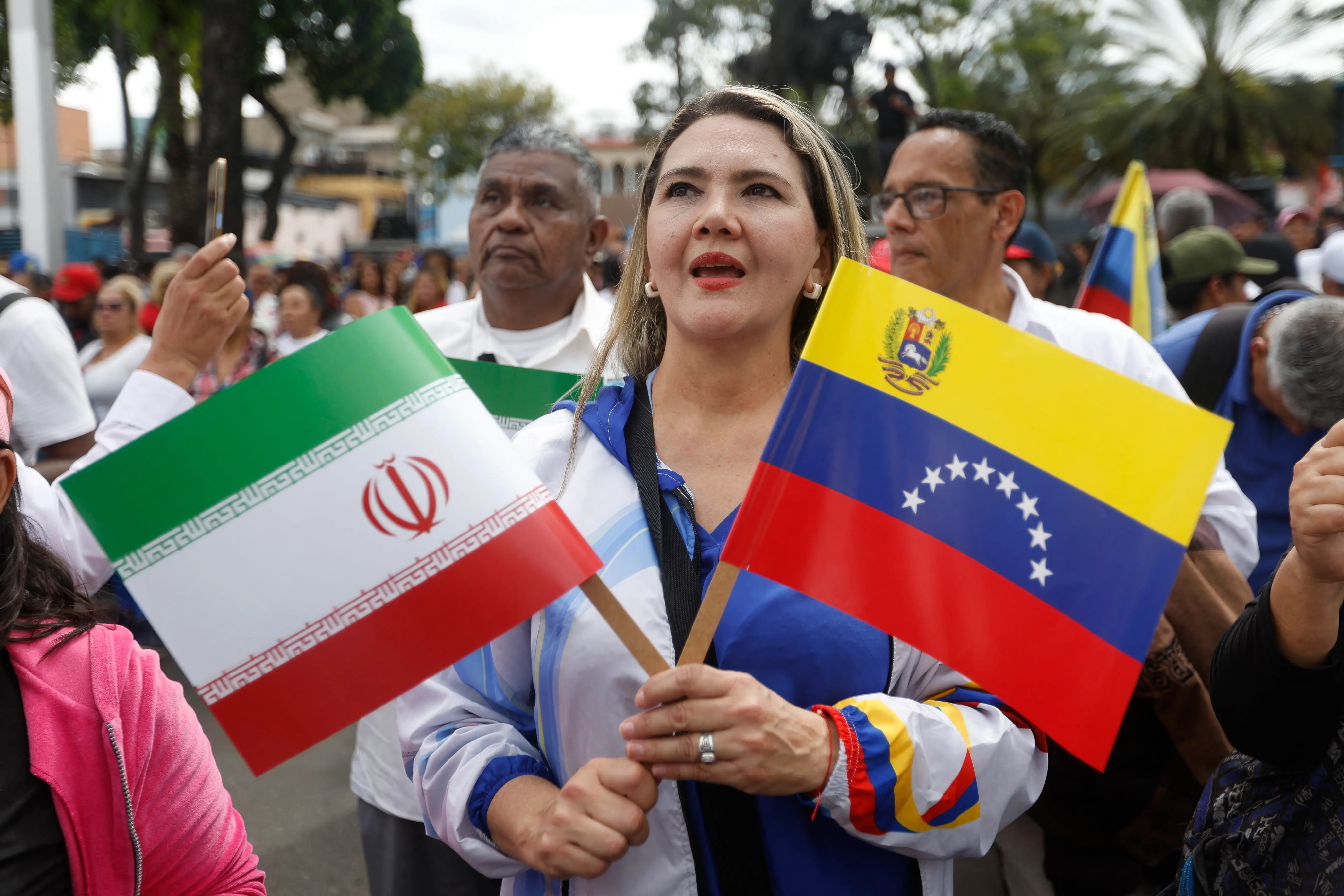
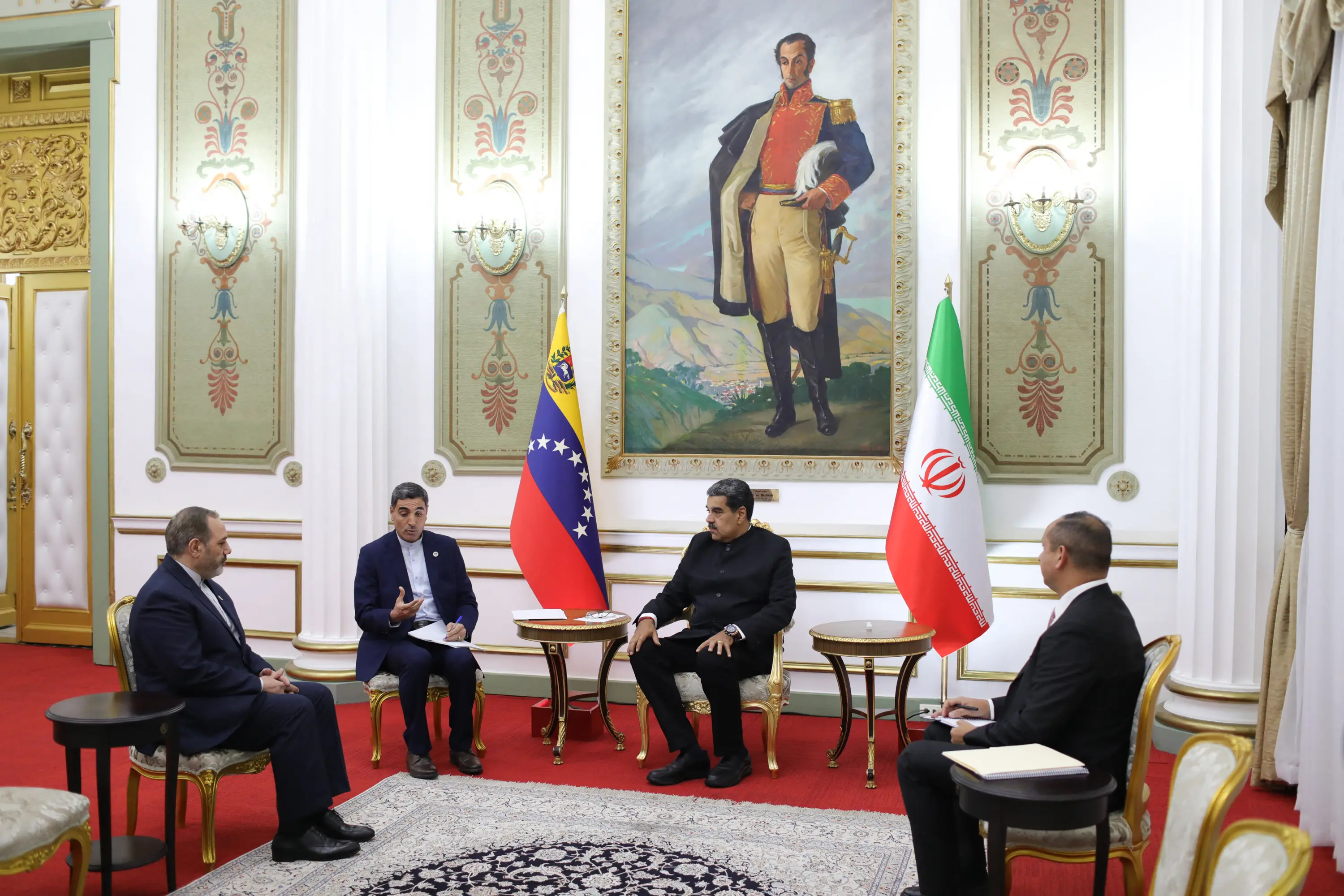
The relationship between Iran and Venezuela goes far beyond casual diplomatic engagement: it reflects two sanctioned states forging ties to counter Western economic and political pressure. Both Tehran and Caracas have long been targets of US sanctions and diplomatic isolation, and this shared predicament has helped solidify cooperation on multiple fronts. Iran and Venezuela are founding members of OPEC and have had a bilateral relationship since before Iran’s 1979 revolution. The ties deepened under Venezuelan leaders Hugo Chávez and his successor Nicolás Maduro, building on decades of political and economic engagement.
From oil trade to diplomatic solidarity
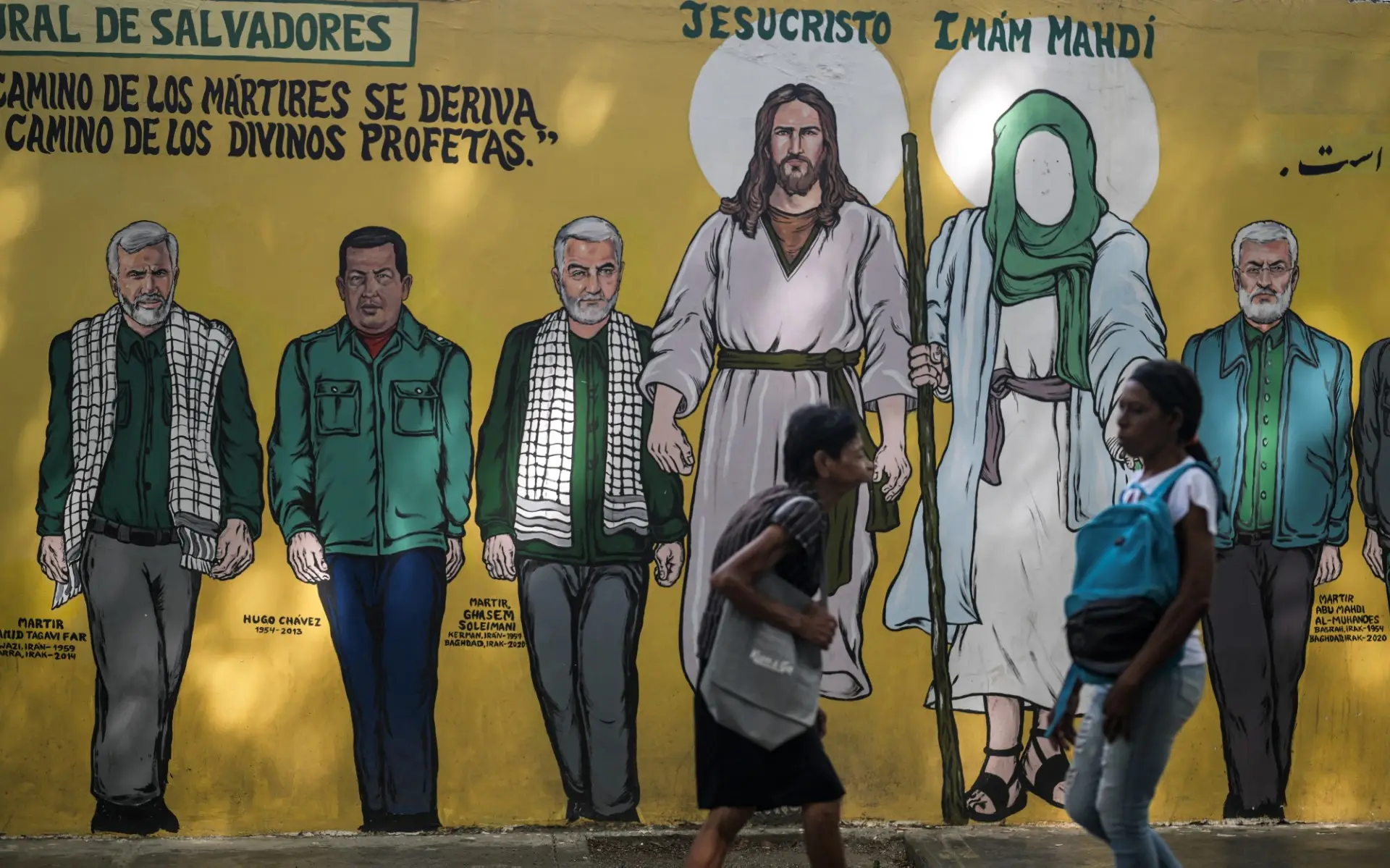
The Iran–Venezuela relationship intensified in the early 2000s when Hugo Chávez cultivated closer ties with Tehran as a demonstration of resistance to US influence. According to the Center for Strategic and International Studies, between 2001 and 2013, the two states signed an estimated 300 bilateral agreements covering sectors such as housing, industry and agriculture, and Tehran dispatched oil shipments to alleviate Venezuela’s acute fuel shortages in the face of economic crisis and sanctions.
Major Iranian Arms importer
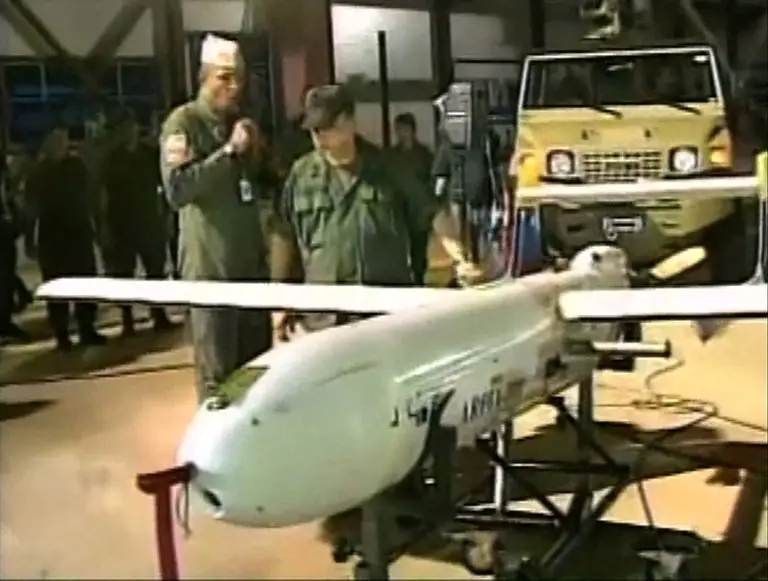
Iran and Venezuela have maintained military cooperation on unmanned aerial vehicles (UAVs) for nearly two decades, centred on Iranian-designed Mohajer drones that Caracas assembles and operates domestically. Since 2006, Tehran has supplied Mohajer-series UAVs produced by Iran’s Qods Aviation Industries (QAI), with Caracas re‑branding them as ANSU-series drones. Additionally, according to the 2024 SIPRI report, Venezuela emerged as Iran’s second-largest recipient, accounting for 11 per cent of the country's total exports.
Economic cooperation under sanctions
Sanctions have been both a driver and a constraint on this relationship. Venezuela, struggling with declining oil output and refinery capacity, has relied on Iranian support to maintain its energy sector.
A foothold in the Western Hemisphere
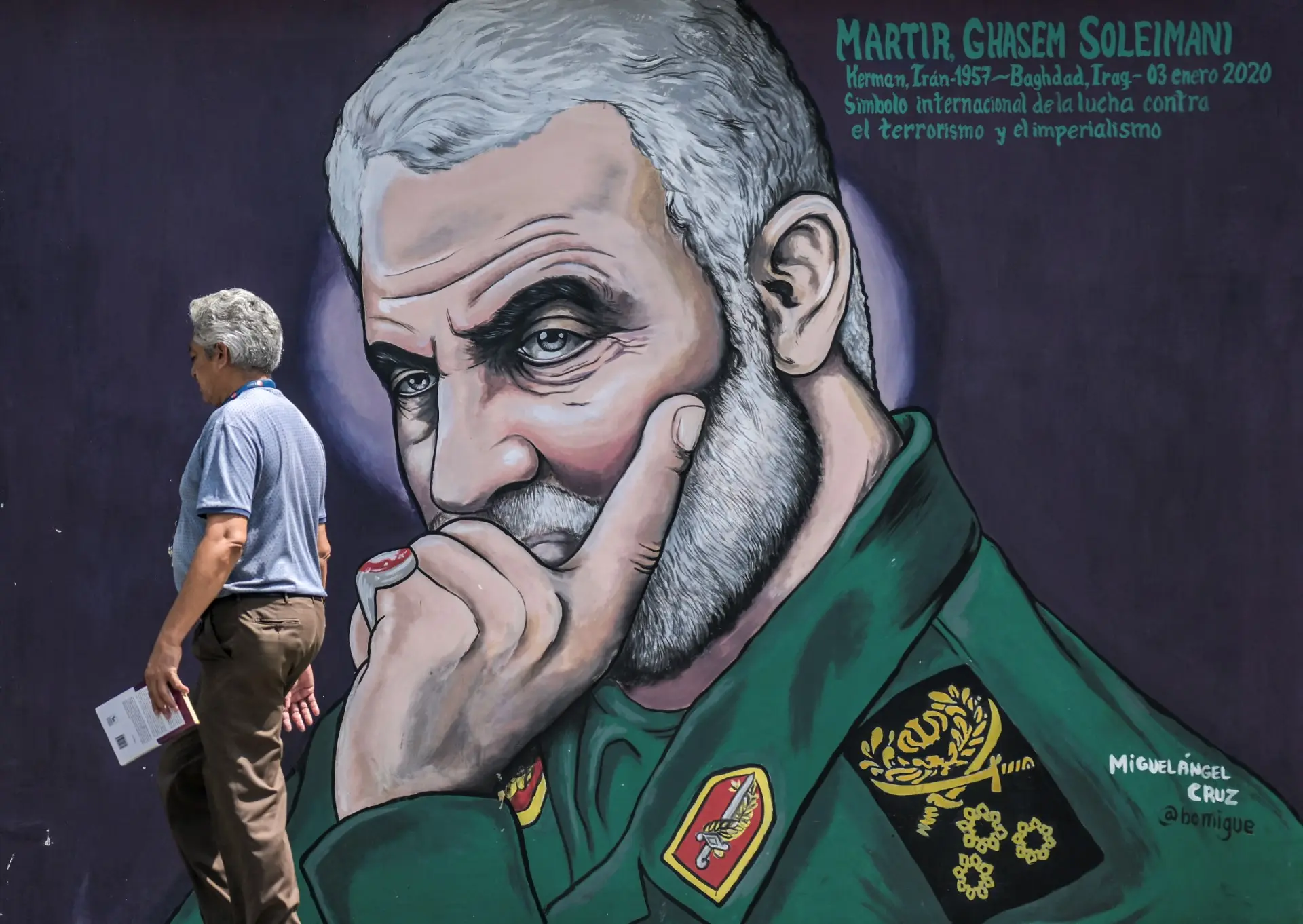
For Iran, Venezuela represents a rare strategic foothold in the Americas. Atlantic Council analysts note that Caracas has provided space not only for state-level cooperation but also for Iran-aligned actors such as Hezbollah. Iranian proxies have reportedly established networks within Venezuelan economic and social structures, offering Tehran an extended reach far from its core Middle Eastern theatre.
Proxies, crime networks and financial flows
Beyond official state diplomacy, Iran and Venezuela have engaged in informal and illicit economic exchanges. Gold smuggling and shadow oil shipments have been cited as means of moving value between the two countries to support their economies and finance allied networks. These channels have been exploited to fund proxy organisations and provide hard currency in environments where conventional banking relations are cut off.
Maduro’s capture and the signal to Tehran
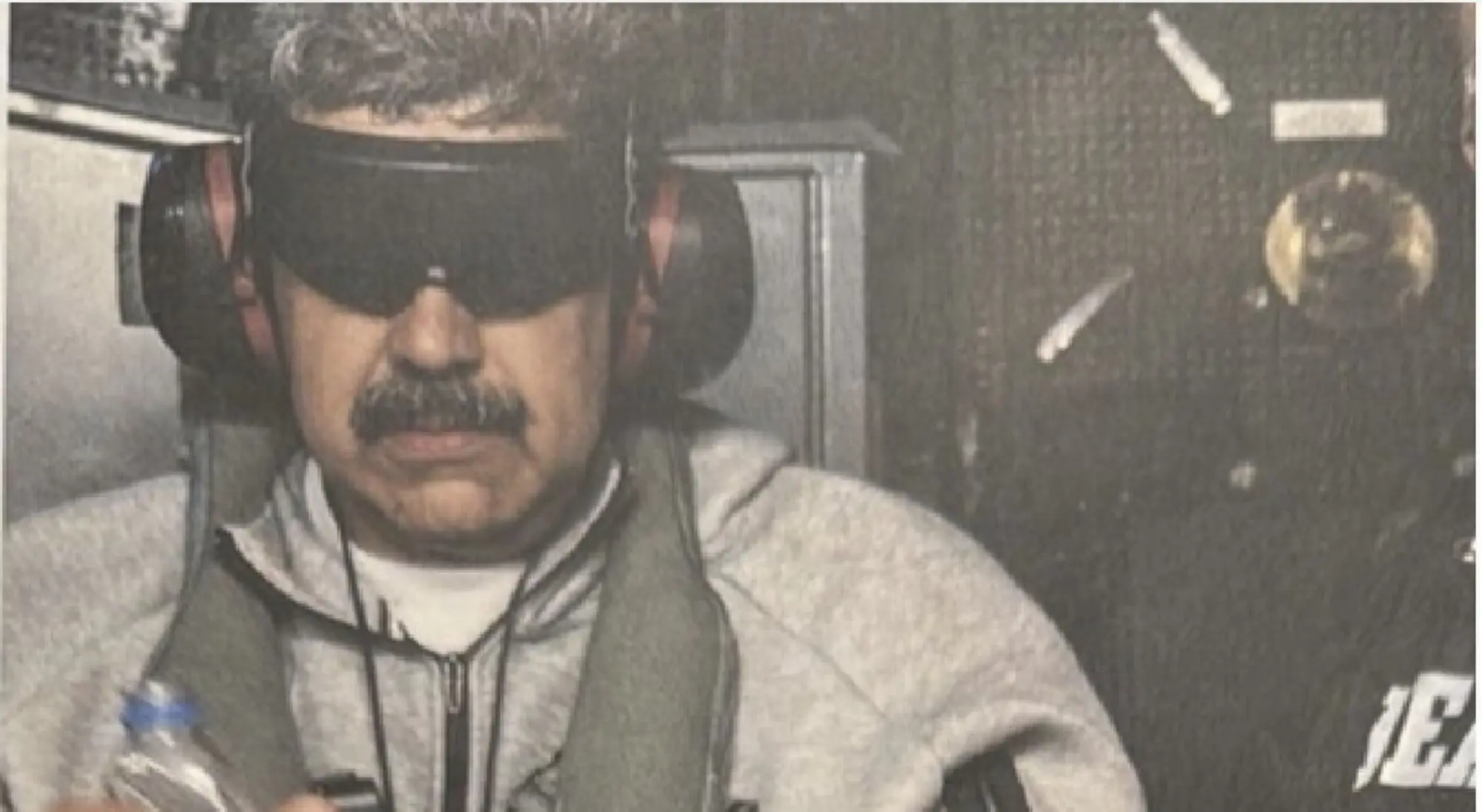
The US capture of Venezuelan President Nicolás Maduro in January 2026 reverberated in Tehran, not just for its immediate political impact but for what it signalled about US willingness to act decisively against sanctioned leaders. While the legal basis for the operation rested on longstanding indictments and sanctions authorities, Atlantic Council experts argue that the episode could unsettle Iranian strategic assumptions about the limits of US action, reinforcing the geopolitical dimension of the Caracas–Tehran connection.
)
)
)
)
)