Sanctions, inflation and economic crisis: Why cryptocurrency use is surging inside Iran

According to analysis by a blockchain analytics firm, Chainalysis, Iran’s on-chain crypto ecosystem processed more than $7.78 billion in activity in 2025, up sharply from the previous year.
Surging crypto activity amid economic pain
As Iran’s economy struggles under US sanctions, rising inflation and the collapse of the rial, many Iranian citizens are now turning to cryptocurrencies as an alternative store of value and mechanism for moving money outside the state-controlled financial system. According to analysis by a blockchain analytics firm, Chainalysis, Iran’s on-chain crypto ecosystem processed more than $7.78 billion in activity in 2025, up sharply from the previous year. This surge shows how digital assets have become a financial lifeline for an economy in the face of sustained economic stress.

Crypto as a response to currency collapse
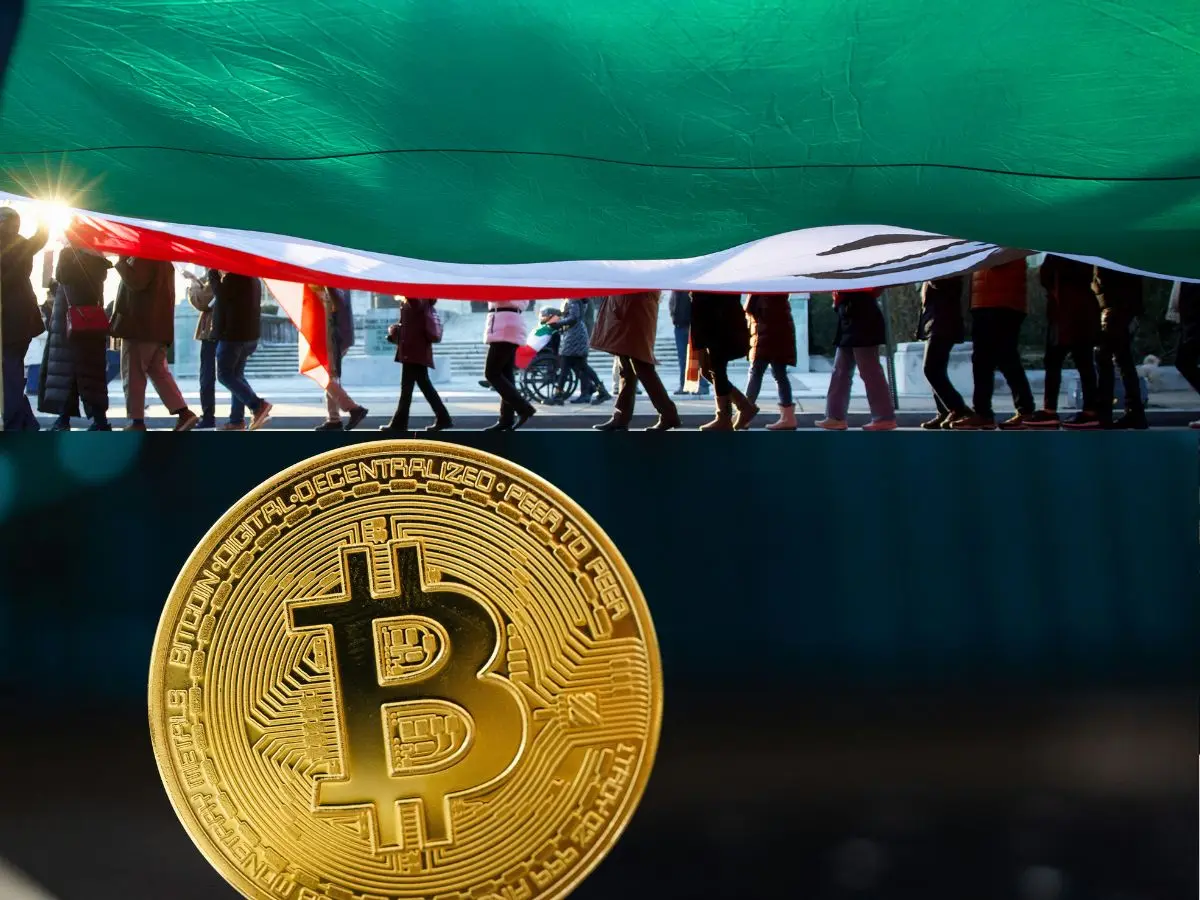
Beginning on December 28, street demonstrations rocked across multiple cities in Iran against the Islamic Republic government and a deepening economic crisis, marked by rampant inflation and currency collapse. Iran's rial currency has lost nearly half its value against the dollar in 2025, with official inflation reaching 42.5 per cent in December. Today the situation is such that $1 is worth 1.07 million rials. As traditional savings seem to erode, ordinary Iranian citizens have increasingly withdrawn Bitcoin and other assets from local exchanges into unattributed personal Bitcoin (BTC) wallets, using crypto to preserve purchasing power and retain financial autonomy.
Blockchain spikes with unrest and blackouts
Iran’s recent wave of nationwide protests, which began in late December 2025, has been accompanied by spikes in crypto activity, especially during internet blackouts. Chainalysis data shows significant increases in Bitcoin transfers to personal wallets between December 28, 2025 and January 8, 2026, a period of heightened instability and state shutdowns of online services.
Bitcoin as financial refuge and resistance
For many Iranians, Bitcoin is not merely an asset but a financial tool during crisis, offering a form of resistance to economic controls and currency depreciation. Blockchain patterns in Iran mirror trends seen in other countries facing instability, where individuals use crypto to escape capital controls and retain liquidity when trust in state-run systems collapses.

The IRGC’s expanding crypto footprint
The surge in crypto activity is not limited to civilians. Funds linked to the Islamic Revolutionary Guard Corps (IRGC) accounted for around 50 per cent of total on-chain transaction value in late 2025, with receipts growing from about $2 billion in 2024 to more than $3 billion in 2025. Analysts note that these figures likely understate the true scale, as many sanctioned wallets and intermediary addresses remain unidentified.

Sanctions evasion and cross-border flows
Western authorities believe that the IRGC and other state-linked actors use crypto not only domestically but also to bypass sanctions, move funds across borders and support regional operations. This adds a geopolitical dimension to Iran’s crypto boom, as digital assets become enablers of sanctions-resilient finance.
A fractured financial landscape
Iran’s growing reliance on cryptocurrencies reflects broader structural pressures: a weakened currency, limited access to global financial networks, and domestic unrest have combined to push individuals and institutions alike toward decentralized finance. As the economic crisis deepens, crypto may remain both a refuge for savers and a tool for actors seeking to navigate sanctions and capital controls
)
)
)
)
)