S-500 vs THAAD vs Patriot: Where does Russia’s defence system really stand?

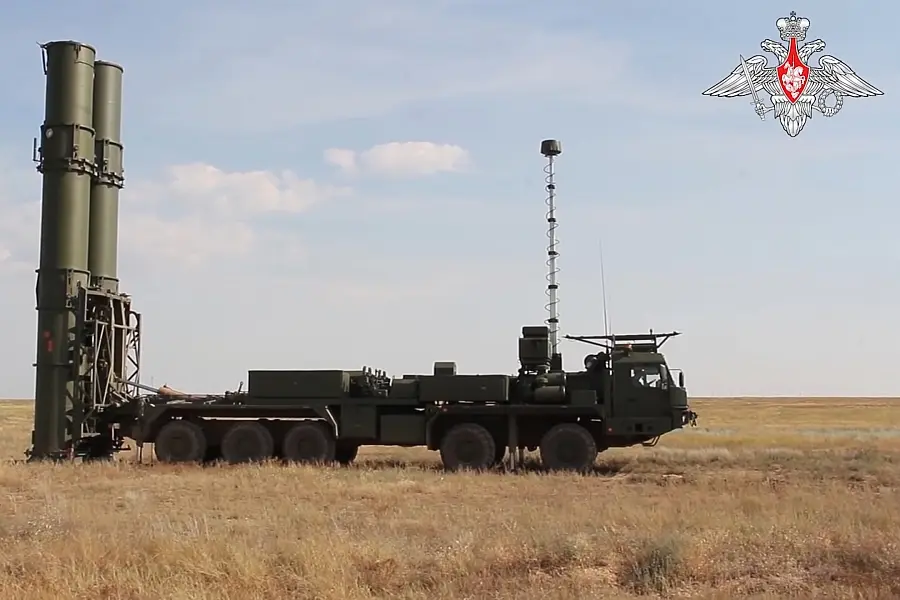
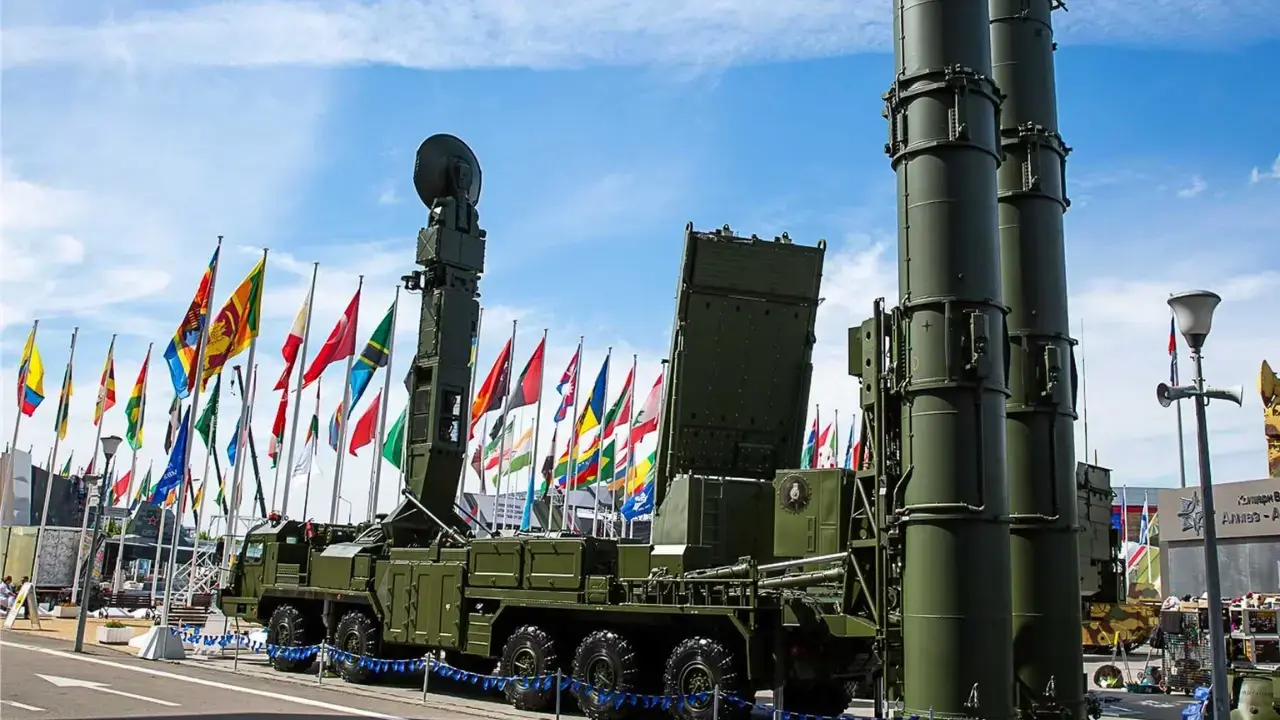
Russia claims the S-500 can engage targets at distances up to 500 to 600 kilometres depending on the missile variant, making it one of the longest-range systems on paper.
1. Mission roles of the three systems
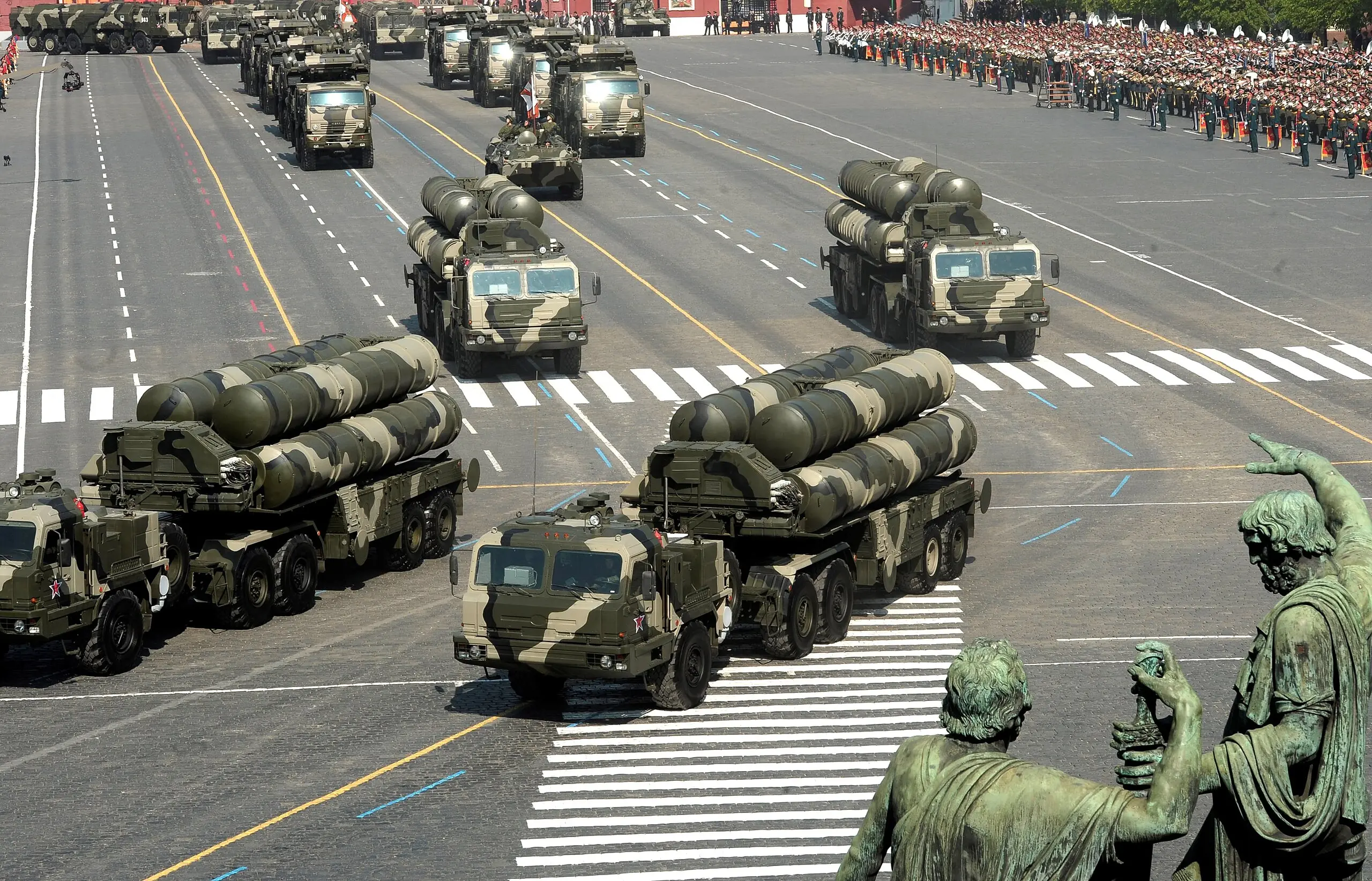
The S-500, THAAD and Patriot serve overlapping but fundamentally different missions. The S-500 is designed as Russia’s upper-tier air and missile defence layer, focused on high-altitude threats such as ballistic missiles and potentially hypersonic weapons. THAAD, operated by the United States, is built exclusively for intercepting medium-range ballistic missiles during terminal flight in the upper atmosphere. Patriot PAC-3 is a lower-tier system designed primarily for aircraft, drones, cruise missiles and short-range ballistic missiles. They do not compete directly; instead, they represent three different philosophies of layered defence.
2. Engagement altitude comparison
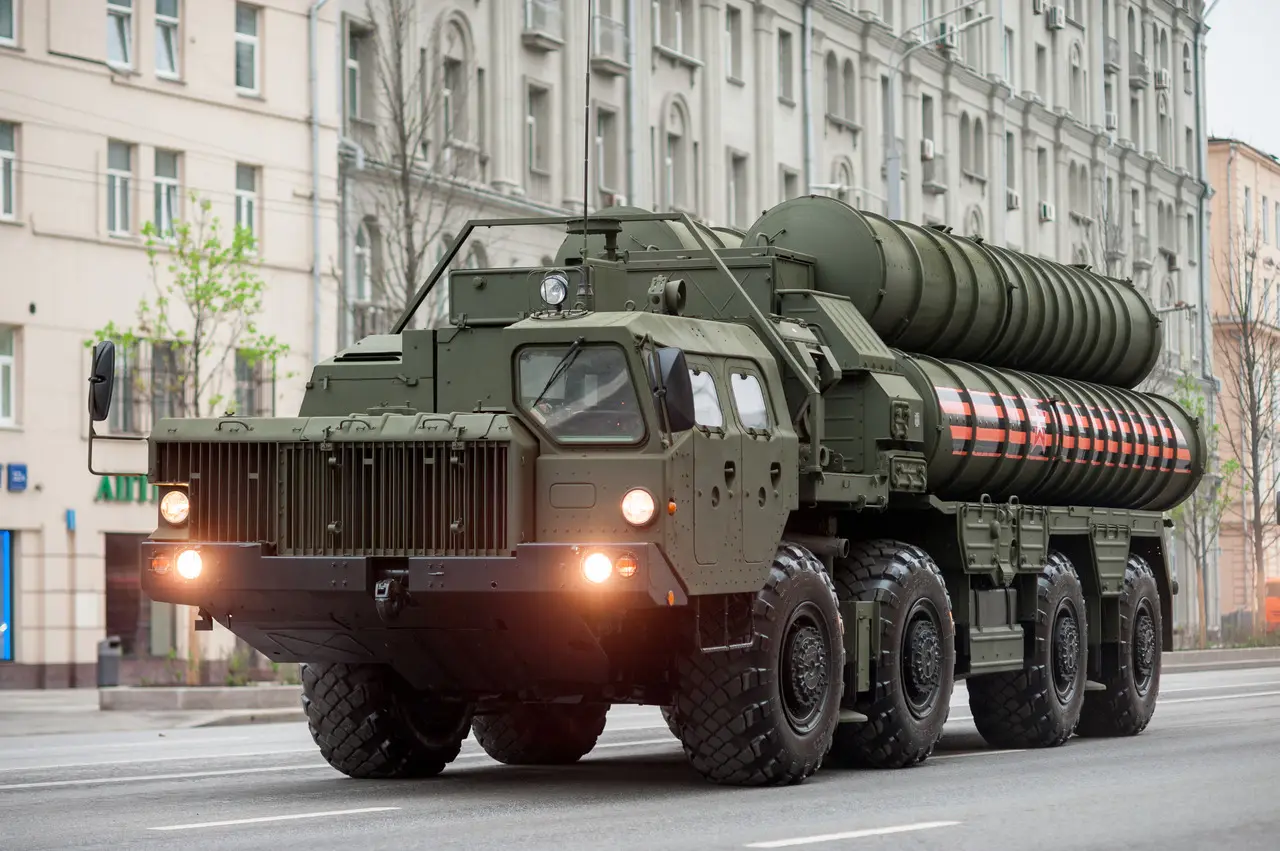
THAAD has the most verified high-altitude intercept capability, proven to operate between roughly 40 and 150 kilometres altitude. Russia claims the S-500 can engage targets at altitudes of 100 to 200 kilometres, reaching the lower edge of space, but these figures have not been independently validated. Patriot PAC-3 operates far lower, generally below 35 kilometres. In simple terms, THAAD has the highest proven ceiling, S-500 claims the largest theoretical altitude envelope, and Patriot provides atmospheric protection closer to the ground.
3. Threat types each system is designed to counter
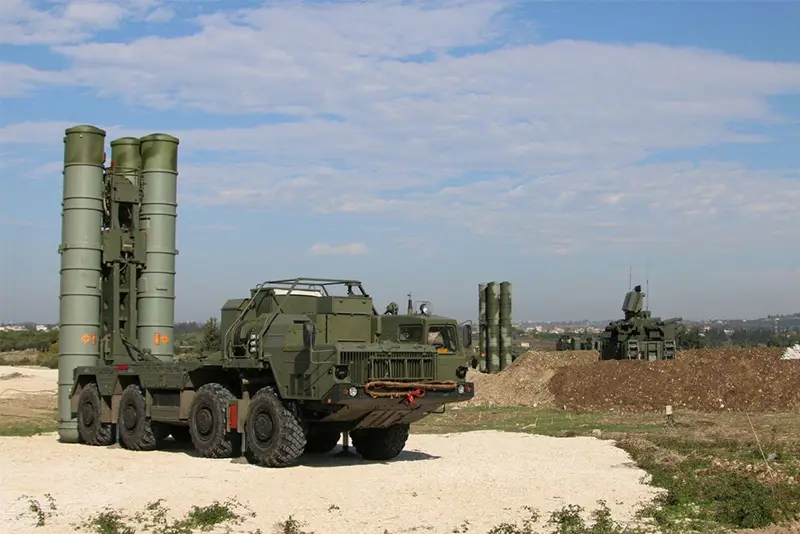
The S-500 is advertised to intercept ballistic missiles, hypersonic glide vehicles, high-speed aerodynamic targets and some high-altitude objects. THAAD is purpose-built for medium-range ballistic missiles in their final approach phase and offers little utility against aircraft or cruise missiles. Patriot PAC-3 excels at engaging aircraft, drones, cruise missiles and short-range ballistic missiles but lacks the altitude and tracking capability required for higher-end ballistic threats. This makes the S-500 the widest on paper, THAAD the most specialised and Patriot the most versatile at lower altitudes.
4. Radar and tracking capability
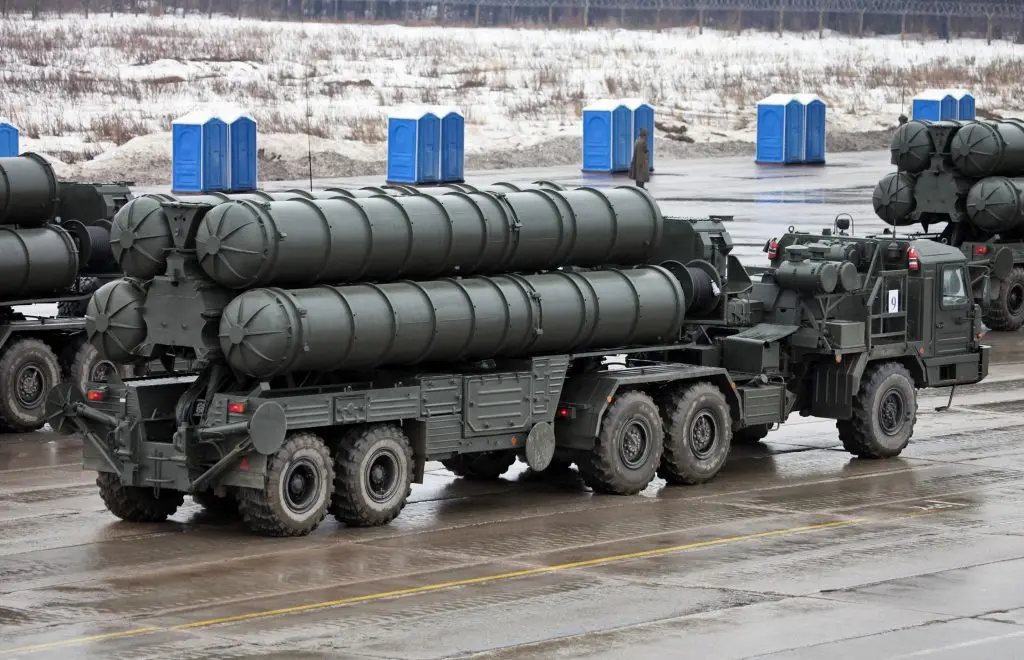
The S-500 employs a family of multi-band phased-array radars intended to detect and track fast, high-altitude threats at long distances. THAAD uses a powerful X-band radar with exceptional tracking accuracy for ballistic-missile trajectories, widely regarded as one of the most precise systems of its type. Patriot’s radar has been modernised over time but provides narrower sector coverage compared to the other two. Overall, THAAD possesses the most validated ballistic-tracking radar, while the S-500’s radar suite remains largely untested in real combat.
5. Engagement range and reach
Russia claims the S-500 can engage targets at distances up to 500 to 600 kilometres depending on the missile variant, making it one of the longest-range systems on paper. THAAD has a much shorter range, roughly up to 200 kilometres, because its mission is high-altitude interception rather than long-range air defence. Patriot PAC-3’s engagement range typically falls between 35 and 100 kilometres. In terms of advertised reach, the S-500 stands highest, but THAAD remains the most field-proven in actual missile interception scenarios.
6. Combat testing and real-world performance
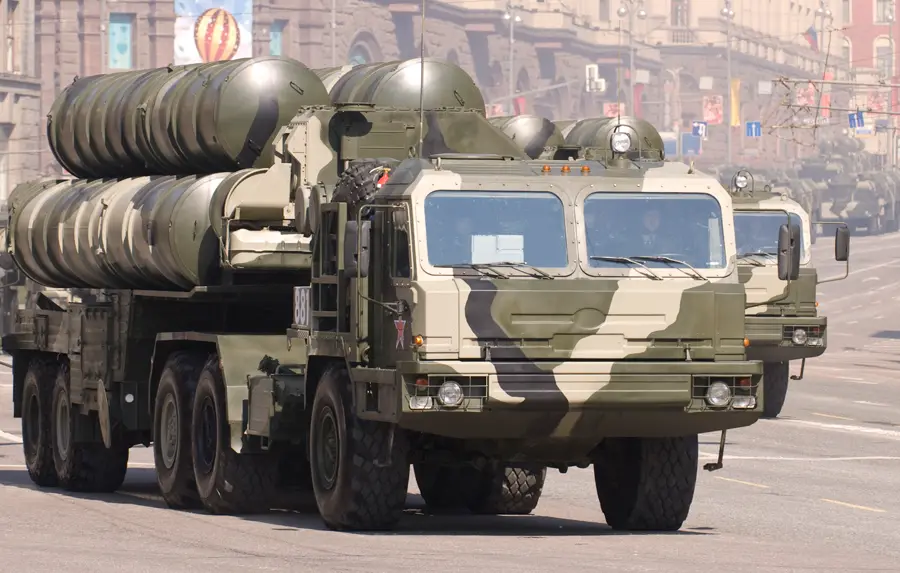
Patriot and THAAD have both undergone extensive combat use and field testing. Patriot systems have intercepted aircraft, drones and ballistic missiles in conflicts across Ukraine, Iraq, Israel and the Gulf. THAAD has confirmed operational intercepts and highly transparent test data. The S-500, in contrast, has entered limited Russian service but has not been used in combat, and no publicly verified interception tests have been released. This places S-500 in a developing category, with many of its claimed capabilities yet to be independently proven.
7. Overall standing in global comparison
Based on publicly available facts, the S-500 is the most ambitious system in terms of claimed capability, covering the widest theoretical threat envelope. THAAD remains the most proven high-altitude ballistic defence system with the strongest combat-tested record. Patriot PAC-3 is the most flexible lower-tier system and the most widely used in real-world engagements. In global ranking, S-500 shows the greatest potential but the least verification, THAAD stands as the most reliable for high-altitude ballistic defence, and Patriot continues to dominate the lower and mid-tier layers.
)
)
)
)
)