S-400 vs Patriot: How Russia’s missile system compares with the US air defence giant

Even with limited publicly available information, the Russian S‑400 Triumf and the US Patriot PAC‑3 are often compared due to their strategic roles.
Introduction: Two Titans of Air Defence
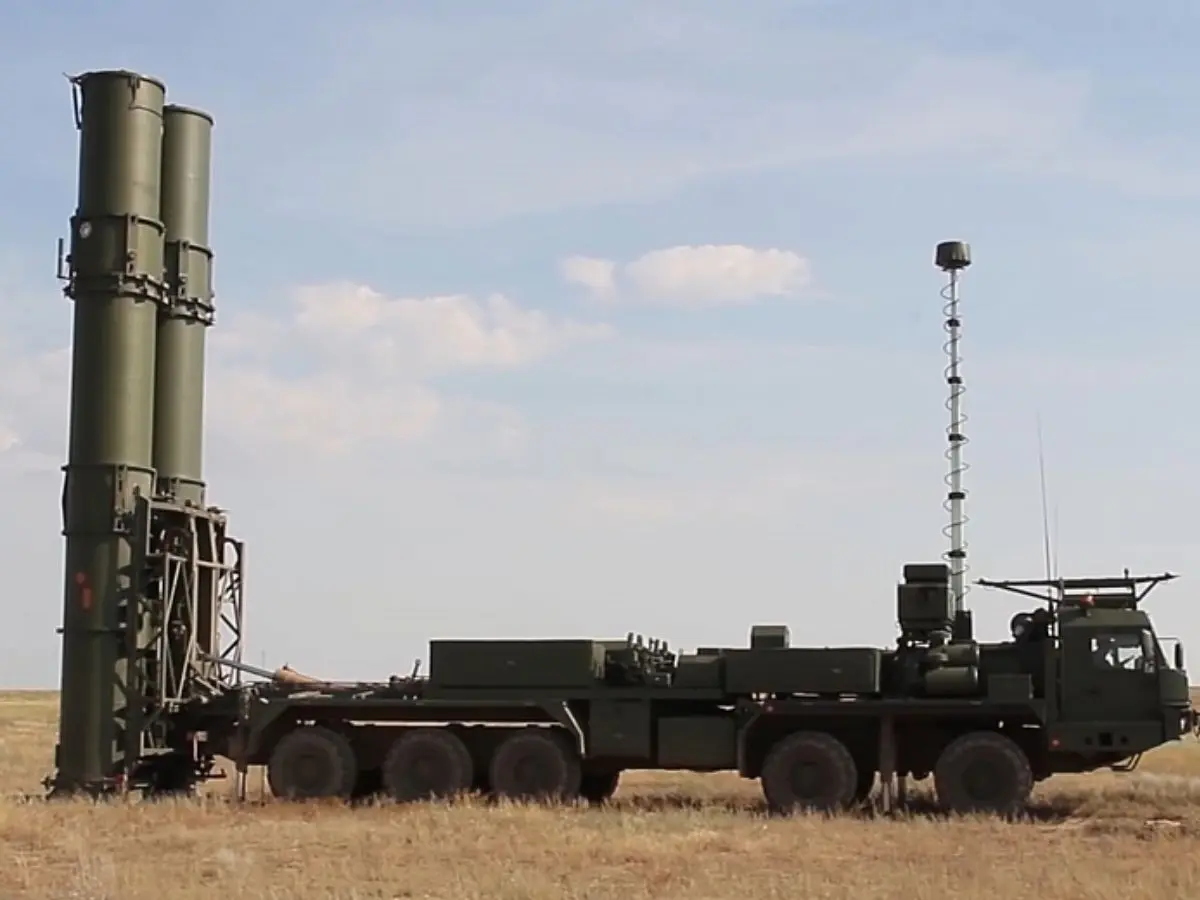
Modern air defence relies on advanced missile systems capable of countering aircraft, cruise missiles, drones, and ballistic threats. Even with limited publicly available information, the Russian S‑400 Triumf and the US Patriot PAC‑3 are often compared due to their strategic roles. According to Wikipedia, the S‑400 deploys a layered missile array, allowing it to engage multiple threats simultaneously, while the Patriot focuses on protecting key assets with a mobile medium-range defence network.
The S‑400 Triumf: Long-Range, Multi-Role Defence
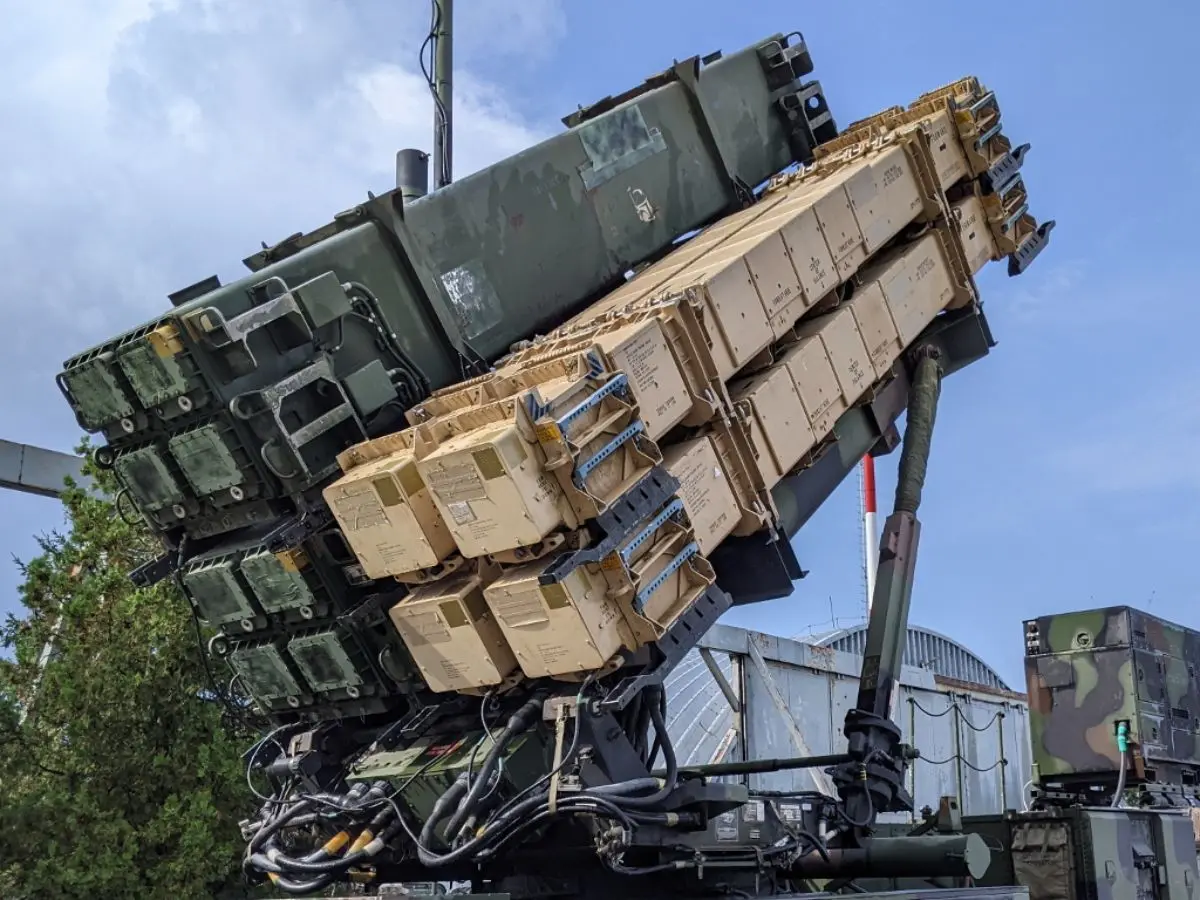
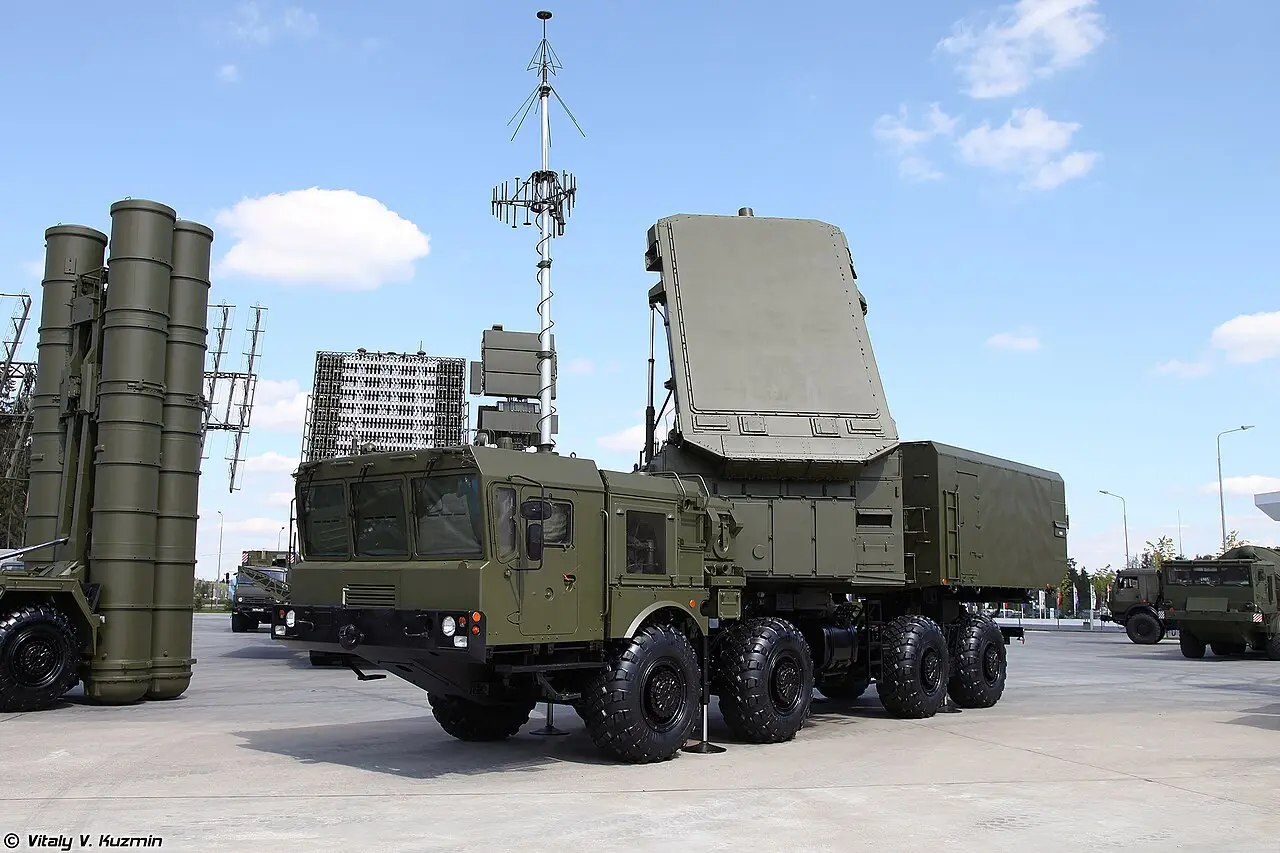
The S‑400 is a long-range surface-to-air missile system designed to detect, track, and neutralise a broad spectrum of aerial threats. Its missile arsenal includes the long-range 40N6 (up to 400 km), medium-range 48N6 variants (up to 250 km), and shorter-range 9M96E and 9M96E2 (up to 40–120 km). According to defence analysis, the system’s radar network provides continuous surveillance, target tracking, and early warning, allowing rapid engagement of multiple targets simultaneously.
Patriot PAC‑3: Medium-Range Tactical Focus
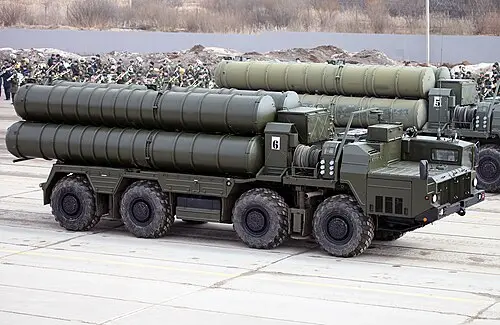
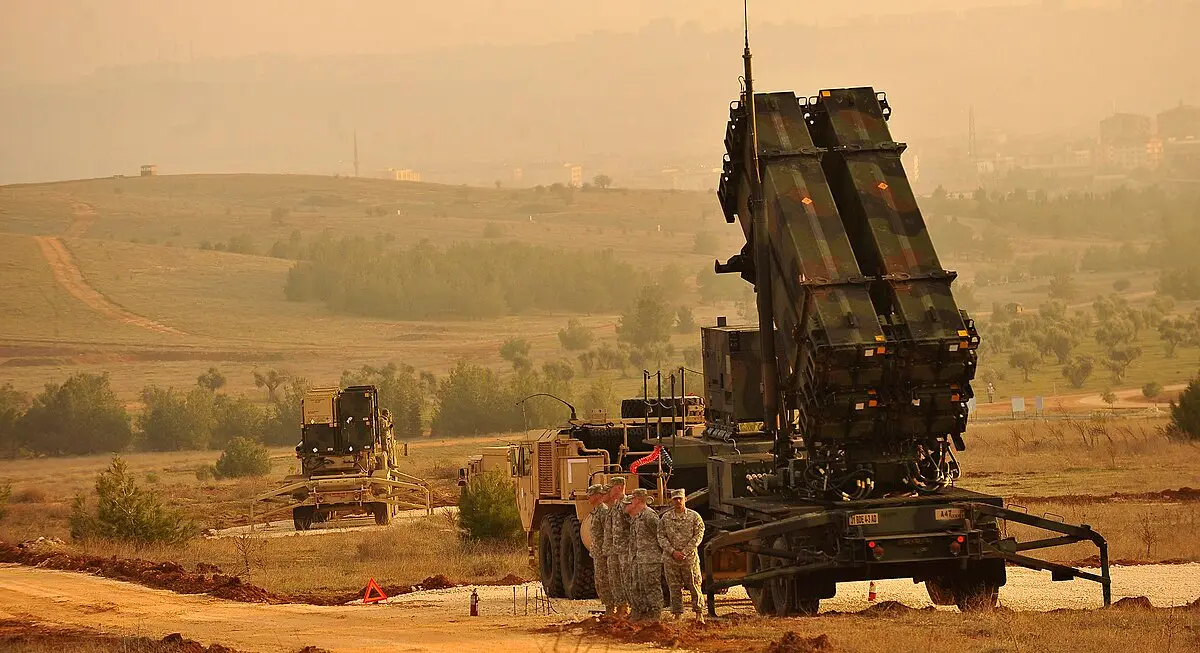
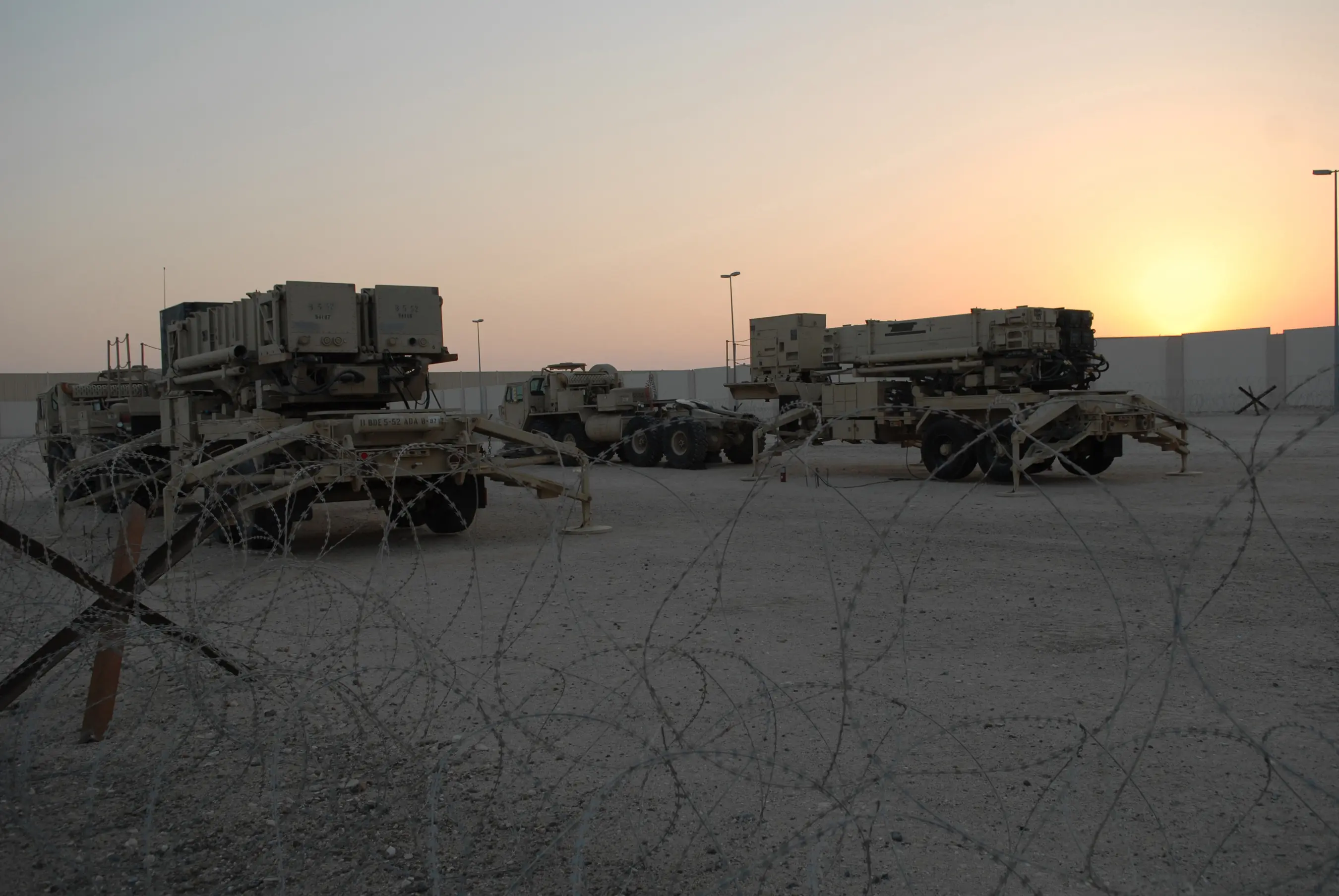
The Patriot PAC‑3 is designed primarily for tactical and regional air defence. According to US defence sources, it can intercept aircraft, cruise missiles, and tactical ballistic missiles. Its shorter engagement range compared with the S‑400 reflects its intended role in protecting military bases, critical infrastructure, and operational zones rather than providing wide-area strategic coverage.
Radar Capabilities and Target Tracking
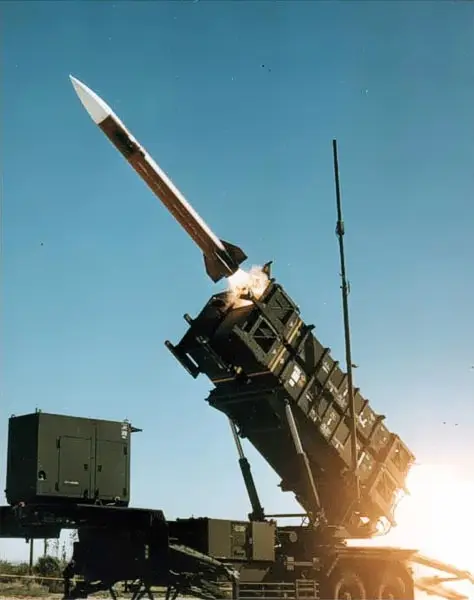
The S‑400’s radar system, including the 91N6E Big Bird and 92N6E Grave Stone radars, provides long-range detection and engagement of multiple targets at varying altitudes. According to open-source analyses, it can track multiple targets simultaneously, enabling multi-layered missile deployment. In contrast, the Patriot uses AN/MPQ‑65 radars, optimised for medium-range engagement with high accuracy against tactical threats but covering fewer simultaneous targets than the S‑400.
Mobility and Deployment
Both systems are mobile, though their operational concepts differ. The S‑400 uses transporter-erector-launchers capable of rapid repositioning, while Patriot batteries are also road-mobile and widely deployed by allied nations. According to multiple media reports, Patriot’s mobility and modular deployment make it easier to integrate with allied tactical forces.
Limitations and Operational Considerations
No system is invincible. The S‑400’s long-range advantage can be offset by electronic countermeasures and stealth aircraft, while the Patriot’s shorter range limits its strategic coverage. Operational efficiency depends on crew training, radar placement, missile availability, and integration with broader air-defence networks.
Conclusion: Complementary Roles in Modern Defence
The S‑400 and Patriot systems represent two different approaches to air defence. The S‑400 provides strategic, wide-area multi-threat coverage, while the Patriot PAC‑3 offers tactical, flexible protection for regional and asset-specific defence. Defence experts emphasise that layered deployment of such systems, rather than reliance on a single platform, provides the most effective air-defence strategy.
)
)
)
)
)