S‑400 missile system: What are the true limits of Russia’s air defence technology?

Although official information on the S‑400 air-defence system is limited, Wikipedia notes that it deploys a range of interceptor missiles: the long-range 40N6 (up to 400 km), medium-range 48N6 (up to 250 km), and shorter-range 9M96E/9M96E2 (up to 40–120 km).
Introduction — no system is invincible
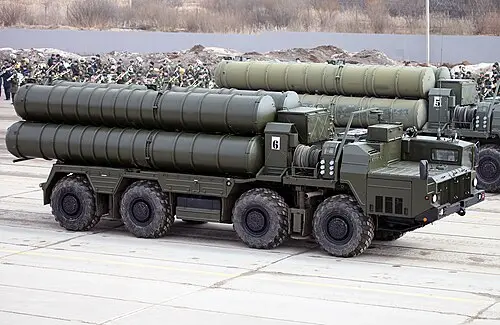
The S‑400 represents one of the most sophisticated surface‑to‑air missile (SAM) systems in the world, combining long-range missiles, advanced radars and mobile launch platforms to protect airspace. Yet even such a formidable air‑defence network has practical limitations. Recognising these constraints is essential to understanding that while the S‑400 raises the bar for aerial defence, it does not guarantee absolute immunity against all threats.
Capabilities at a glance
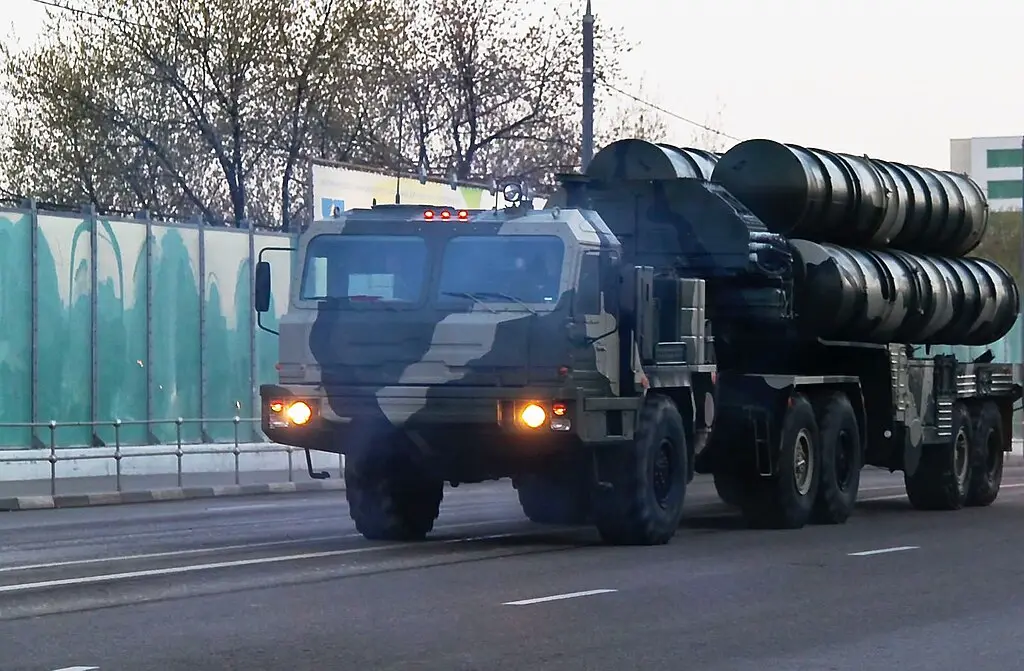
Although official information on the S‑400 air-defence system is limited, Wikipedia notes that it deploys a range of interceptor missiles: the long-range 40N6 (up to 400 km), medium-range 48N6 (up to 250 km), and shorter-range 9M96E/9M96E2 (up to 40–120 km). This layered missile mix allows the system to engage aircraft, cruise missiles, UAVs, and certain ballistic threats, while its radar network provides surveillance, target tracking, and early-warning capabilities over long distances and high altitudes.
Engagement limits: range, altitude and geometry
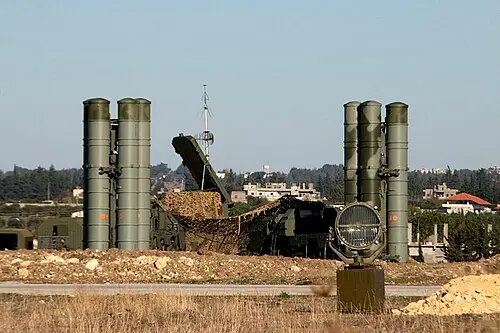
Despite its long-range missiles, effectiveness depends on radar coverage, target altitude, speed and approach vector. According to CUFI (Center for Unconventional Weapons Studies), radar detection of distant targets may not equate to a viable intercept if the target is low-flying, terrain-masked, or crossing from blind sectors. For low-altitude cruise missiles or terrain-hugging threats, the engagement envelope shrinks significantly, the '400 km range' often refers to optimal high-altitude, favourable conditions, as noted by GlobalSecurity.org.
Saturation attacks and target volume stress
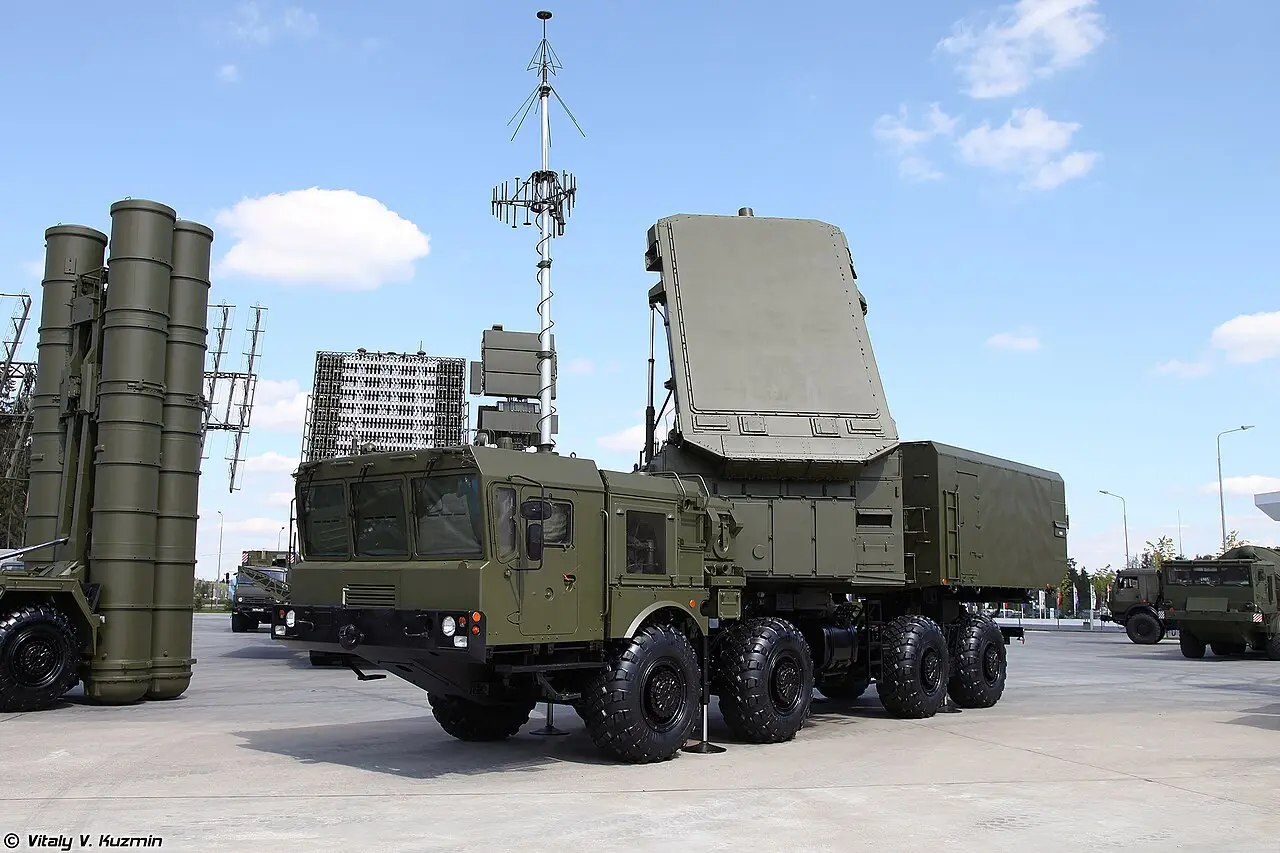
In high-intensity conflict, attackers may employ saturation tactics, launching multiple missiles, drones and decoys simultaneously. According to other unofficial sources, even though claims exist that across an eight-battalion network S‑400 formations might track many targets, real-world load on radars and command posts increases the risk of overload or delayed response. Multiple simultaneous threats can stretch engagement capacity, reducing the probability of intercept for some.
Mobility and logistics constraints
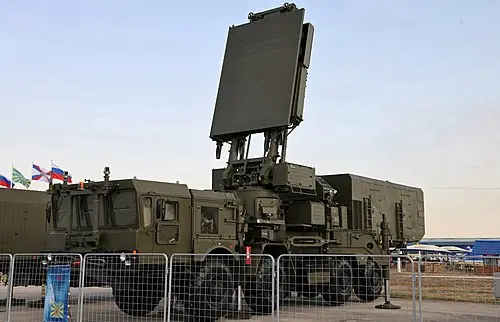
Although the S‑400 is mobile, with truck-mounted launchers and radar vehicles, effective use demands substantial logistics, maintenance, communication security and power supply support. According to LaEx analysis, frequent relocation improves survivability, but repeated moves under combat conditions strain resources and readiness. Loss or malfunction of radar or command elements severely degrades the battery’s performance.
Missile type trade-offs and target type limitations
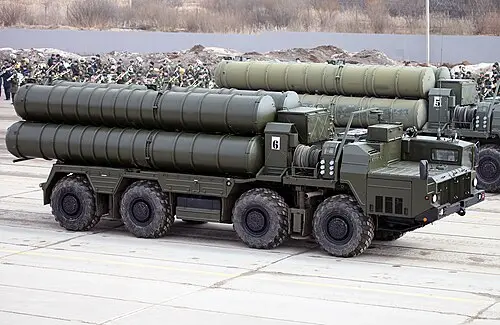
Different missiles in the S‑400 family are optimized for different threat types. According to CSIS Missile Threat, long-range missiles (like 40N6) are better suited for high-altitude aircraft or AWACS, while shorter-range missiles (9M96 series) may handle low-level threats. Against highly manoeuvrable fighters, low-observable platforms or massed low-altitude cruise missiles, even shorter-range interceptors may struggle. Further, the system may not guarantee intercept of very high-speed ballistic missiles or hypersonic threats without supplementary layers.
Integration dependency and external support needs
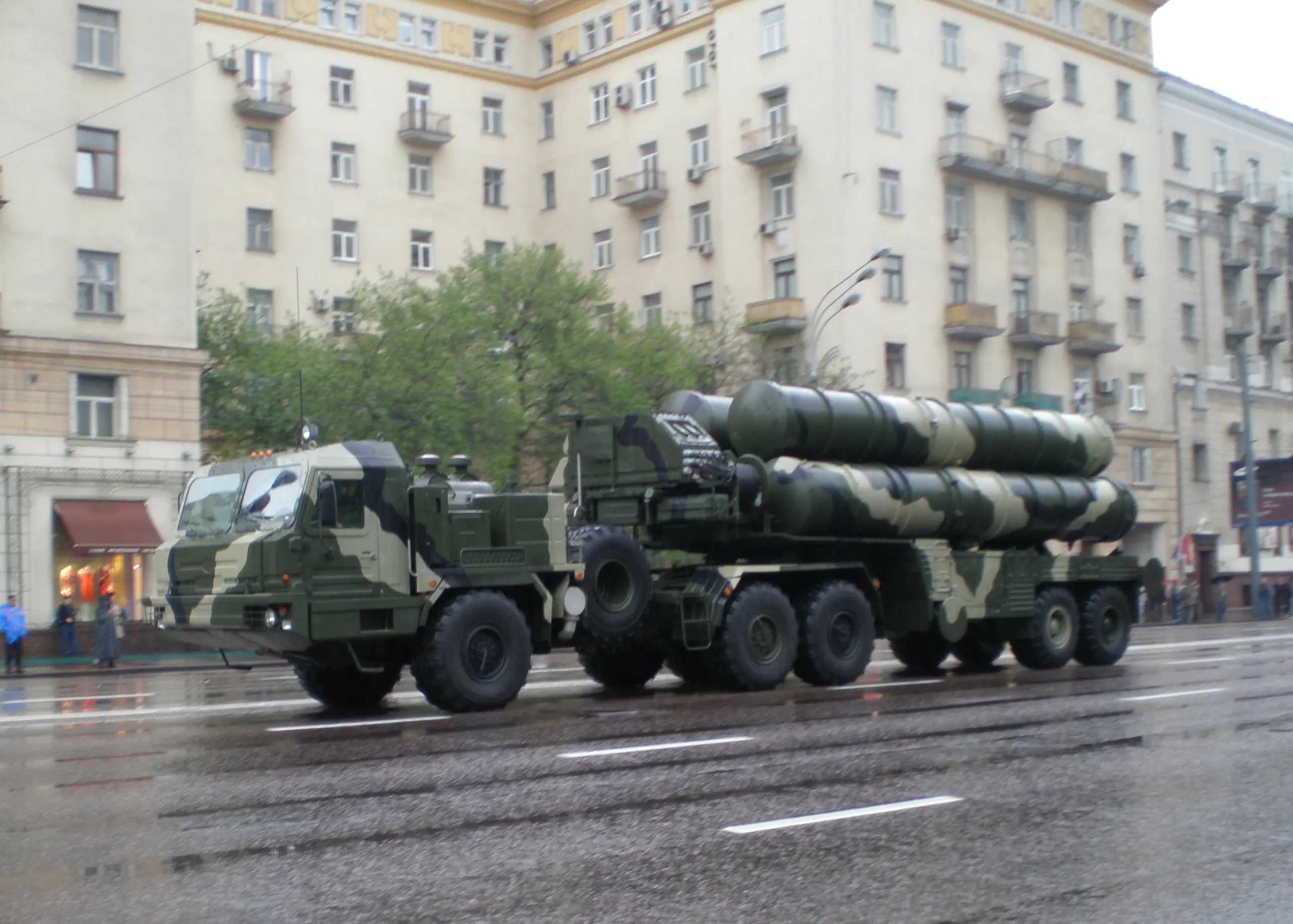
Radar coverage and early warning play a major role. According to CSIS Missile Threat, isolated S‑400 batteries are more vulnerable than a networked, integrated air-defence architecture with supporting sensors (AWACS, early-warning radars, passive detection). Without such integration, blind spots and gaps emerge, reducing overall deterrence.
Conclusion: formidable but not infallible
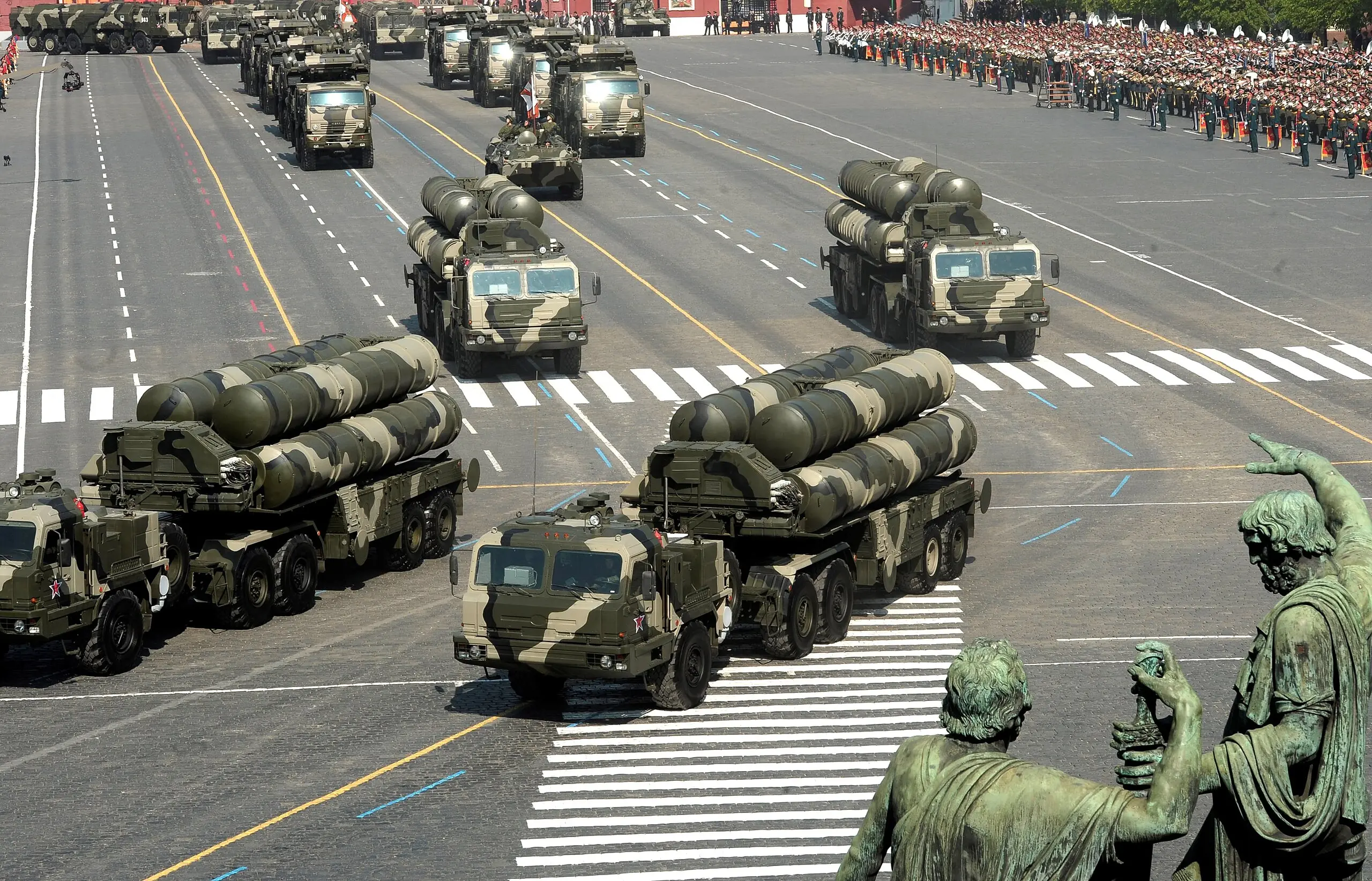
According to the sources cited above, the S‑400 missile system remains among the most capable SAM systems in the world. It offers layered defence, long-range intercepts and versatility against a wide array of aerial threats. However, physical limits, radar horizon, terrain, target altitude and speed, along with saturation attacks, logistical burdens and dependency on networked support, impose realistic constraints on its effectiveness.
)
)
)
)
)