Russian Su-57 upgrade vs American F-47: Who will rule the skies by 2030?

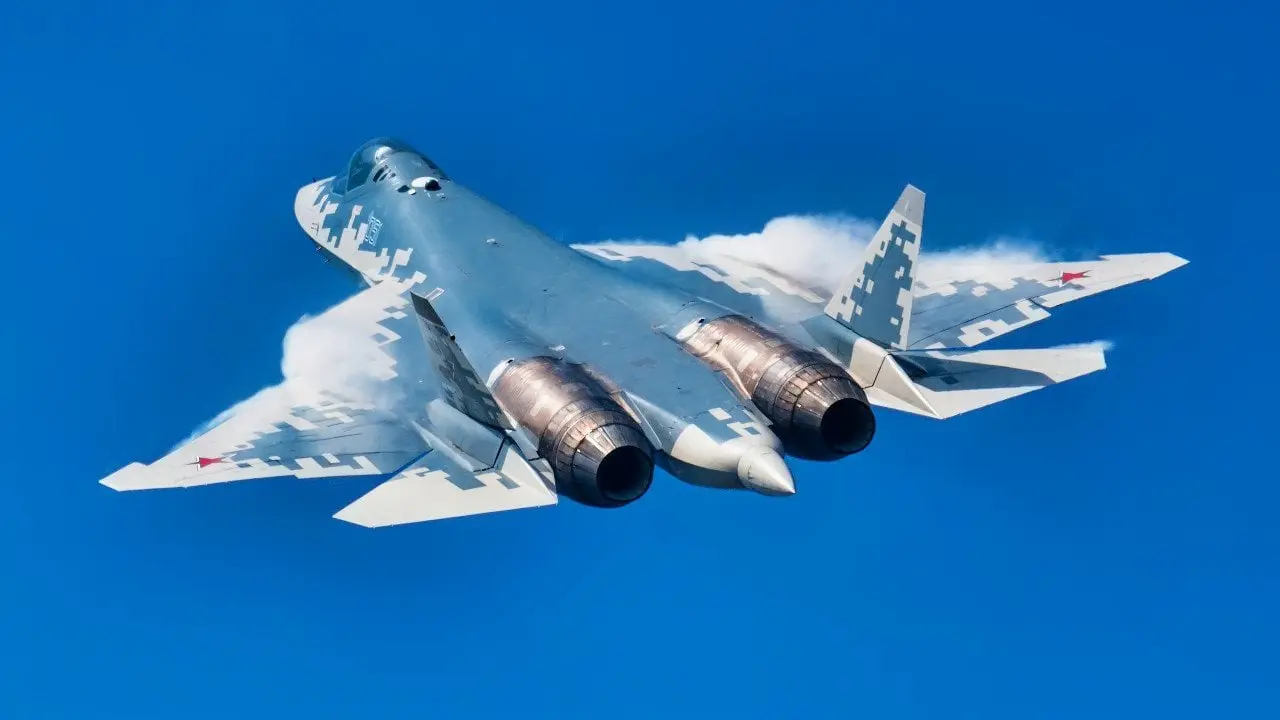
Russia is upgrading its Su-57 jet with AI, stealth tech, and hypersonic missiles to match fighters like the US F-47 by 2030. The modernised jet will boost air power with advanced sensors and smarter combat systems.
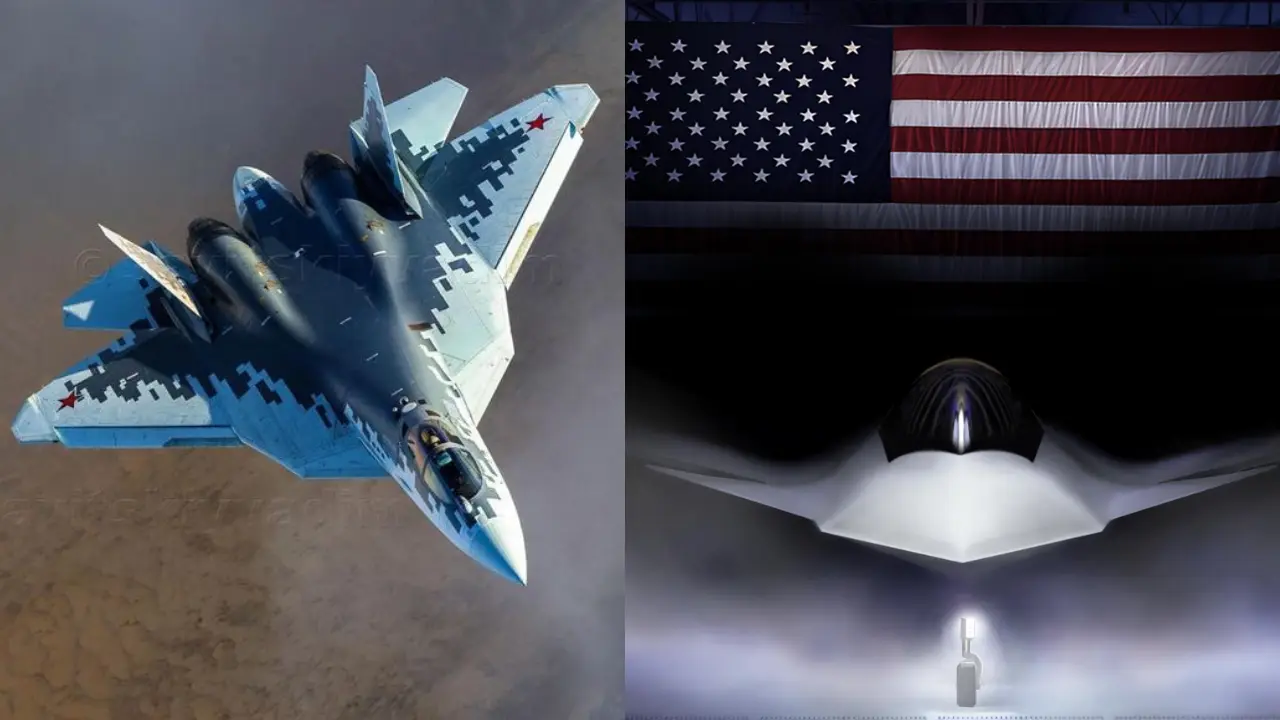
Russian Su-57 vs American F-47
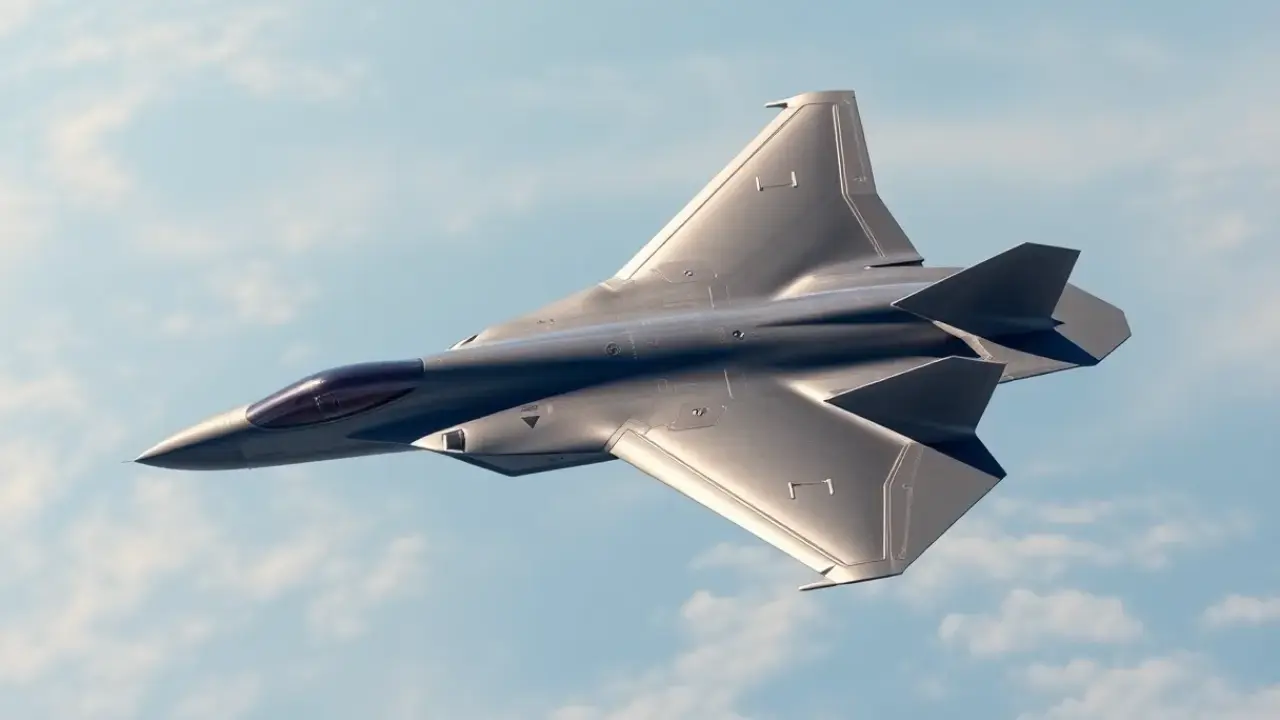
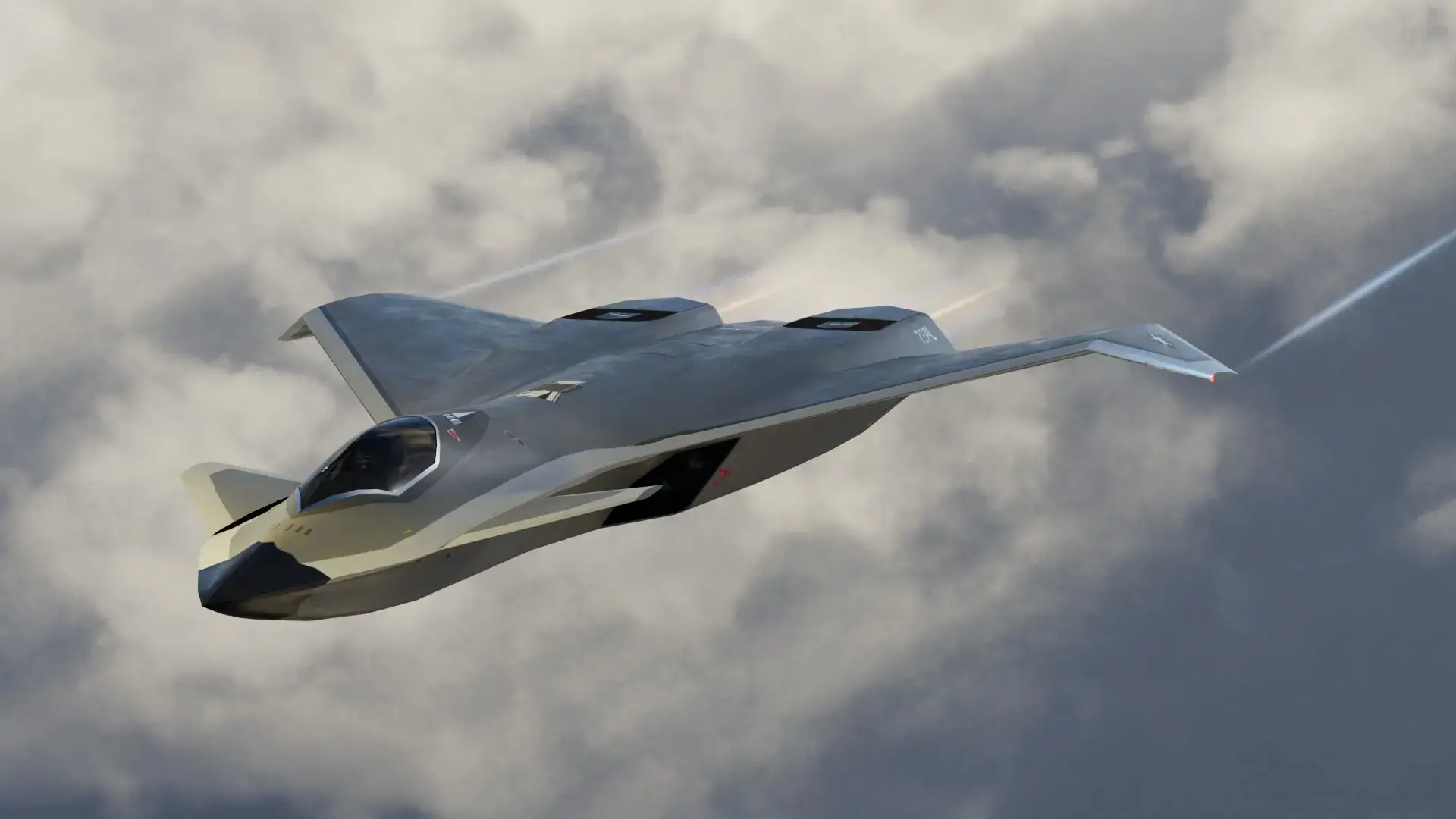
By 2030, Russia’s upgraded Su-57 and America’s new F-47 are set to compete for air dominance. Both the jets promise advanced technology, stealth, and new weapons, raising questions about who will rule the skies in the next decade.
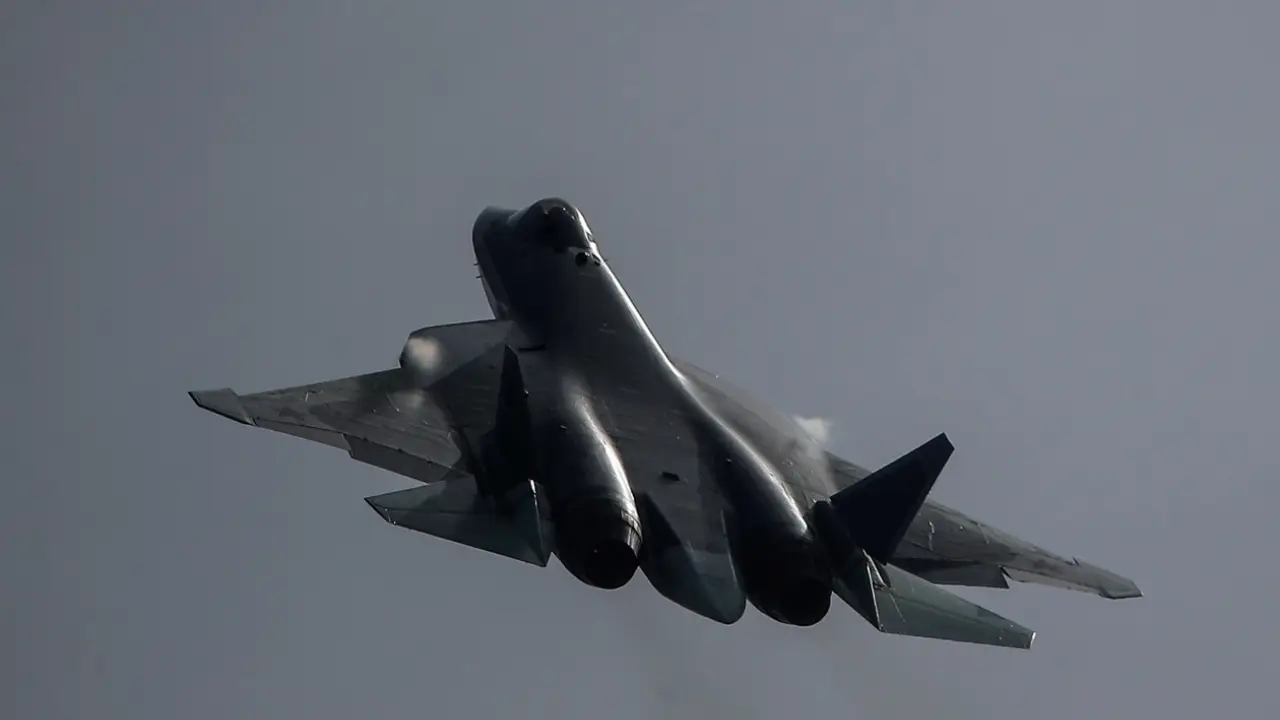
Artificial Intelligence Powers Both Jets
The Su-57 will use artificial intelligence to help pilots with decision-making and threat detection. The F-47 is also being developed with AI for autonomous flying and managing complex missions, making both jets smarter in battle.
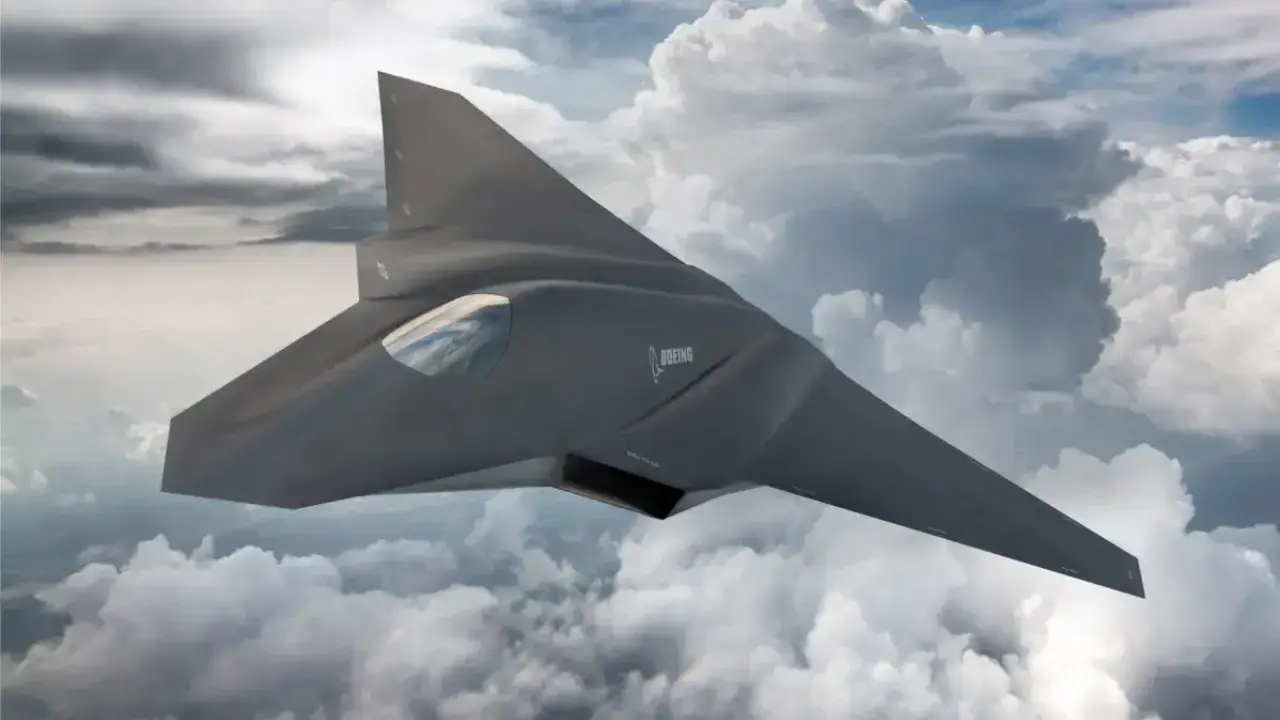
Stealth and Radar Evasion
Russia is improving the Su-57’s radar-absorbing coatings and airframe for better stealth. The F-47 is designed with advanced stealth from the start, aiming to avoid detection in contested airspace. Both the jets focus on staying hidden from enemy radars.
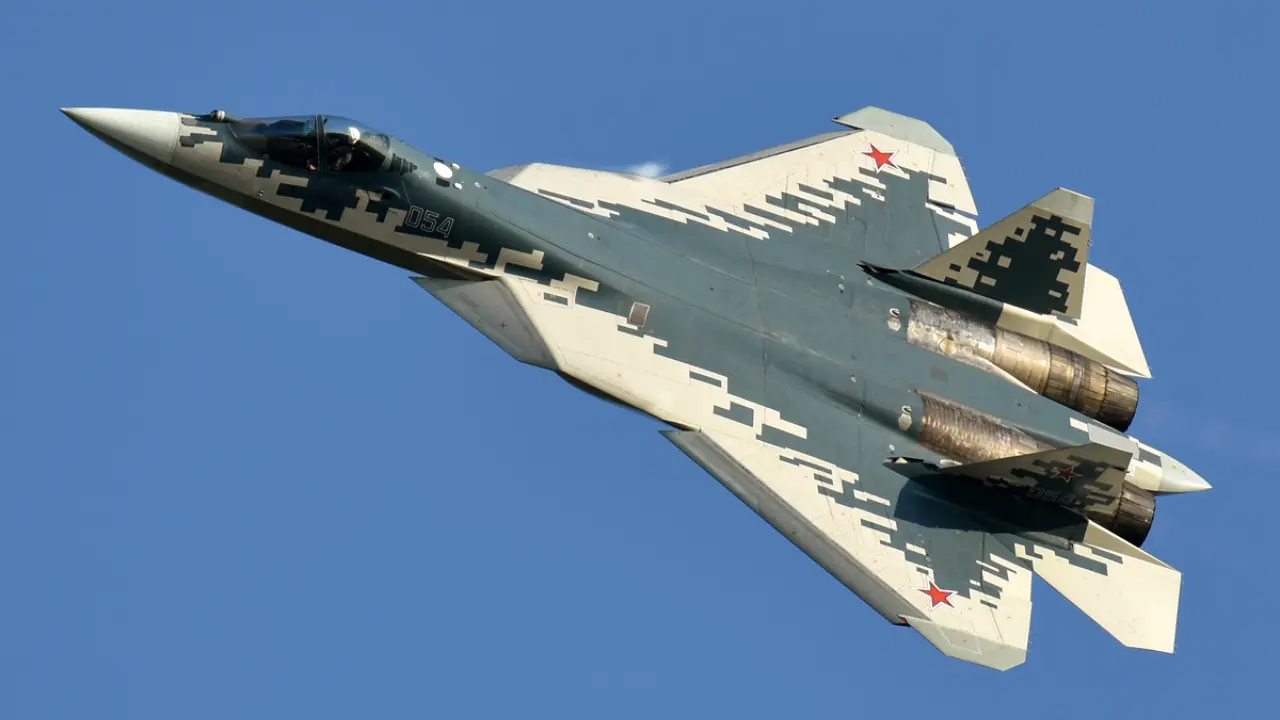
Hypersonic and Advanced Missiles
The Su-57 upgrade includes new hypersonic missiles, able to strike targets at over five times the speed of sound. The F-47 is expected to carry similar high-speed weapons, keeping an edge in the race for next-generation air combat.
Avionics and Sensor Technology
The Su-57 will get improved radar and electronic warfare systems, making it more capable at tracking and jamming targets. The F-47 will feature advanced sensors and digital systems, supporting both manned and unmanned operations.
Production, Scale, and Export
Experts say the F-47 is backed by a large US defence budget and global allies, likely leading to wider production and export. The Su-57 faces challenges in scaling up production and attracting export customers, which could affect its long-term impact.
Who Will Rule the Skies by 2030?
The race between the Su-57 and F-47 will shape the future of air power. Success will depend on technology, production, and global partnerships. By 2030, the world may see a new leader in the skies or a close contest.
)
)
)
)
)