Russian cosmonauts drank alcohol hours after a near-disaster on Mir space station

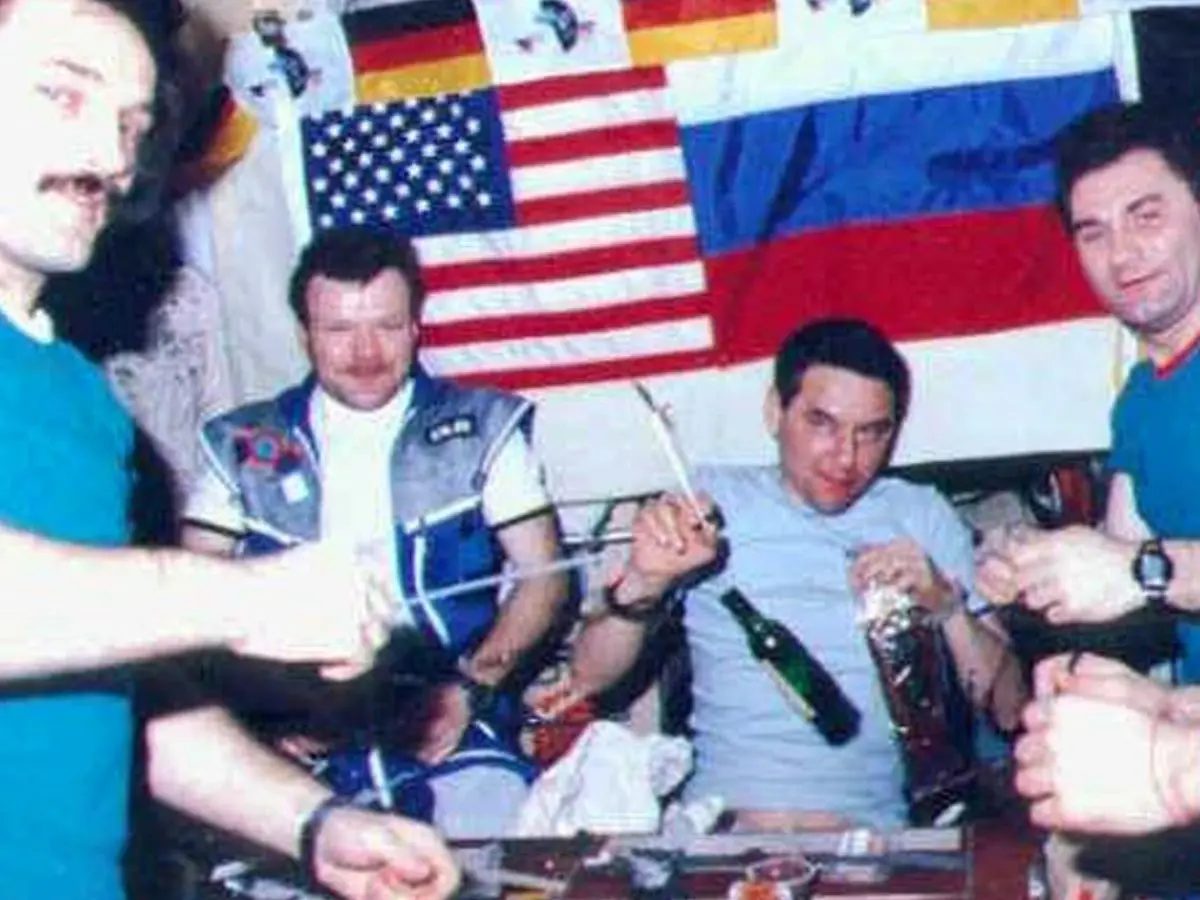
Amidst the crisis, the cosmonauts found a unique way to cope with the stress. Russian space traditions included bringing cognac aboard for long-duration missions.
A Near-Disaster in Space
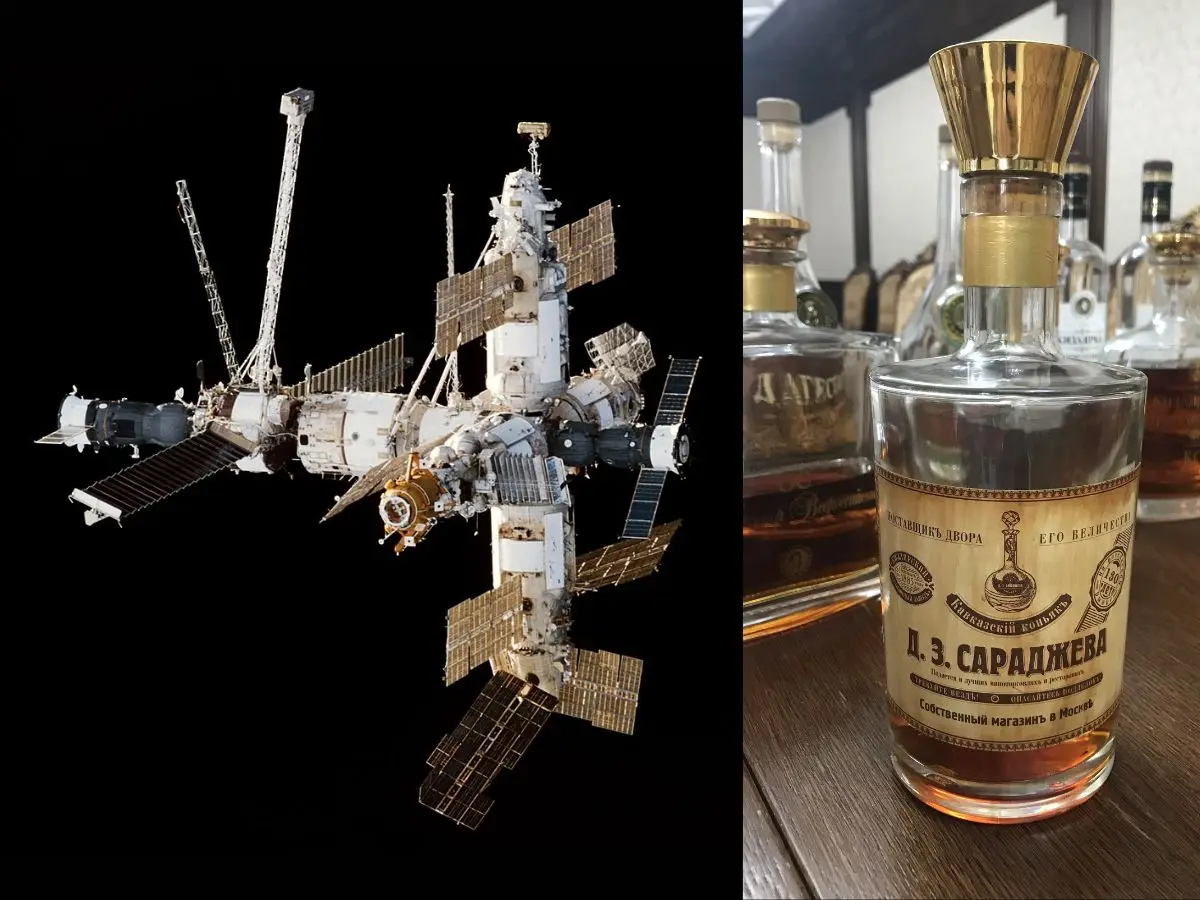
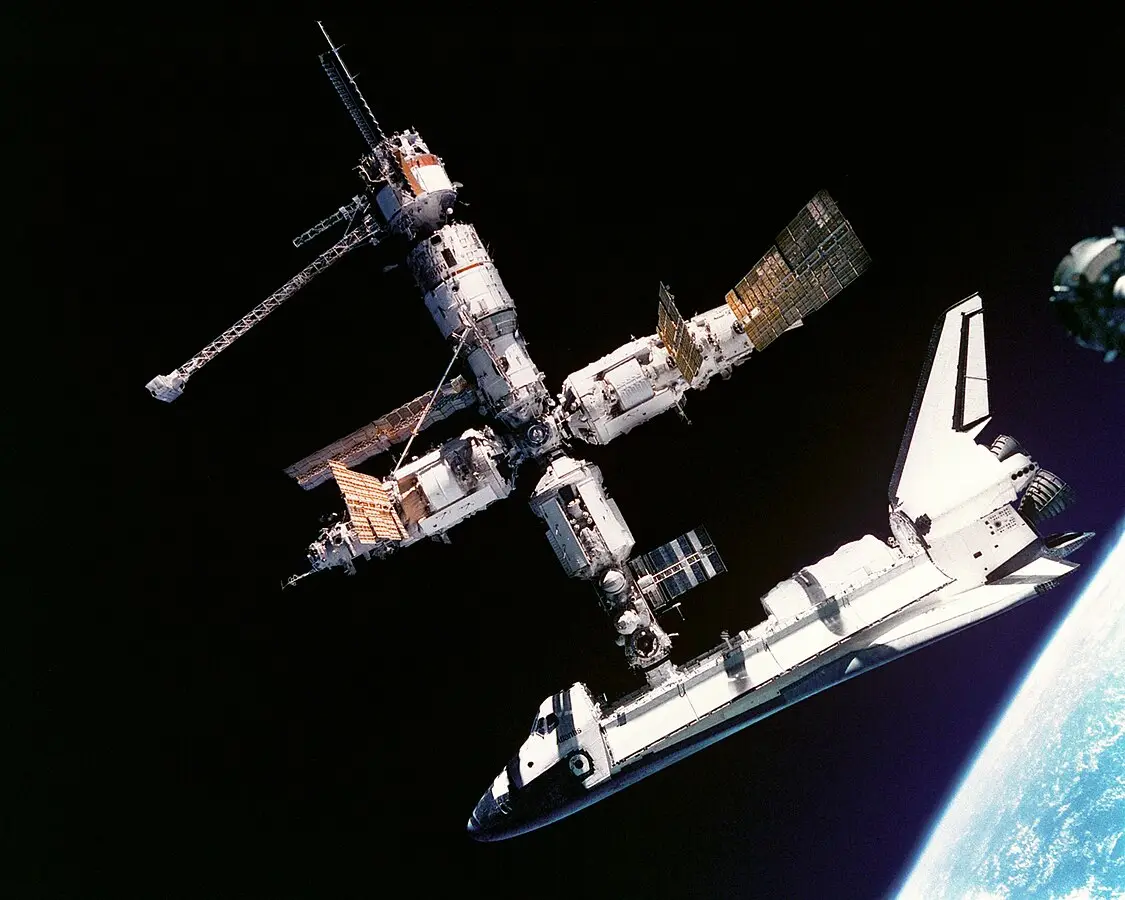
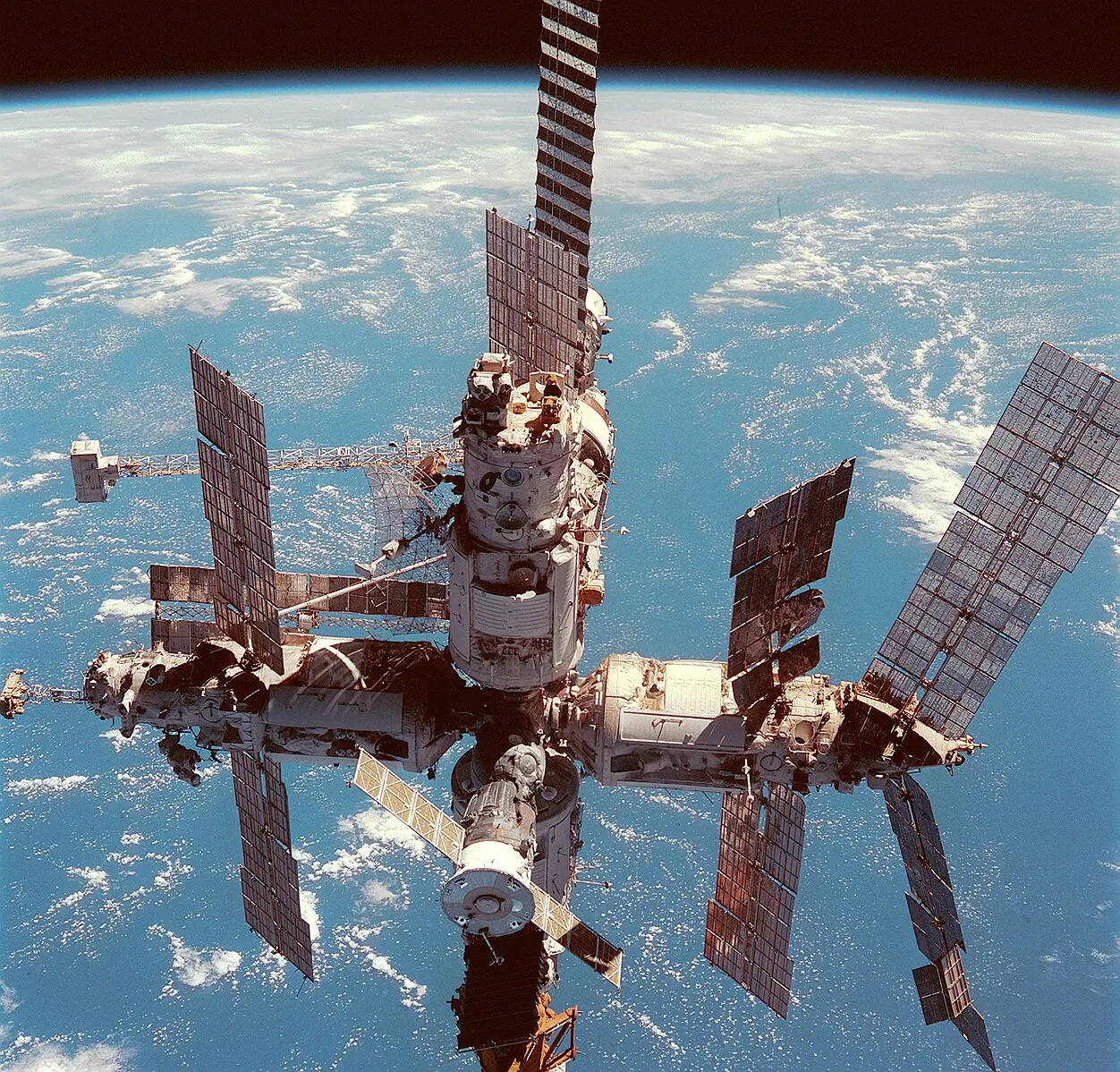
On June 25, 1997, the Russian space station Mir experienced a catastrophic event when an uncrewed Progress M-34 cargo spacecraft collided with the station during a docking attempt. The collision ruptured the Spektr module's pressure hull, causing a significant loss of air pressure and forcing the crew to seal off the damaged module. The station was left in a perilous state, with the crew facing the possibility of emergency evacuation.
The Aftermath
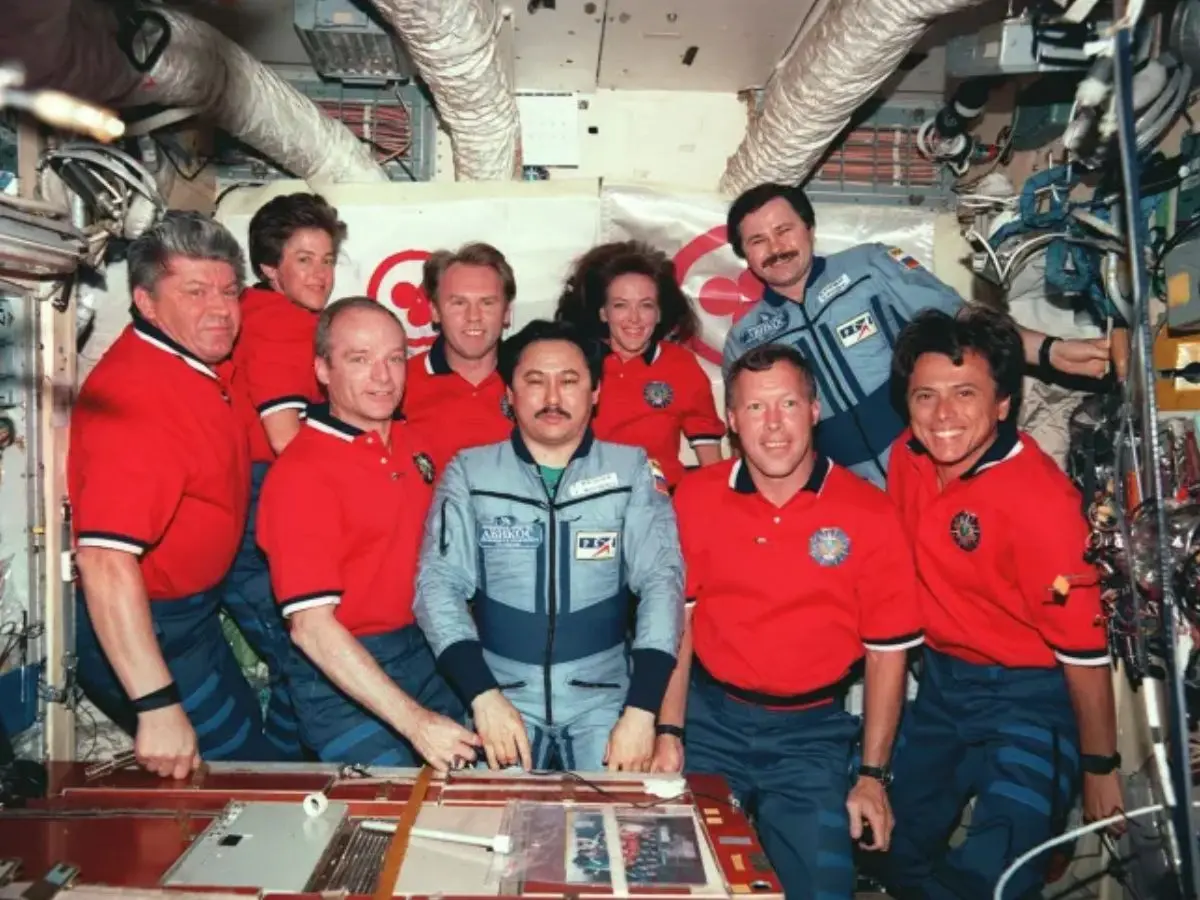
In the wake of the collision, the crew worked tirelessly to restore the station's integrity. Cosmonaut Aleksandr Lazutkin and fellow crew member Michael Foale managed to sever the connecting cables between Mir and the damaged Spektr module using a small tool, effectively isolating the compromised section. This quick thinking prevented further damage and secured the safety of the remaining modules.
A Tradition of Alcohol in Space
Amidst the crisis, the cosmonauts found a unique way to cope with the stress. Russian space traditions included bringing cognac aboard for long-duration missions. The alcohol was typically smuggled onto the station in uncrewed supply ships and consumed through straws, as drinking liquids in microgravity poses challenges. While NASA strictly prohibited alcohol in space, Russian cosmonauts viewed it as a means to alleviate tension during challenging times.
The Role of Cognac
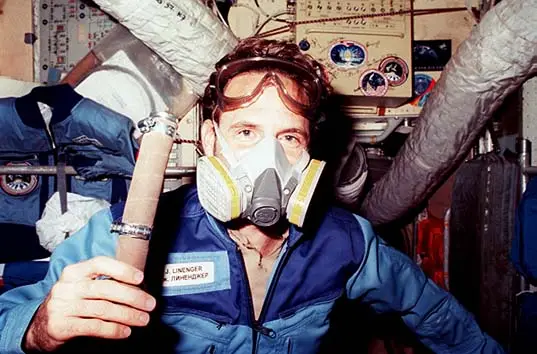
After the fire was extinguished and the immediate dangers had subsided, the cosmonauts partook in the cognac. NASA astronaut Jerry Linenger, who was aboard the station at the time, declined the offer, stating that the situation was too serious for such indulgence. However, the Russian crew members viewed the cognac as a small comfort after the harrowing experience.
The Cultural Divide
The differing attitudes towards alcohol in space highlighted the cultural divide between Russian and American space programs. While NASA maintained a strict no-alcohol policy, the Russian space agency allowed for more leniency, permitting alcohol consumption under certain circumstances. This divergence in policies occasionally led to tensions and misunderstandings between the two nations' astronauts.

A Turning Point
The events of 1997 served as a turning point for the Mir space station. The collision and subsequent fire underscored the vulnerabilities of long-duration space missions and the importance of rigorous safety protocols. The incident led to a reevaluation of safety measures and contributed to the eventual development of the International Space Station, which incorporated lessons learned from Mir's challenges.
Legacy
The story of the Mir space station's near-disaster and the cosmonauts' response, including their consumption of cognac, remains a testament to human resilience and adaptability in the face of adversity.
)
)
)
)
)