Russia to build world’s first closed fuel cycle nuclear power plant by 2030 – what is it?

A closed fuel cycle involves the recycling of spent nuclear fuel within reactors, in contrast to the traditional open cycle where used fuel is discarded.
Introduction: A Revolutionary Step in Nuclear Energy
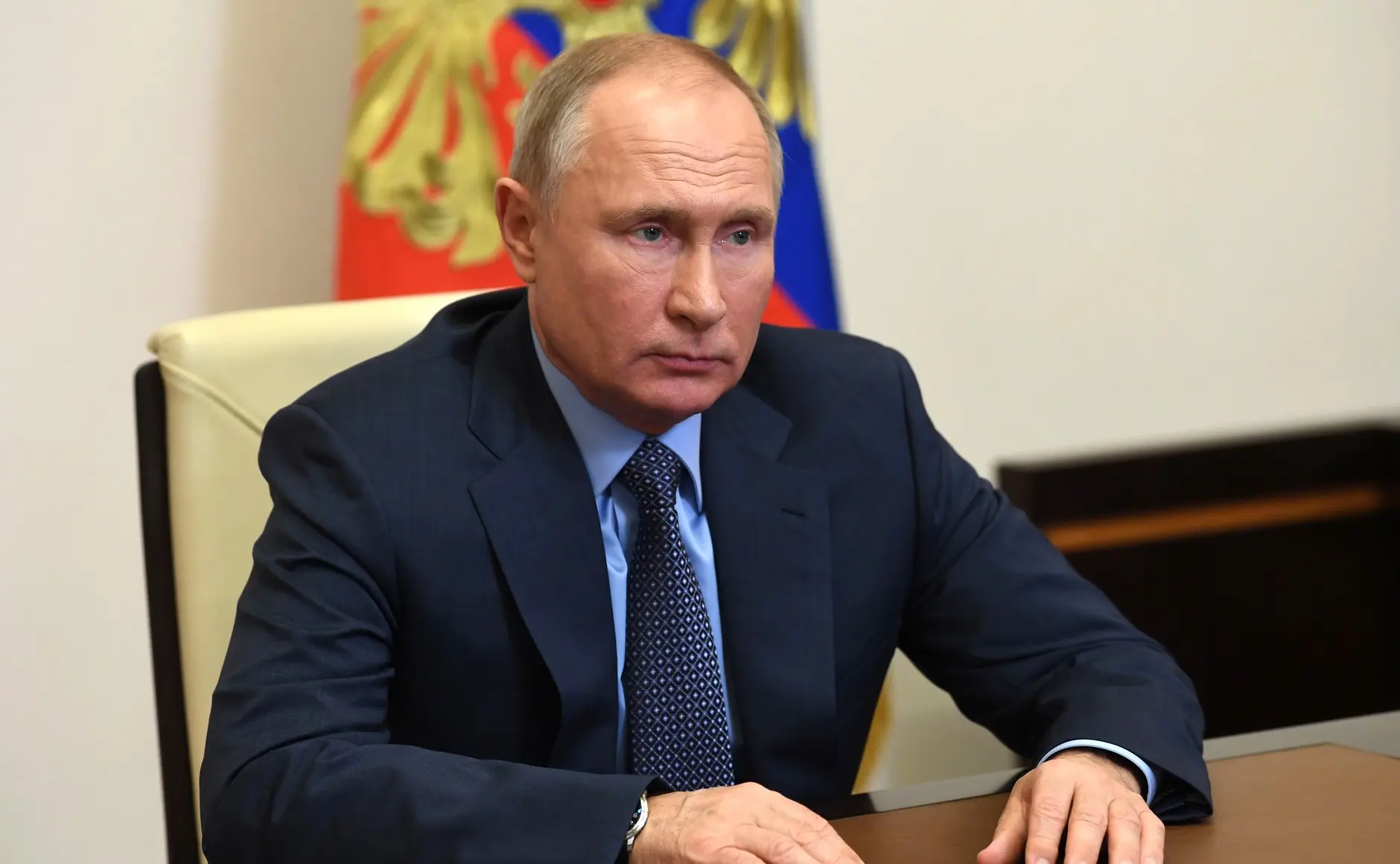
Russian President Vladimir Putin has announced that Russia will launch the world’s first nuclear power system featuring a closed fuel cycle by 2030, according to PTI. The announcement, made at the Global Atomic Forum in Moscow as part of World Atomic Week, outlined a system designed to reuse up to 95 per cent of spent nuclear fuel. “…Virtually the entire volume, 95 per cent, of spent fuel will be reused repeatedly in reactors…,” Putin said, highlighting the potential to drastically reduce uranium requirements and address the accumulation of radioactive waste.
What Is a Closed Fuel Cycle?
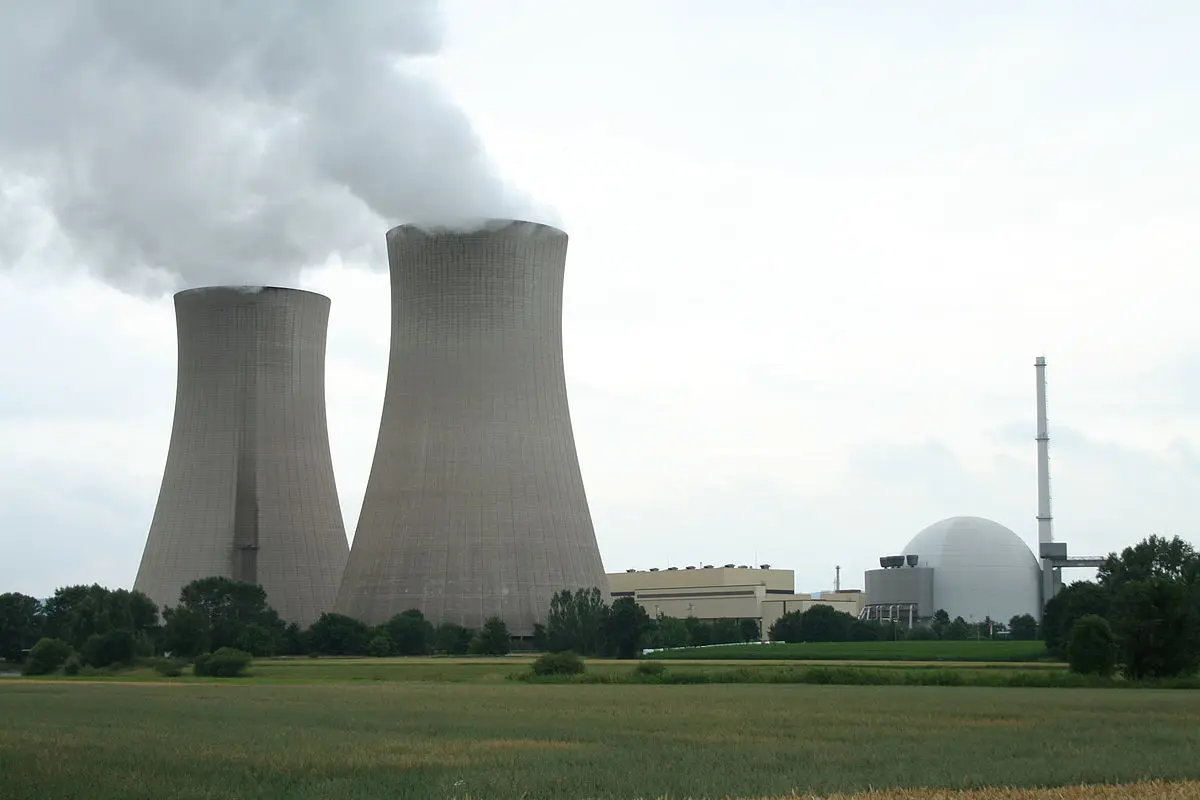
A closed fuel cycle involves the recycling of spent nuclear fuel within reactors, in contrast to the traditional open cycle where used fuel is discarded. By reprocessing and reusing nuclear material, the closed cycle extends the lifespan of uranium resources and minimizes environmental impact. “Such a mechanism will ultimately make it possible to almost completely resolve the problem of radioactive waste accumulation. And, what’s also crucial, it will essentially eliminate the issue of uranium supply,” Putin added.
Putin invited international scientists to collaborate on the development of these technologies, aiming to usher in a new era of peaceful nuclear energy. He also stressed the need for modern financing models for nuclear plants, suggesting involvement from international financial institutions and development banks.
The Tomsk Initiative: Pioneering Nuclear Innovation
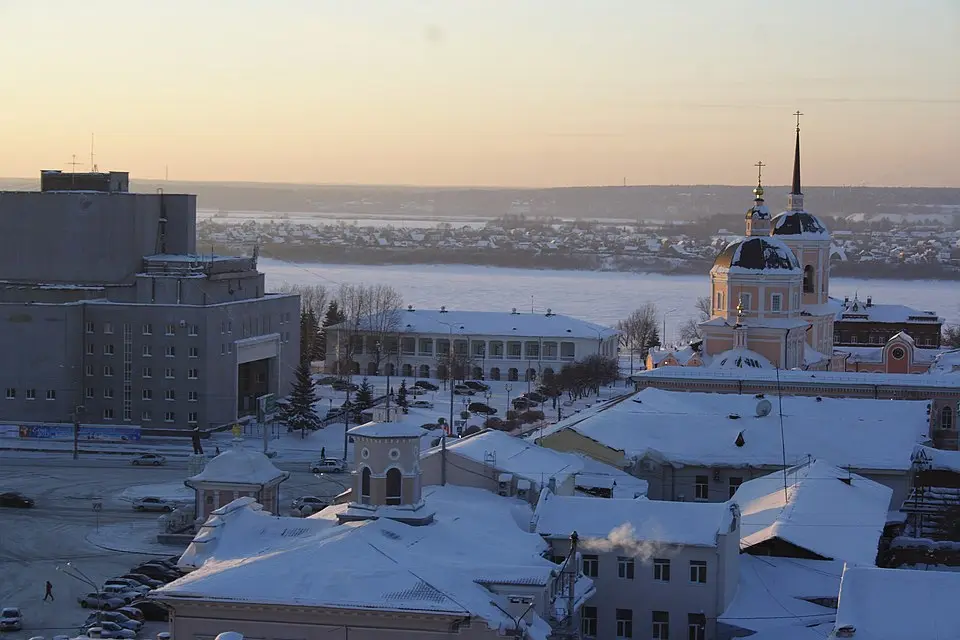
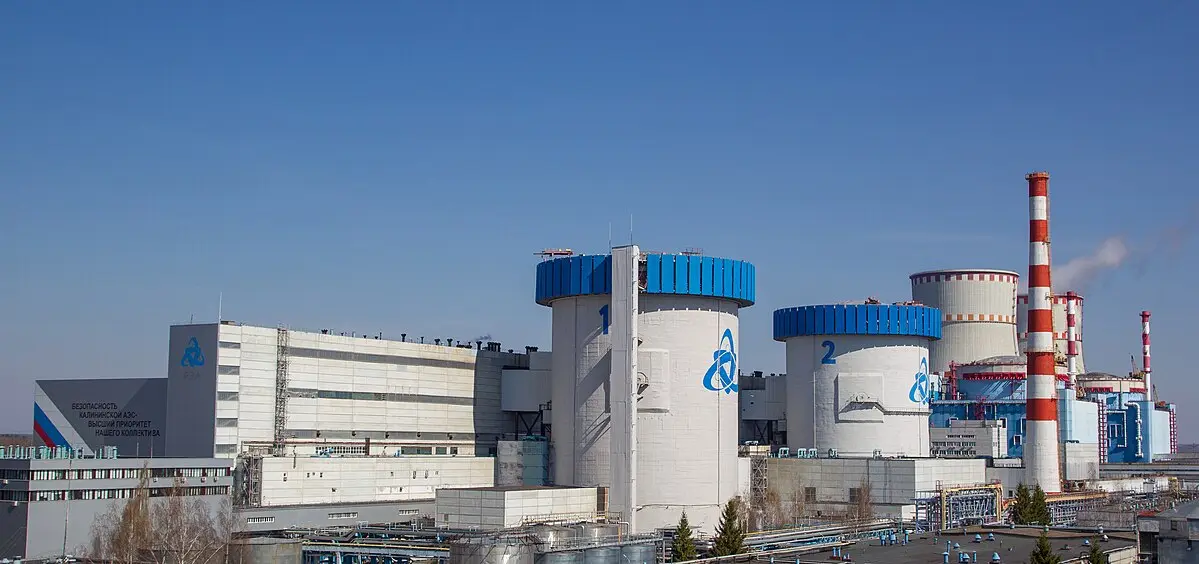
The Tomsk region in Siberia has been selected as the site for this project. The initiative will deploy advanced reactor designs capable of efficiently reprocessing spent fuel. Testing is scheduled to begin at a new International Research Center in Ulyanovsk, with full operational deployment targeted for 2030, according to the Russian President. He described it as a “truly revolutionary development by Russian scientists and engineers.”
Strategic and Geopolitical Implications
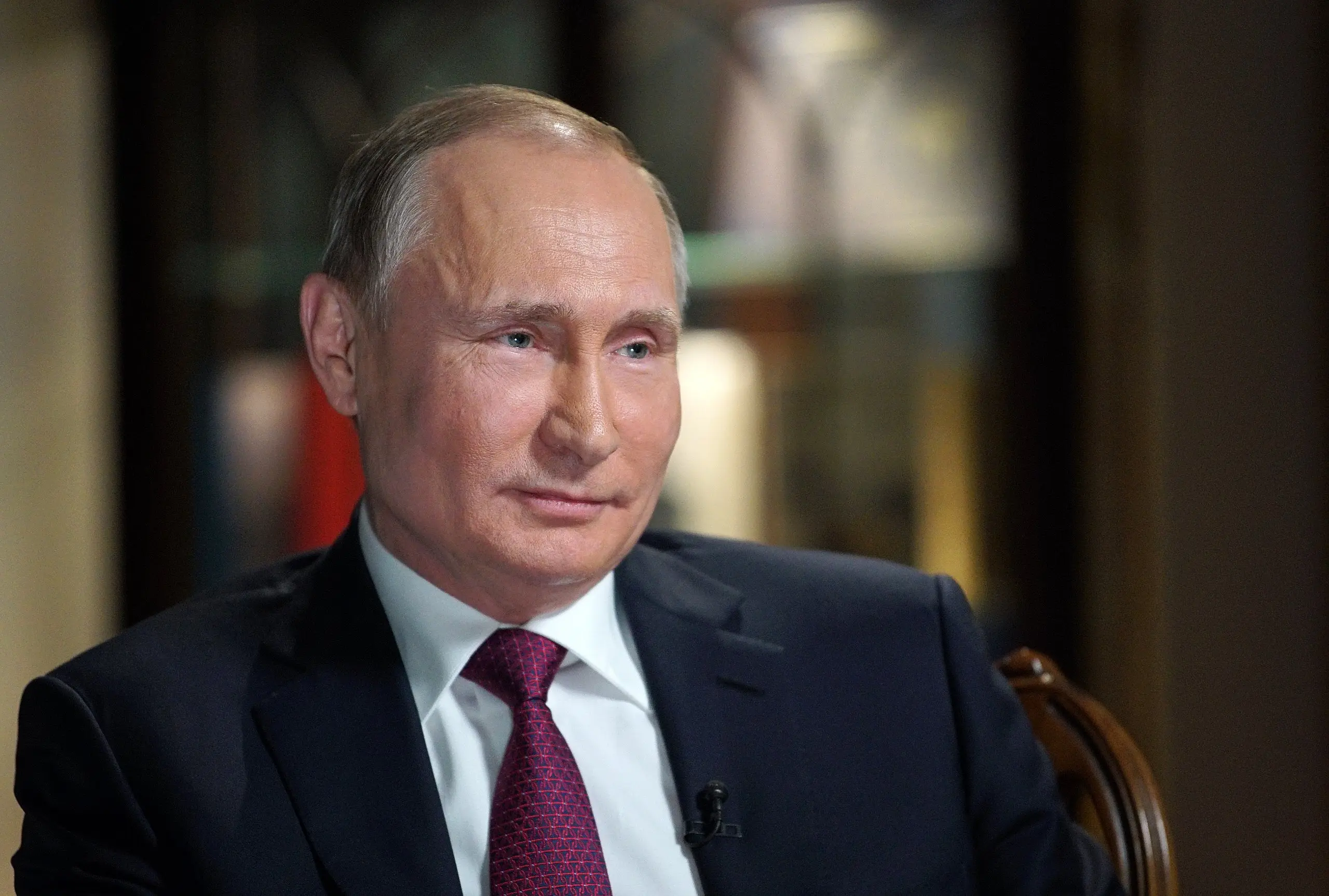
Framing the project in geopolitical terms, Putin emphasised that Russia rejects “technological colonialism” and seeks to support partners in building sovereign nuclear industries rather than creating dependency. He highlighted that nuclear safety and adherence to non-proliferation standards remain priorities. The project has also drawn attention from BRICS countries, with the New Development Bank confirming readiness to finance nuclear projects and a BRICS nuclear platform established for coordination.
International Engagement
World Atomic Week 2025, which celebrates 80 years of Russia’s nuclear industry, attracted approximately 20,000 representatives from over 100 countries, including ministers, business leaders, and officials from the International Atomic Energy Agency (IAEA), the World Nuclear Association (WNA), and the World Association of Nuclear Operators (WANO). Attendees included leaders from Belarus, Myanmar, Armenia, Ethiopia, Egypt, Iran, Niger, and Uzbekistan.
Environmental and Safety Considerations
The closed fuel cycle system offers significant environmental benefits, substantially reducing the volume of radioactive waste. Advanced reactor designs incorporate passive safety measures to ensure secure operation. Putin emphasized balancing risks and benefits among states, investors, and consumers, stating: Putin said that constructing nuclear power plants requires significant resources, which means risks and benefits must be balanced between the main participants in such projects, namely, states, investors, and consumers.
)
)
)
)
)