Russia’s touching tribute to late HAL Tejas fighter jet pilot shows why it’s a true friend of India

When the Russian pilot called the fallen Indian airman a “brother”, it acknowledged the common bond of all who take to the skies. For the pilot’s family, his squadron, and the Indian public, this international message of condolence offered more than words, it offered solidarity.
1. The Tragedy That Brought This Gesture
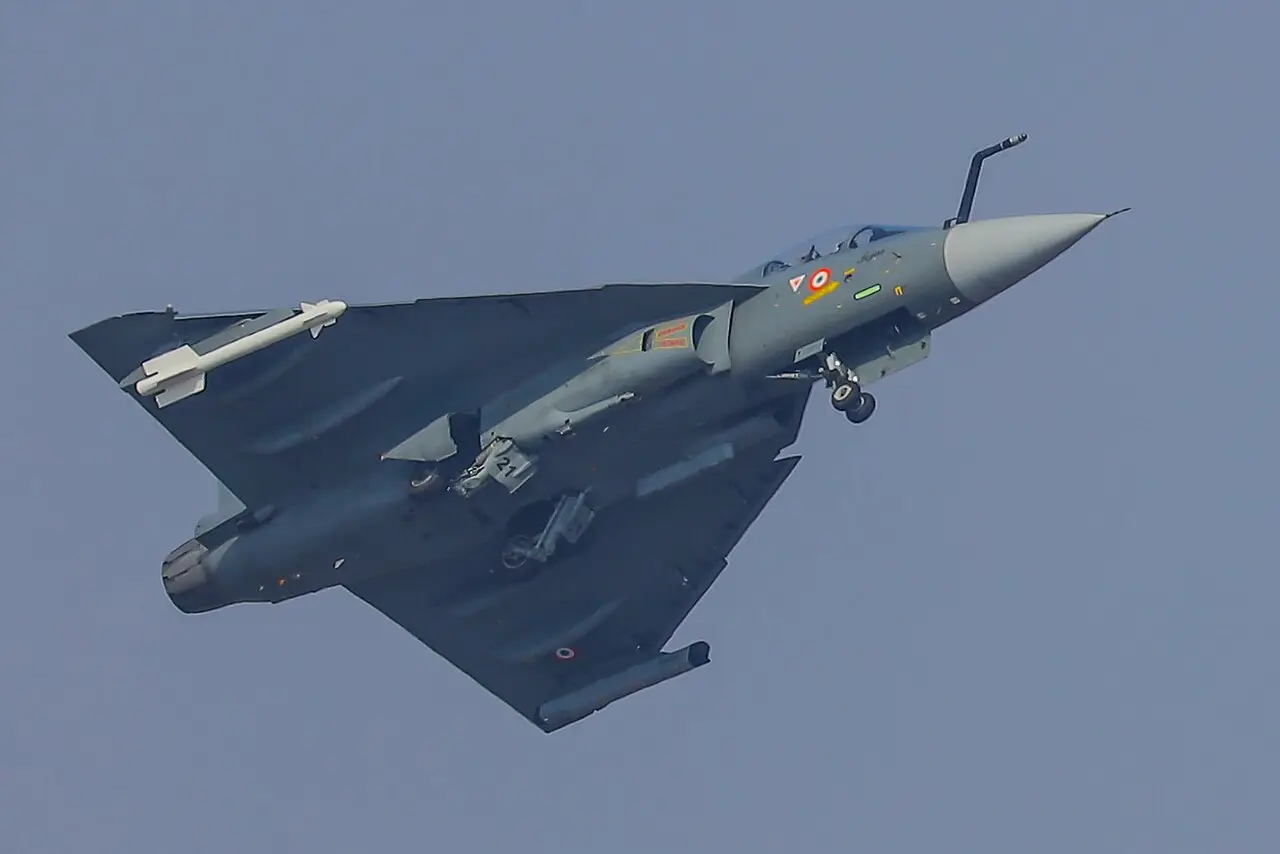
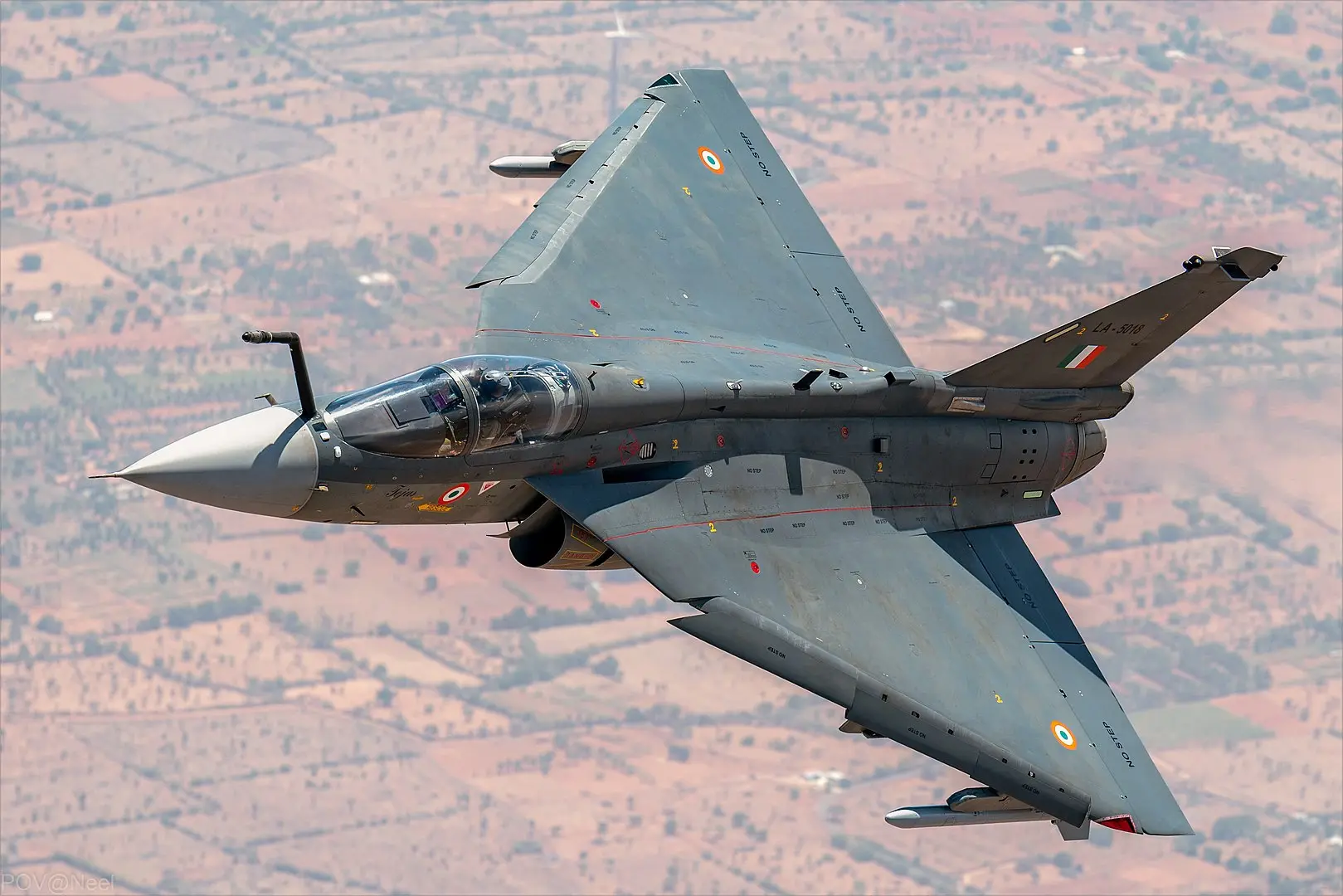
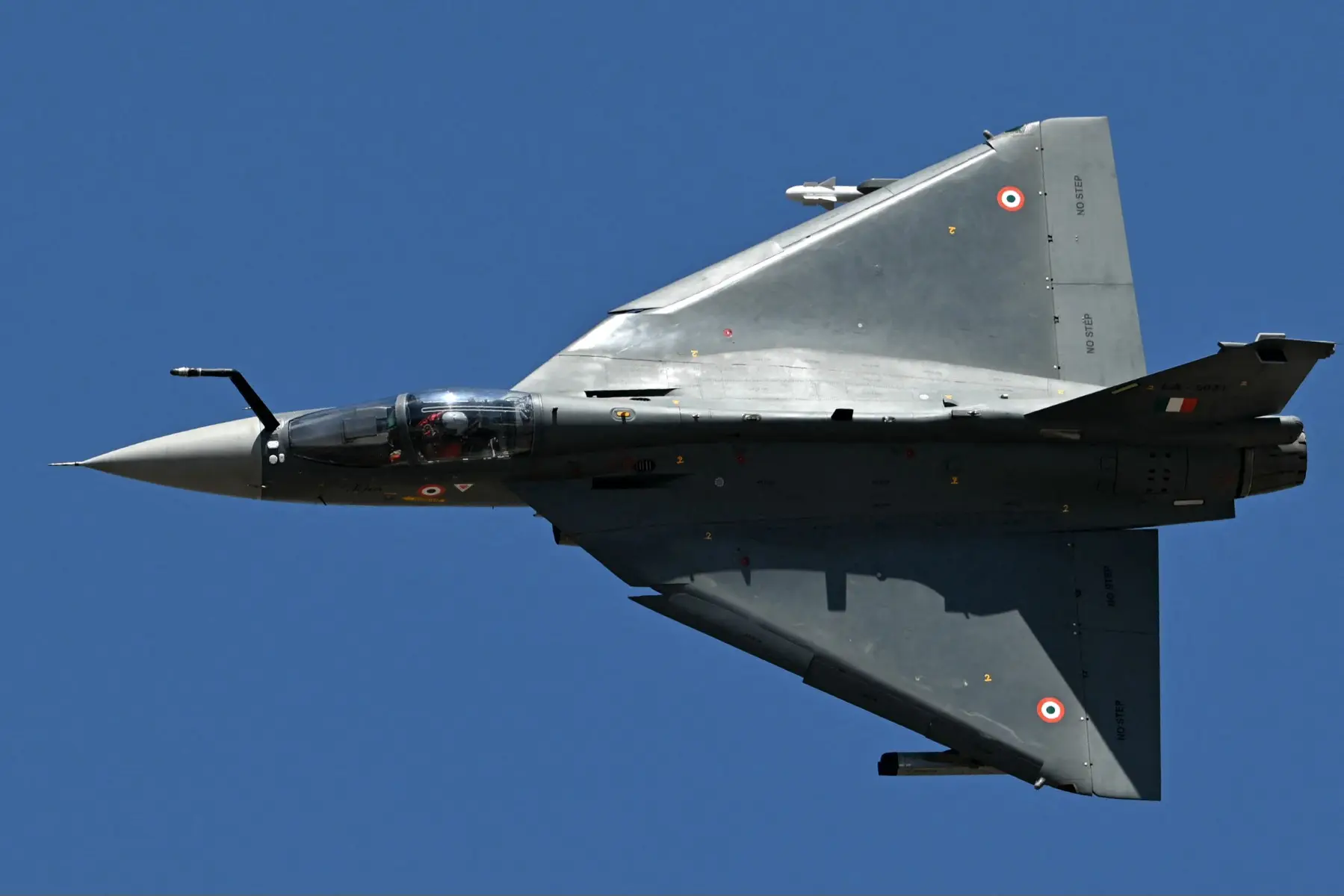
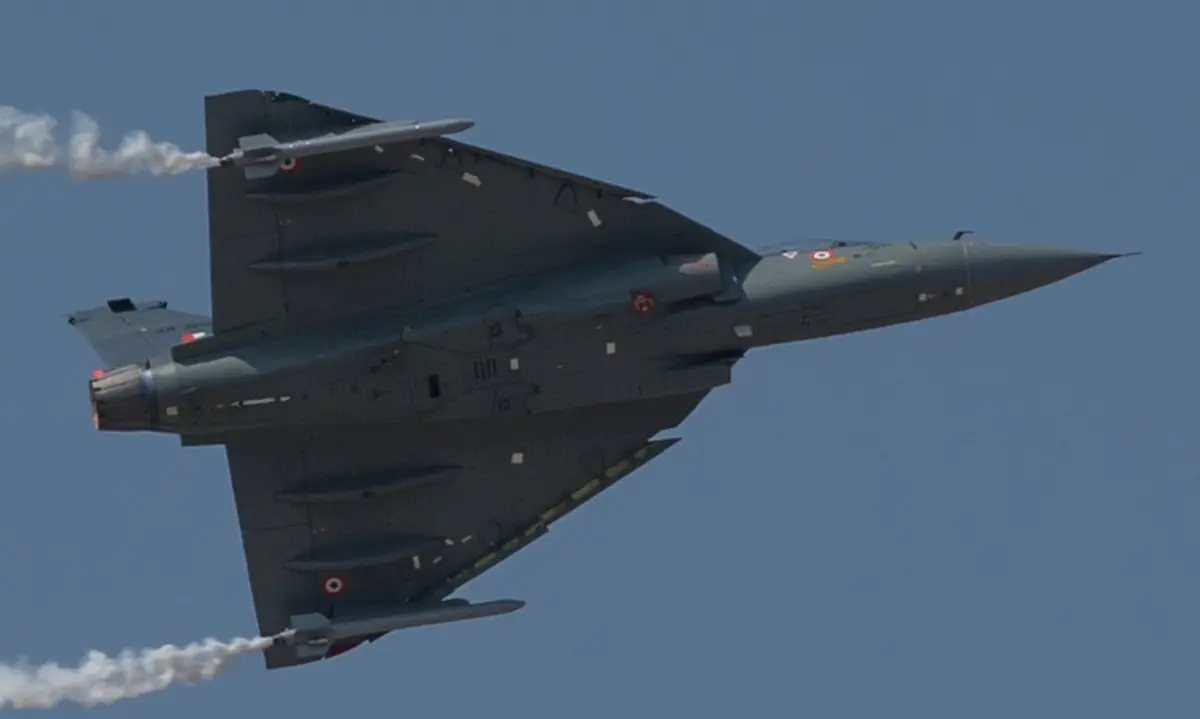
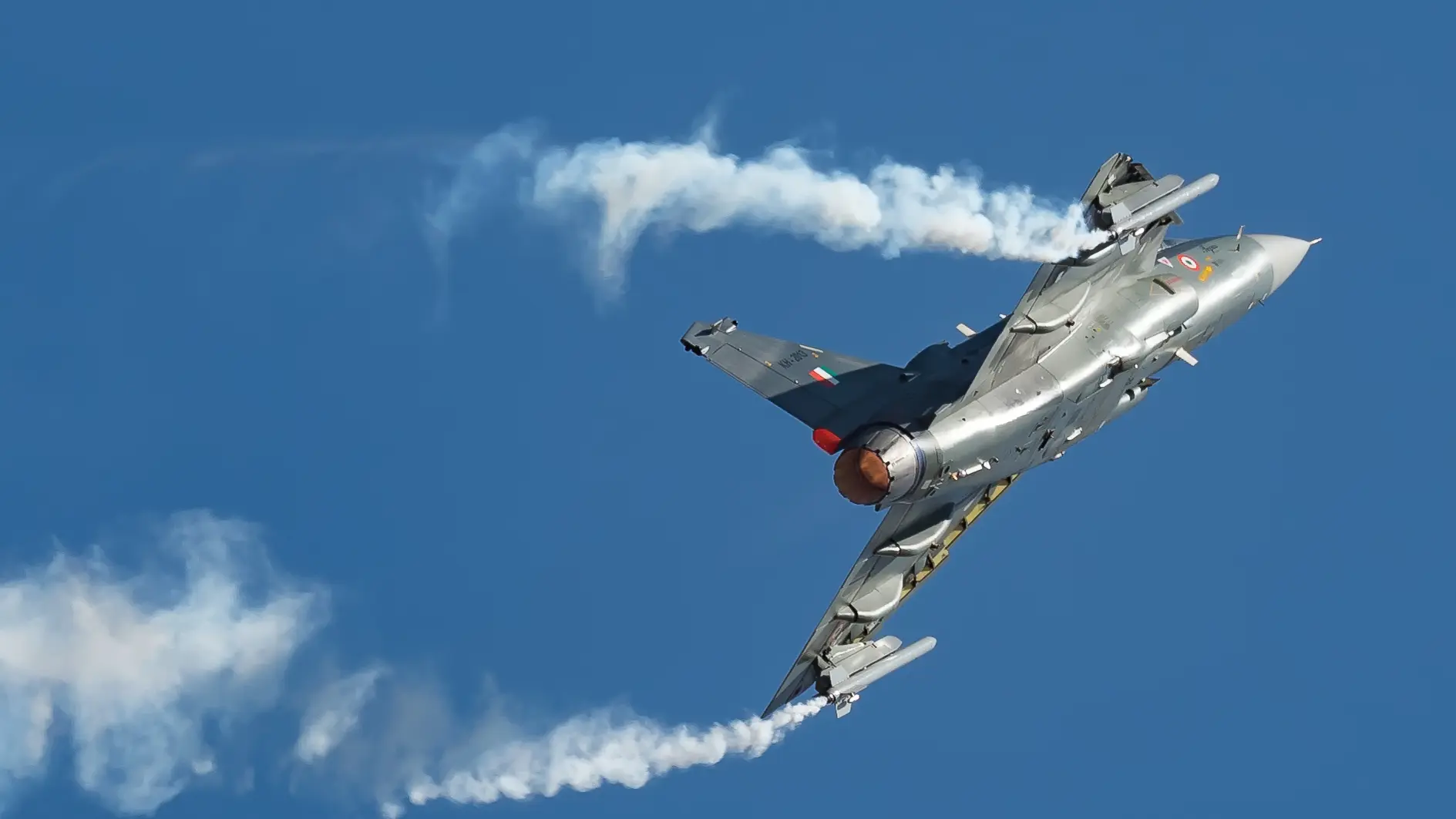
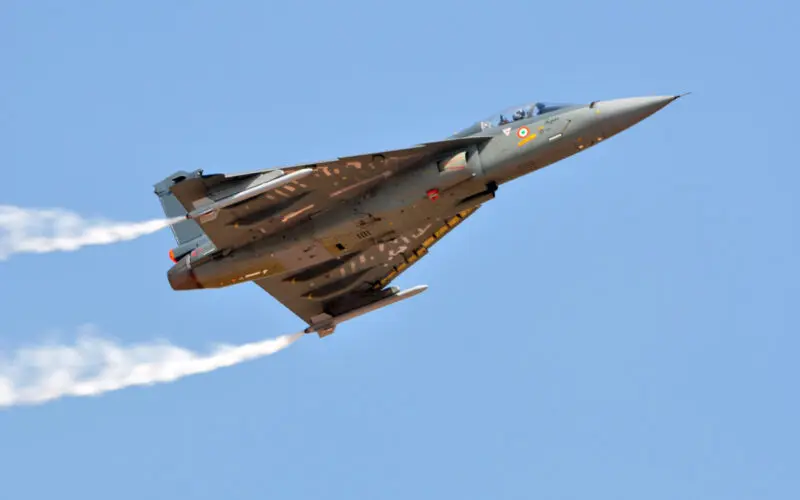
On 21 November 2025, during the Dubai Airshow 2025 at Al Maktoum International Airport in Dubai, the Indian Air Force’s indigenous fighter jet HAL Tejas crashed during a display flight, claiming the life of Wing Commander Namansh Syal. The jet, part of India’s drive for a modernised air force, went down while performing a low-altitude manoeuvre, and the IAF has since convened a court of inquiry to determine the cause.
2. The Russian Gesture of Respect
In the hours following the crash, a pilot from the famed Russian aerobatic display team Russian Knights posted a poignant note on his Telegram channel, saying “In memory of our brothers who did not return from their final flight.” The short video clip showed the Russian jet team flying in formation, and the accompanying text expressed solidarity with the Indian Air Force and respect for the fallen pilot. This gesture from a foreign military team underscored professional camaraderie in aviation.
3. Why This Matters for India-Russia Relations
Russia has long been a key defence partner of India, supplying aircraft, engines and collaborating on aerospace projects. The public tribute extends beyond mere sympathy, it signals Moscow’s recognition of India’s efforts and sacrifices in its indigenous defence journey. In this moment of grief, the gesture highlights the bond between the two air forces and reinforces that their strategic partnership includes respect in times of loss.
4. More than Symbolism: Practical Implications
While the tribute is deeply emotional, it carries practical weight. It publicly acknowledges India’s next-generation fighter programme, implicitly lending international validation to the Tejas project. At the same time, gestures like this help build goodwill that can ease future cooperation in joint training, exchange of aerobatic teams, technology transfers or export of aircraft. For India, such visible respect from a major aviation power may enhance confidence in its defence diplomacy and future collaborative avenues.
5. The Human Side — Why It Resonates
Beyond geopolitics and aircraft, the tribute resonates on a deeply human level. Air-force culture is steeped in the shared risks and sacrifices of flying, especially in aerobatics and display roles. When the Russian pilot called the fallen Indian airman a “brother”, it acknowledged the common bond of all who take to the skies. For the pilot’s family, his squadron, and the Indian public, this international message of condolence offered more than words, it offered solidarity.
6. A Strategic Signal to the Region
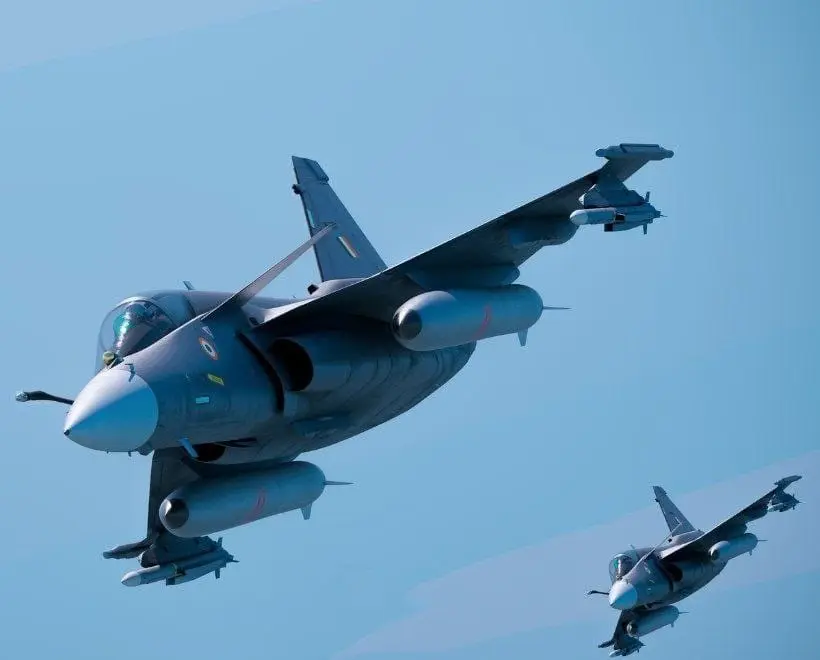
The moment also holds a broader strategic message: India’s Tejas programme is not simply domestic but recognised across global aviation circles, while Russia remains a partner ready to stand publicly with India. In the Indo-Pacific, where air-power and technology partnerships matter, this tribute serves as soft but potent signalling—of capability, collaboration and shared military community. It reminds regional actors that India’s air-show appearances and fighter-jet projects are part of its evolving strategic posture.
7. What Comes Next and Why It Matters
In the aftermath of tragedy, India will likely reassess its display procedures, pilot-training protocols and safety norms. More importantly, this public Russian tribute may open or reaffirm corridors for deeper India-Russia aerospace cooperation, whether in aerobatic team exchanges, joint exercises or collaborative R&D. The episode also serves as a reminder that programmes like Tejas depend not only on technology and industry but ultimately on human lives. For India, the investment in domestic fighter projects now carries an emotional dimension alongside strategic stakes.
)
)

)
)