Russia's S-500 vs China's HQ-19: Which defence system really covers higher altitudes for India?

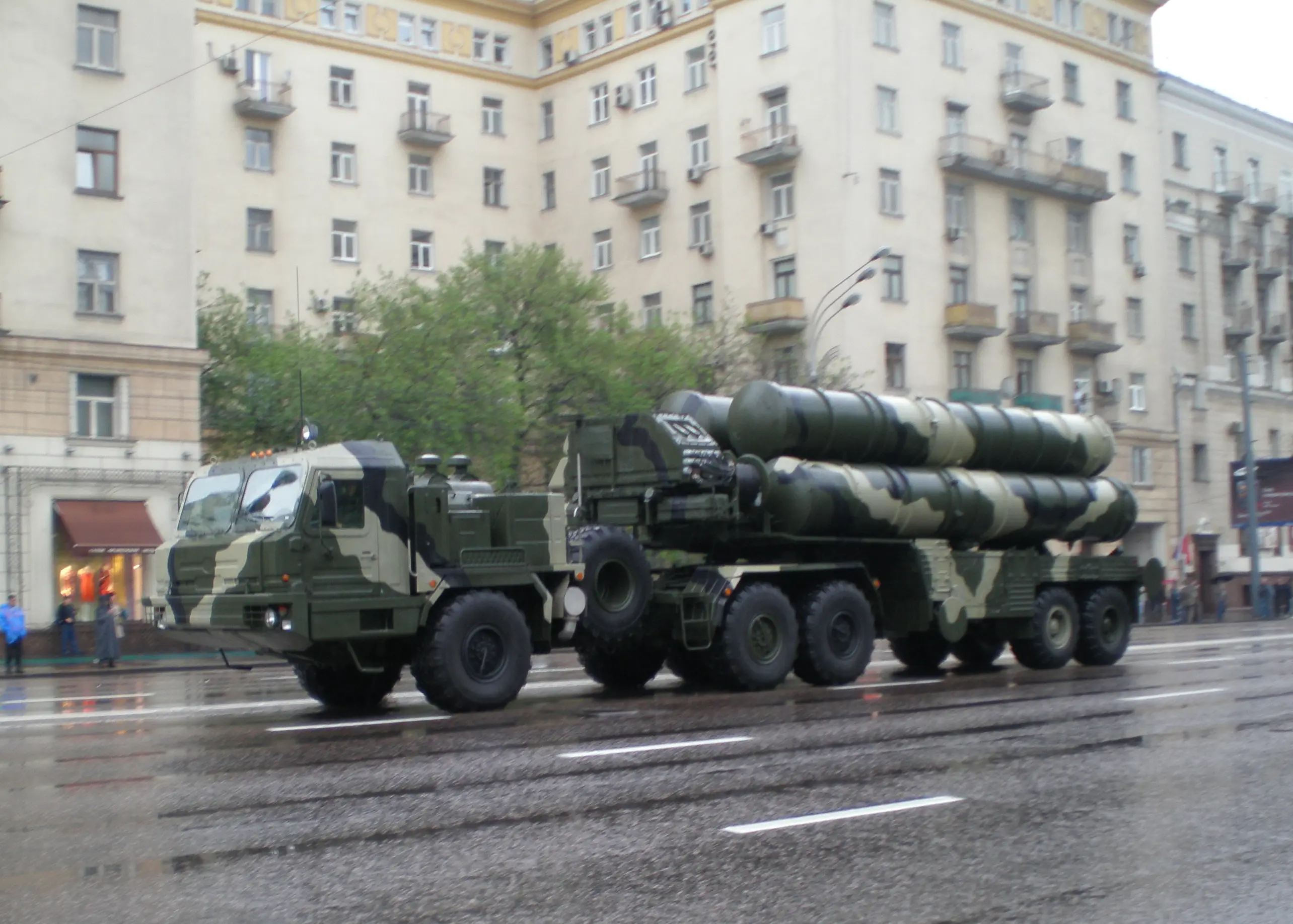
The S-500 uses a suite of radars: long-range acquisition radars, engagement radars, and ABM-capable interceptors (e.g. 77N6-N1) meant for high-speed, high-altitude targets.
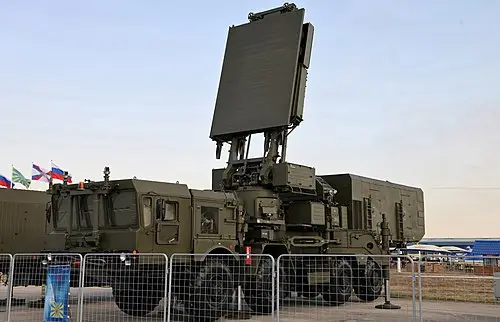
1. What are S-500 and HQ-19 — and what role do they claim
The S-500 is Russia’s newest long-range air & missile-defence system, built to intercept ballistic missiles, hypersonic missiles, aircraft and, according to some technical claims, even high-altitude or near-space threats. The HQ-19 is China’s answer to high-altitude missile threats: a surface-to-air / anti-ballistic-missile (ABM) system reportedly capable of engaging medium- and intermediate-range ballistic missiles and advertised in some sources as able to intercept at very high altitudes, possibly beyond the atmosphere.
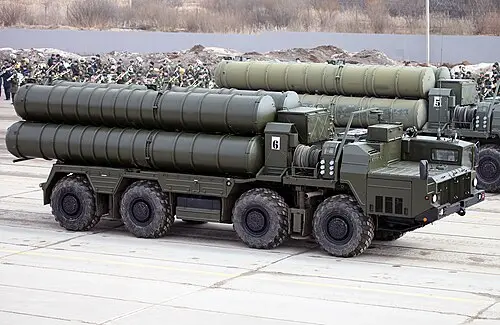
2. Claimed altitude envelopes — what each system says it can reach
For S-500: Publicly available data claims target engagement altitudes “as high as 180–200 km” for ABM / air-defence roles, suggesting a near-space or exo-atmospheric intercept envelope. For HQ-19: Various Chinese and open-source reports claim the system can intercept threats at altitudes up to 200 km, placing it in the exo-atmospheric / upper-atmosphere bracket similar to some ABM systems.
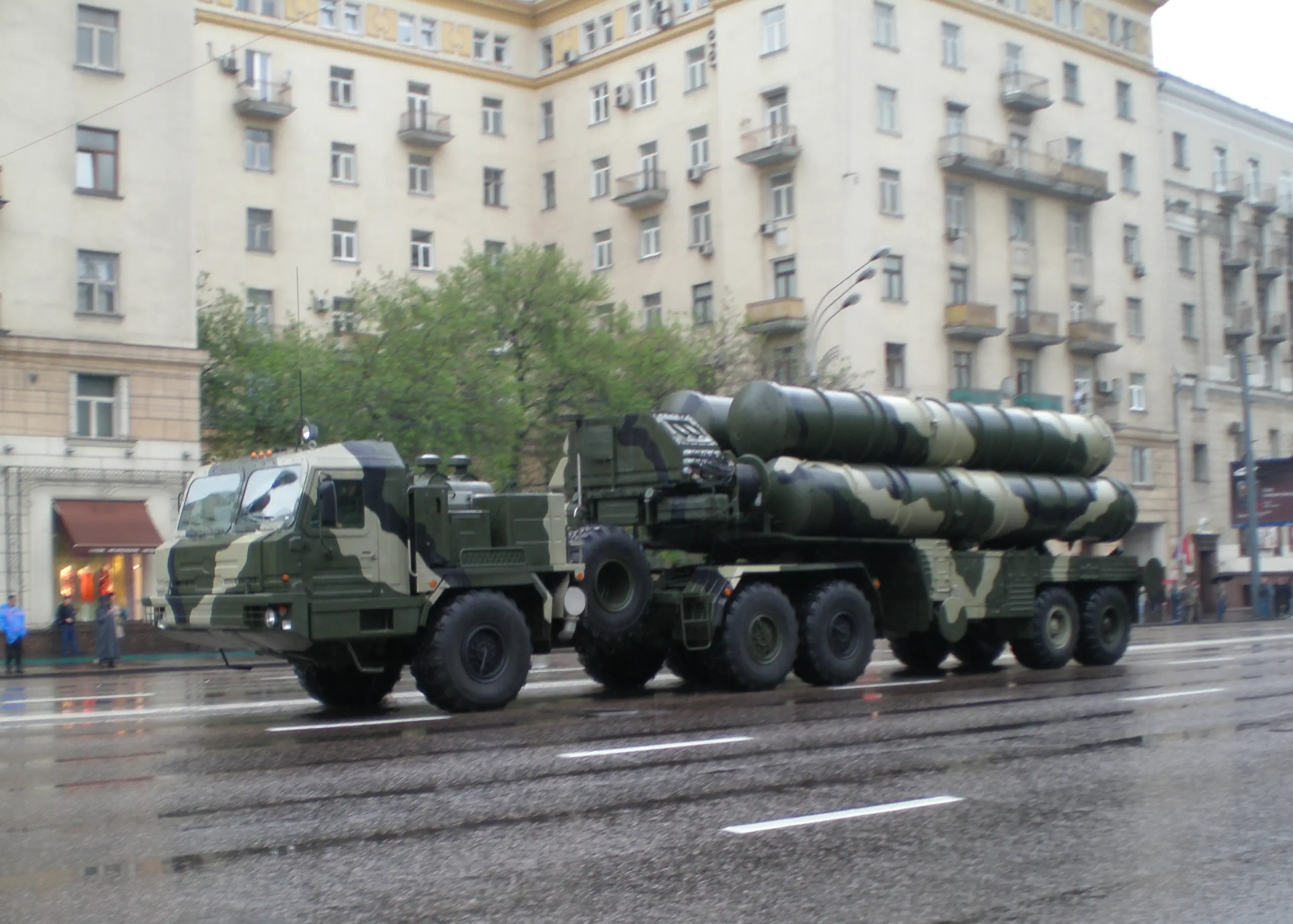
3. Radar, guidance, and interceptor architecture — how they aim for high-altitude coverage
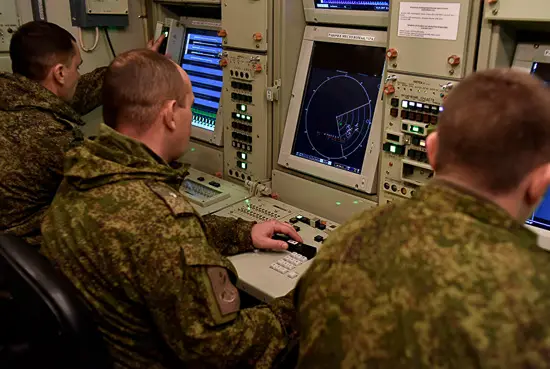
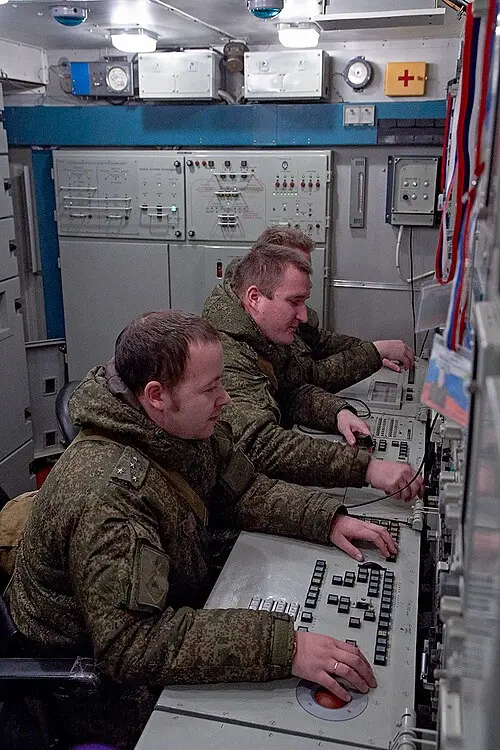
The S-500 uses a suite of radars: long-range acquisition radars, engagement radars, and ABM-capable interceptors (e.g. 77N6-N1) meant for high-speed, high-altitude targets. The HQ-19 reportedly uses a radar + hit-to-kill kinetic interceptors (direct kinetic kill, not explosive warheads) designed to intercept ballistic missiles, hypersonic glide vehicles, or re-entry weapons, suggesting a mix of high-altitude capability and high-velocity interception.
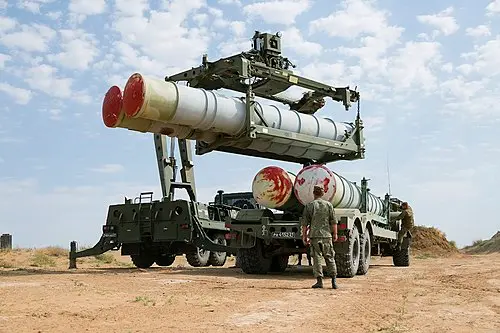
4. Maturity and validation — what we know vs what’s speculative
S-500 is a declared Russian system with some production ongoing, though independent open confirmations of exo-atmospheric or hypersonic intercepts remain limited. HQ-19: China claims operational status since around 2018-2021, but independent verification of long-altitude or space-threat interception remains scarce. Many publications describe its “capability” rather than a proven record.
5. Intended threat sets — not all altitude-capable systems are equal
S-500 aims at a broad array: ballistic missiles (mid- to long-range), hypersonic missiles, aircraft, potentially even low-orbit threats according to some Russian claims. HQ-19 is primarily pitched as ballistic-missile intercept system (MRBM/IRBM), and in some commentary also as a counter to hypersonic glide vehicles or low-orbit threats. But such “space-threat” or “satellite-defence” roles remain speculative rather than openly confirmed.
6. What “covers higher altitudes” really means in practice — and limitations
Both systems claim high-altitude reach, but actual interception depends on multiple factors: target speed, radar fidelity, interceptor performance, threat trajectory, and real-time tracking. High-altitude claims must be taken with caution. S-500’s theoretical 200 km ceiling might cover some exo-atmospheric threats but whether this is verified remains unclear. HQ-19’s public claims are similar, but external validation is lacking. Also: intercepting a re-entry vehicle or missile is very different from intercepting orbital satellites or high-altitude warheads, both altitude and velocity profiles differ significantly.
7. Verdict: On paper, both aim high; in practice, uncertainty remains
- On paper, both S-500 and HQ-19 claim upper-atmosphere / near-space intercept capability, with altitude ceilings around 180–200 km.
- On paper, radar + kinetic interceptor architecture in both suggests intent to engage high-speed, high-altitude threats.
- In practice, there is no open, independently verified record that either has intercepted an object in near-space or demonstrated confirmed satellite/ASAT capability.
- Therefore: while both systems represent state-of-the-art upper-tier missile defence ambitions, their real-world altitude coverage remains uncertain. For planners and analysts the safe assumption should be: both are potential high-altitude shields, but neither should be treated as proven exo-atmospheric interceptors yet.
)
)
)
)
)