Russia’s S-500 defence system: Understanding radar, launch vehicles, command systems and more

Russia states that the S-500 has entered limited service with its air-defence forces. Independent analysts believe only a small number of batteries are currently active while production scales up.
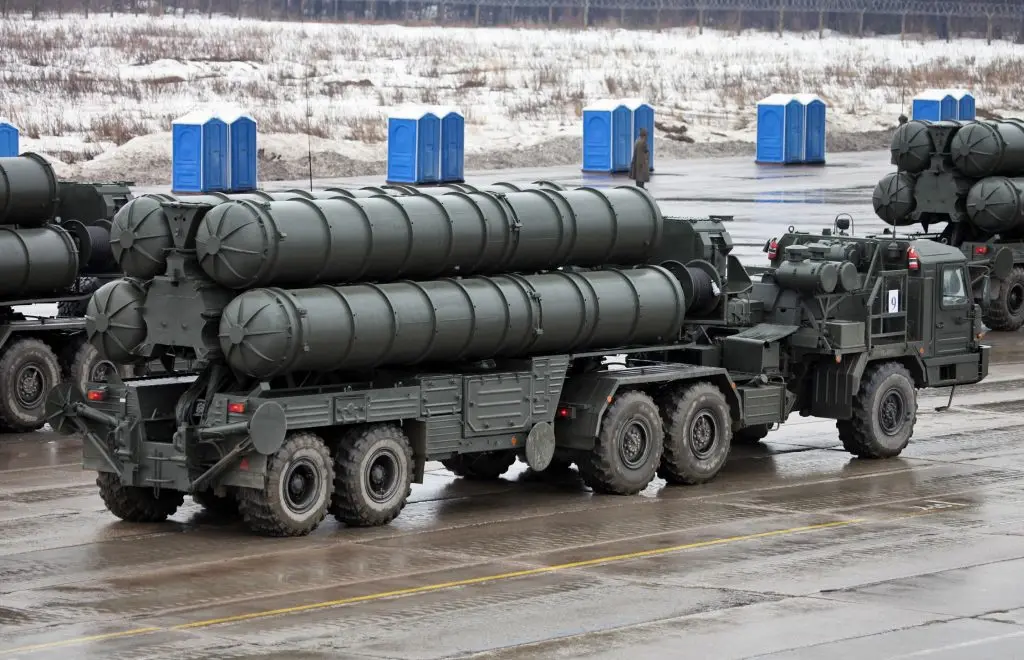
1. The S-500 is Russia’s newest long-range air and missile defence system
Known as S-500 Prometey, it is designed to counter a wider class of threats than the S-300 or S-400. Russia describes it as capable of intercepting ballistic missiles, hypersonic weapons, and high-altitude objects. It fills the upper tier of Russia’s layered air-defence architecture, sitting above the S-400.
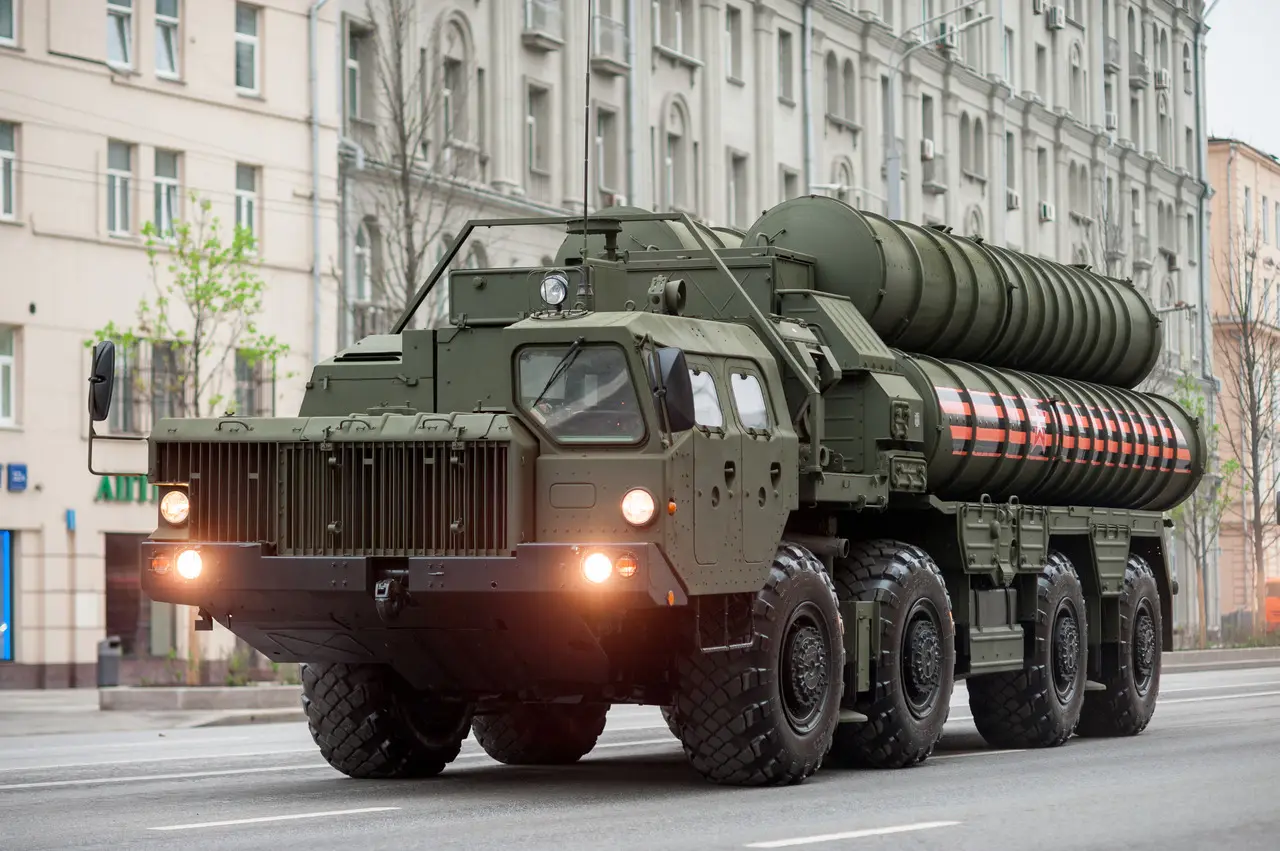
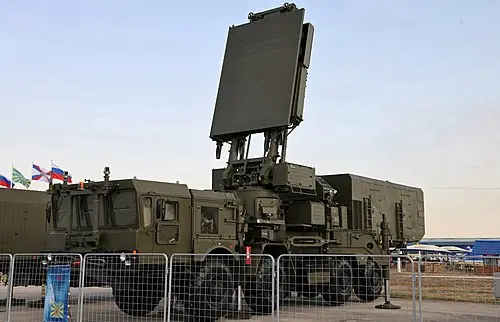
2. The radar architecture is built to detect fast and high-altitude targets
The S-500 uses a combination of long-range early-warning radars, high-precision tracking radars, and engagement radars. These include large phased-array systems intended to detect ballistic and hypersonic targets at great distances. The radar suite is designed to operate across different frequency bands to improve detection of stealthy or high-velocity threats.
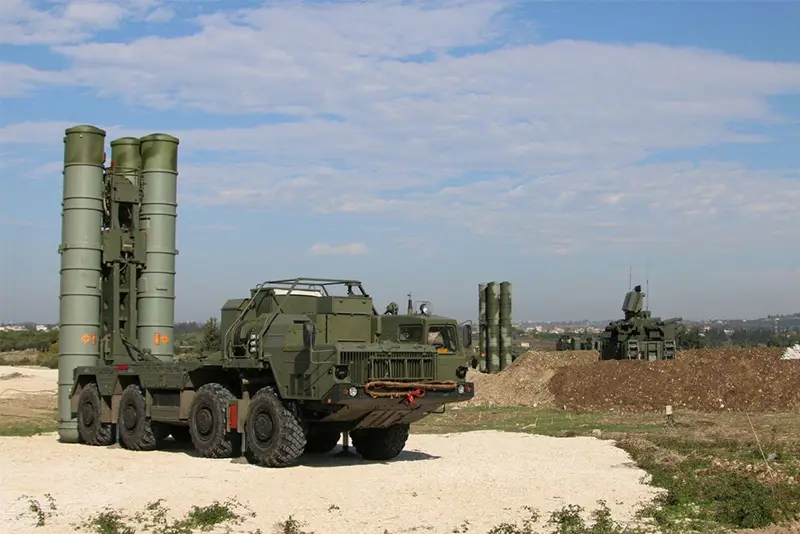
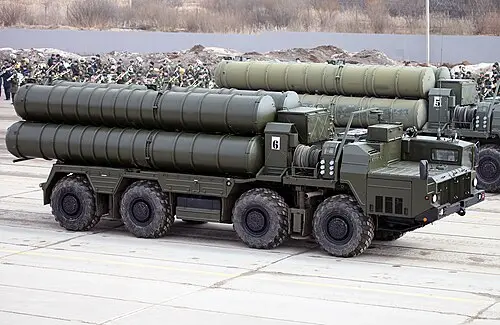
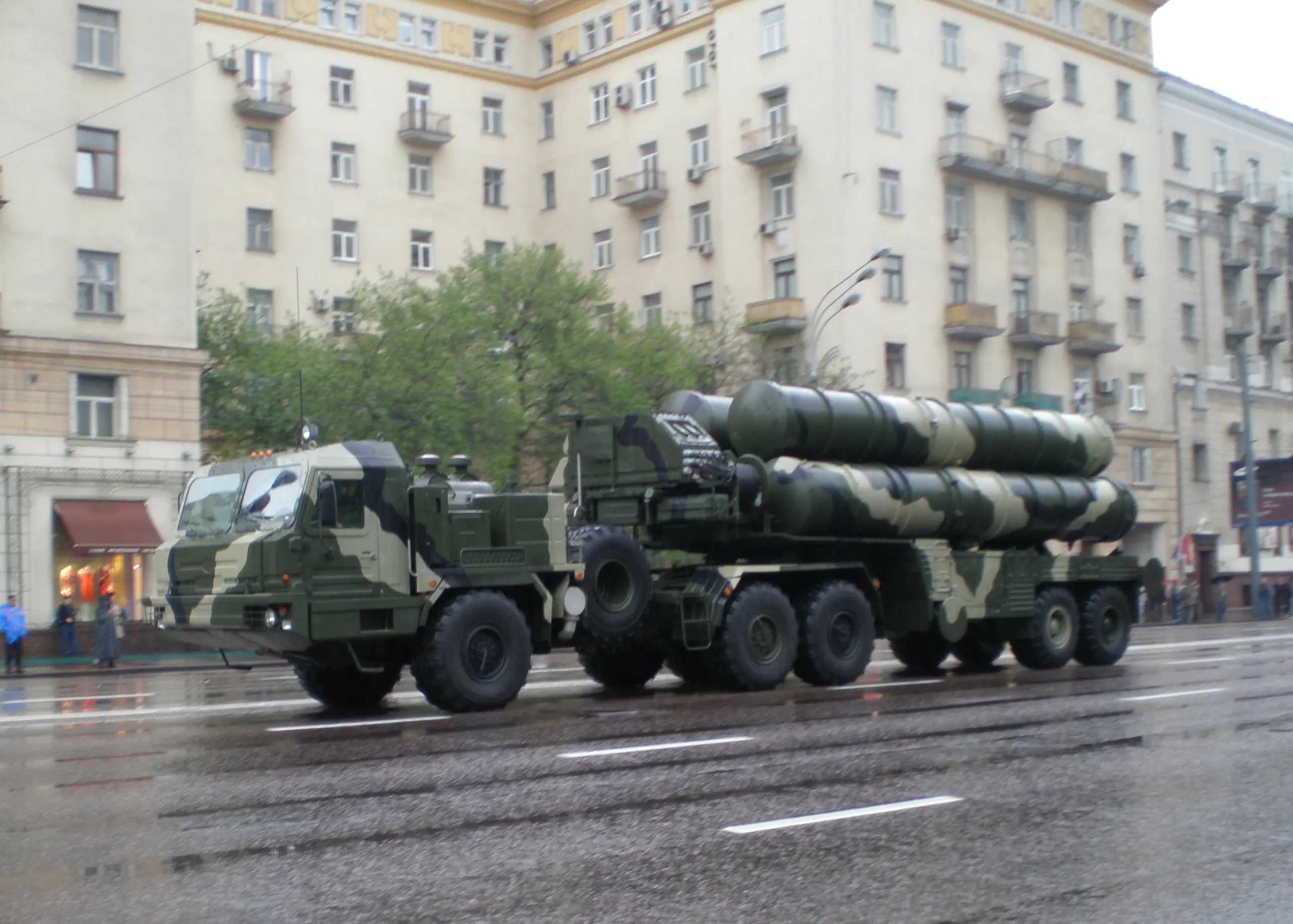
3. Mobile launch vehicles provide rapid deployment and large engagement zones
The system uses 8x8 and 10x10 wheeled transporter-erector-launchers (TELs) capable of carrying large interceptor missiles. These vehicles allow the S-500 to relocate quickly, reducing vulnerability to pre-emptive strikes. Each launcher typically carries two large anti-ballistic missiles or four medium-range interceptors, depending on the mission loadout.
4. Command and control units integrate sensors, radars and interceptors
The S-500 command post coordinates data from its radars, neighbouring air-defence systems and national early-warning networks. It processes real-time information about incoming threats, assigns targets to launchers, and manages intercept sequences. The command system is built to handle simultaneous engagements against multiple classes of targets.
5. Interceptors are designed for hypersonic and ballistic targets
The S-500 reportedly uses two main categories of missiles:
- Long-range anti-ballistic interceptors intended for high-altitude and near-space threats
- Medium-range interceptors for aircraft and cruise missiles
The long-range missiles are claimed to engage targets travelling at high Mach speeds, including ballistic missiles in mid-course and terminal flight phases.
6. The system operates within a wider layered defence network
Russia integrates S-500 units with S-400, S-300V4 and early-warning radars to create a national air-defence shield. In this structure the S-500 sits at the top, addressing the fastest and highest threats, while other systems handle aircraft and low-altitude missiles. This layered approach is central to Russia’s air-defence philosophy.
7. Operational status remains limited but development continues
Russia states that the S-500 has entered limited service with its air-defence forces. Independent analysts believe only a small number of batteries are currently active while production scales up. Export discussions with countries like India have been mentioned publicly, but no deliveries have taken place. The system is still evolving, with further testing expected.
)
)
)
)
)