Russia’s ‘Poseidon’ drone: The doomsday nuclear weapon capable of triggering tsunamis

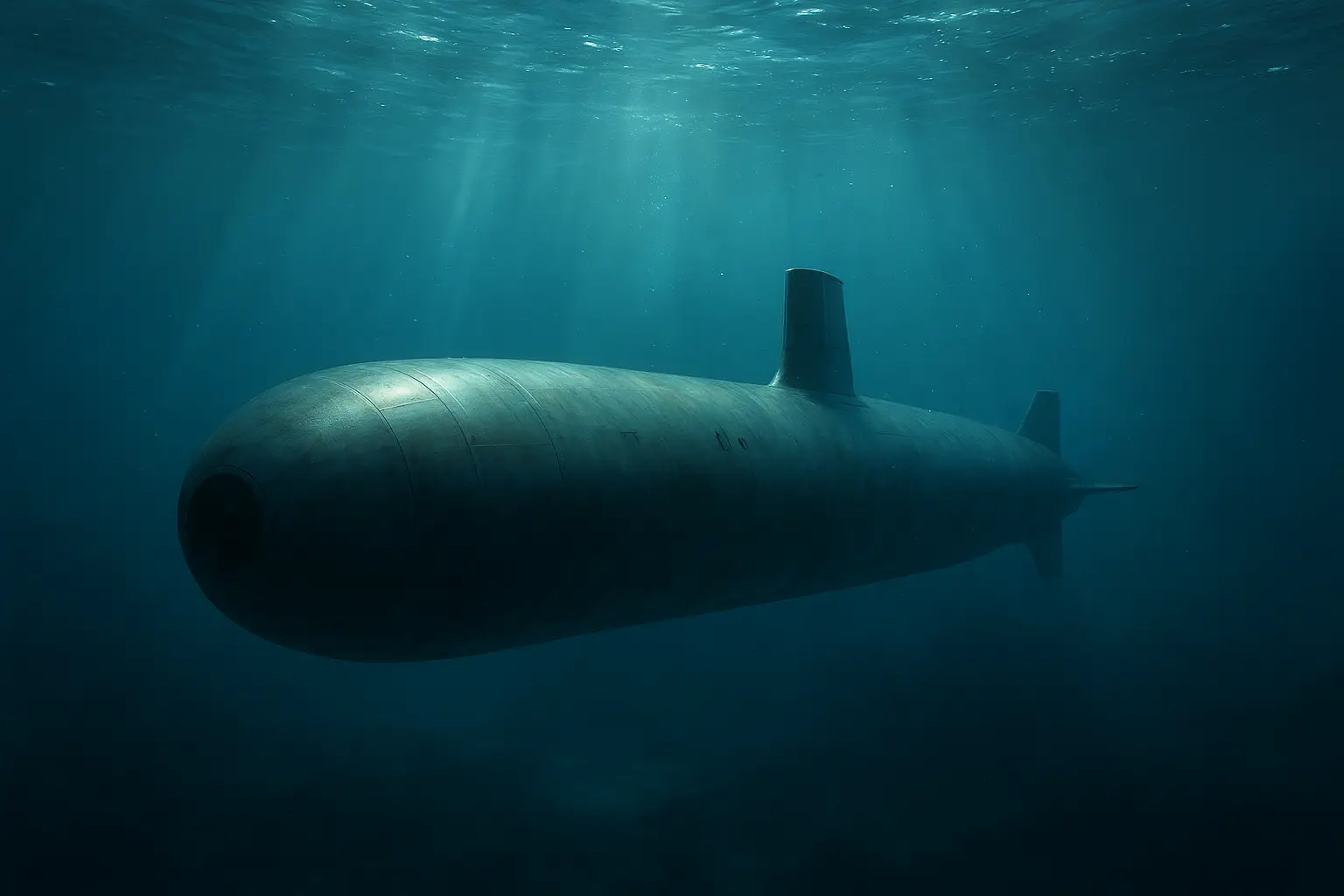
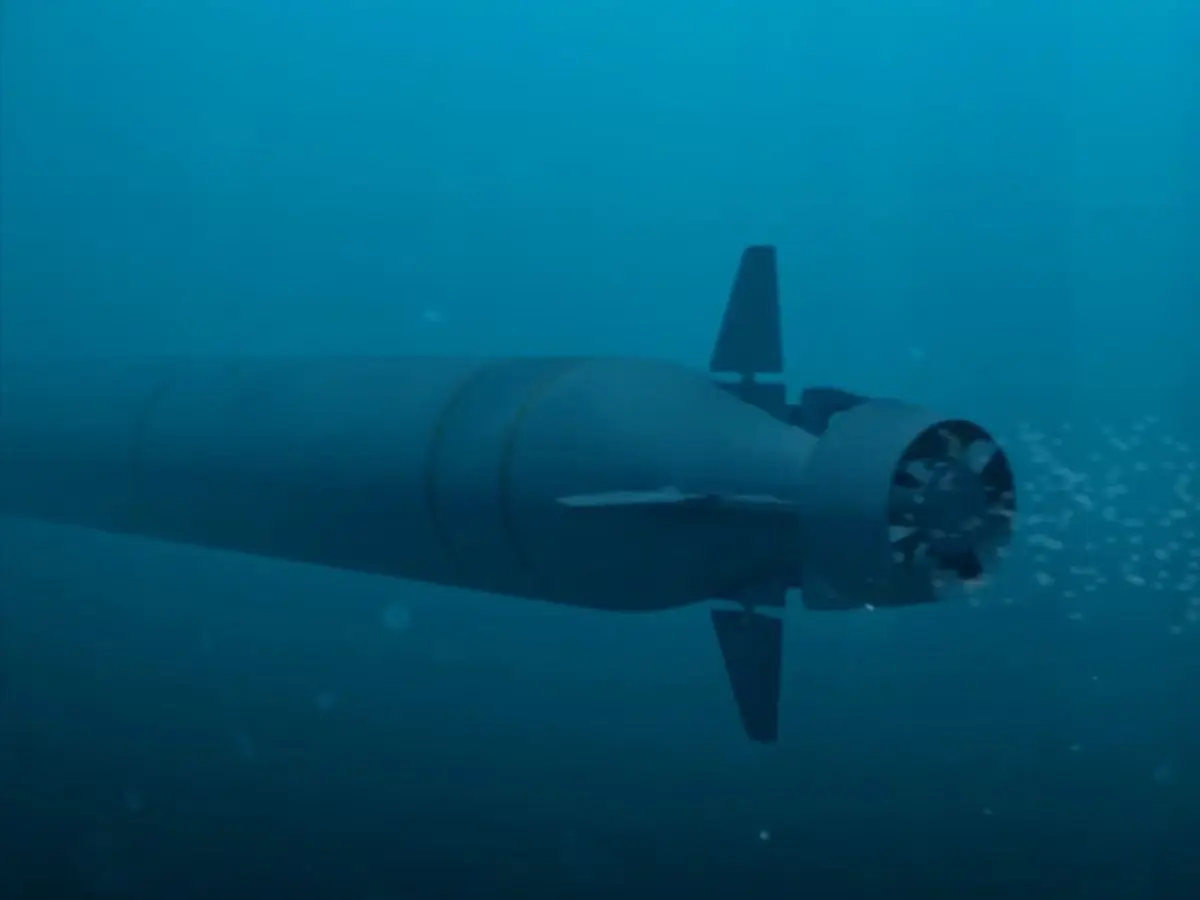
Described as a nuclear-powered, nuclear-capable unmanned underwater vehicle (UUV), Poseidon can be launched like a torpedo and is designed to trigger massive radioactive tsunamis.
A new weapon unveiled
Over tea and cakes with veterans of the Ukraine war, President Vladimir Putin made an announcement, Russia had successfully tested a new weapon, the Poseidon underwater drone. Described as a nuclear-powered, nuclear-capable unmanned underwater vehicle (UUV), Poseidon can be launched like a torpedo and is designed to trigger massive radioactive tsunamis. Putin hailed it as a system with “no equivalent in the world”, claiming it could “render entire states inoperable”.
What is Poseidon?
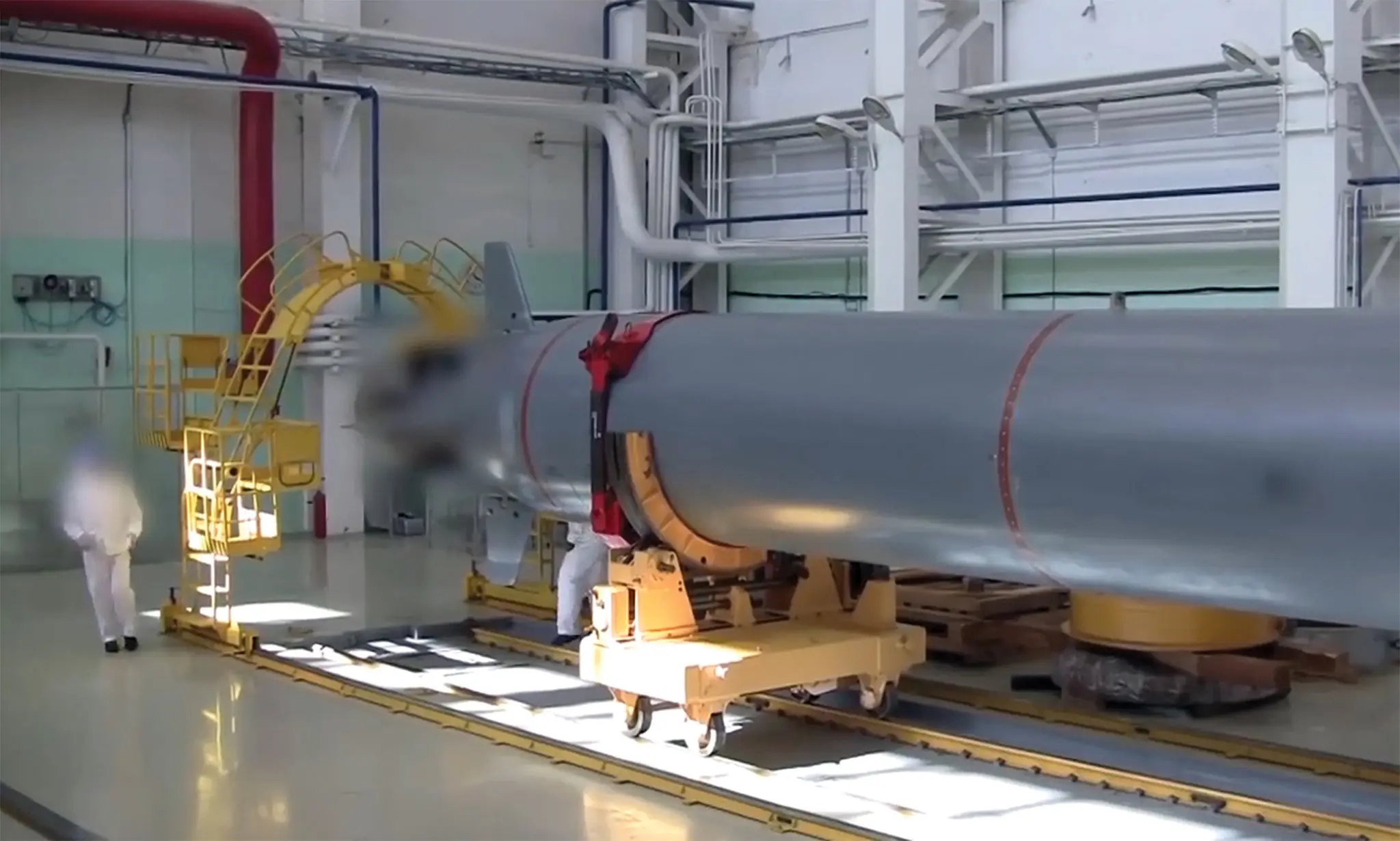
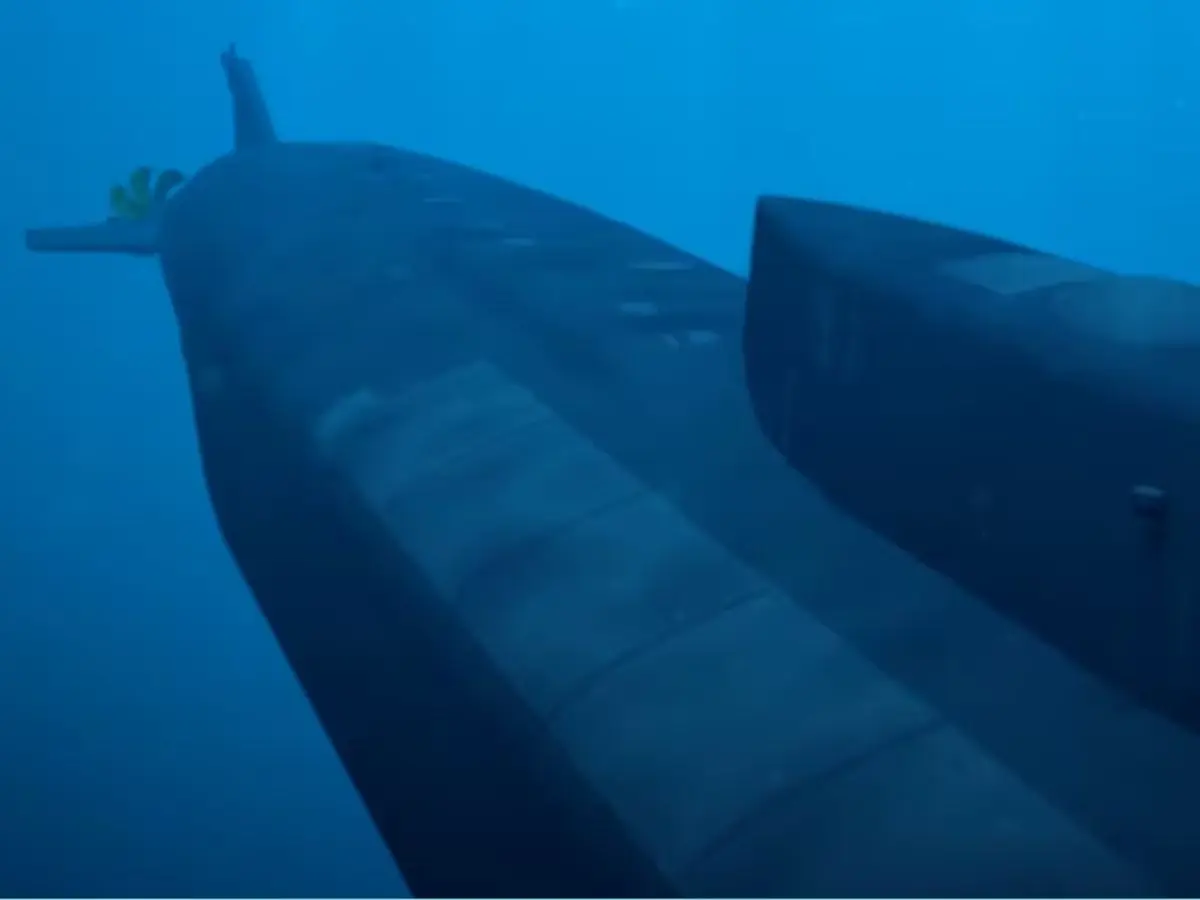
Poseidon, also known by its project name Status-6, is a nuclear-powered underwater drone intended to strike coastal targets or naval bases. Unlike traditional nuclear weapons launched from land or air, Poseidon operates deep beneath the ocean, making it nearly impossible to detect or intercept. Russian officials have claimed it can be deployed from specialised submarines such as the Belgorod and remain submerged for extended periods before striking.
Capabilities and performance
According to Russian briefings, Poseidon can dive deeper and travel faster than any existing torpedo or submarine. It is believed to operate at depths exceeding one kilometre and reach speeds of up to 200 kilometres per hour, powered by a miniature nuclear reactor said to be 100 times smaller than those on conventional submarines. The reactor enables virtually unlimited range, while the drone is reportedly capable of carrying a nuclear warhead of up to two megatons, many times the power of typical strategic weapons.
The ‘radioactive tsunami’ concept
The most alarming aspect of Poseidon’s design is its intended method of destruction. The drone is reportedly built to detonate near enemy coastlines, triggering a colossal, radioactive tsunami that could devastate coastal cities and make surrounding regions uninhabitable for decades. Russian military analysts have described this as a “psychological deterrent”, a weapon designed to sow fear as much as to cause physical destruction.
Strategic purpose and timing
The timing of the Poseidon test is significant. It came only days after Russia conducted a test of the Burevestnik nuclear-powered cruise missile, which Putin described as having an “unlimited range”. Together, the two systems demonstrate Moscow’s determination to modernise its nuclear arsenal and signal defiance against Western pressure amid the ongoing war in Ukraine. Putin said Poseidon’s speed and diving depth make it “impossible to intercept”, and that nothing comparable would emerge “in the near future”.
Technical doubts and development status
While Russian claims about Poseidon are sweeping, much about the system remains unverified. Western analysts caution that Moscow may be overstating its capabilities to enhance deterrence and prestige. Testing such a complex nuclear-powered system poses immense engineering and environmental challenges, and there is no evidence that Poseidon is yet fully operational. Nonetheless, satellite imagery and intelligence suggest that prototype drones have been undergoing sea trials since 2018.

Implications for global security
If deployed, Poseidon would represent a radical shift in nuclear deterrence, a weapon that blurs the line between torpedo, drone, and strategic nuclear delivery system. Its combination of stealth, autonomy, and catastrophic destructive potential introduces new risks to global stability and arms control.
)
)
)
)
)