Russia’s MiG-41 vs China’s J-36: sixth-generation fighter jets signal a terrifying new era of warfare

Russia’s MiG-41 and China’s J-36 are next-gen fighter jets set to reshape future air combat. With hypersonic speed, stealth, and AI tech, they may enter service by 2035 and which will most likely shift global air power.
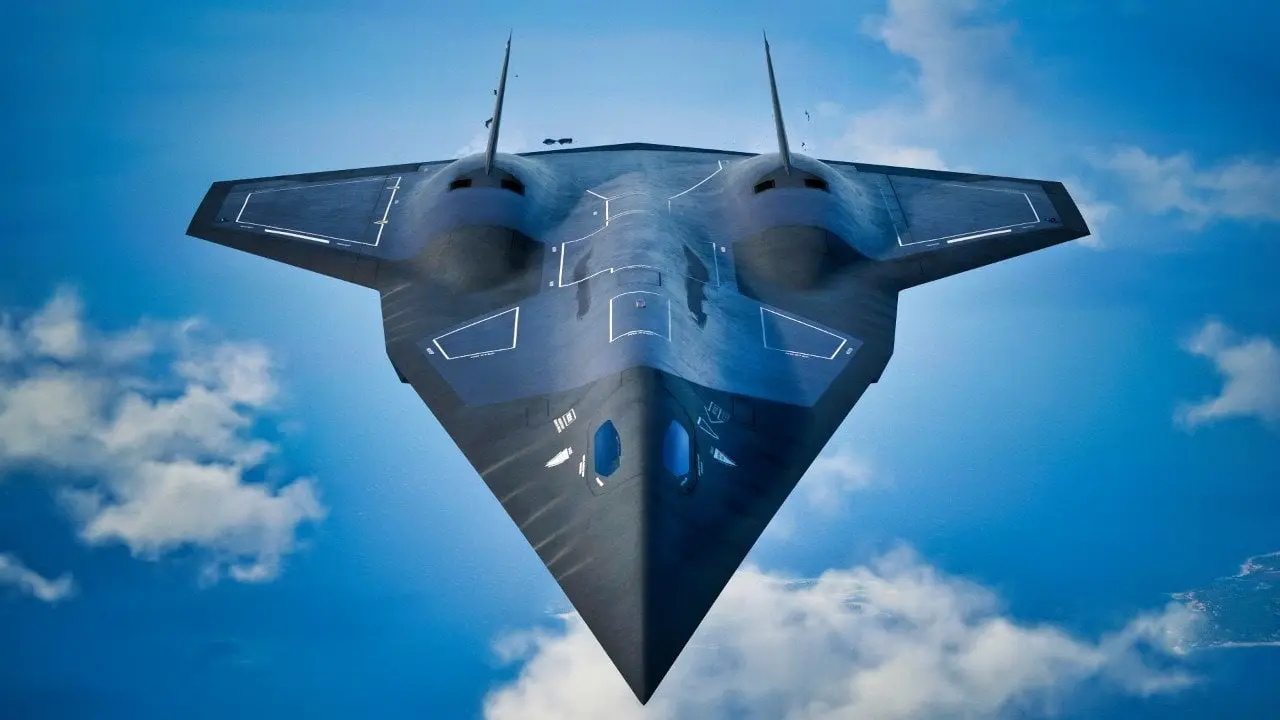
The Sixth-Gen Fighter Showdown
Russia’s MiG-41 and China’s J-36 are two of the world’s most anticipated sixth-generation fighter jets. Both nations aim to lead the next era of air combat with advanced speed, stealth, and AI. According to multiple defence reports, these jets could change the balance of power in the skies by 2035.
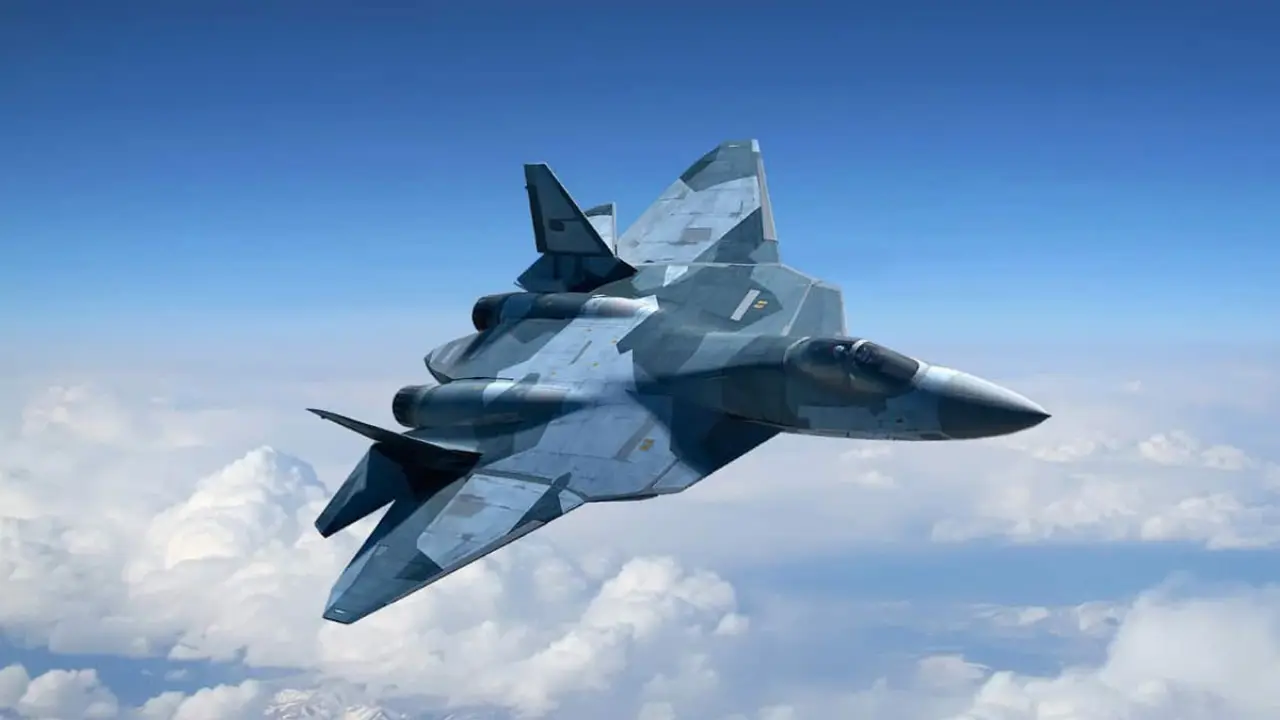
MiG-41 - Russia’s Hypersonic Interceptor
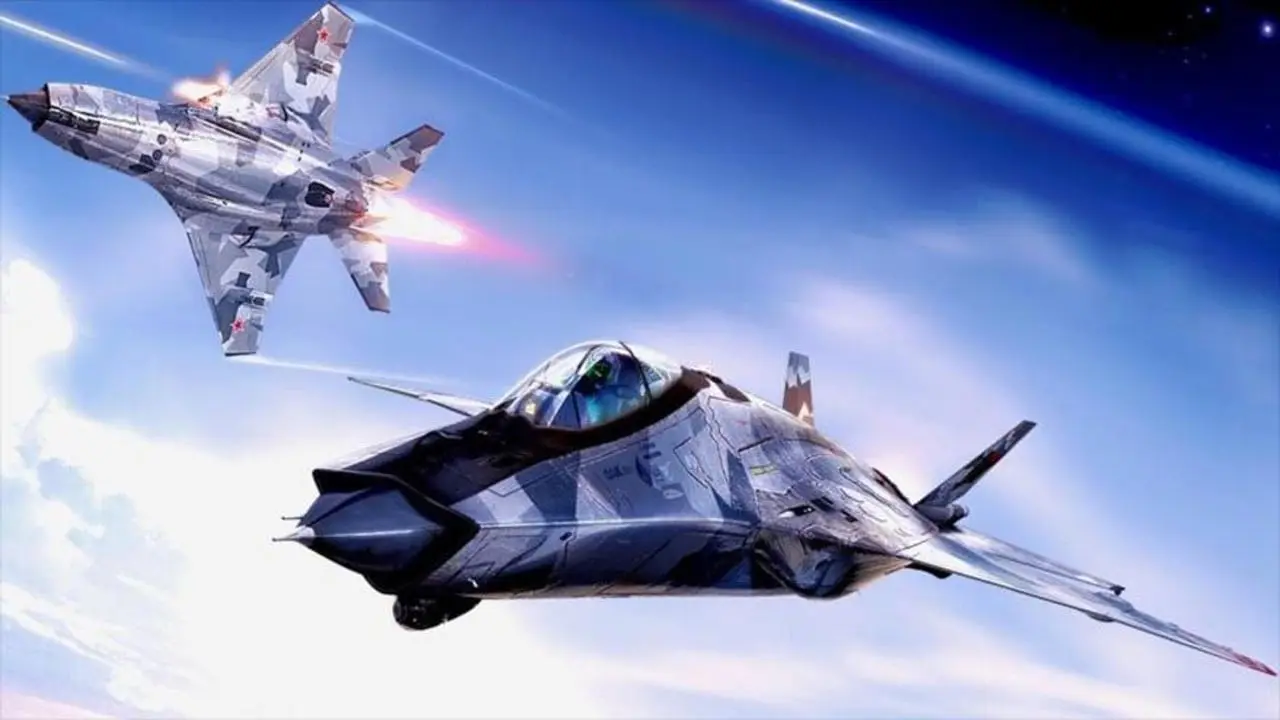
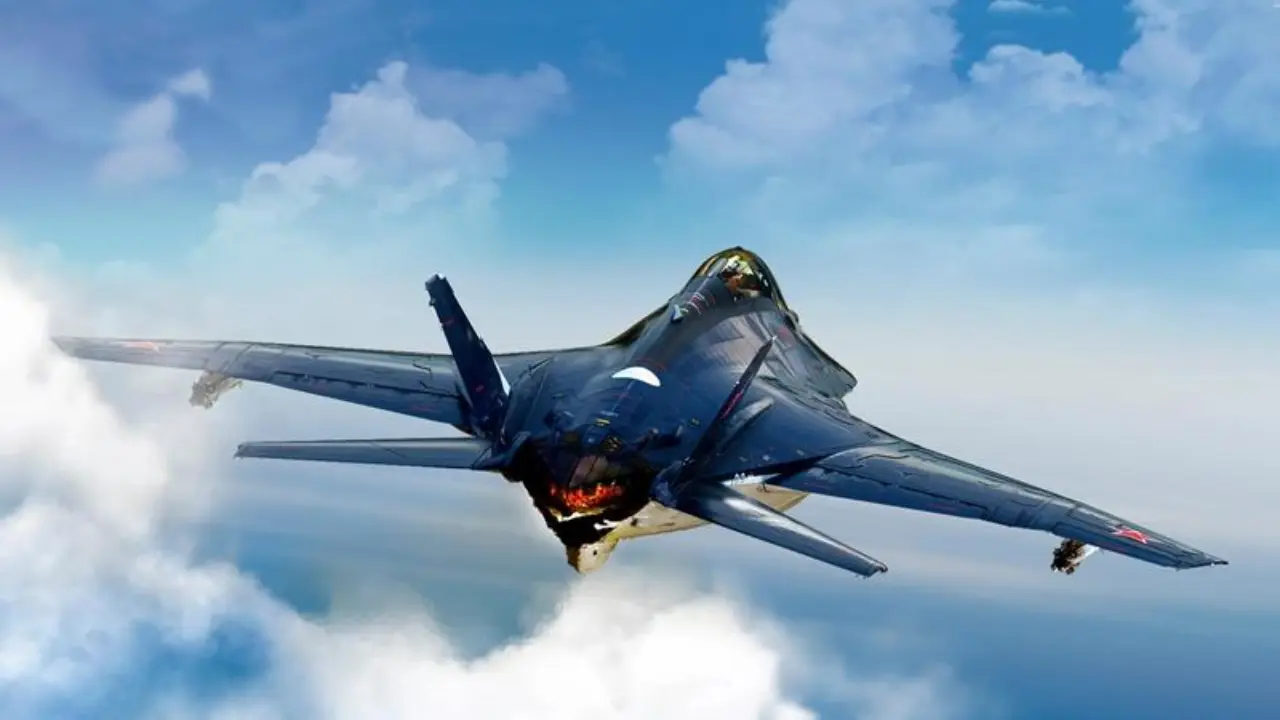
The MiG-41, also called PAK DP, is designed to replace the MiG-31. According to Russian sources, it targets hypersonic speeds over Mach 4, high-altitude flight near space, and advanced stealth. The jet may feature anti-missile lasers and the option for unmanned operation. However, few analysts question whether Russia can deliver all these features on time.
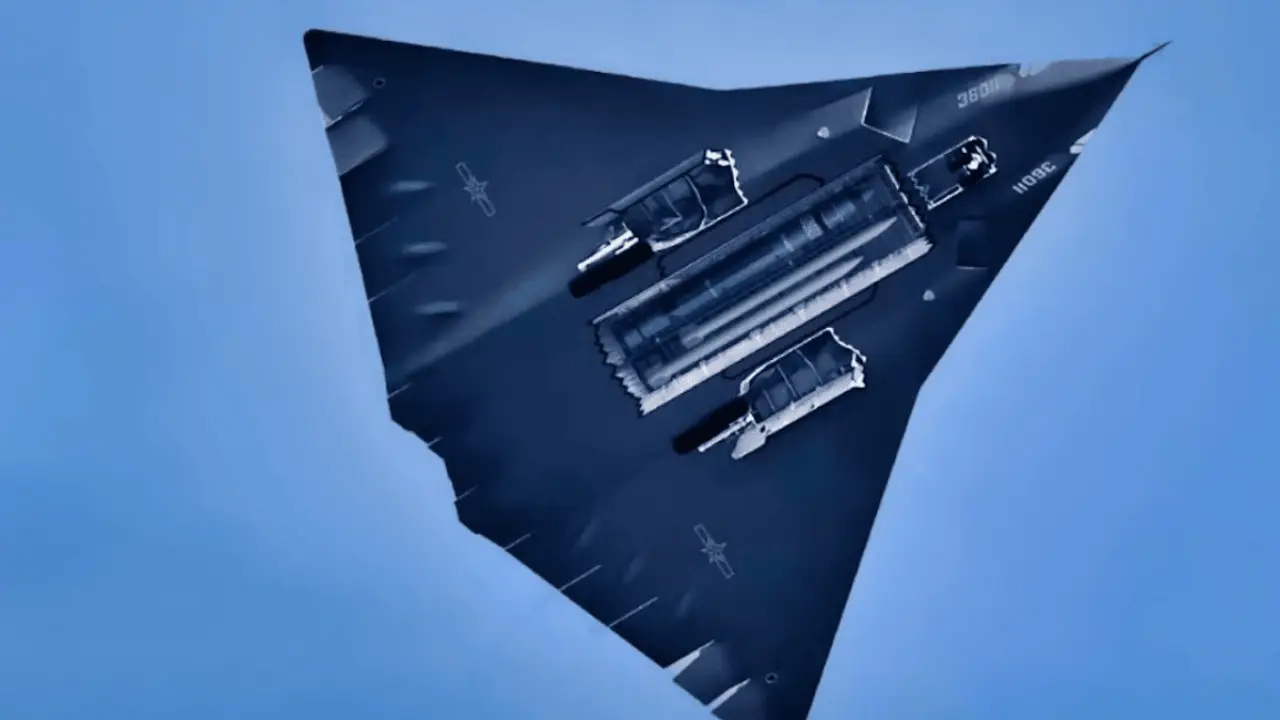
J-36 - China’s Stealth Trijet
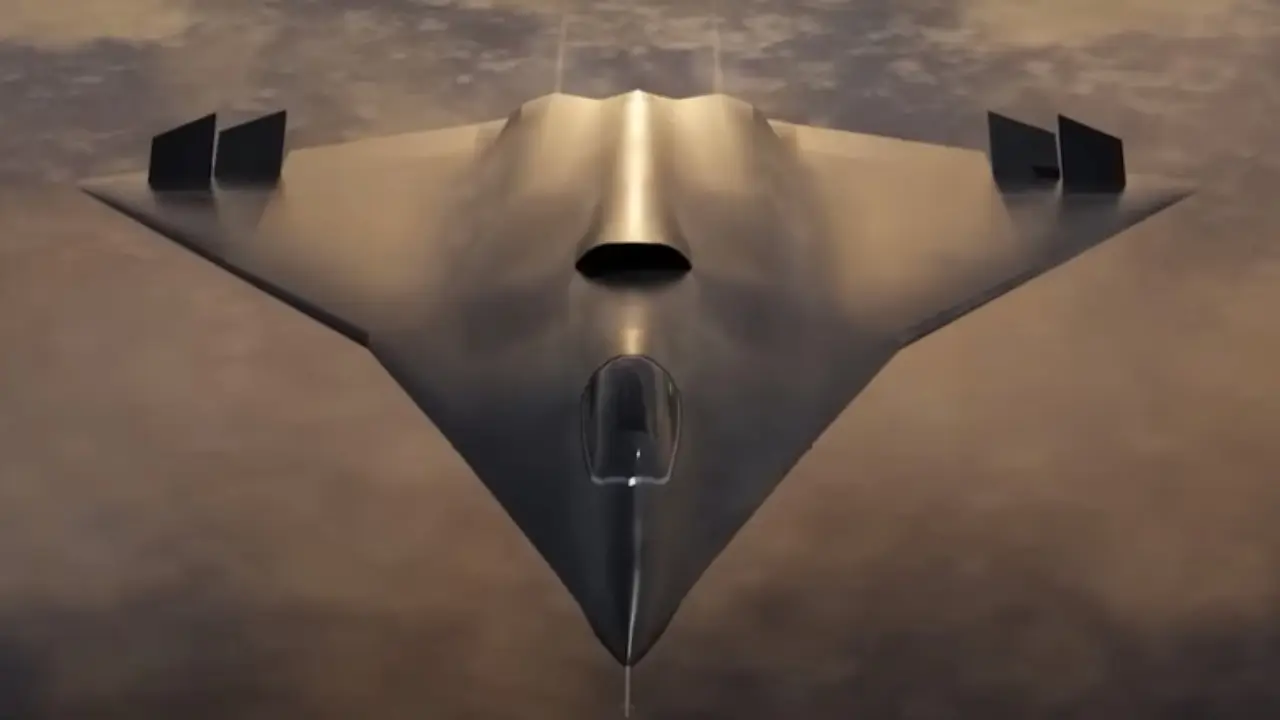
China’s J-36, developed by Chengdu Aircraft Corporation, is a large, tailless, triple-engine fighter. Reports say it focuses on stealth, AI, and long-range missions, with a combat radius of about 3,000 km and a top speed of Mach 2.5. Its design uses advanced radar-absorbing materials and a flying wing shape for low visibility.
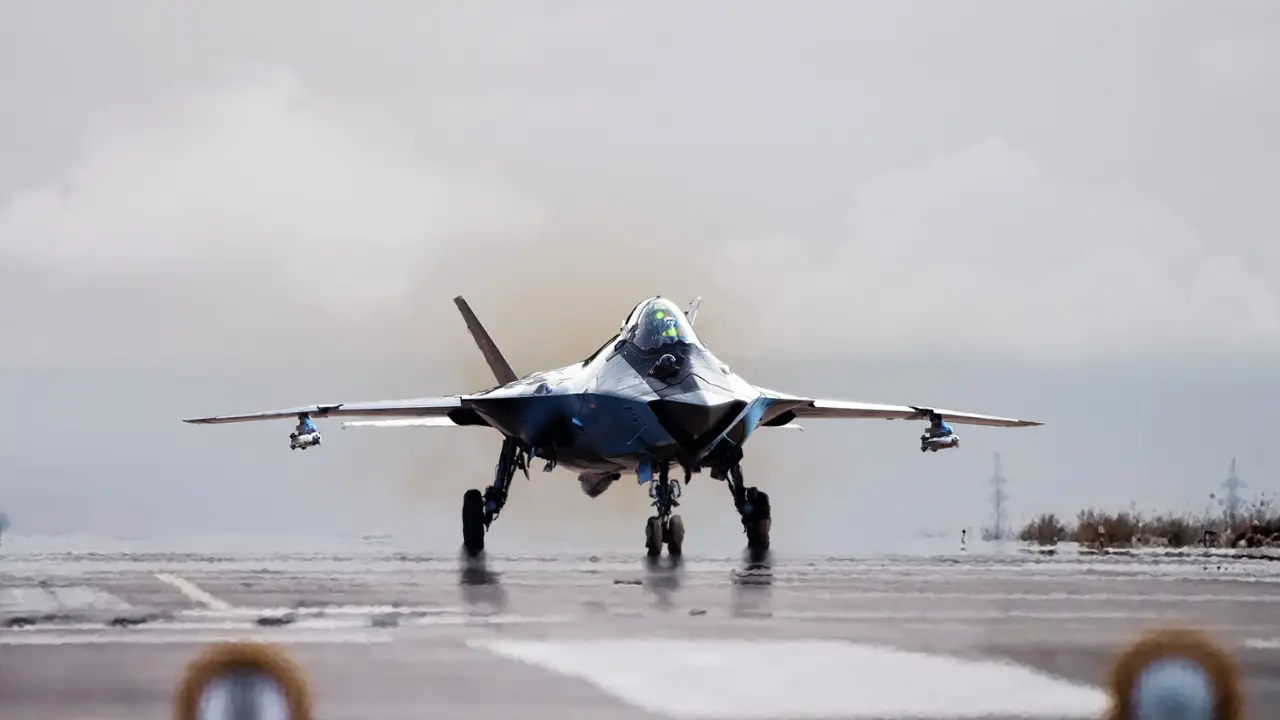
Speed and Range - Who’s Faster?
The MiG-41 is expected to reach speeds above Mach 4, possibly up to Mach 5, making it one of the fastest fighters ever built, according to Russian defence analysts. The J-36’s maximum speed is estimated at Mach 2.5, but it has a longer range, with a combat radius of up to 3,000 km, as per Chinese military publications.
Stealth and Avionics
Both jets use advanced stealth technology. The MiG-41 is designed for minimal radar detection and may use AI for pilot support and autonomous missions. The J-36 features a double-delta flying wing, advanced sensors, and AI for drone teaming and electronic warfare, according to Chinese defence analysis.
Weapons and Combat Roles
The MiG-41 is planned as a high-speed interceptor, able to launch long-range missiles and intercept ballistic threats, with possible anti-missile lasers. The J-36 is more versatile, with large internal weapon bays for air-to-air and air-to-ground missiles, including the PL-17 and YJ-12, and can act as a command centre for drone operations.
Challenges and Future Impact
According to defence experts, both jets face technical and financial hurdles. Russia’s MiG-41 is ambitious but may struggle with sanctions and costs. China’s J-36 is advancing quickly but relies on maturing engine technology. By 2035, whichever jet succeeds could set the standard for sixth-generation air power.
)
)
)
)
)