Russia is struggling to build more Su-57 fighter jets but India could help! Here's how

India’s established aerospace engineering workforce and partnerships in producing aircraft like the Su-30MKI show it can manage large-scale licensed manufacturing. This experience could help fill Russia’s production shortfalls.
Limited Production Capacity in Russia
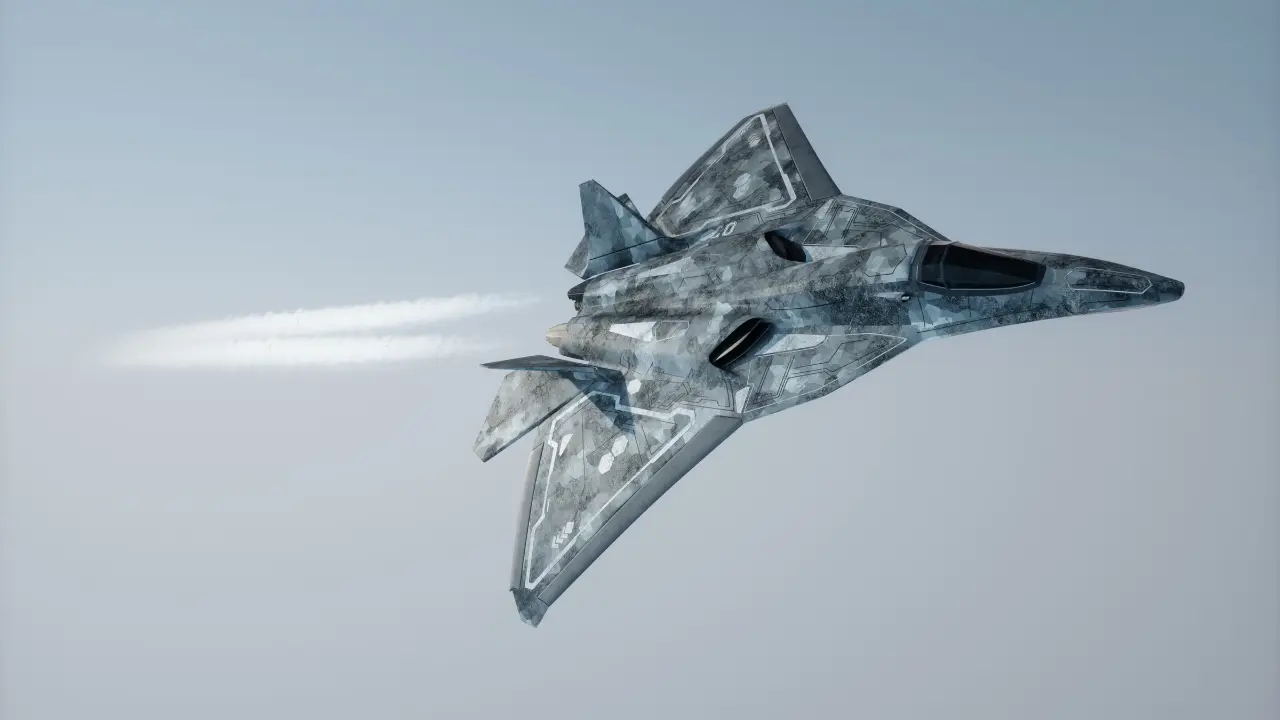
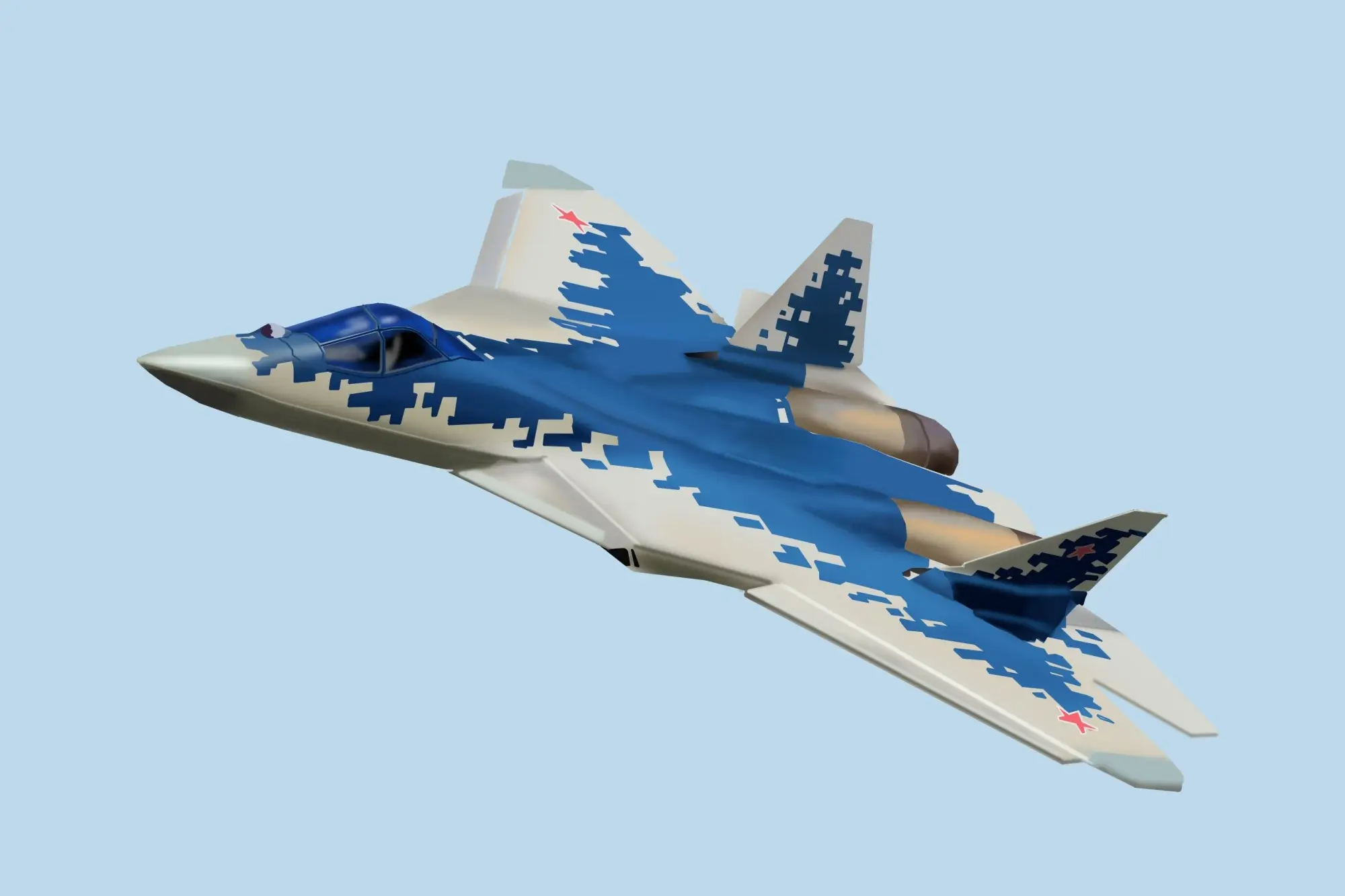
Russia has only a few facilities capable of producing fifth-generation fighters. The Komsomolsk-on-Amur plant, responsible for the Su-57, is also committed to building older aircraft like the Su-35, slowing mass production of the newer jet.
Impact of Western Sanctions
Sanctions have restricted access to advanced materials, electronics, and avionics, all essential for stealth aircraft. These constraints have further delayed large-scale assembly and integration.
Engine Development Delays
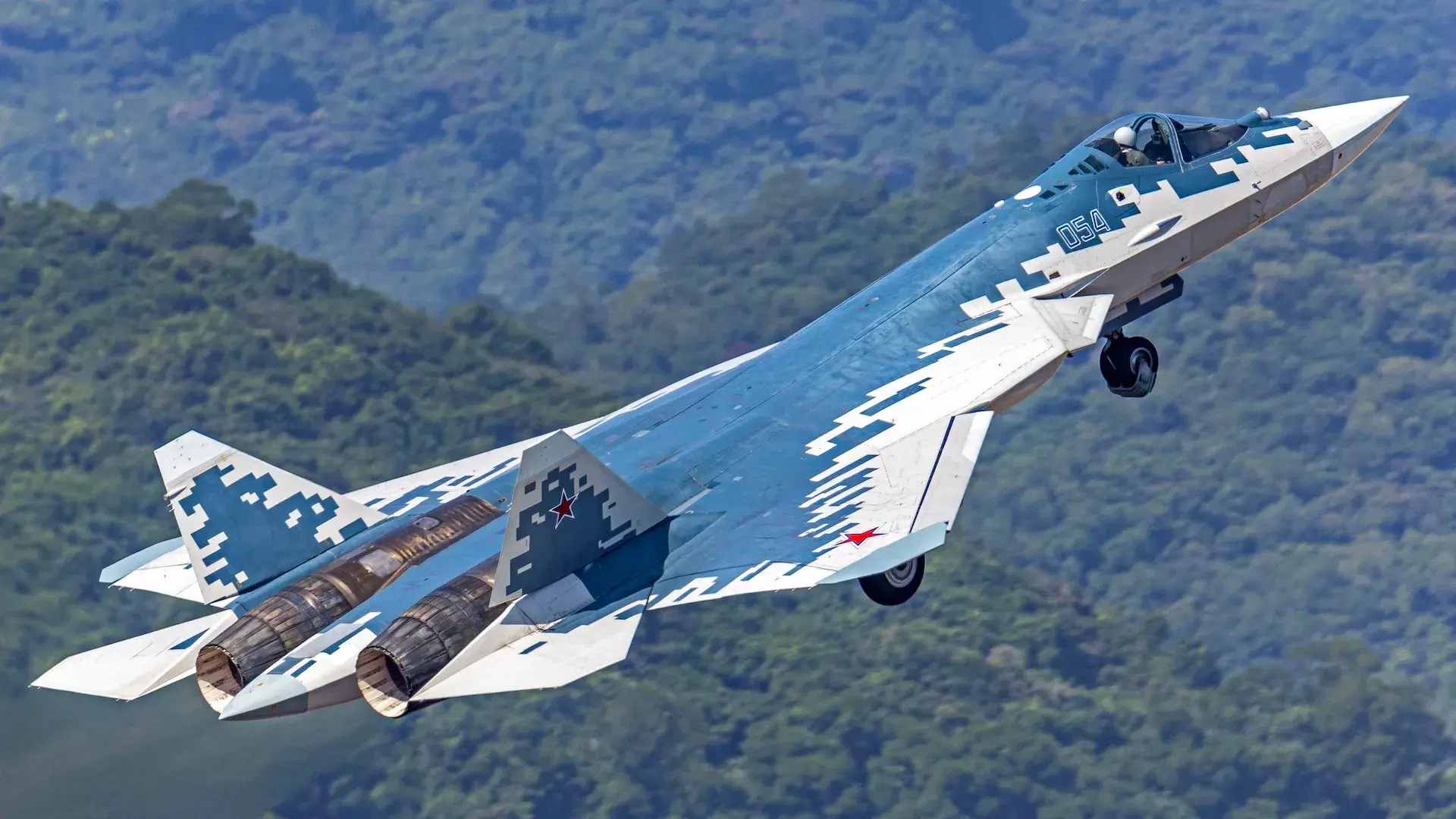
The Su-57 was meant to use the new “Izdeliye 30” engine, but most units still rely on older AL-41F1 engines. Without the promised performance boost, Russia has struggled to present the fighter as a fully matured platform ready for export.
Cost Pressures on the Russian Defence Budget
With resources diverted to ongoing military operations and economic stress, funding for advanced fighter programmes has been limited. This has affected the pace of procurement by the Russian Air Force itself, making exports less convincing.
How India Could Contribute Industrial Support
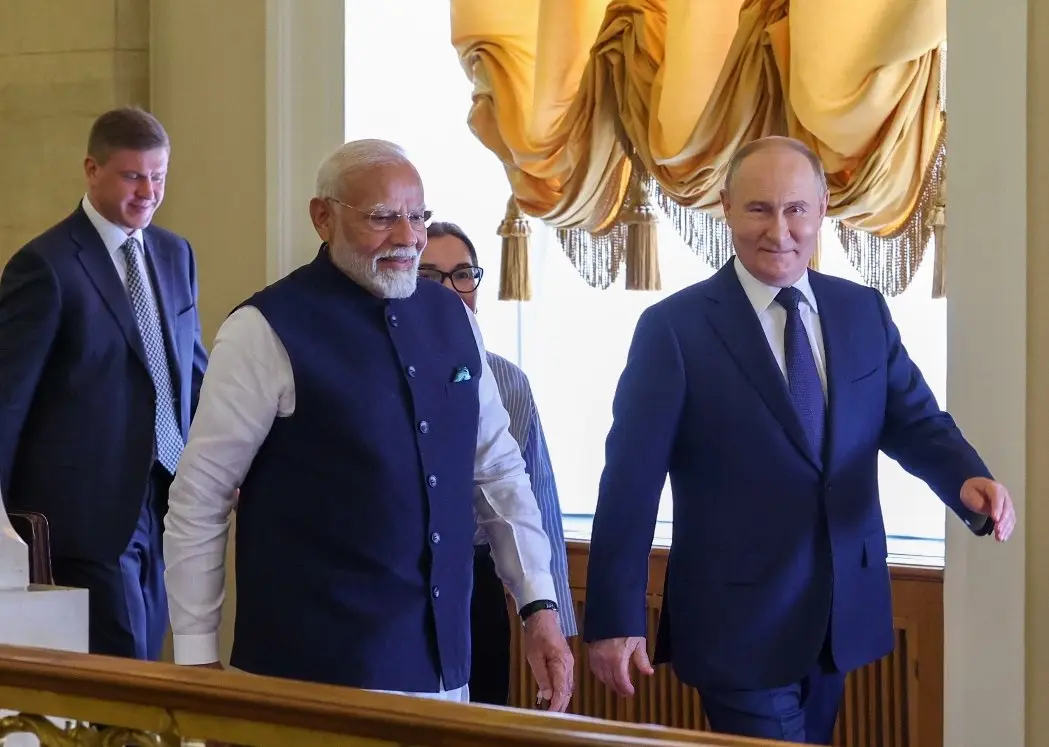
India has extensive aerospace manufacturing infrastructure through HAL and private firms. Local production or joint assembly of components could reduce Russia’s production bottlenecks and allow faster scaling of Su-57 units.
Access to Skilled Workforce and Supply Chains
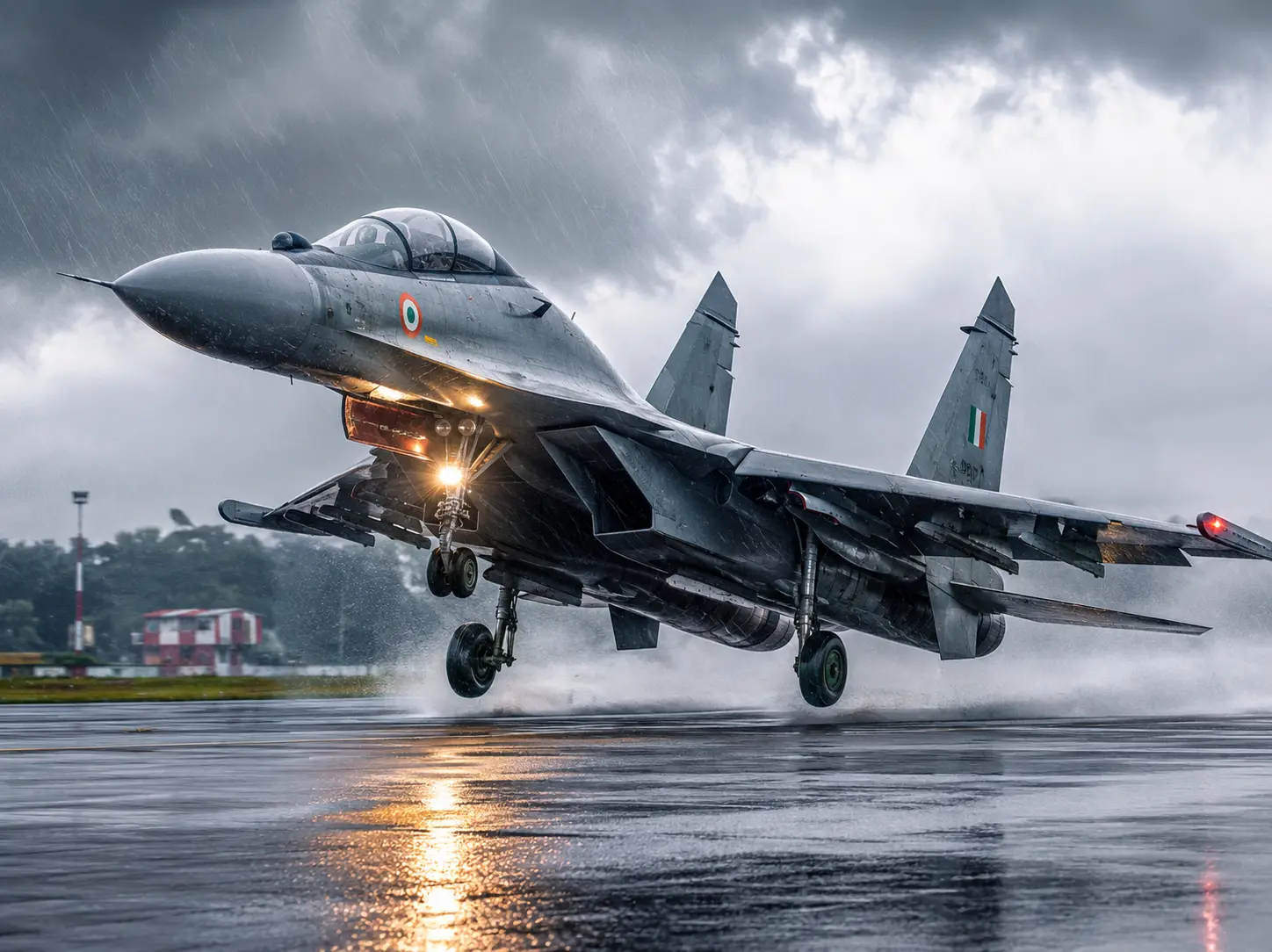
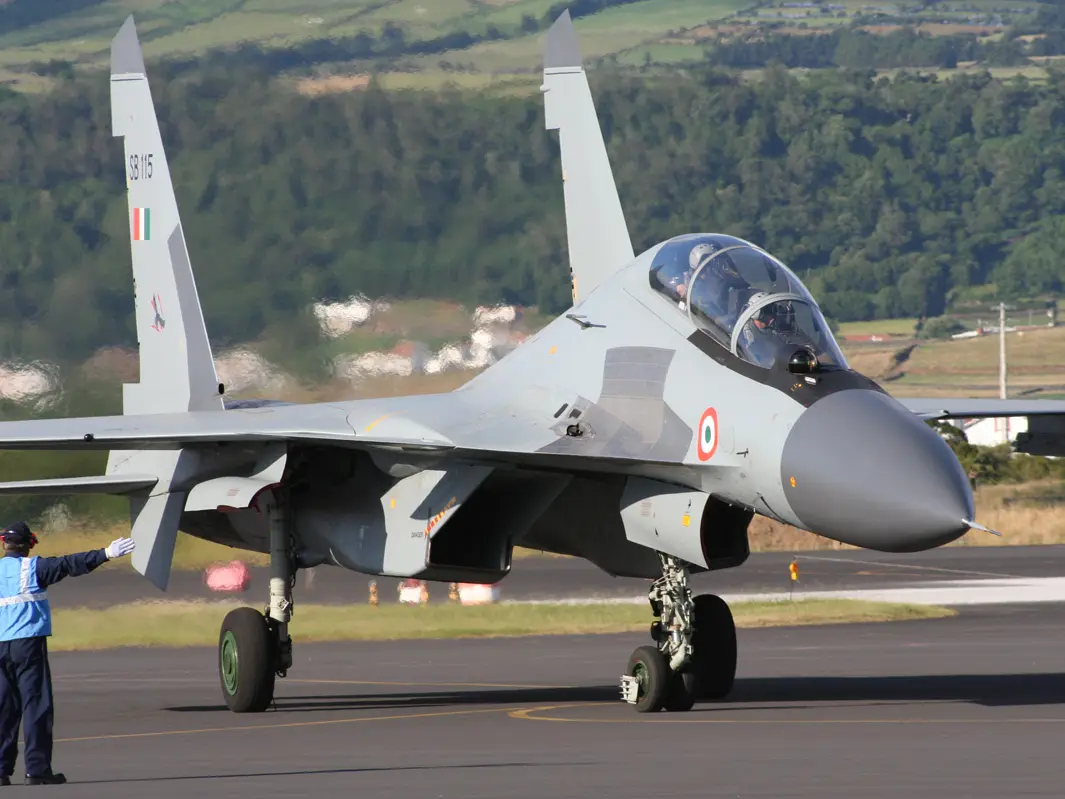
India’s established aerospace engineering workforce and partnerships in producing aircraft like the Su-30MKI show it can manage large-scale licensed manufacturing. This experience could help fill Russia’s production shortfalls.
Political and Strategic Considerations
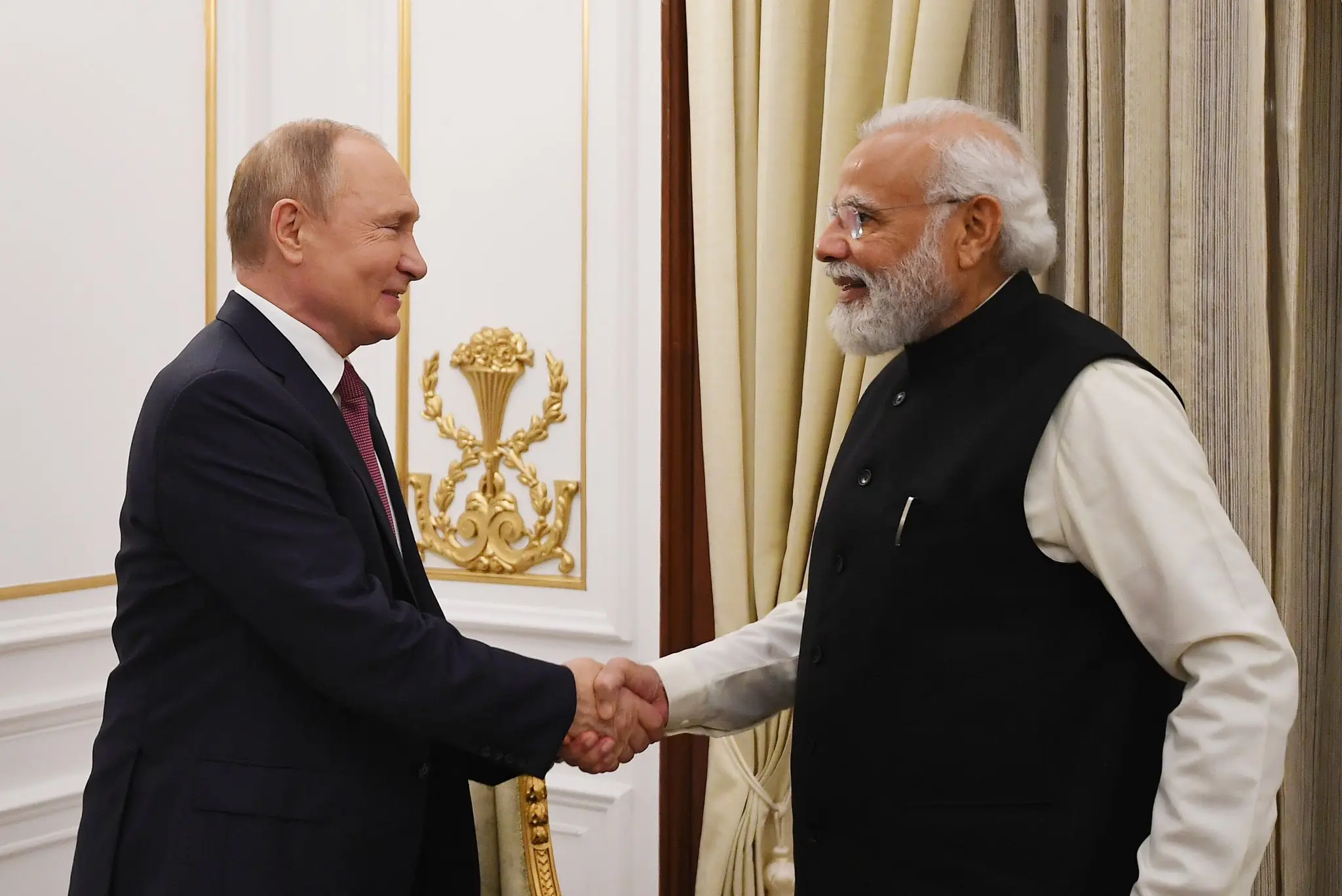
A renewed India–Russia fighter collaboration would depend on New Delhi’s willingness to align with Moscow in defence manufacturing, despite India’s growing ties with Western suppliers. Such a move could give Russia the boost it needs to scale Su-57 output while offering India access to advanced stealth technology.
)
)
)
)
)