Indian rupee becomes Asia’s worst-performing currency- Who else is on the list?

The Indian rupee slumped to a record low of 95.8 against the US dollar, emerging as Asia’s worst-performing currency in 2026 amid rising crude oil prices, foreign investor outflows, and geopolitical tensions.
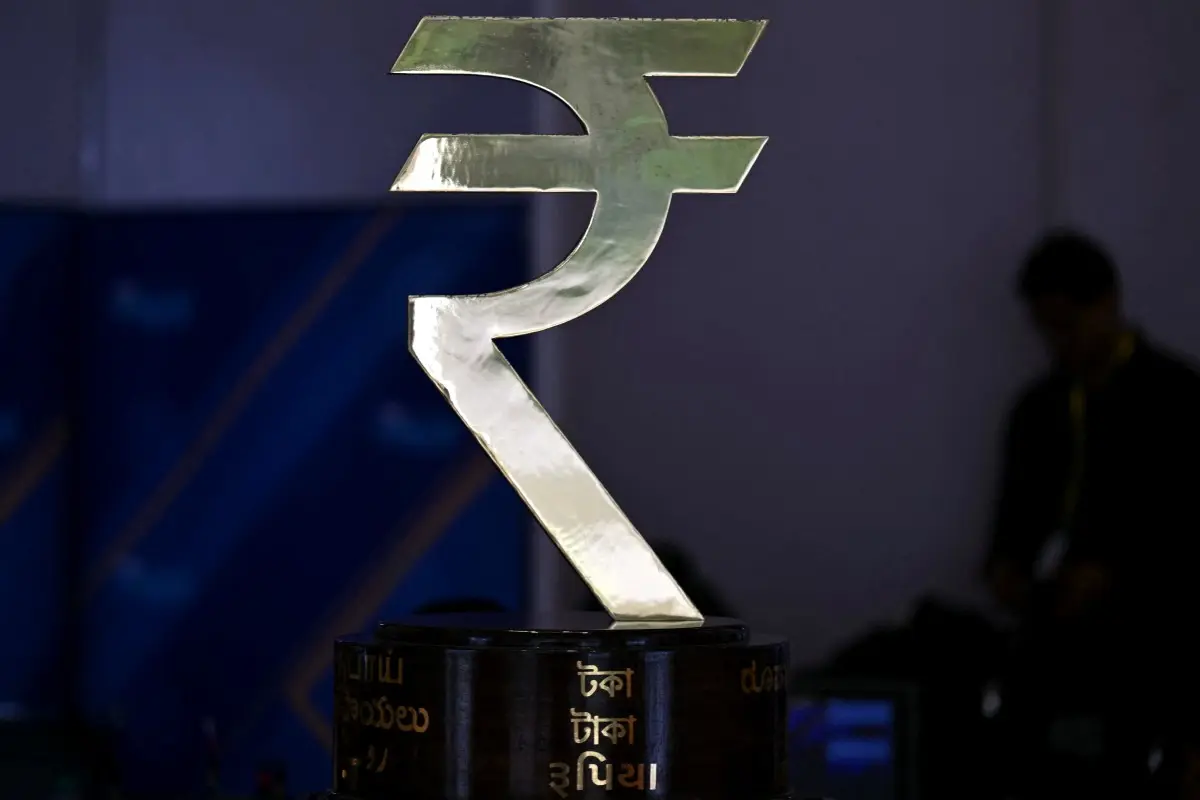
Indian Rupee
The rupee has weakened to a record low of 95.8 against the US dollar on Wednesday, while closing. It has depreciated by over 6.5 per cent since the beginning of 2026 and by 5 per cent since the start of the war in West Asia. It is currently the worst-performing currency in Asia. But attributing the freefall of Indian currency completely to the external oil shock due to the US-Iran war will be an oversimplification of a much more complex and structural problem. This shock is due to years of current account deficits, strict market regulation, record FPI outflows, offshore-onshore arbitrage trading, the global AI disruption, and the service export trap. Then add the import cost surge due to the crude oil crisis. This becomes a monumental mismanagement of the economy, which policymakers were aware of, but were busy in a balancing act between loosening the cuffs and screening speculative trading. The Reserve Bank of India has actively sold dollars via state-run banks near the 95.80–95.90 levels to prevent sharp, speculative panic and cushion the pace of currency depreciation.
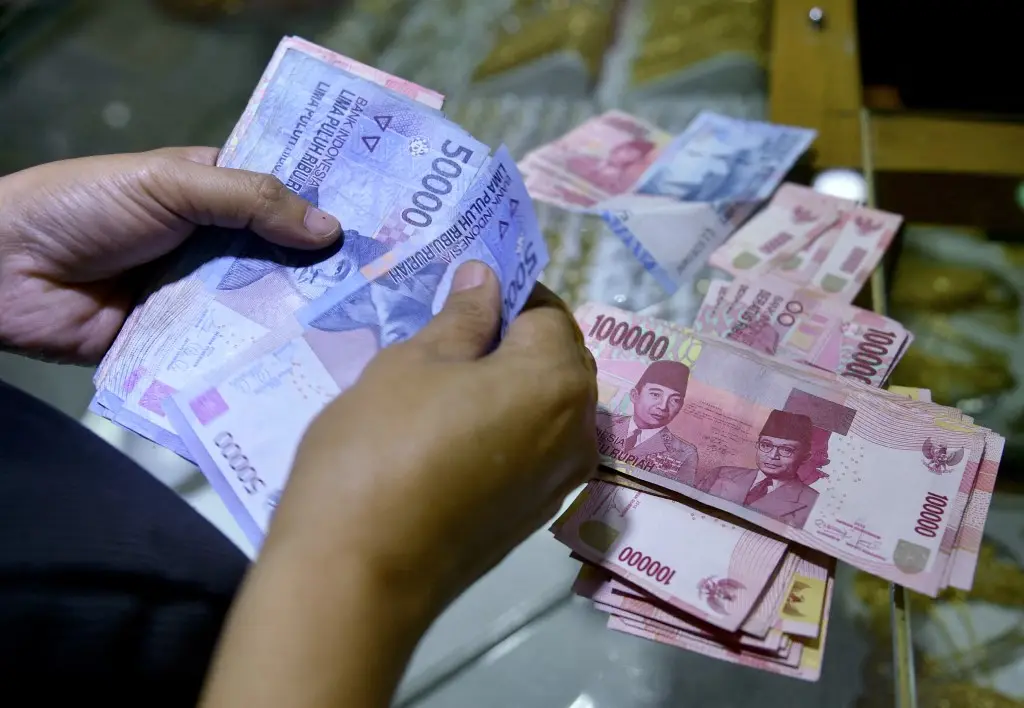
Indonesian Rupiah
The Indonesian rupiah, the country's national currency, weakened past 17,600 per US dollar on Friday morning, depreciating nearly 4.6 per cent since 2026. Bank Indonesia is intervening in spot, DNDF, and NDF markets to stabilise the currency. BI cited dollar strength, geopolitical risk, and outflows from the government bond market (SUN) as the main drivers. However, Indonesia has a low tax-to-GDP ratio, shallow domestic financial markets that rely heavily on volatile foreign portfolio investment, triggering rapid capital flight and currency depreciation during global economic shocks. Finance Minister Purbaya shared optimism that the level has not yet disrupted energy subsidy calculations, signalling no fiscal alarm.
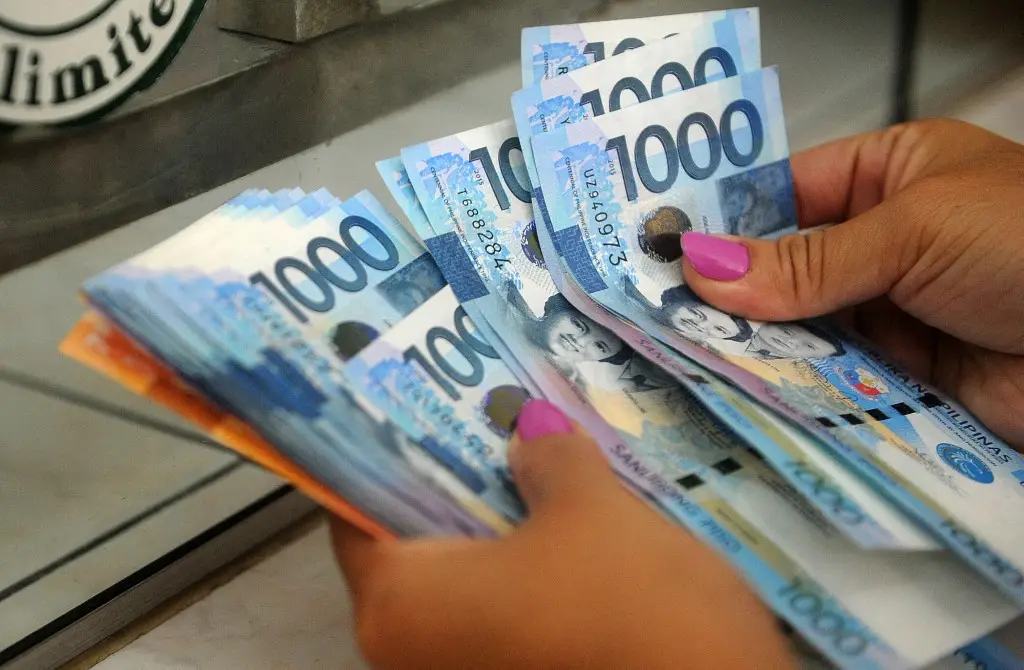
Philippine Peso
The Philippine peso fell to a fresh record low, the currency weakened by 26 centavos to settle at 61.64 per dollar, on Thursday, May 14, when the market closed. It is a -4 per cent fall in the value since the market opened.“The peso is no longer reacting to just a strong dollar and high US rates,” the trader said. “Today’s move suggests markets are also pricing in a higher political and uncertainty premium, especially as the peso underperformed regional peers.” The Philippines faces a moment of political uncertainty as shots were fired in the building. Senators are set to convene as an impeachment court on May 18 to try a case against Vice President Sara Duterte.
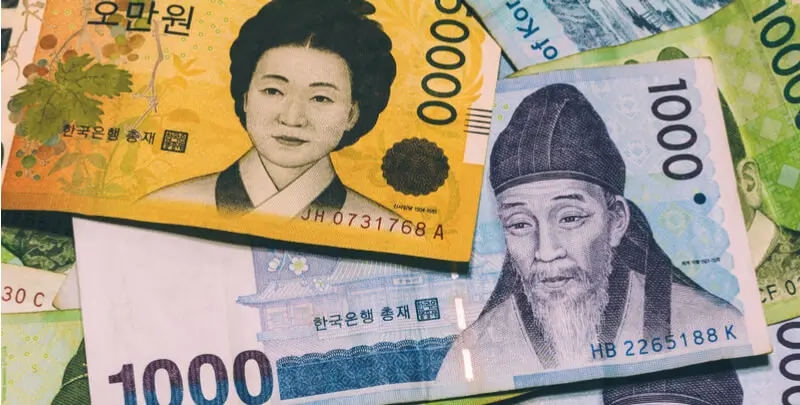
South Korean Won
The Won today is trading approximately at 1,498.32 KRW per 1 U.S. Dollar, approximately 3 per cent YTD depreciation, with intraday fluctuations tracking between 1,496.47 and 1,506.41 KRW. The primary driver is a structural capital flight where local retail and institutional wealth is leaving South Korea, especially U.S. assets, because they offer stronger perceived returns and a way to hedge against domestic uncertainty faster than the country can generate it via trade.
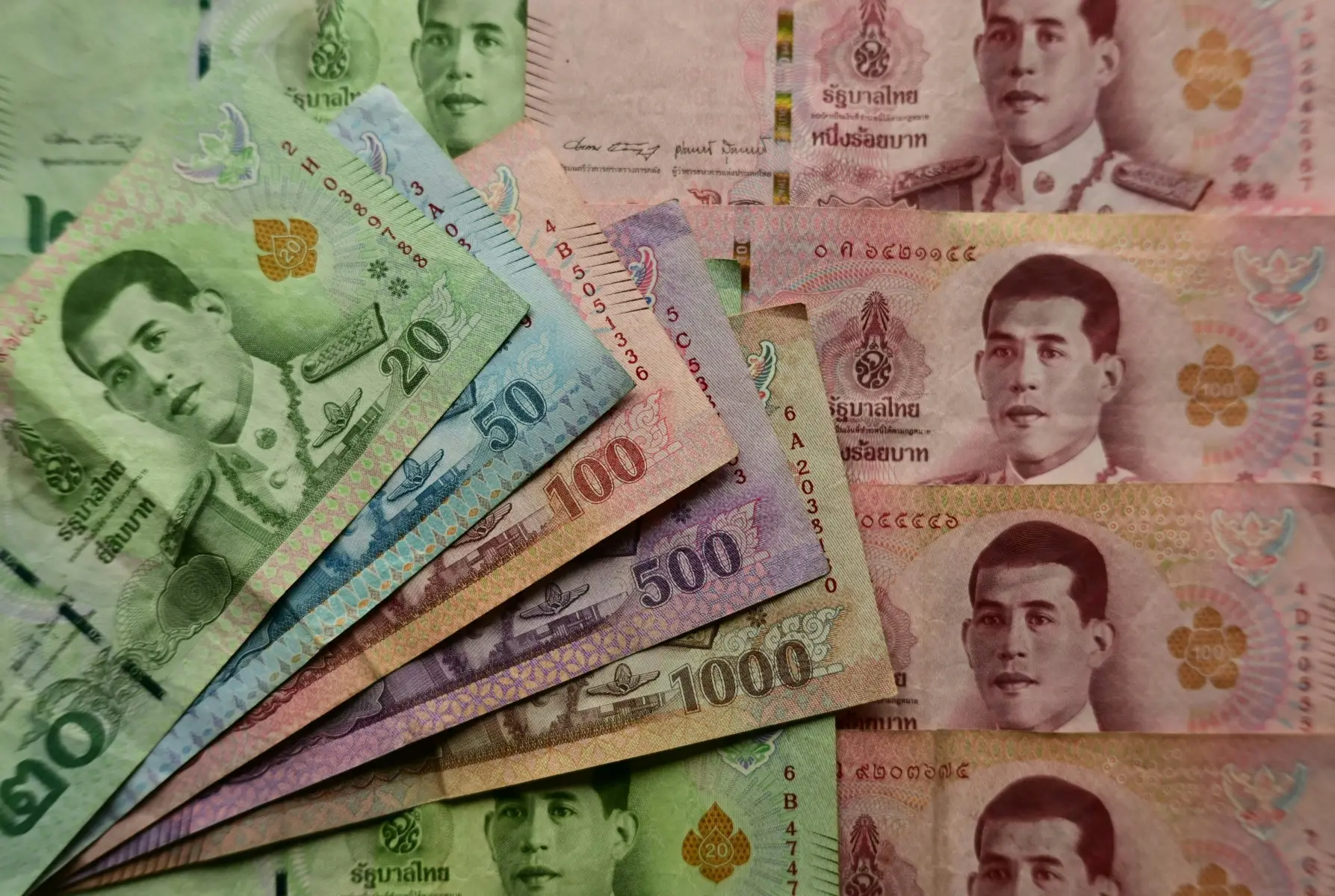
Thai Baht
The Thai Bhat has depreciated 2.6 per cent to 32.58 and is projected to depreciate further to 33.50 against the US dollar due to the West Asian war and the dollar's safe haven demand. Lower gold prices and the Bank of Thailand’s reserve management add further pressure. The concurrent rise in global oil prices is anticipated to escalate the cost of imported raw materials.
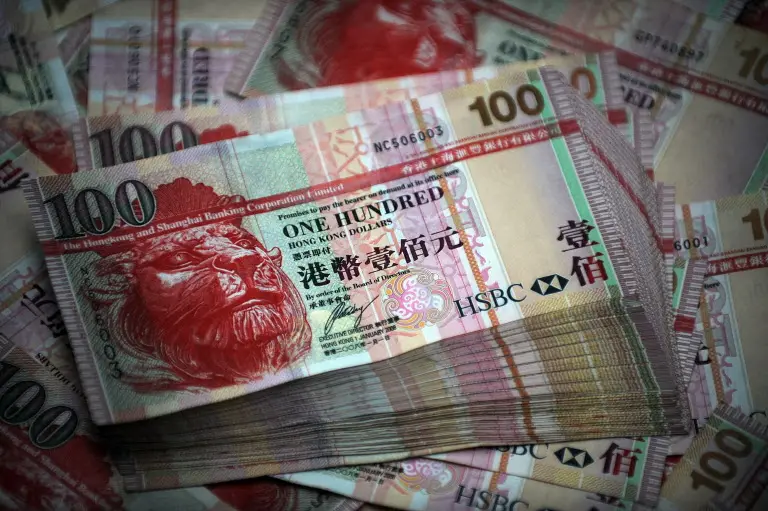
Hong Kong Dollar
1 USD is trading 7.82 HKD in the forex market on May 15 a YTD depreciation of 0.6 per cent. The Hong Kong Dollar (HKD) cannot freely depreciate past a strict floor of 7.85 HKD per 1 USD due to its currency peg. When market pressures push the currency toward this weak-side limit, the Hong Kong Monetary Authority will be legally obligated to buy HKD and sell USD to defend the exchange rate.
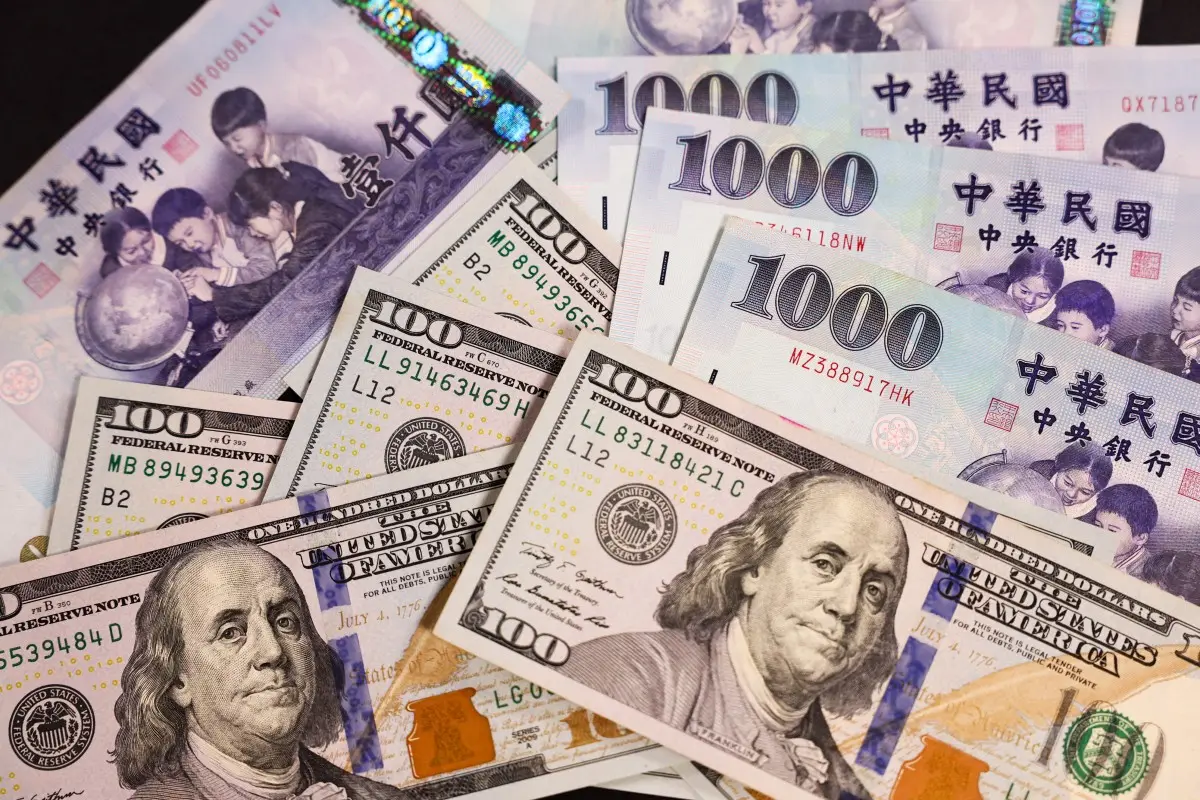
Taiwan Dollar
1 USD is approximately 31.54 New Taiwan Dollars, a depreciation of -0.3 per cent. However, it hit three-year highs and logged its sharpest daily gains on May 4, since at least 1981. This dramatic upward swings in the currency were largely driven by exporters’ rush to convert U.S. dollar reserves to the local currency as the U.S. dollar faltered,
)
)
)
)
)