Runway reality: Can a B-52 bomber operate from any airport?

The B-52 bomber cannot land at any airport due to its 560,000-pound weight and 185-foot wingspan. It requires a 10,000-foot reinforced runway. However, the B-52J upgrade helps it operate from more remote airfields under new military doctrines.
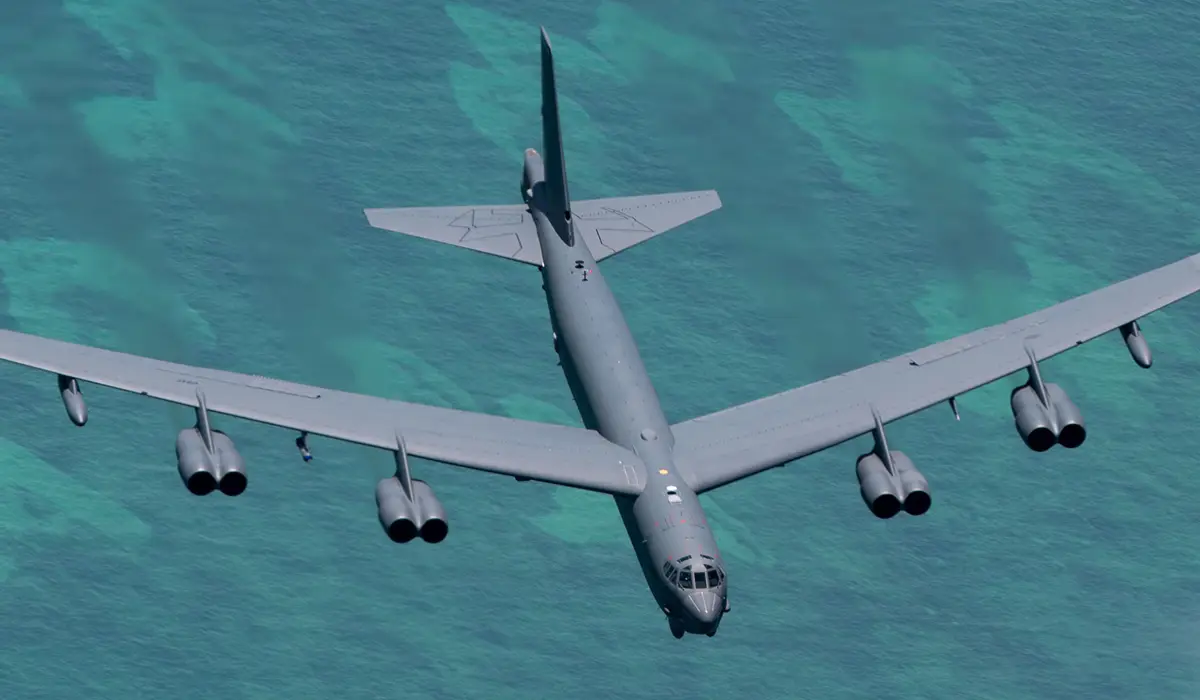
The Runway Restrictions
The short answer is no; the Boeing B-52 Stratofortress cannot operate from just any commercial airport. With a maximum takeoff weight of 560,000 pounds, this heavy bomber requires highly specialised airfield infrastructure to avoid cracking concrete or collapsing runways.
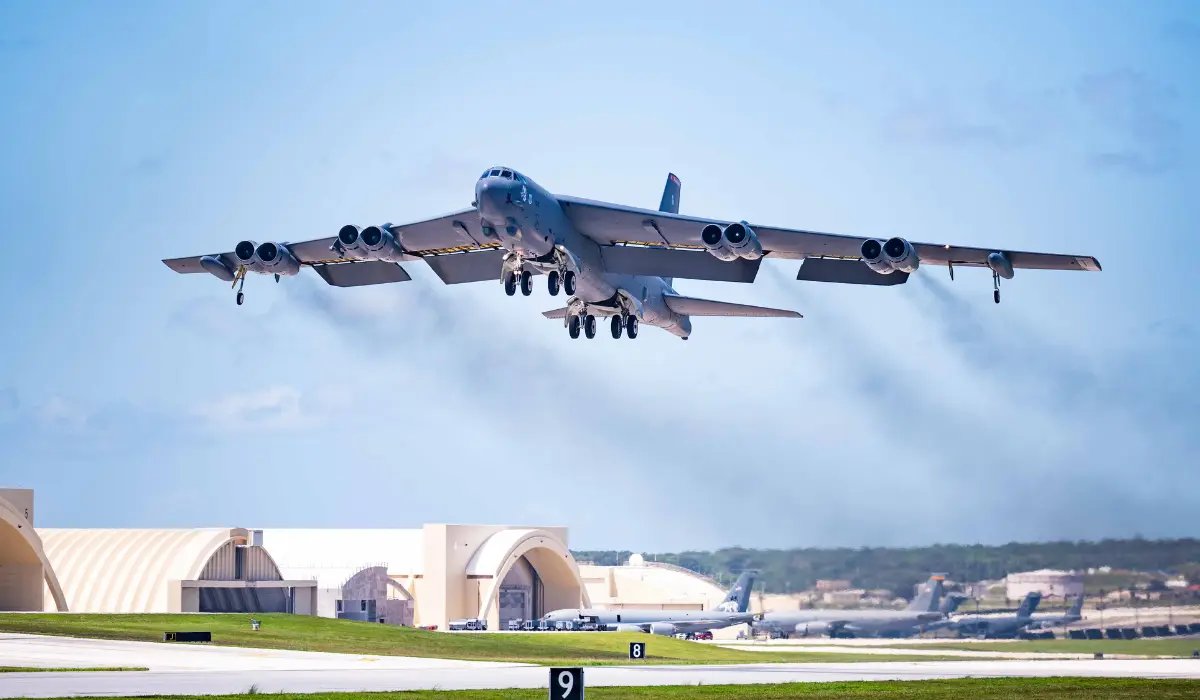
The Two-Mile Constraint
To safely get airborne when fully loaded with a 70,000-pound payload and fuel, the B-52 requires a massive stretch of tarmac. The aircraft typically commands a minimum runway length of 10,000 feet, which translates to roughly two miles of heavily reinforced concrete.
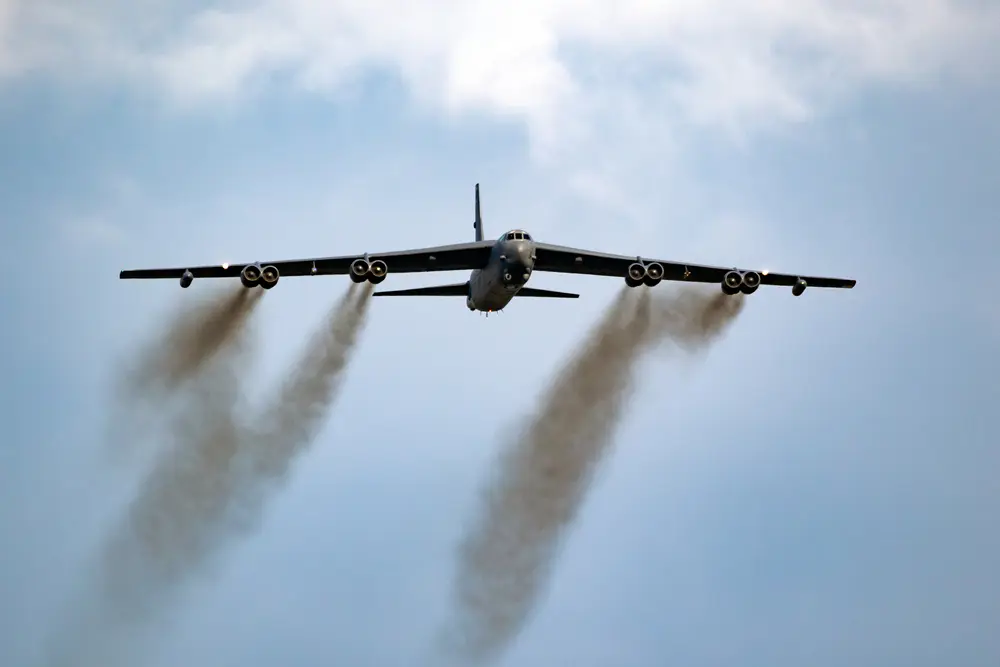
A Massive Wingspan Problem
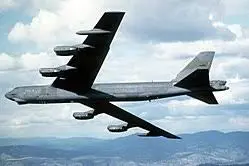
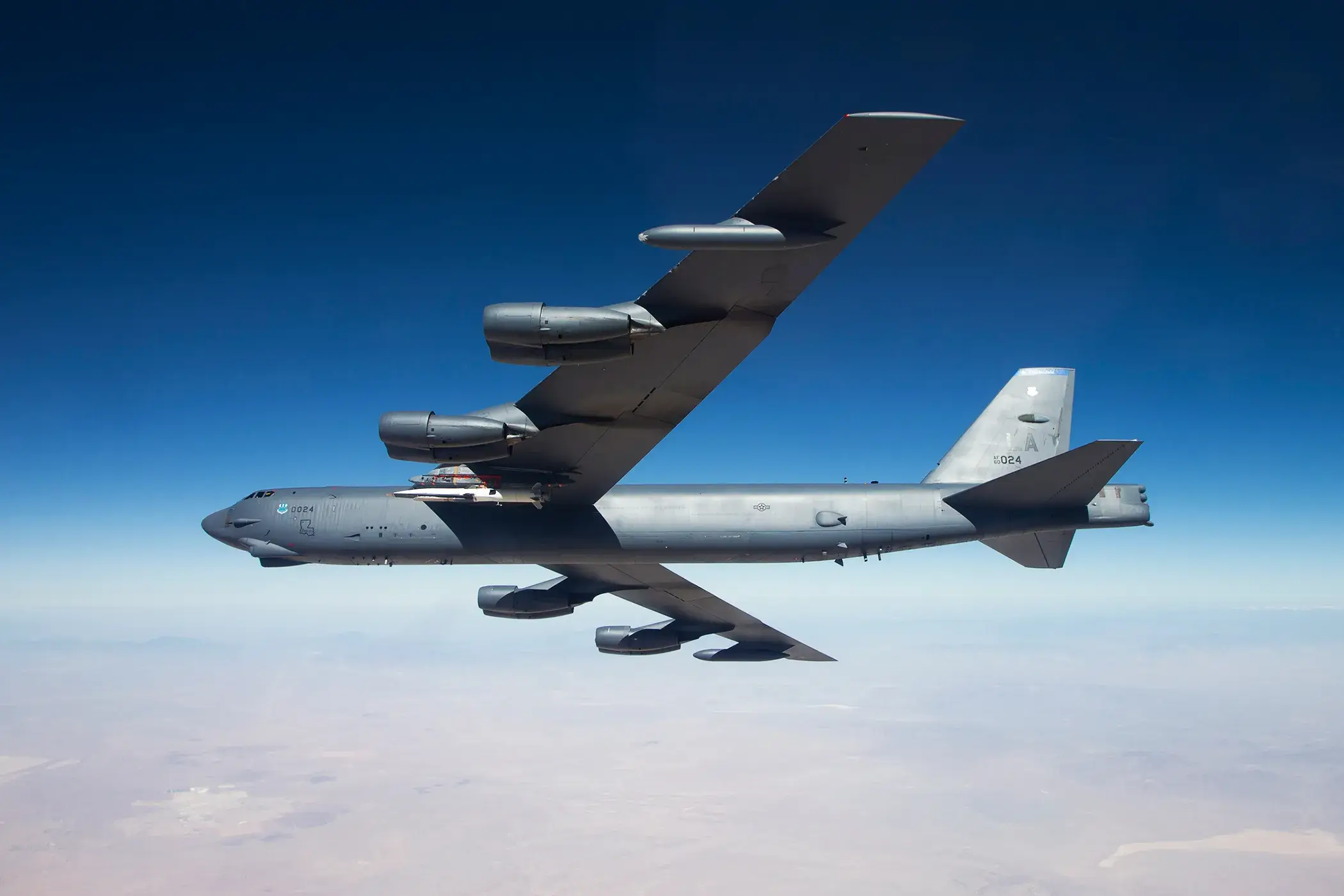
The heavy bomber boasts a colossal 185-foot wingspan that creates immediate spatial challenges for standard civilian airports. Its flexible wings are equipped with unique outrigger landing gear wheels near the tips to stabilize the massive airframe during high-stress landings.
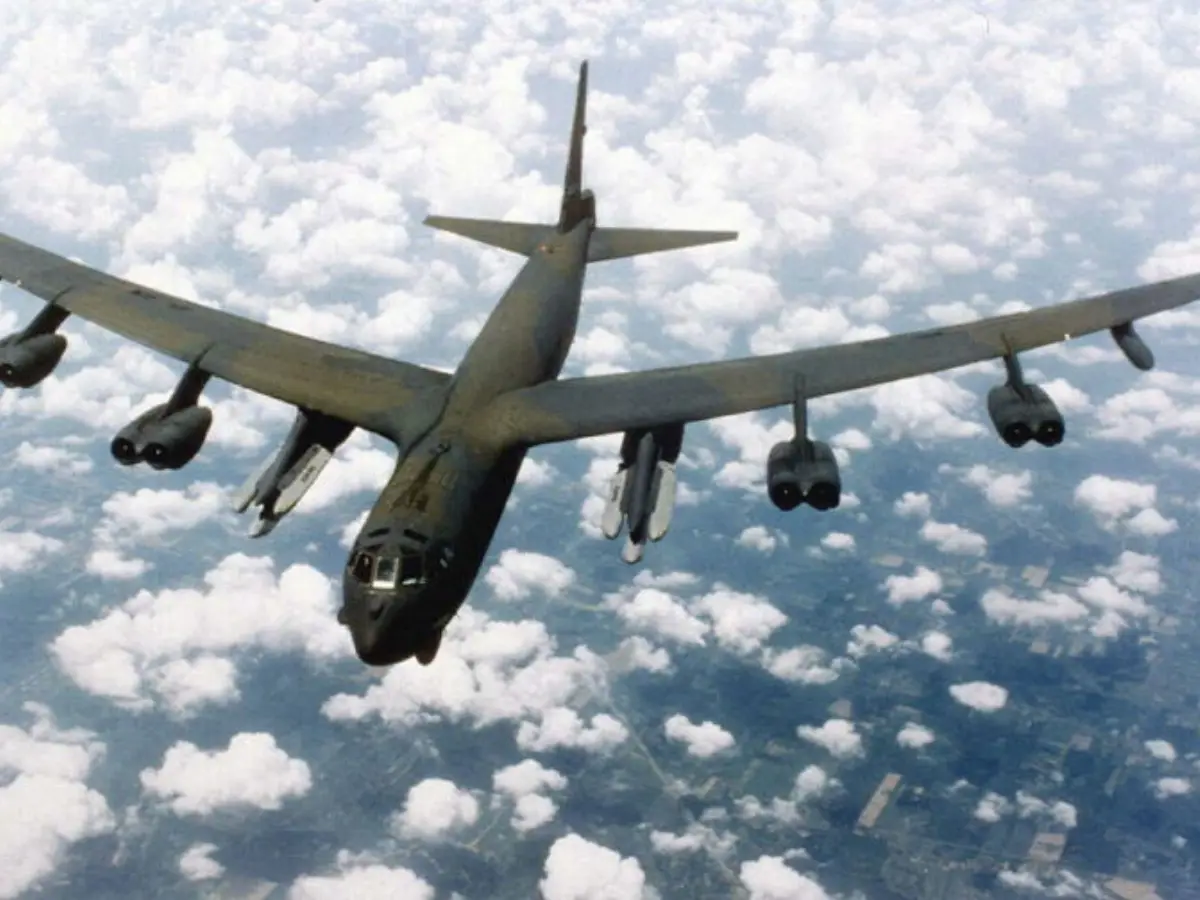
Ground Traps and Collapses
Because of these wide outrigger wheels, the B-52 cannot navigate narrow civilian taxiways without dropping off the paved surface. If these wingtip wheels slip onto soft dirt shoulders, the heavy aircraft can easily become stuck or suffer severe structural damage.
Weight Bearing Reality
Runways are rated by strict weight limits known as the Pavement Classification Number. The immense concentrated pressure of a loaded B-52 will completely shatter standard civilian asphalt, restricting its operations to major international hubs or heavily fortified military bases.
Agile Combat Employment
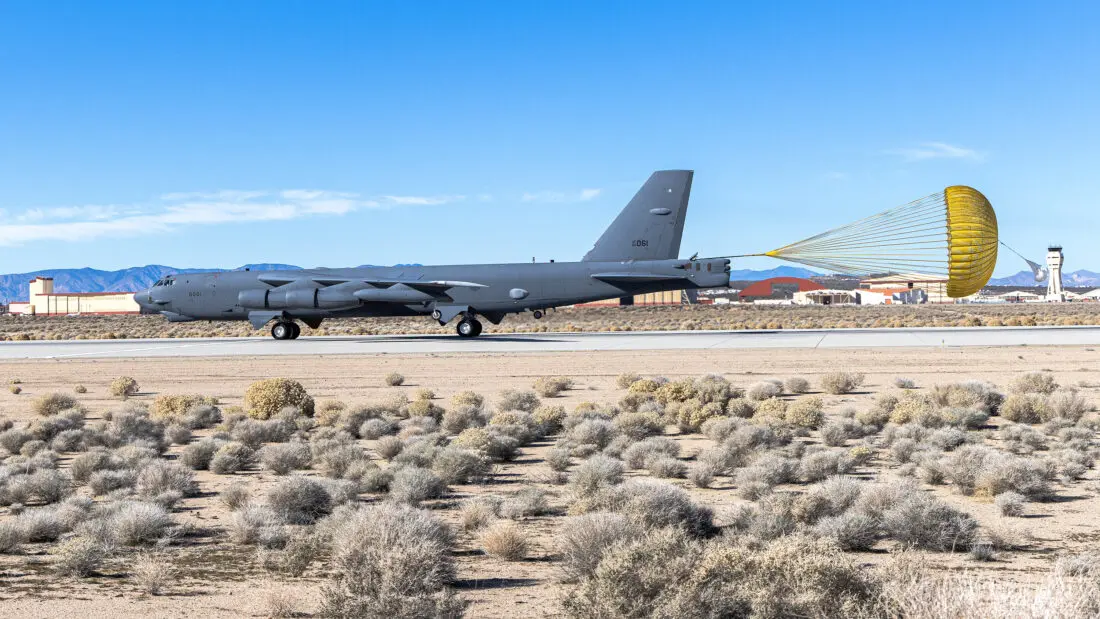
Despite these rigid physical limitations, the US Air Force is actively shifting tactics under its Agile Combat Employment doctrine. Recent military exercises have successfully validated landing the heavy bombers at non-traditional global airfields to actively confuse adversary target planners.
Upgraded Austere Access
The ongoing USD 48.6 billion B-52J modernisation programme makes the aircraft slightly more independent on the ground. By installing modern electric starters, the bomber removes the historical requirement for bulky pneumatic ground support carts, easing deployment to remote fields.
)
)
)
)
)