Rs 200k donkeys? Inside China’s lucrative ejiao trade draining Pakistan’s livelihoods

Edited By Subhadra Srivastava
Published: Jun 08, 2025, 17:34 IST | Updated: Jun 08, 2025, 18:53 IST
Over the past year alone, according to the estimates, the population increased by 1,09,000, making Pakistan the third-largest holder of donkeys globally, behind Ethiopia and Sudan.
1 / 6
(Photograph: Reuters)
Pakistan's Donkey Population
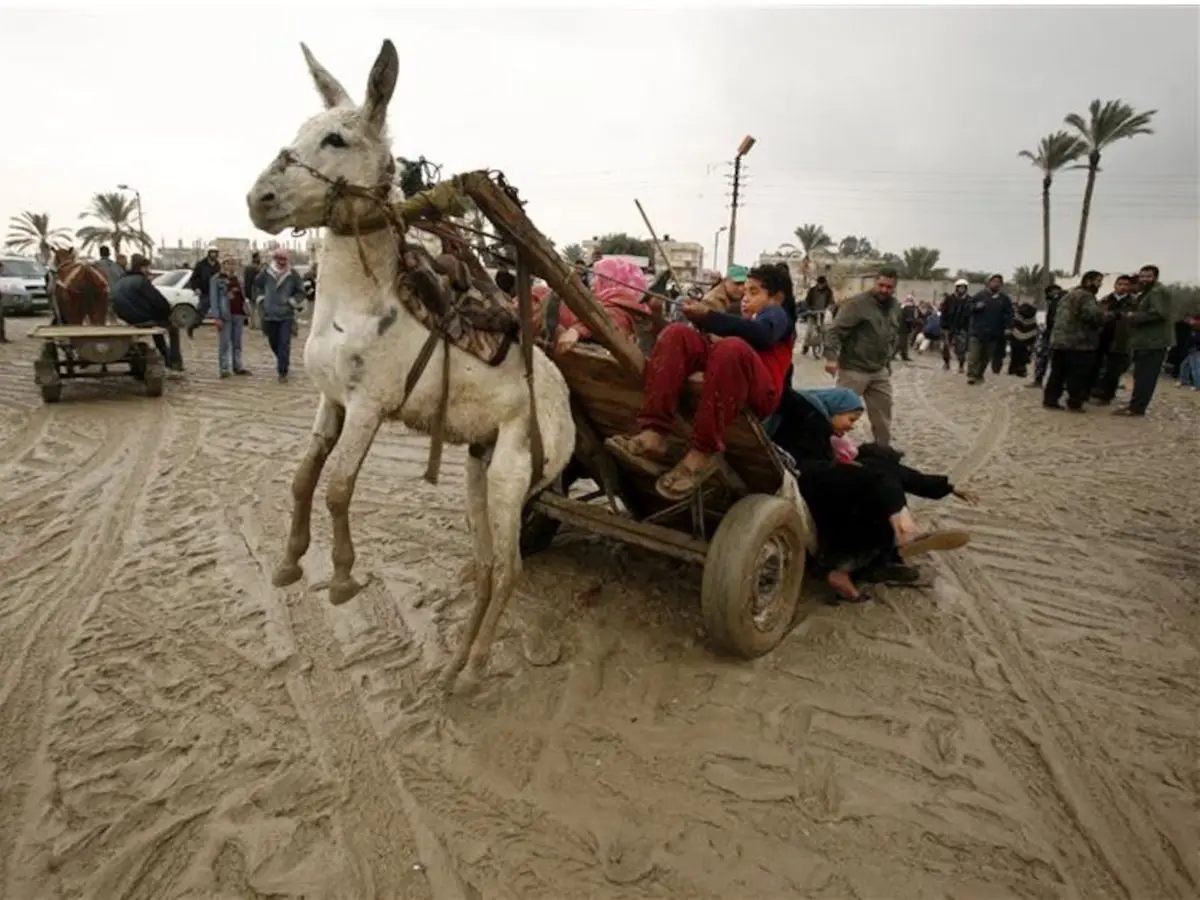
Pakistan has recorded a remarkable rise in its donkey population, with a recent study recording a figure now surpassing 6 million, according to the Pakistan Bureau of Statistics. Over the past year alone, according to the estimates, the population increased by 1,09,000, making Pakistan the third-largest holder of donkeys globally, behind Ethiopia and Sudan.
2 / 6
(Photograph: Reuters)
Demand from China Fuels Surge in Prices
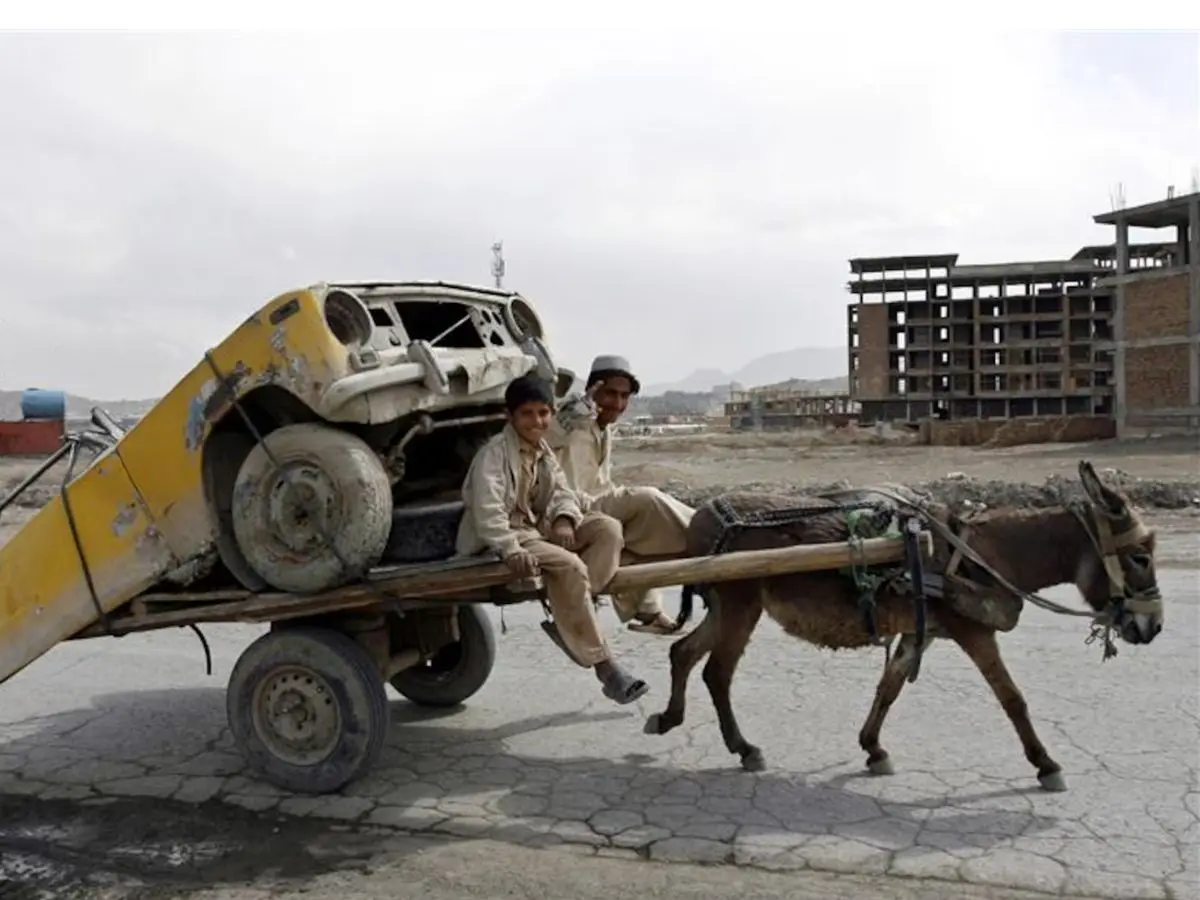
These animals play a very crucial role in the country’s informal economy, because of their widespread use across several sectors including brick kilns, agriculture, transport, recycling, and waste collection. The recent surge in donkey prices in Pakistan is linked to increased demand from China.
3 / 6
(Photograph: Reuters)
The real reason- Ejiao
The animals’ hides are the main raw material in the production of ejiao. Ejiao is a gelatin used in traditional Chinese medicine, which is made by stewing and concentrating donkey skin. It is considered to have several biological properties, including anti-fatigue effects, improved immunity, tumour suppression, as well as treatment for blood deficiency syndrome. Resultantly, the prices for the healthy donkeys in markets especially markets like Karachi’s Lyari have reached whooping Rs. 1,50,000–2,00,000, which is about a fivefold increase from previous years.
4 / 6
(Photograph: Reuters)
Ejiao Industry Expands, Exerts Global Impact
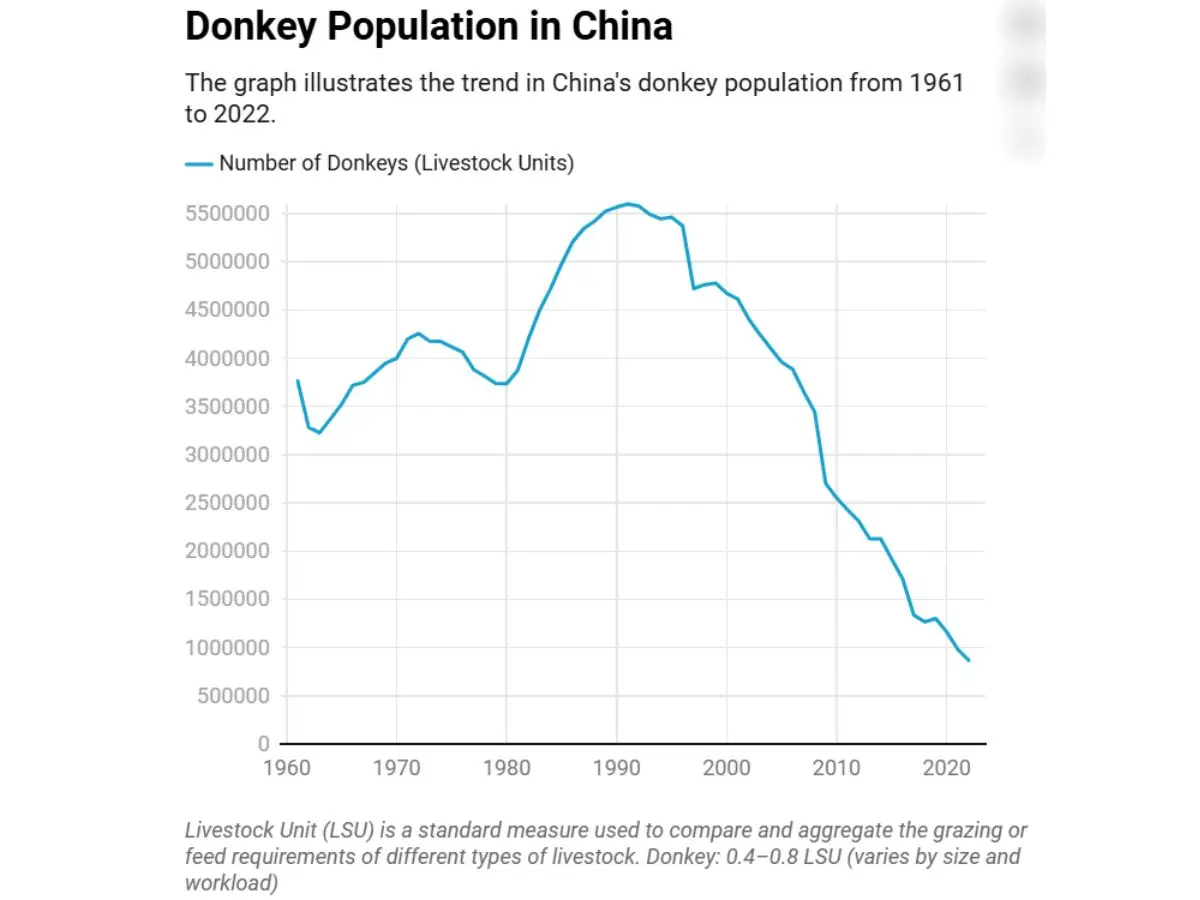
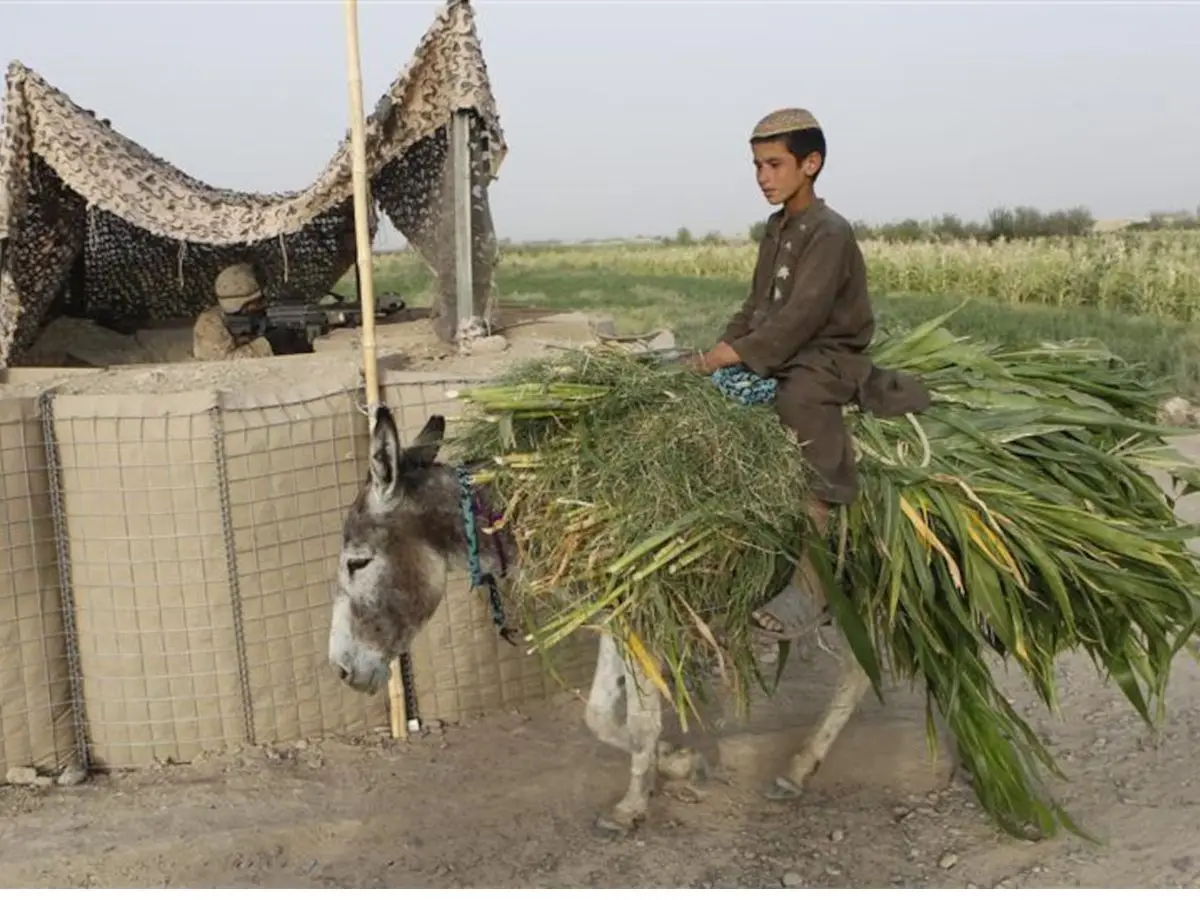
China’s ejiao industry has witnessed a 160 per cent growth in the past five years, fuelling more demand for millions of donkey hides annually. This demand has prompted many private Chinese firms to explore their opportunities for sourcing donkeys from abroad, including from Pakistan. In April 2025, a Chinese delegation met with Pakistan’s Federal Minister for National Food Security and Research, Rana Tanveer Hussain, to discuss the establishment of dedicated donkey farms in the country.
5 / 6
(Photograph: Reuters)
Establishment of Donkey Farms
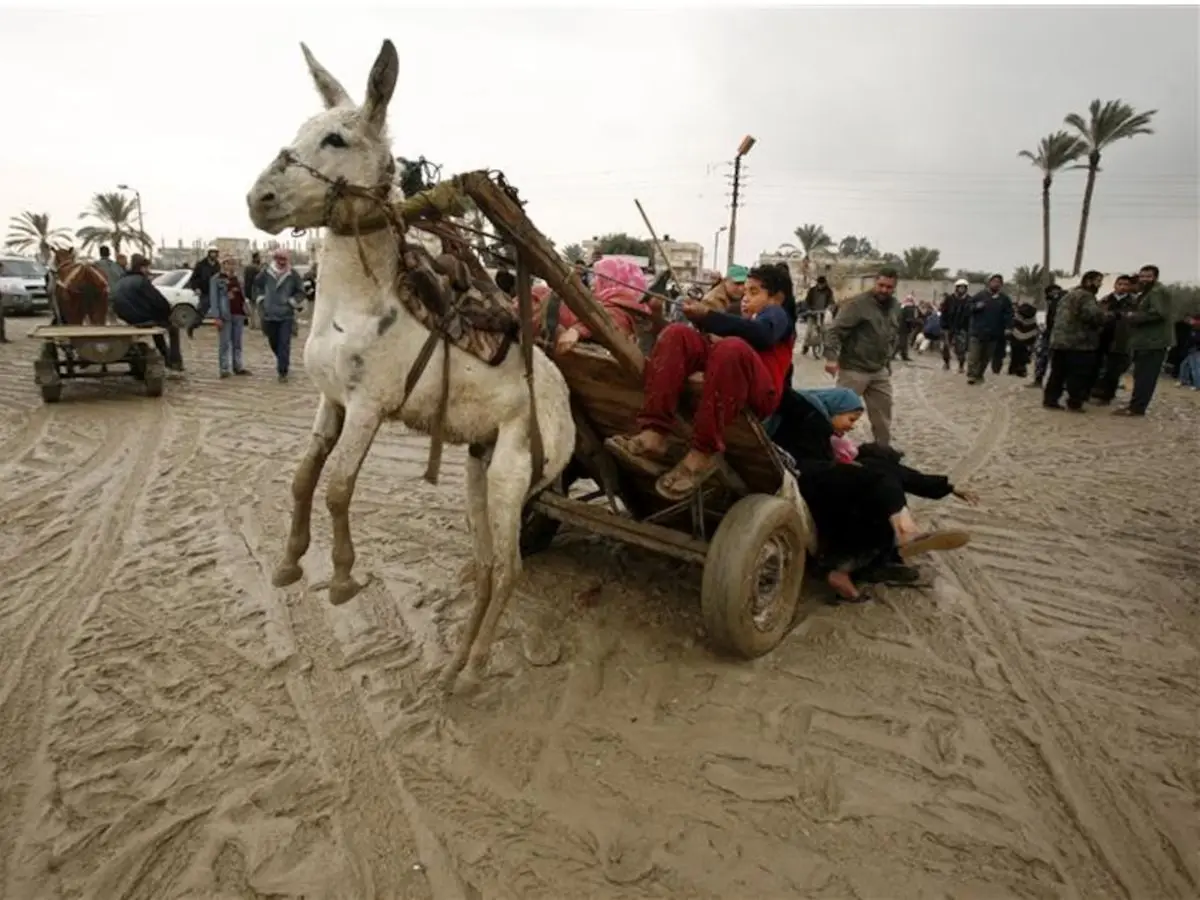
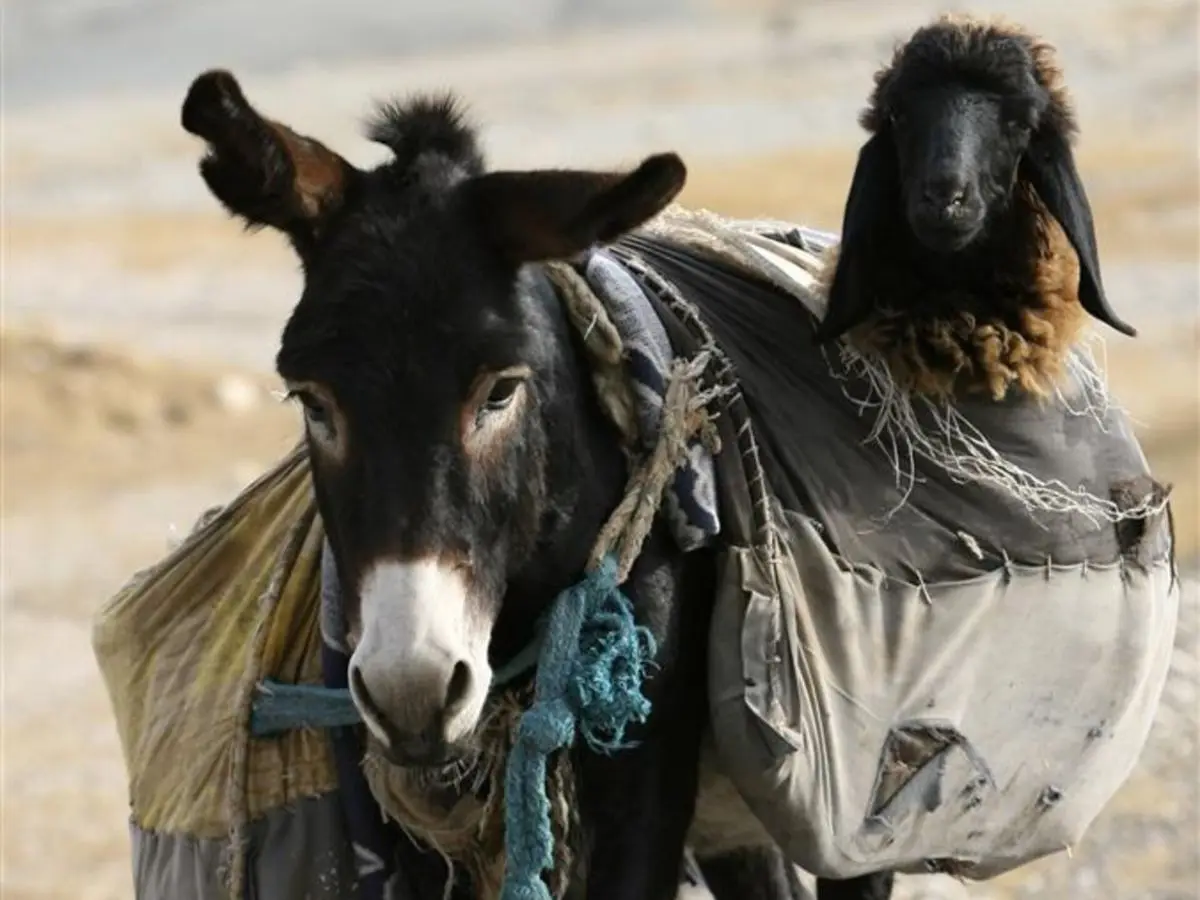
Such initiatives could prove to be beneficial since they would create employment in donkey care, feeding, and farm management. However, this growing trade has raised concerns among poor Pakistani workers who rely on donkeys for their daily livelihood, as rising costs make it increasingly difficult for them to afford new animals.
6 / 6
(Photograph: Reuters)
Global Dependency on Working Equids
Beyond Pakistan, an estimated 500 million people worldwide depend on working equids, including animals like donkeys, horses, and mules for income and transportation. As China’s demand continues to grow, stakeholders in Pakistan find it difficult to balance the economic opportunity with the local needs of the masses, especially those depending on these animals for survival.
)
)
)
)
)