Ronaldo to Beckham: 8 most iconic FIFA World Cup haircuts that football fans still remember

From Ronaldo's famous 2002 haircut to Beckham's mohawk, let us revisit the most iconic FIFA World Cup hairstyles that became football folklore
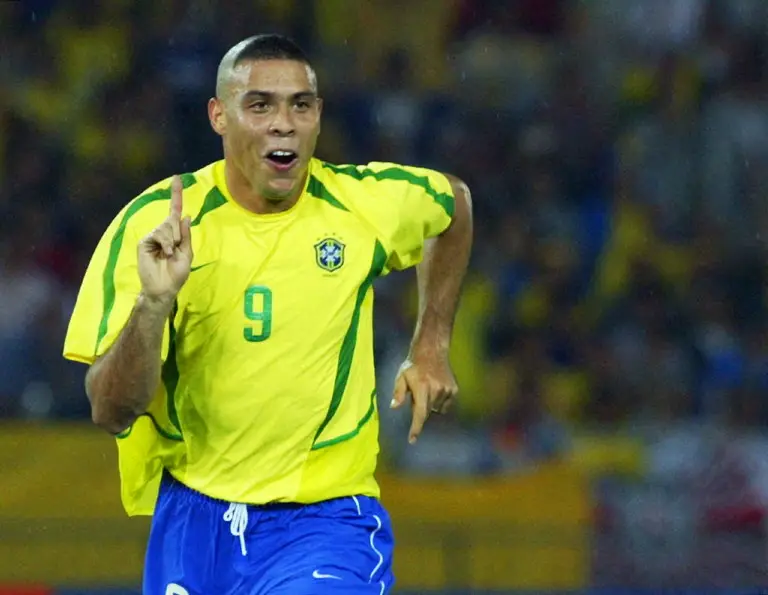
Ronaldo Nazario (Brazil, 2002)
Few World Cup hairstyles have generated as much attention as Ronaldo's famous ‘triangle’ haircut at the 2002 FIFA World Cup. The Brazilian striker later revealed that he adopted the unusual style partly to divert media attention away from an injury concern. Whether fans loved it or hated it, the haircut became one of the defining images of the tournament. Ronaldo went on to score eight goals and lead Brazil to the title, ensuring his haircut became football folklore.
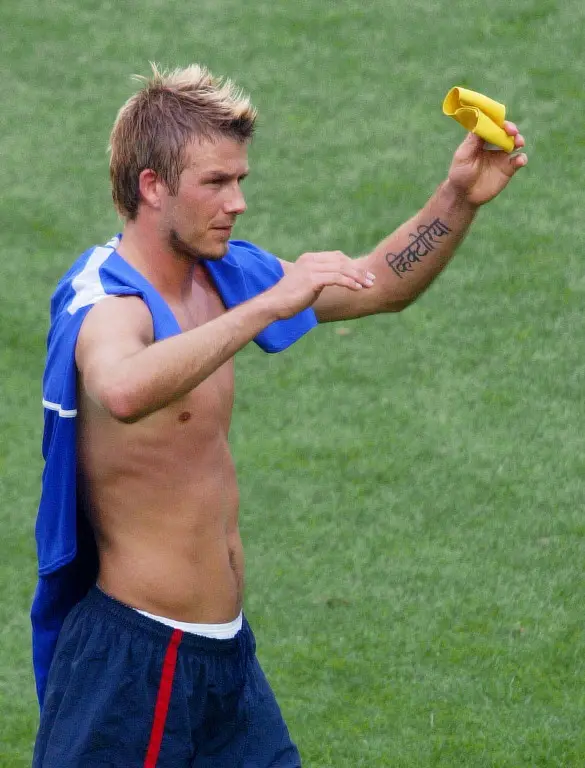
David Beckham (England, 2002)
David Beckham was already a global fashion icon when he arrived at the 2002 World Cup sporting a striking blonde mohawk. The hairstyle instantly became a talking point across the football world and inspired countless imitators. Beckham's influence extended far beyond the pitch, helping turn footballers into global style icons. Even today, his World Cup look remains one of the most recognizable hairstyles ever seen at football's biggest tournament.
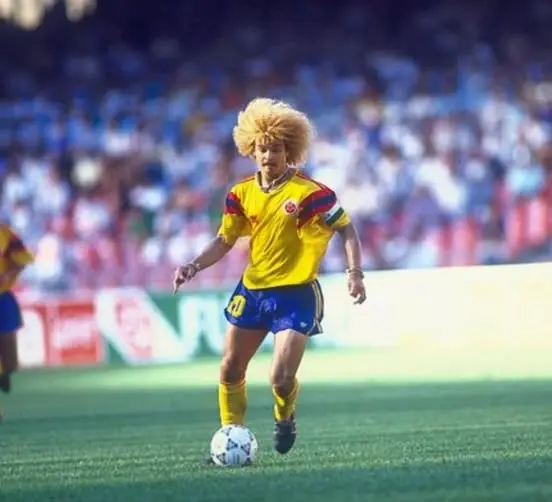
Carlos Valderrama (Colombia, 1990, 1994, 1998)
Carlos Valderrama's enormous blonde afro was impossible to miss. The Colombian midfielder became instantly recognizable thanks to his unique hairstyle, which perfectly matched his flamboyant style of play. While many players changed their appearance over the years, Valderrama stayed loyal to the iconic look that became his trademark. Decades later, his afro remains one of the most memorable visual symbols in World Cup history.
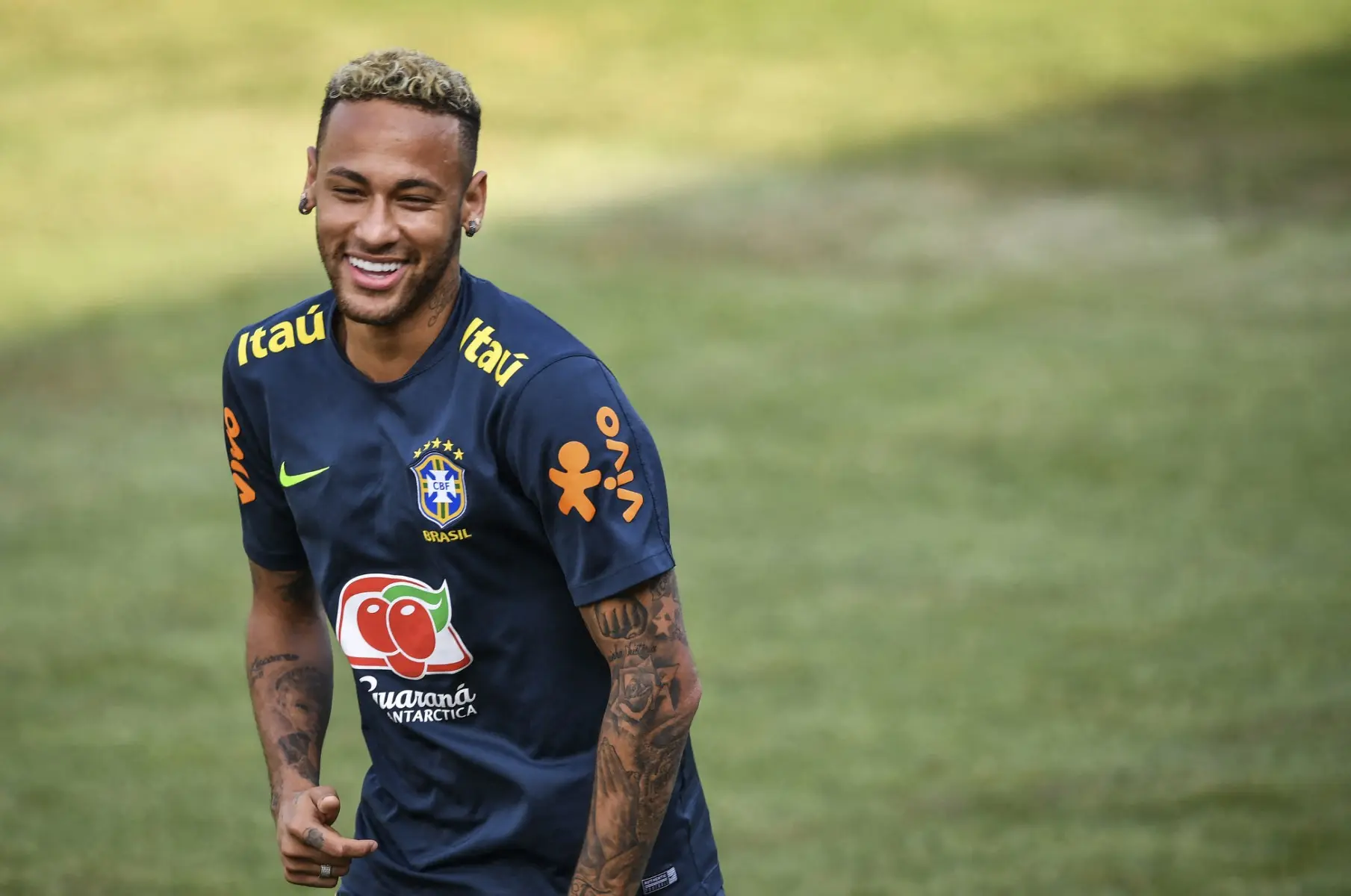
Neymar (Brazil, 2018)
Neymar has never been afraid to experiment with his appearance, and his bleached blonde hairstyle during the 2018 FIFA World Cup quickly grabbed headlines. Fans and pundits debated the look throughout the tournament, making it one of the most talked-about hairstyles in Russia. While Brazil fell short of winning the trophy, Neymar's bold fashion statement ensured he remained a constant topic of conversation both on and off the field.
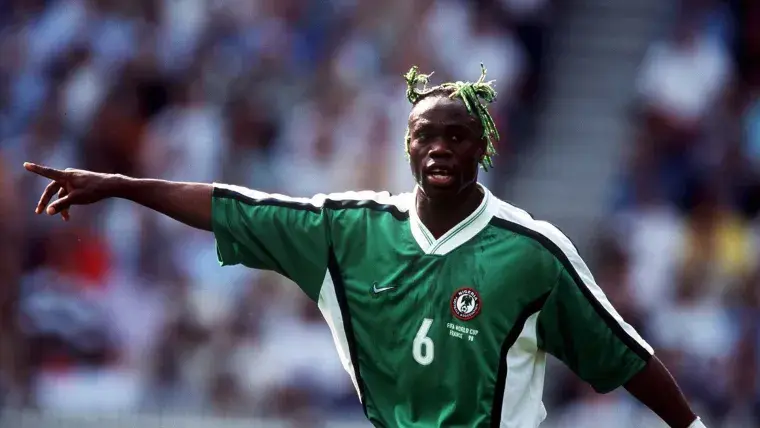
Taribo West (Nigeria, 1998)
Nigeria's Taribo West brought unmatched creativity to the World Cup stage with his famous braided hairstyle featuring brightly colored extensions. The defender's distinctive look reflected both his personality and Nigeria's vibrant football culture. West's hairstyle stood out in an era before social media, proving that unique player identities could still capture global attention. His colorful braids remain among the most unforgettable looks in tournament history.
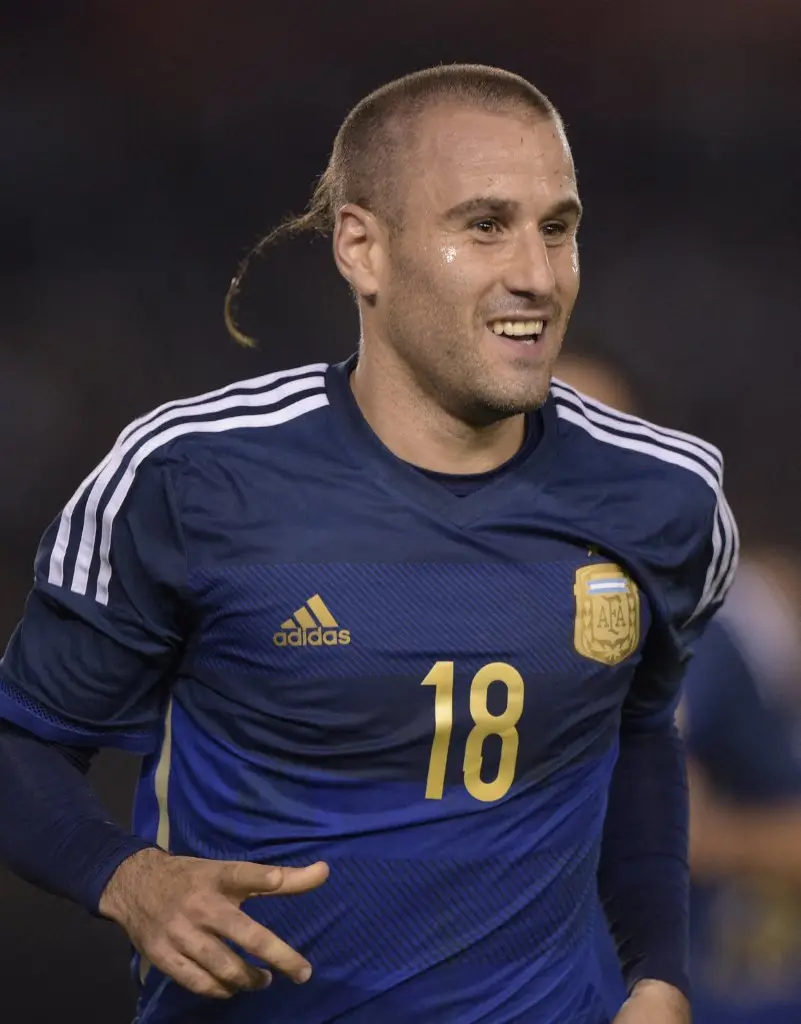
Rodrigo Palacio (Argentina, 2014)
Rodrigo Palacio's unusual rat-tail hairstyle became one of the most discussed looks at the 2014 FIFA World Cup in Brazil. While Argentina came agonizingly close to lifting the trophy, Palacio's appearance often generated almost as much attention as his performances. The distinctive braid at the back of his head made him instantly recognizable and ensured his hairstyle became a memorable part of the tournament's visual identity.
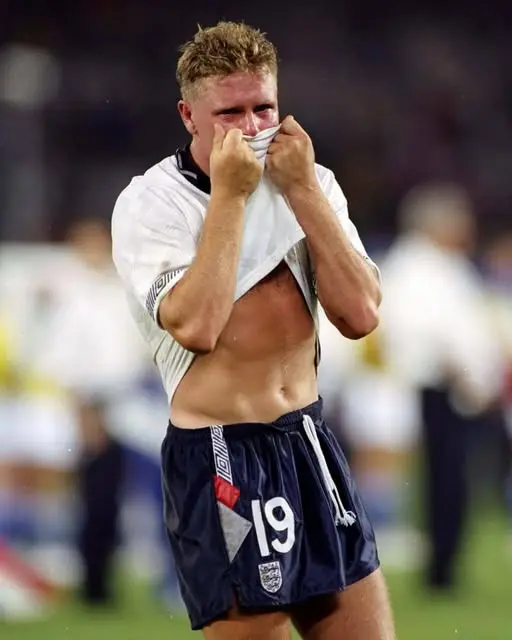
Paul Gascoigne (England, 1990)
Paul Gascoigne, affectionately known as ‘Gazza’, helped popularise the skinhead and close-cropped look during England's memorable run to the semi-finals of the 1990 World Cup. His hairstyle reflected the football culture of the era and became widely copied by fans across England. Combined with his emotional performances and larger-than-life personality, Gascoigne's look remains deeply associated with one of England's most beloved World Cup campaigns.
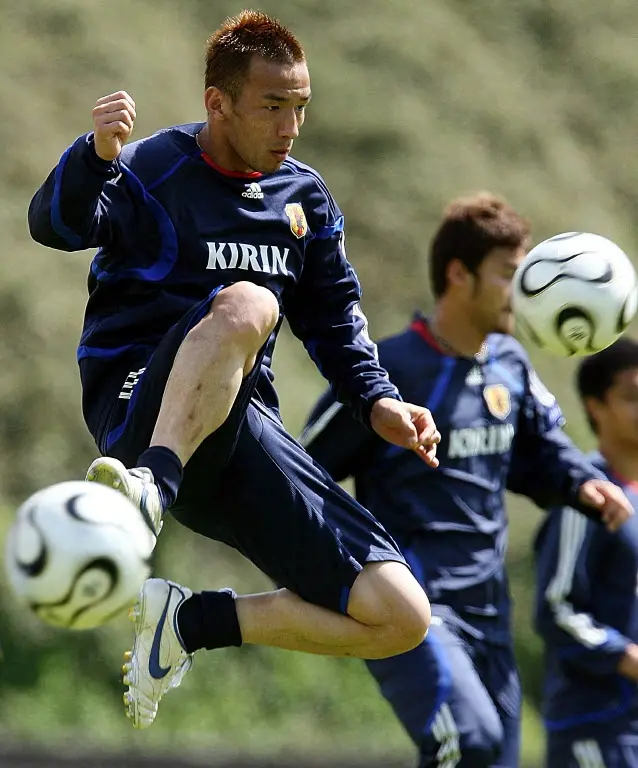
Hidetoshi Nakata (Japan, 2006)
Japanese star Hidetoshi Nakata was known for combining football excellence with a keen sense of fashion. During the 2006 FIFA World Cup, his bleached blonde hairstyle further enhanced his image as one of football's most stylish players. Nakata helped break stereotypes about footballers and embraced a global fashion-forward identity. His appearance influenced many young fans and cemented his status as one of Asia's most iconic football personalities.
)
)
)
)
)